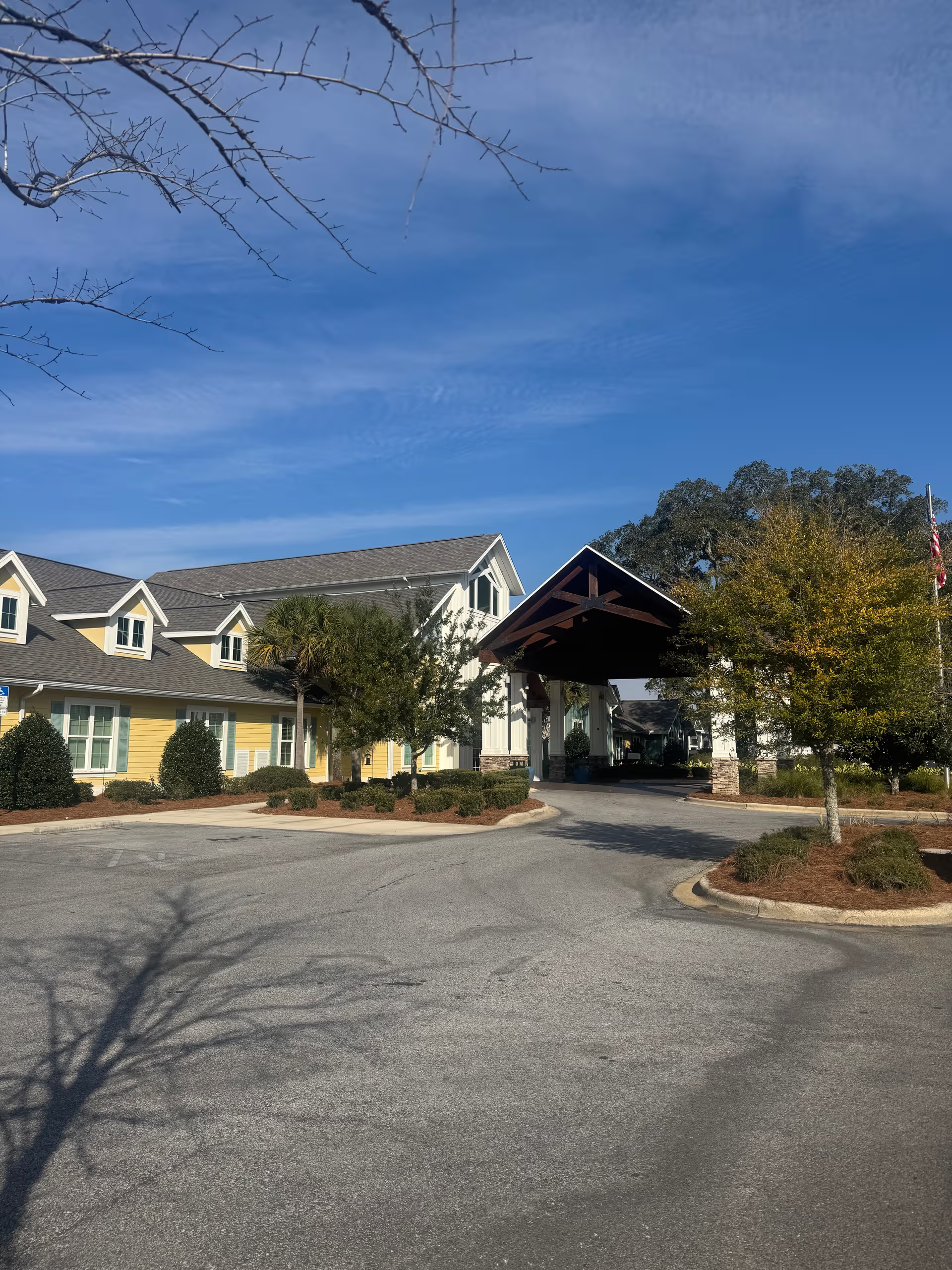
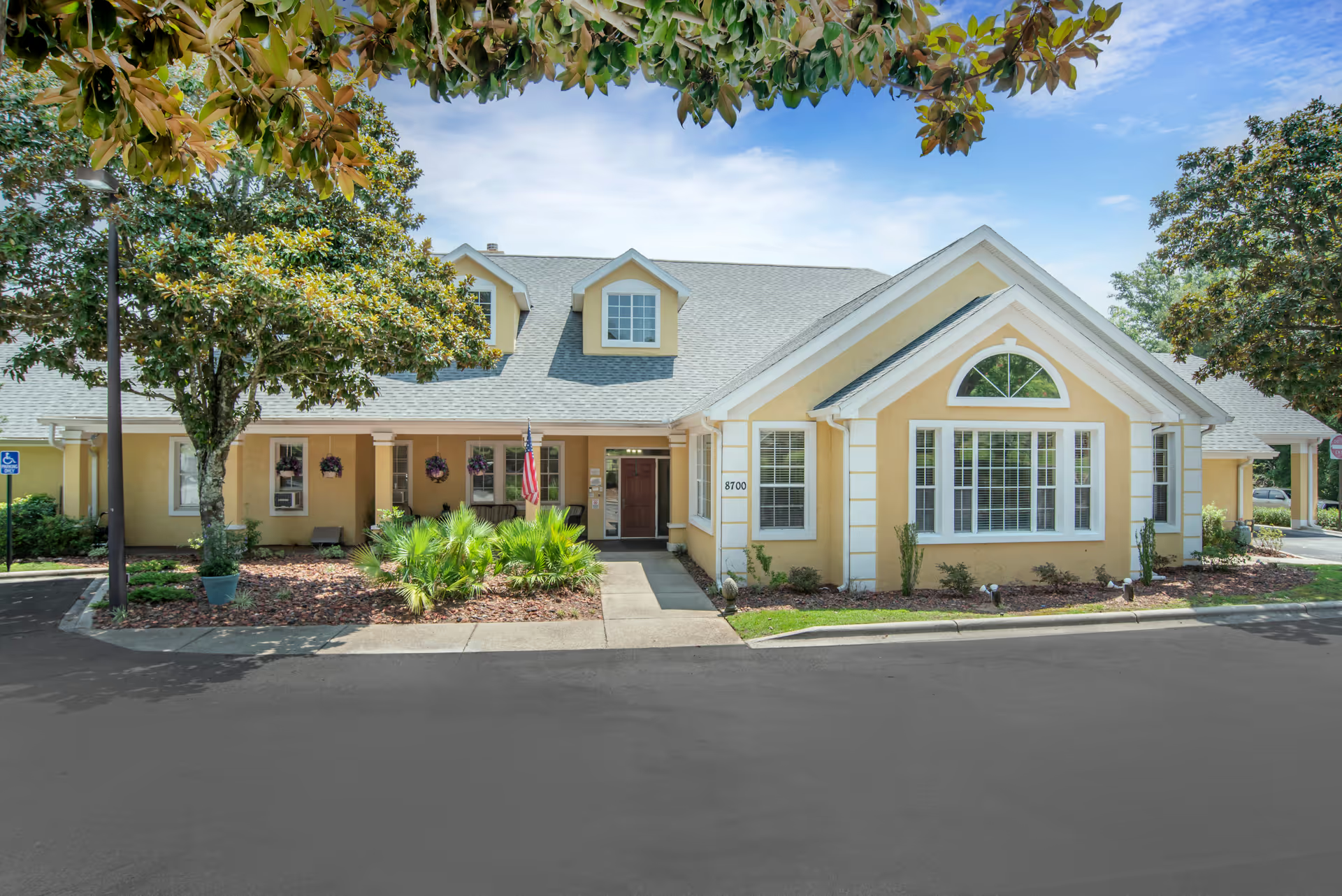
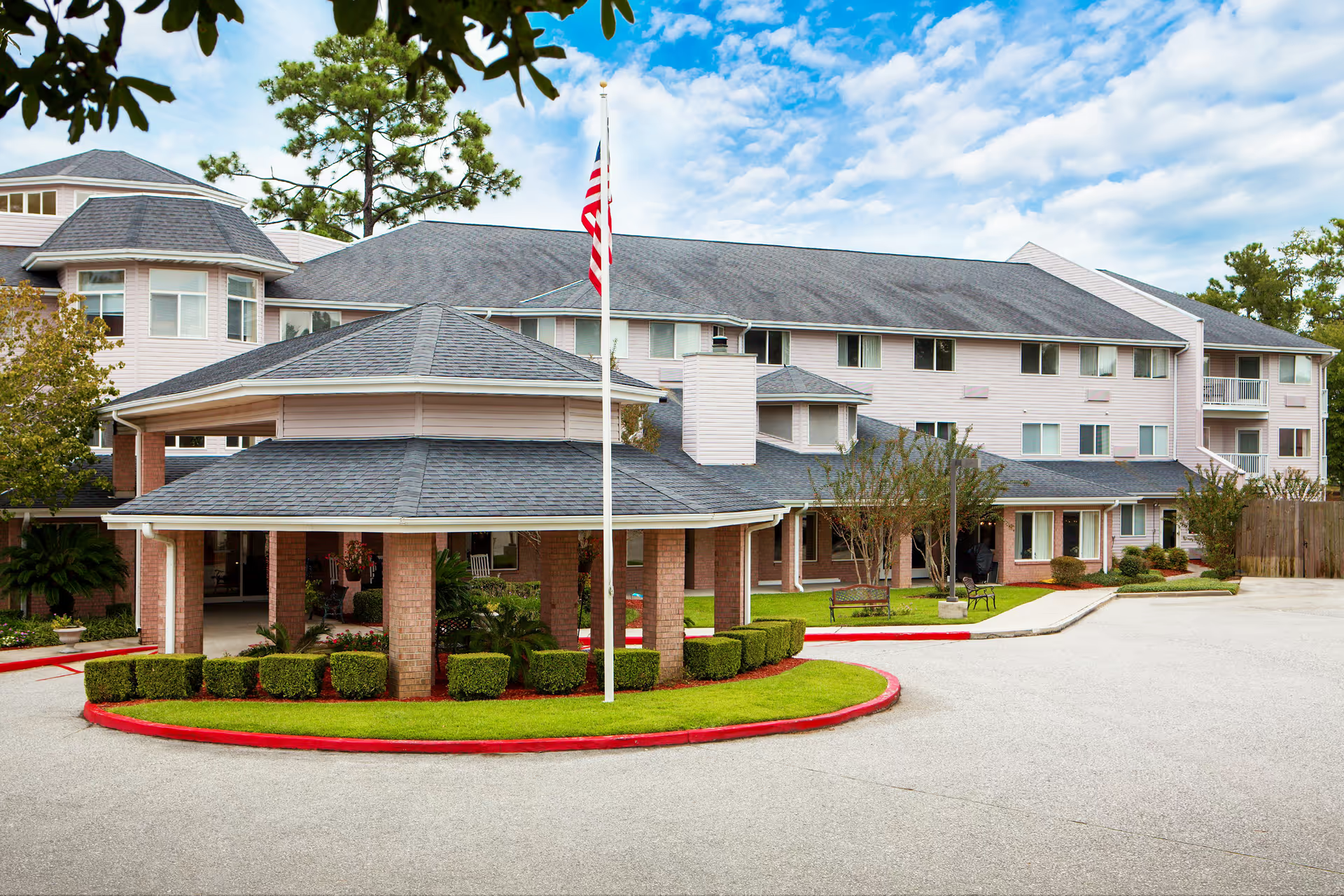
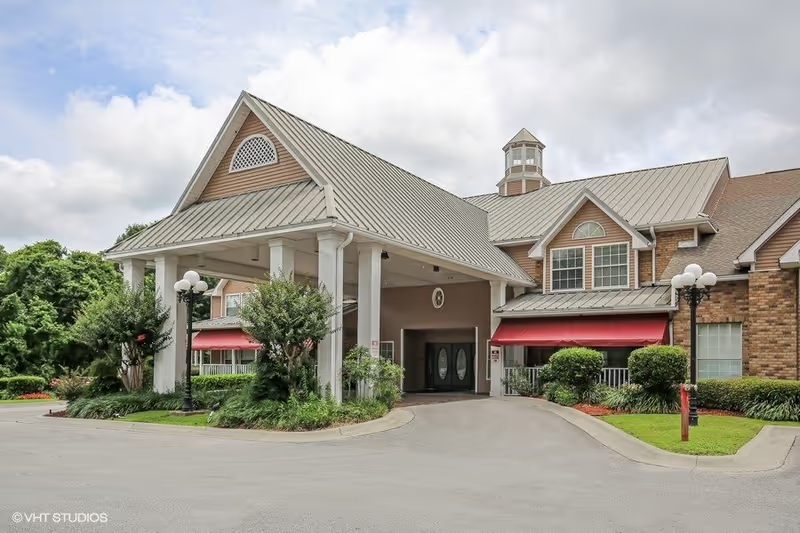
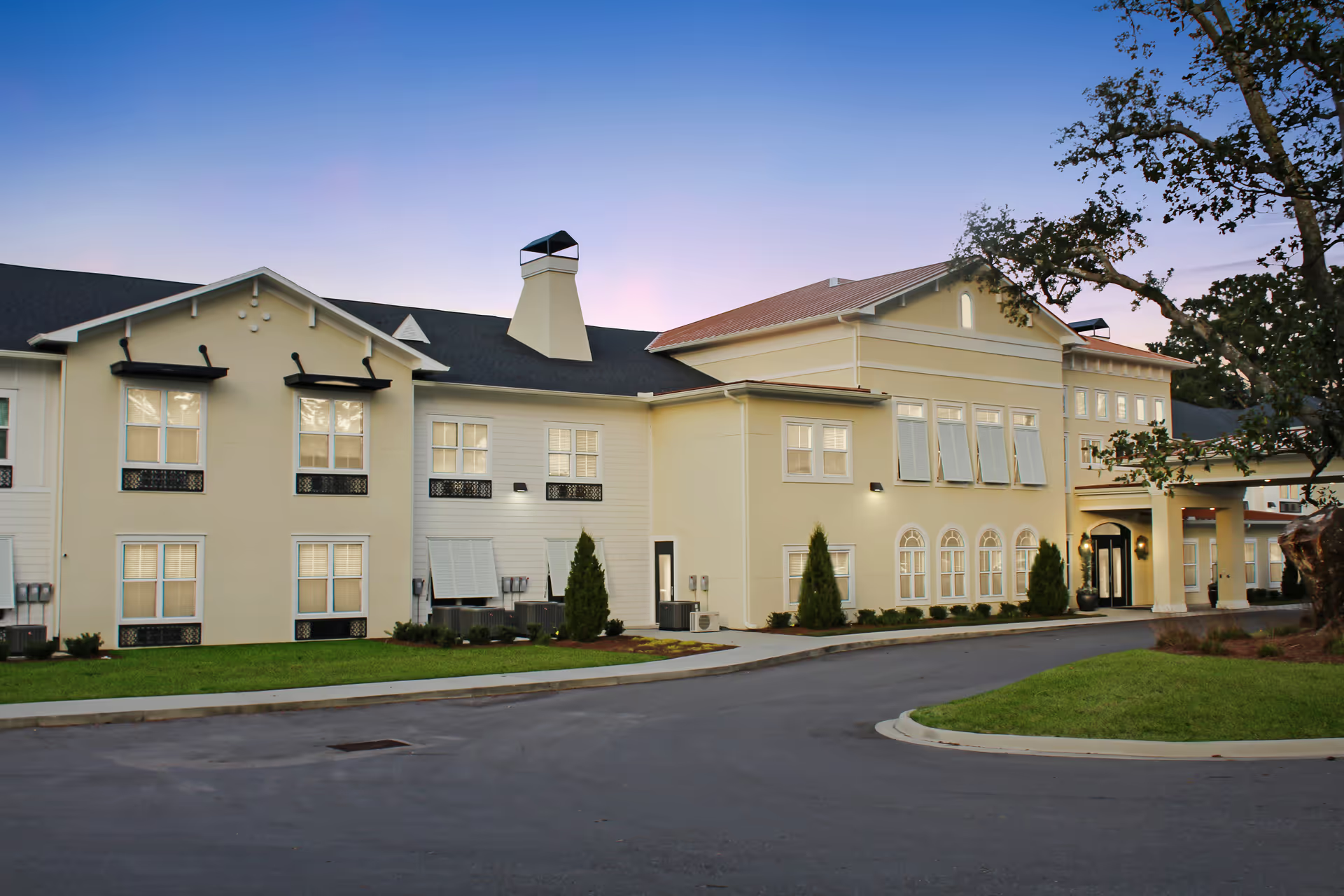
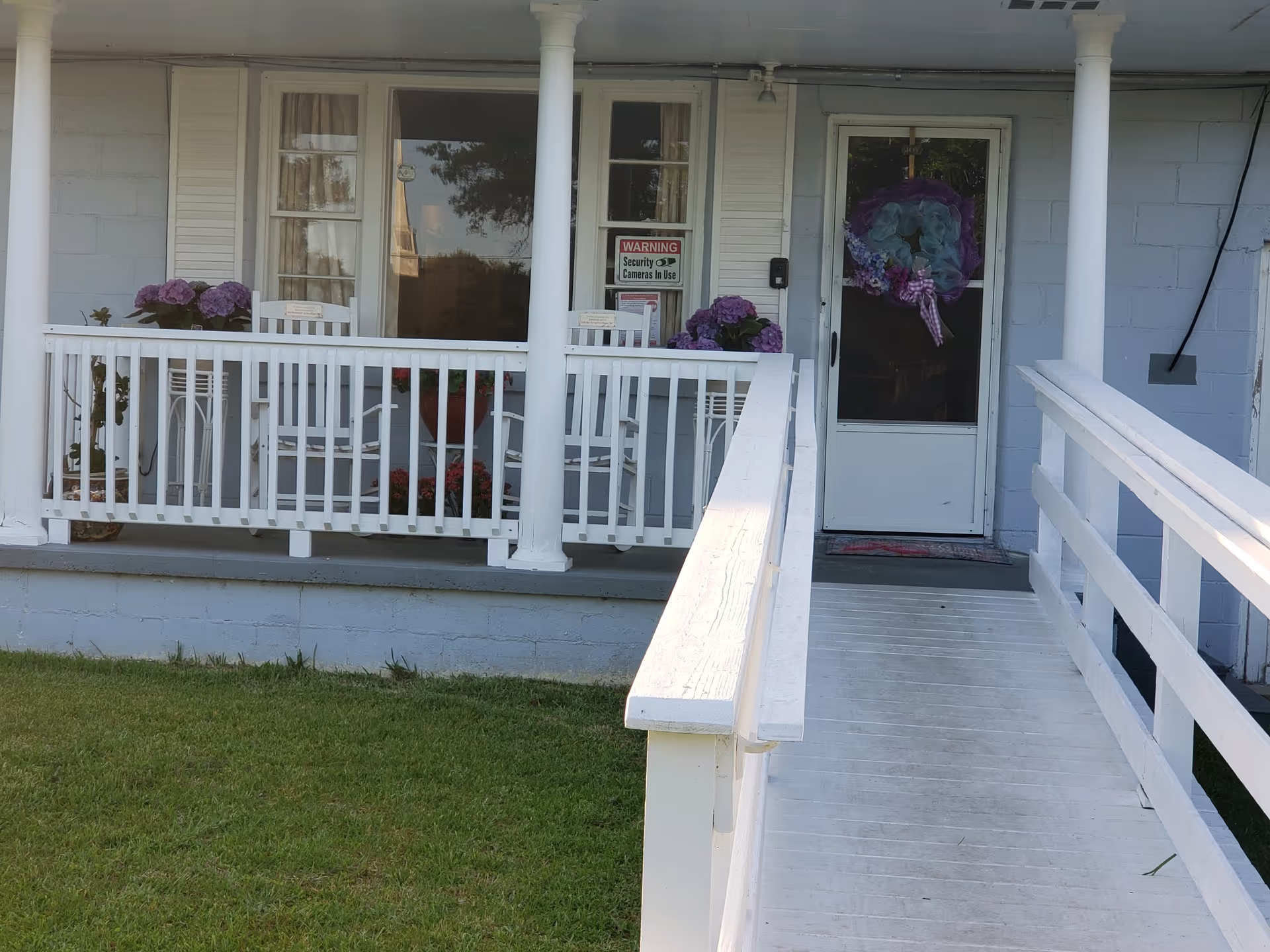
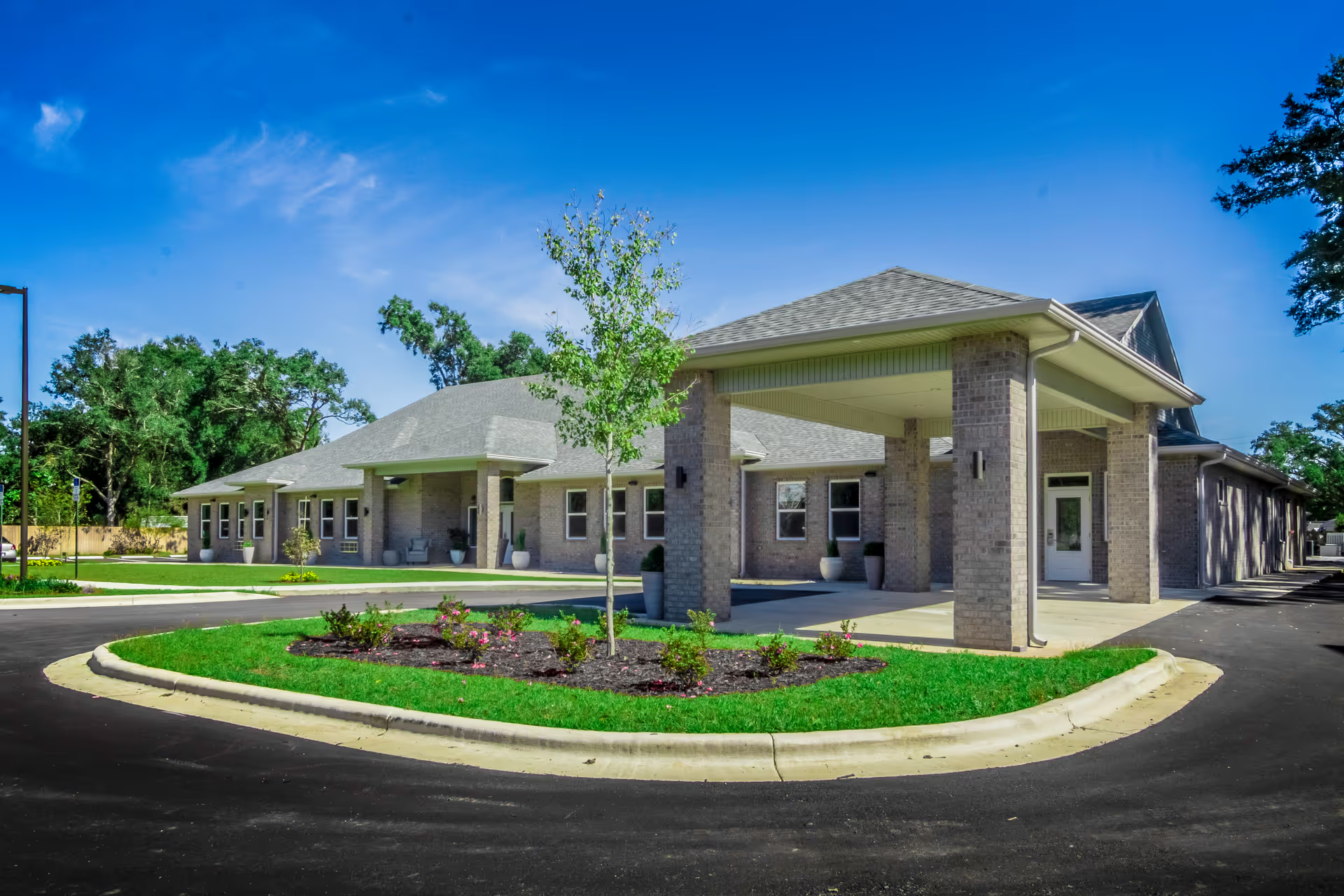
Reviewers present a mixed picture of Westpointe Retirement Community, with consistent praise for physical room size, affordability, and specific staff members alongside repeated operational concerns. The facility appears to serve best those with lower dependency needs; several reviewers highlighted long-tenured employees, warm admissions experiences, and a sense of community that benefits residents who require modest assistance. On-site features such as outdoor areas and a bird enclosure were mentioned positively by some residents and visitors.
Care quality observations are mixed. Many comments commend individual caregivers for compassionate and attentive interactions, and some families described strong support during transitions and bereavement. However, there are recurring concerns about responsiveness to requests for assistance, long call-bell response times, and limited overnight staffing. Reviewers also flagged gaps in medication-management oversight and inconsistent supervision of clinical tasks, which, combined with delayed assistance, created worry for families seeking higher-acuity care.
Dining feedback is highly variable. Some reviewers found the food acceptable and appreciated value for the price, while others described frequent inconsistencies in meal quality, cold or poorly prepared items, and perceived inadequate calorie content leading to unintended weight loss in residents. Several comments noted that dietary needs and substitutions were not consistently accommodated. Overall, reviewers suggest the dining program requires stronger nutrition oversight and consistency.
Activities and transportation were another area of divergence. The community offers social activities, and some residents reported an active atmosphere, but activity schedules were described as inconsistent, with common programs (for example, scheduled games) sometimes canceled or irregular. Outings were available but reportedly limited; families described drivers providing minimal assistance during excursions. Those seeking a robust, reliably scheduled activity program may find the offering uneven.
Facility and housekeeping concerns recur across reviews. While resident rooms are frequently described as spacious and comfortable, there are multiple reports of inconsistent cleaning, odor concerns in some areas, and pest-control problems within common and dining areas. Some reviewers also mentioned maintenance issues and a general need for deep cleaning or refurbishment in parts of the building. These facility-level issues contributed to perceptions of declining quality over time among long-term observers.
Management and operations drew substantial critical commentary. Common themes include perceived unresponsiveness or dismissive communication from management, unclear or additional charges for services such as bathing and laundry, inconsistent enforcement of infection-control practices, and at least one allegation of missing personal property that raised questions about financial controls. While some families praised specific managers and staff members for professional leadership, others described poor customer-service interactions and recommended caution.
Notable patterns: positive experiences tend to center on individual staff members and long-tenured employees who provide stability and compassionate care, and on the physical advantages of spacious rooms and value pricing. Negative patterns cluster around staffing instability (particularly among newer hires), inconsistent service delivery (meals, activities, housekeeping), sanitation and pest-control issues in shared spaces, and shortcomings in management communication and oversight. Prospective residents and families should weigh the facility’s strengths for lower-dependency residents against these operational concerns, and consider direct, specific inquiries about staffing ratios, meal planning and nutrition oversight, infection-control policies, housekeeping schedules, and the facility’s procedures for safeguarding personal property before making a placement decision.