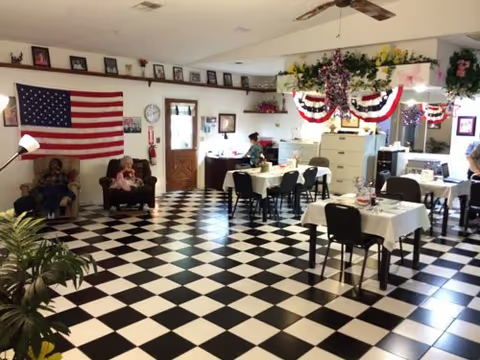
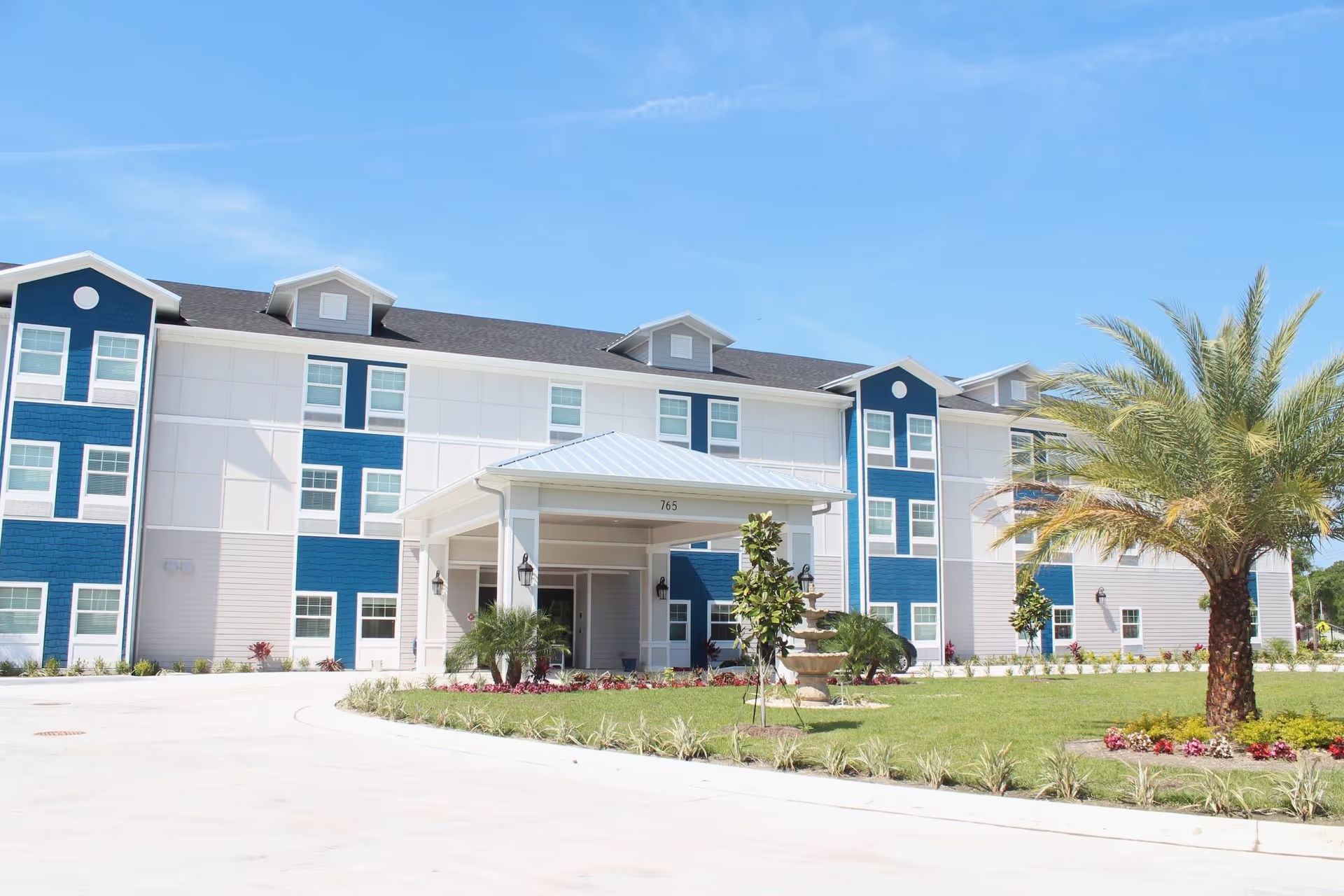
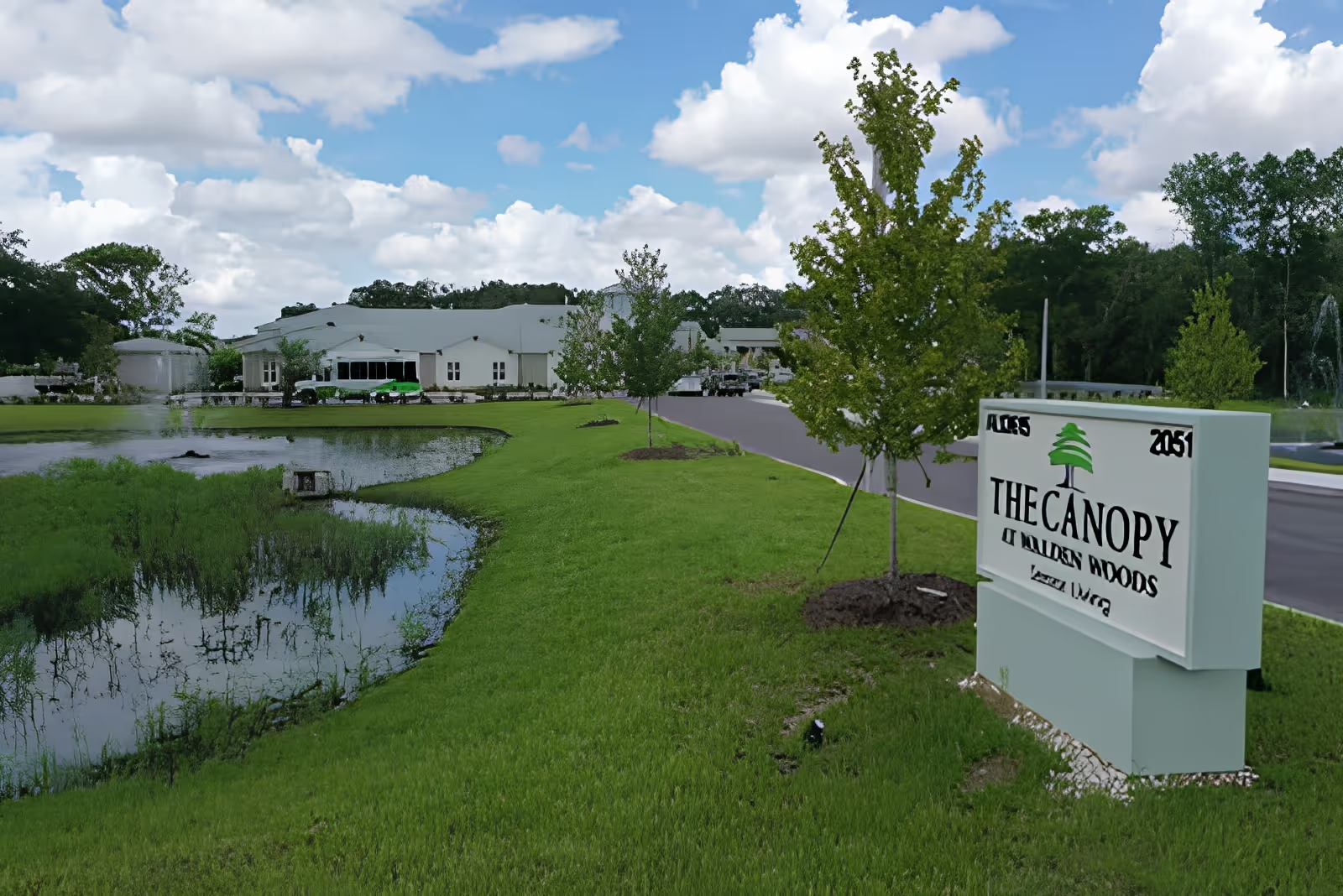
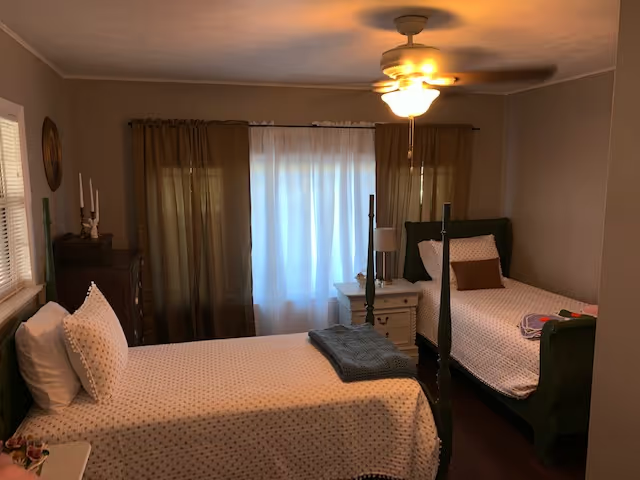
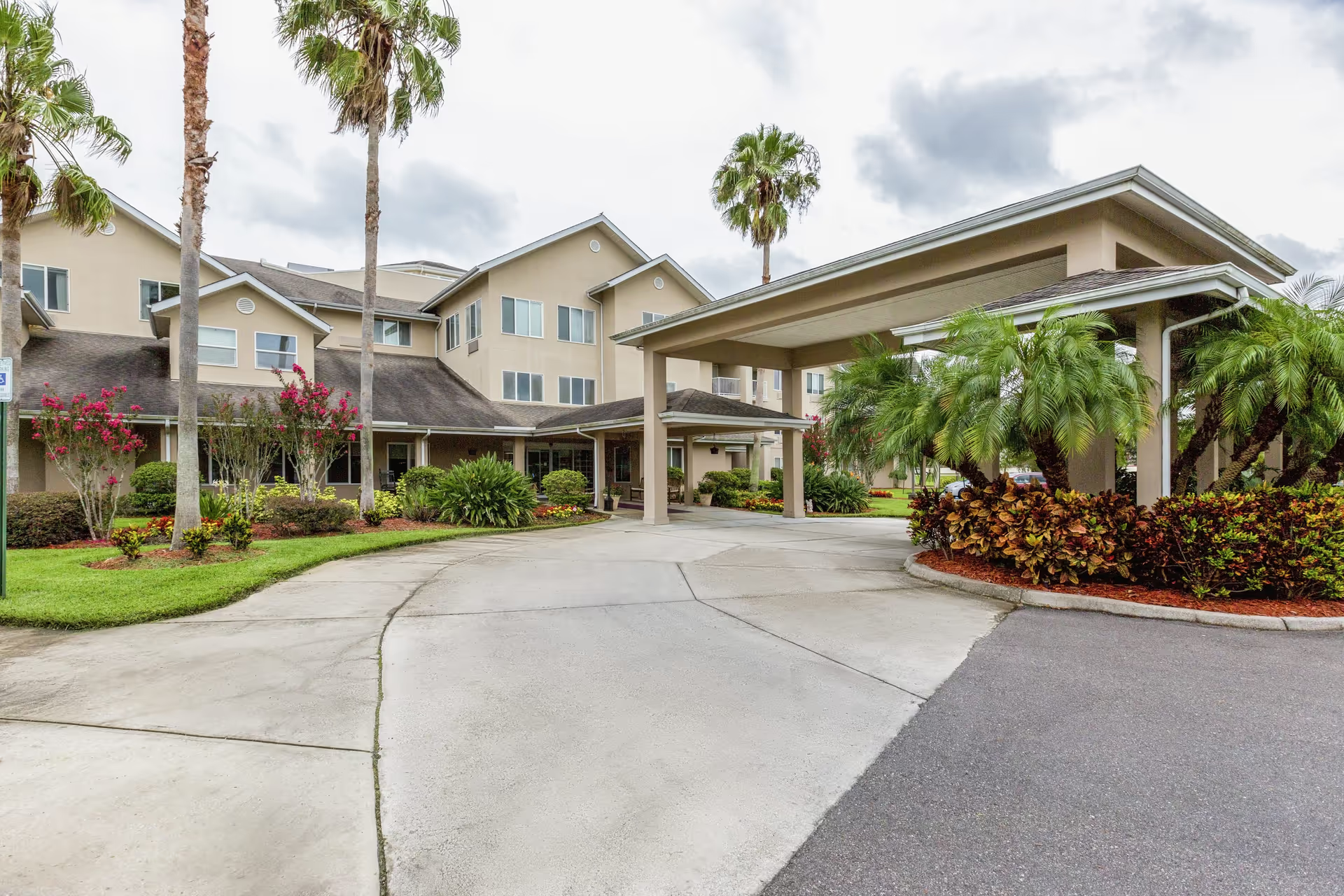
Reviewer feedback for Solaris HealthCare Plant City is strongly mixed, with clear strengths alongside recurrent operational concerns. Many families and residents praised the direct-care staff and therapy teams: physical, occupational and speech therapists are frequently described as effective, encouraging, and instrumental in successful discharges home. Several reviewers also highlighted attentive CNAs, a responsive discharge planner/social-work presence, and helpful admissions staff. At the facility level, common areas and exterior landscaping are noted as clean and well maintained, rooms in many units have modernized furniture, and laundry/housekeeping services are functioning. The activities program, including music and religious services, is consistently identified as a positive contributor to residents’ quality of life.
Care-quality experiences appear to vary by shift and unit. Positive accounts emphasize personalized attention, dignity and compassion from nursing and therapy teams; negative accounts describe delayed responses to call lights, slow toileting assistance, and lapses in timely medication delivery. Several reviewers described circumstances that raised concerns about how clinical incidents are handled and how families are notified, including post-incident communication and discharge coordination. These patterns suggest uneven adherence to staffing and response protocols across different shifts and wings.
Dining and nutrition receive mixed evaluations. Many reviewers compliment hot meals, portion sizes, and active dietitian involvement in adjusting resident menus. At the same time, there are concerns about inconsistent dietary choices and meal composition in relation to residents’ clinical needs (for example, carbohydrate-heavy options impacting blood glucose). Prospective families should discuss individualized meal planning and glycemic management with the clinical team.
The facility environment is generally described as clean and updated in several areas, but reviewers identify variability between wings. Noted facility-level issues include cabinetry, paint, carpeting and bathroom fixtures in some units, and room communication differences such as phones not being available in all wings or calls not consistently answered. Night-time care practices are another recurring theme: bright lights, unfamiliar overnight routines, and perceived disruptions to sleep were raised as concerns.
Management and administrative concerns emerge repeatedly and represent an important pattern to review during a visit. Positive comments cite helpful, communicative staff in admissions and discharge planning; contrasting accounts reference a variable leadership tone, confrontational interactions, and concerns about managerial follow-through. Financial and administrative issues are also prominent in the feedback: there are allegations related to billing practices, changes to overnight-stay policies, and claims about missing personal items. Infection-control and COVID-related practices were also questioned in several comments. Given the seriousness of some of these claims, families may wish to ask for written policies on billing, personal-property safeguards, infection control, and family communication protocols.
In summary, Solaris HealthCare Plant City demonstrates notable operational strengths—particularly in rehabilitation services, many aspects of direct care, and activities programming—alongside recurrent, facility-level weaknesses in staffing consistency, responsiveness, communication around clinical incidents, and administrative transparency. Prospective residents and families would be best served by an in-person tour (including a night-time visit if possible), direct questions about staffing ratios and after-hours response, review of dietary and medication-management protocols, and confirmation of written policies for billing and personal-property handling before admission.