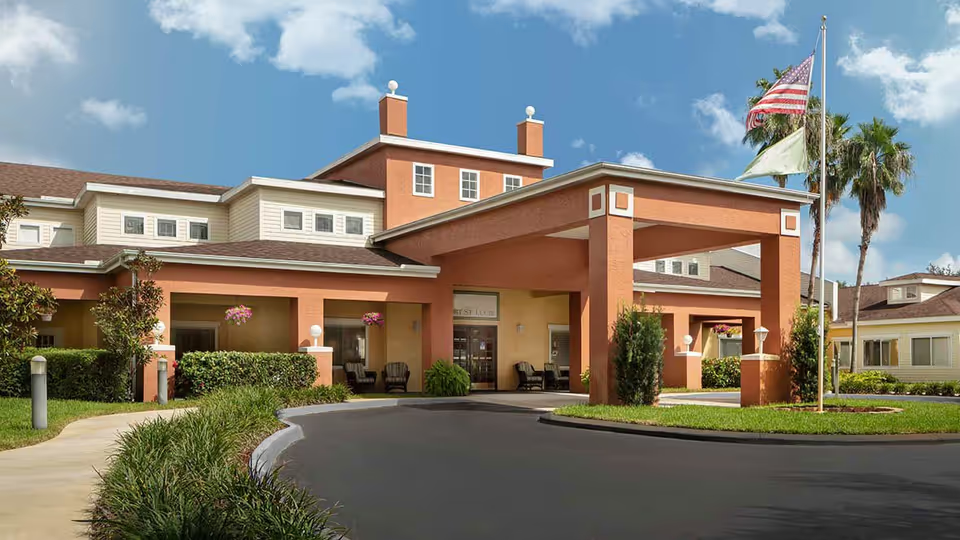
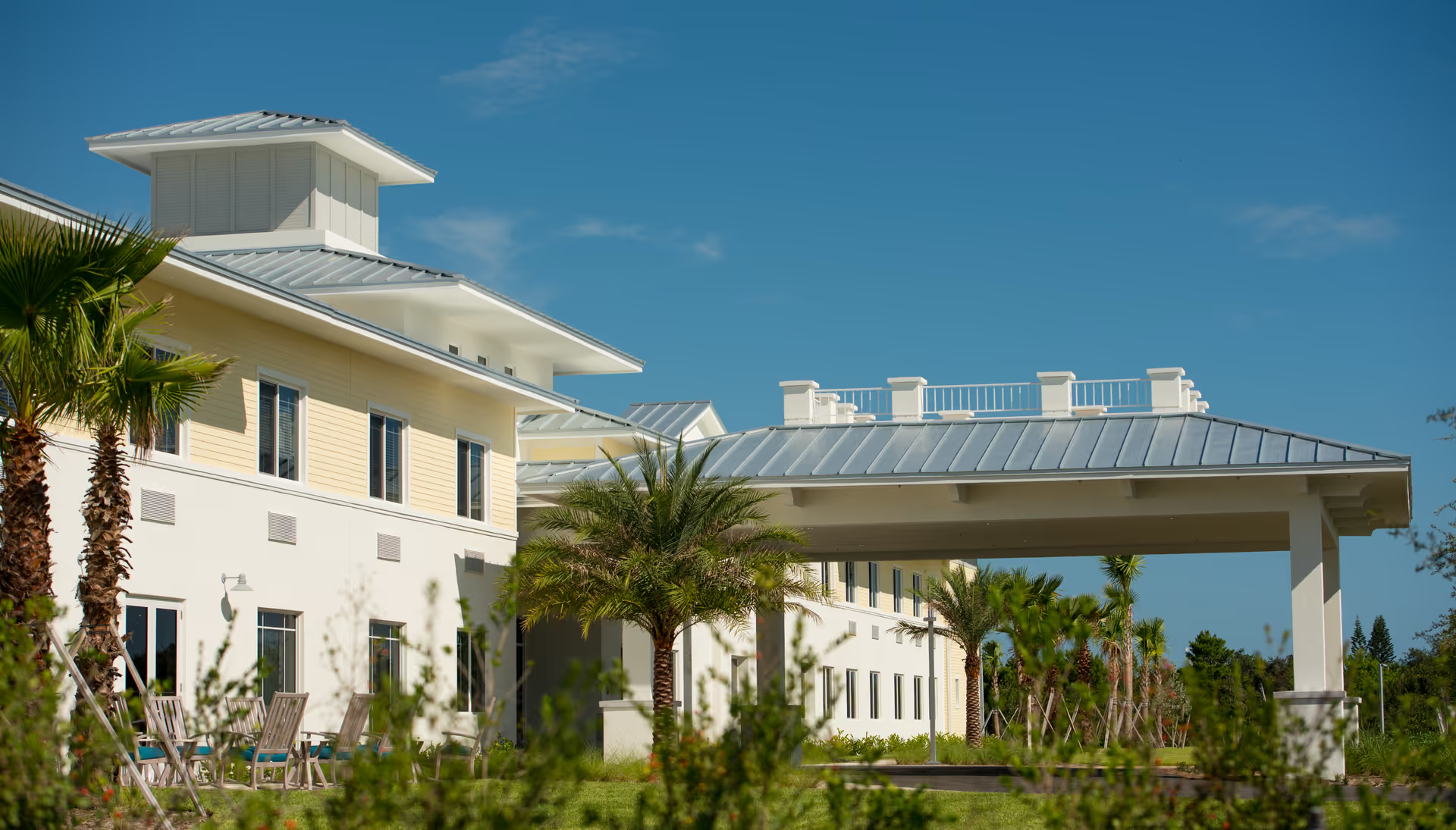
Palm Garden of Port St. Lucie elicits strongly polarized impressions. Many families and patients describe a very clean, well-maintained facility with welcoming common areas and efficient admission procedures. Executive leadership and specific administrators receive frequent praise for accessibility and coordination; housekeeping, environmental services, business office personnel, and social-service teams are commonly highlighted as strengths. The facility’s life-enrichment programming, activity staff, and several named therapists and therapy teams draw consistent commendation for engagement and measurable rehabilitation progress that, for many residents, supported discharge home.
Clinical care assessments are mixed. Numerous reviews praise compassionate nursing staff and dedicated CNAs and describe positive therapy outcomes. At the same time, reviewers describe variability in nursing performance and concerns about medication timing and administration controls. There are multiple accounts indicating inconsistent attention to hydration, incontinence care, and respiratory-equipment management; several families indicated prolonged waits for assistance or oxygen-related problems. Rehabilitation is frequently cited as a strength, but a subset of families reported low therapy intensity or limited rehabilitation availability, suggesting variability in therapy scheduling or delivery.
Operational and staffing patterns emerge as a recurring theme. Short staffing and uneven coverage across shifts correlate with reports of delayed responses to call bells, slow assistance for meals and toileting, and inconsistent follow-through on care plans. Reviewers also note variability in staff conduct and communication tone, and some describe language barriers that complicated exchanges. A number of reviews raise significant concerns about incident response and family notification—several reviewers described serious events, including emergency transfers and concerns following a resident's death, which point to gaps in incident escalation and family communication protocols.
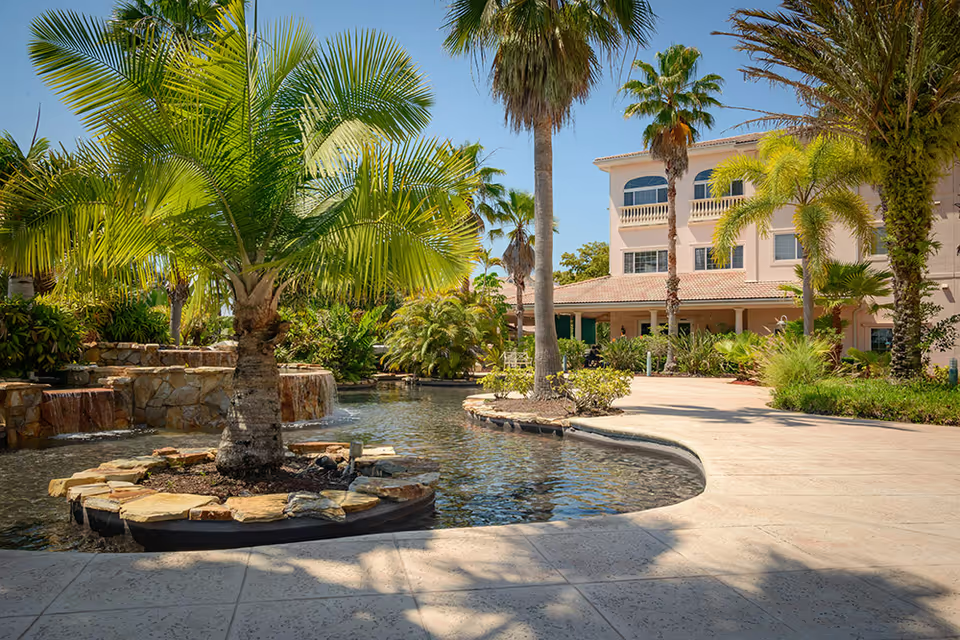
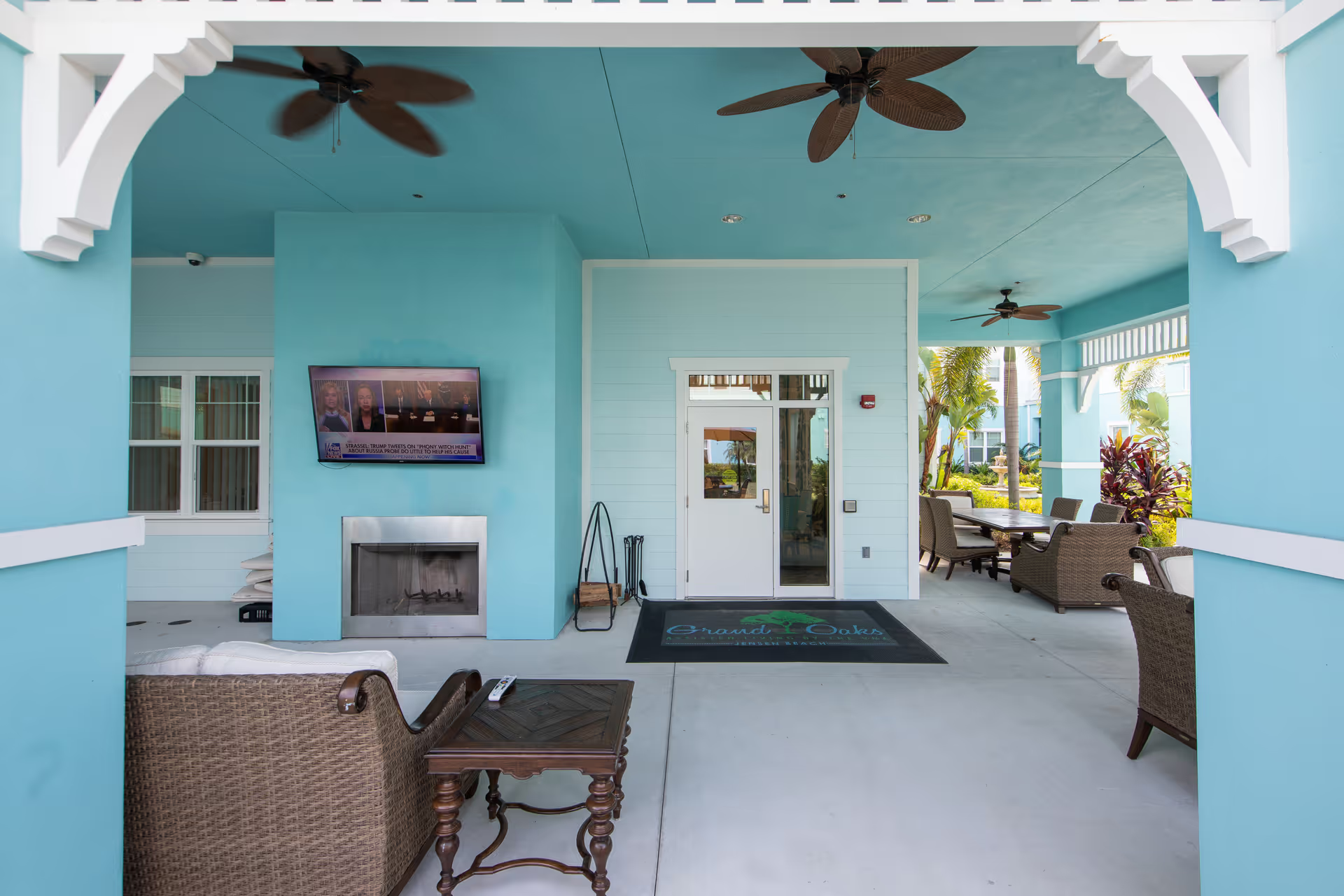
Dining feedback is mixed: some families praise appealing menus and a pleasant dining room, while others describe limited nutritious options and inconsistent meal quality, particularly with respect to heart-healthy choices. Facilities and amenities are widely regarded as attractive and well-maintained, with modern check-in technology and comfortable gathering spaces. Management is often credited with responsiveness and problem resolution, and several reviewers specifically cite individual administrators and staff as instrumental in positive experiences.
Notable patterns for prospective residents and families: the facility demonstrates clear strengths in cleanliness, environment, administrative coordination, activity programming, and many aspects of rehab and nursing care. However, there is consistent evidence of operational variability—staffing levels, responsiveness, clinical-monitoring practices, medication administration timing, and family communication are areas of concern. When evaluating the facility, families may wish to ask about current staffing ratios, fall-prevention processes, medication-administration safeguards, respiratory-equipment protocols, how the facility communicates urgent events to families, and the expected frequency/intensity of therapy services. A tour that includes conversations with nursing leadership, therapy staff, and social services can help assess consistency of care for an individual resident’s needs.