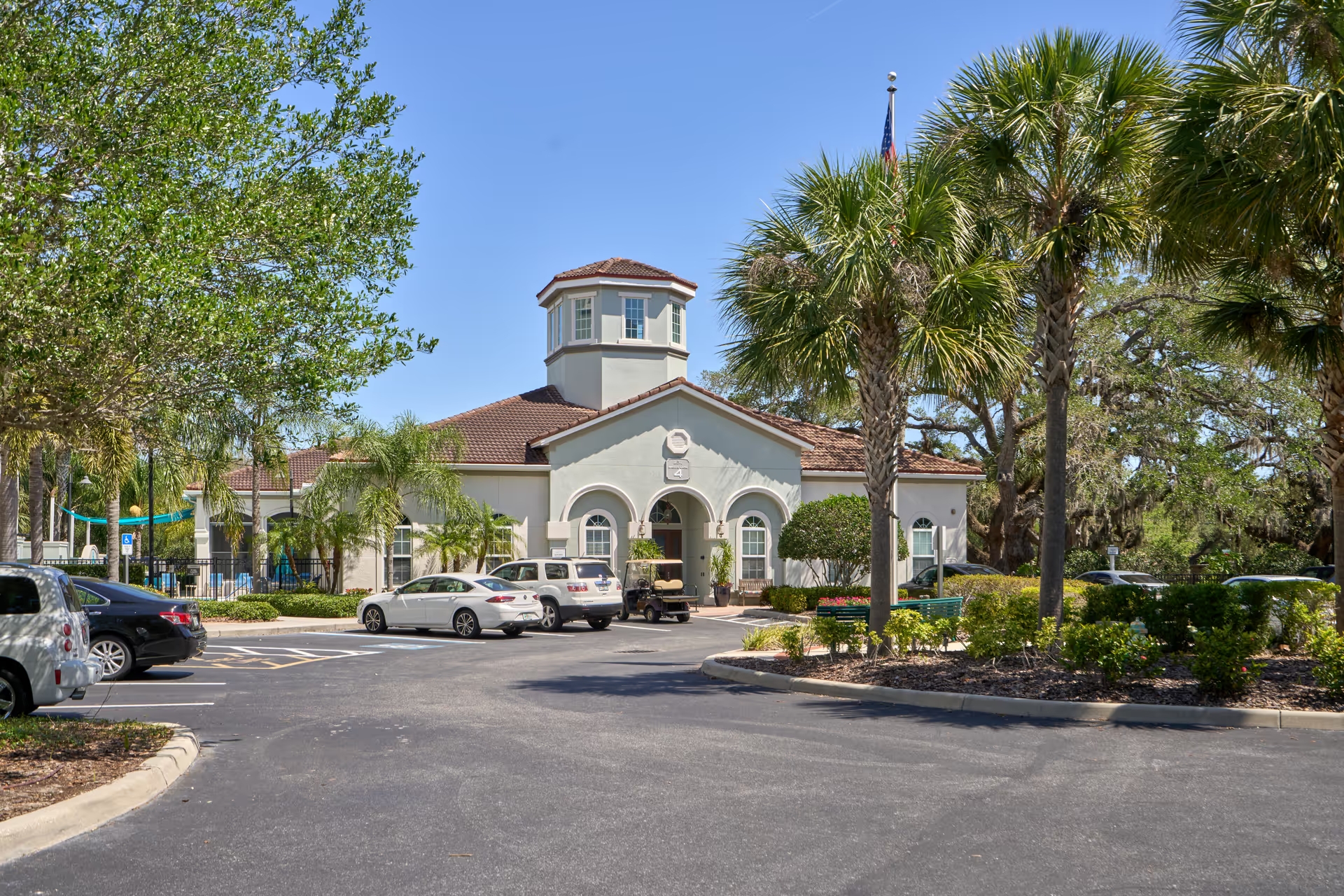
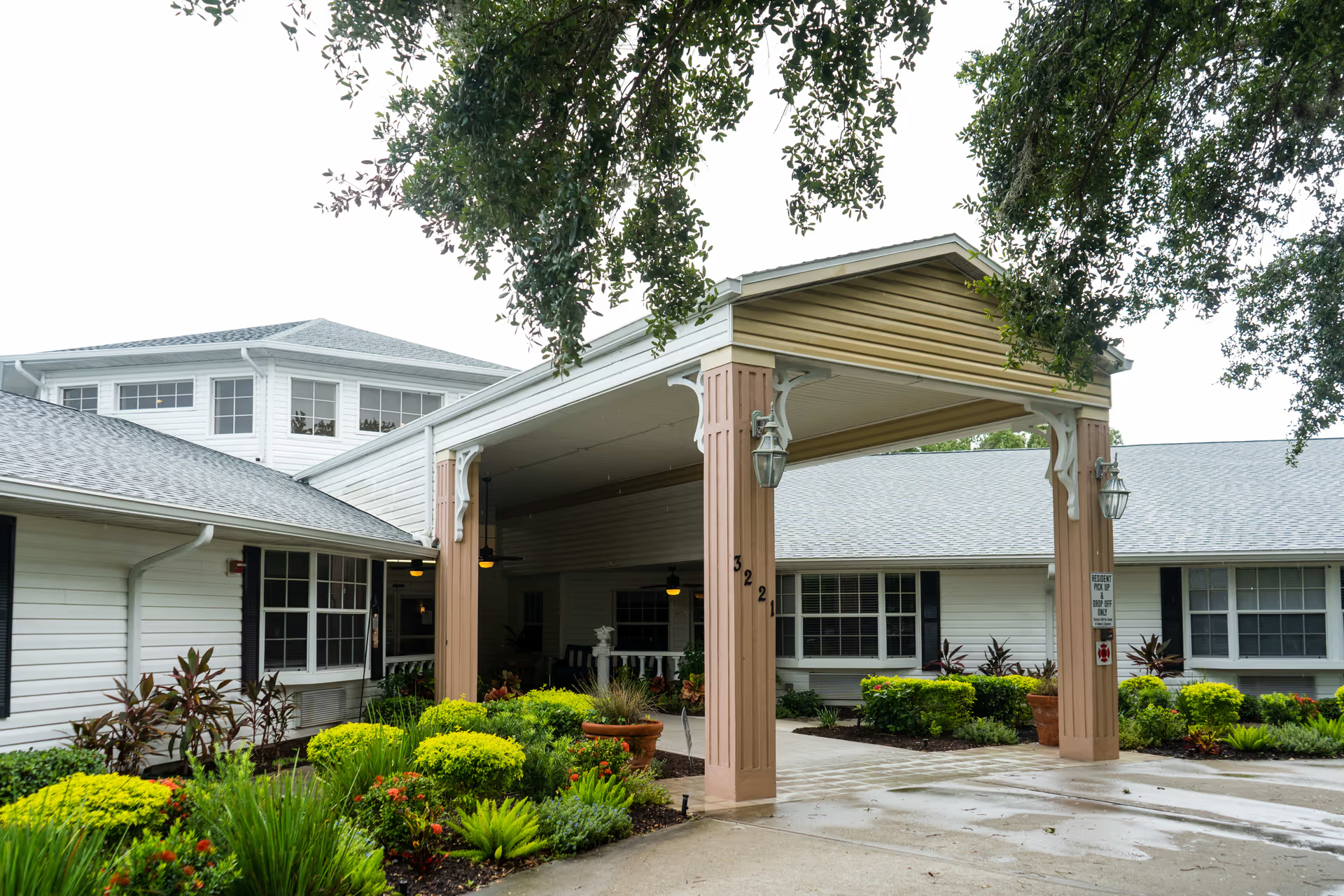
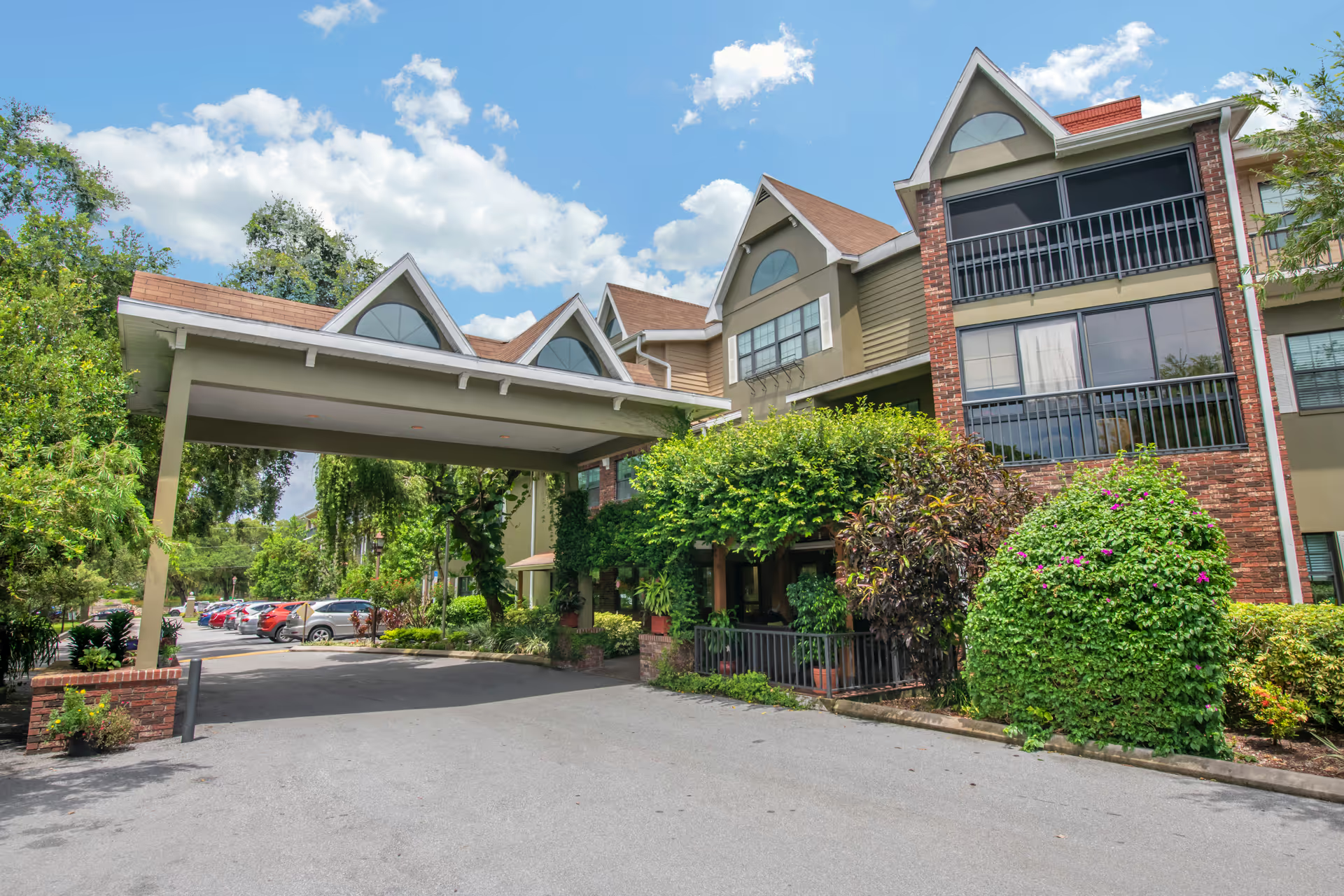
Aspire at Beneva elicits a strongly mixed set of impressions. Positive accounts emphasize direct-care strengths: many families and residents describe attentive, compassionate CNAs and nurses, responsive therapy staff, and personable admissions and activities staff who create a welcoming atmosphere. The facility offers on-site therapy services, a restaurant-style dining room, salon services, and an activity program that includes bingo, word games and social events; outdoor courtyards and refreshed common areas also receive favorable mention. Several reviewers noted well-maintained, newly painted or carpeted rooms and functional amenities that can support short-term rehabilitation and some forms of assisted living.
At the same time, a recurring cluster of operational weaknesses emerges. Management communication and follow-through are described as inconsistent: examples include delayed callbacks, contradictory information from administration, and difficulty obtaining clear answers about care plans and eligibility. Related to that are concerns about billing transparency — nonrefundable community fees, unexpected charges, and contract terms that families characterize as confusing or unfavorable. These issues suggest the need for clearer contract disclosure and consistent administrative practices.
Care delivery and facility maintenance show variability across accounts. While many reviewers praise individual staff members and therapy outcomes, other accounts describe lapses in responsiveness (long waits for assistance, difficulty locating staff), gaps in medication-management and clinical oversight (medication handling and hypoglycemia incidents), and sanitation or maintenance shortcomings (bathroom leaks, mold or roof concerns, spotty housekeeping). These themes point to uneven operational controls: strengths in individual caregiver performance can coexist with systemic issues in staffing consistency, cleaning protocols, and building maintenance.
Dining and engagement outcomes are similarly mixed. The dining room and some meal items receive positive comments, but multiple reviewers describe inconsistent food quality, service interruptions, shortages, or long waits; changes to meal service structure (two sittings, pre-ordering) have been implemented in response to capacity pressures. Activity programming is meaningful for many residents — with active event coordination reported — yet other residents, especially those with cognitive impairment, are described as under-engaged or receiving limited out-of-chair time, indicating uneven accommodation for higher-need populations.
Notable patterns for prospective residents and families: there is a clear polarization between strong praise for frontline staff and therapy services and consistent concerns about unit-level operations (management communication, billing transparency, sanitation/maintenance, and staffing reliability). A limited number of serious allegations were raised concerning end-of-life care and billing practices; these items merit direct discussion with facility leadership and review of contract terms and clinical oversight procedures during any tour. Visitors should prioritize a walk-through that checks current cleanliness and maintenance, requests written fee schedules and therapy plans, and speaks with both management and front-line caregivers to gauge responsiveness and consistency before making placement decisions.