Overall impression: Reviews show a facility with notable strengths in staff warmth, leadership involvement, social programming, and apartment-style living. Many families and residents praise caring direct caregivers, executive directors and transition coordinators who facilitate smooth moves, and activity staff who provide a varied calendar that includes music, exercise, outings, and seasonal events. The community is often described as home-like with private rooms, pleasant grounds, on-site salon services, therapy resources, and transportation for appointments.
Care quality and staff: Caregiving staff receive frequent positive mention for compassion, individualized attention, and familiarity with residents’ names. Several accounts highlight proactive clinical coordination with physicians and therapists and reliable medication management. At the same time, there is a clear pattern of variability in staff consistency — particularly night coverage and the quality of certain aides — and periodic turnover. That variability translates into uneven experiences: while many residents receive attentive one-on-one care, others experienced delays in basic services or uneven hygiene/laundry follow-through. Prospective families should ask about staffing ratios, night staffing plans, and staff tenure when evaluating care reliability.
Dining and activities: Dining is a strong selling point for many reviewers — multiple comments note varied menus, plentiful options, and meals that appeal to older palates. However, dining quality and dietary accommodation are not universally consistent; some families described unappealing meals or limited menu adjustments. The activities program is robust in the assisted-living portion, with music, games, outings, and social clubs reported as strengths. Memory-care programming appears more limited in scope and consistency; some memory-unit residents benefit from engagement, while others experience fewer organized activities. Confirm program schedules and memory-unit activities during a visit.
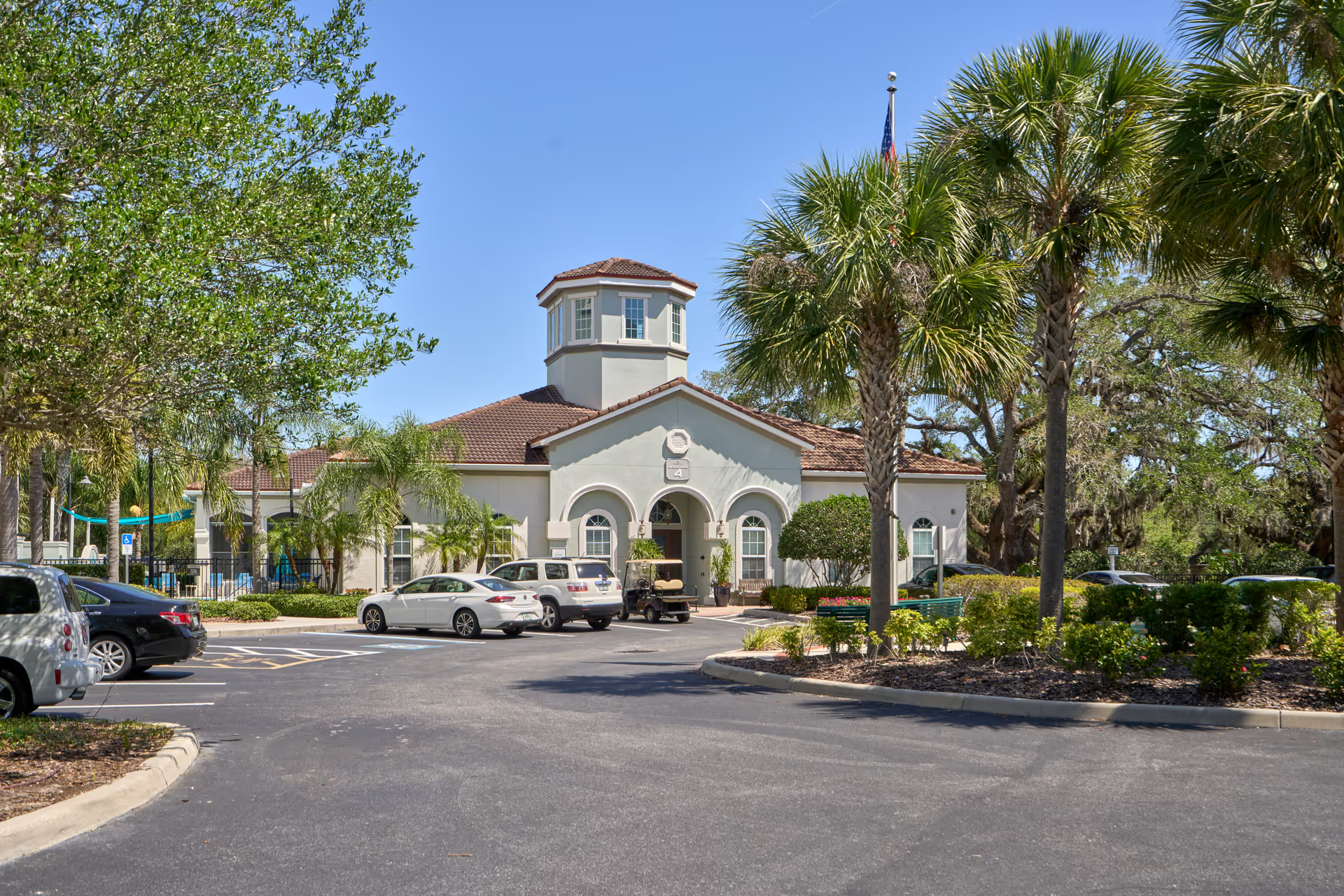
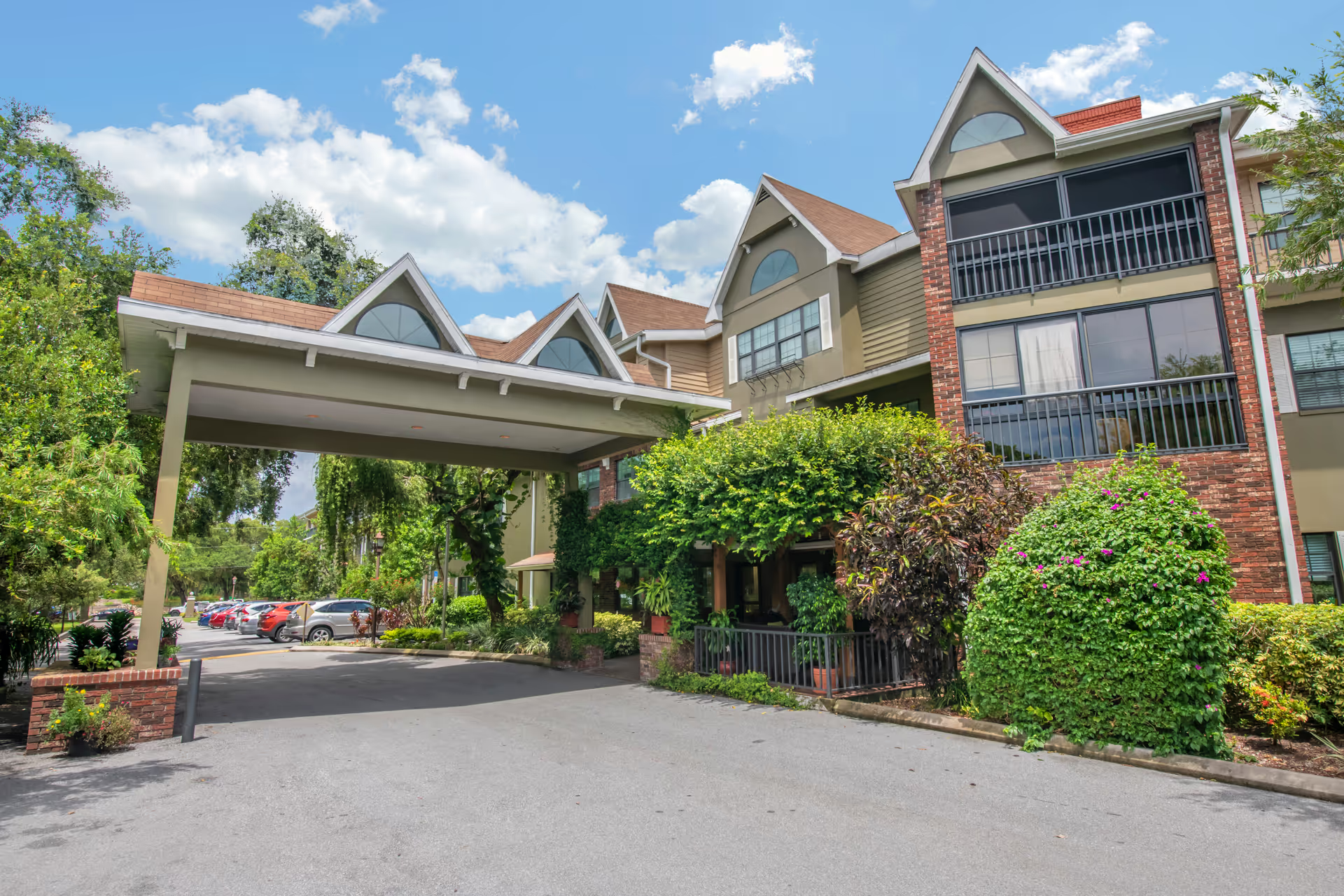
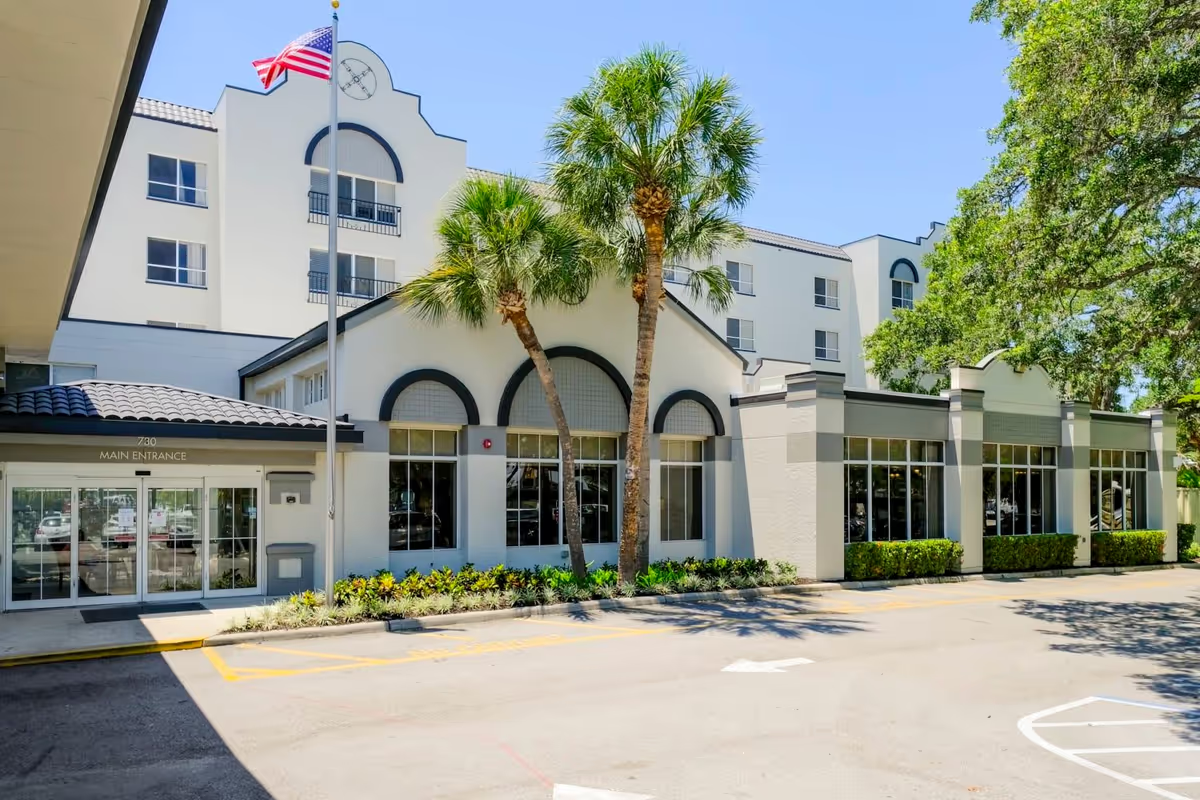
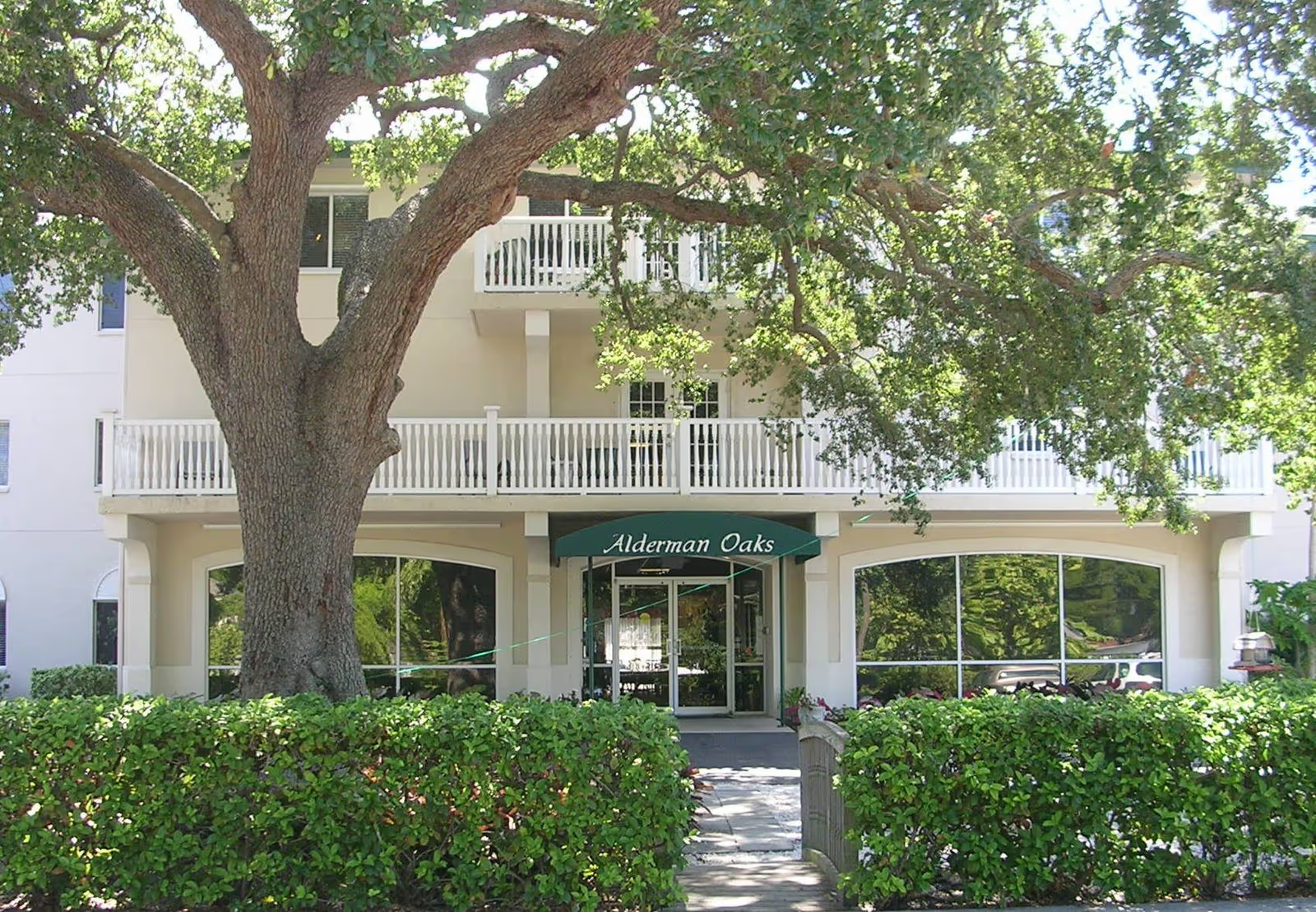
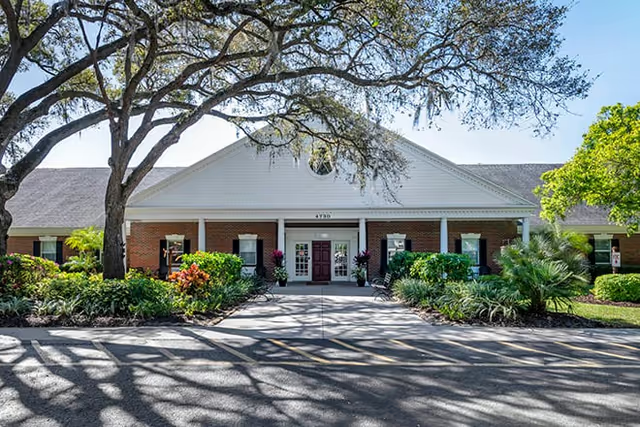
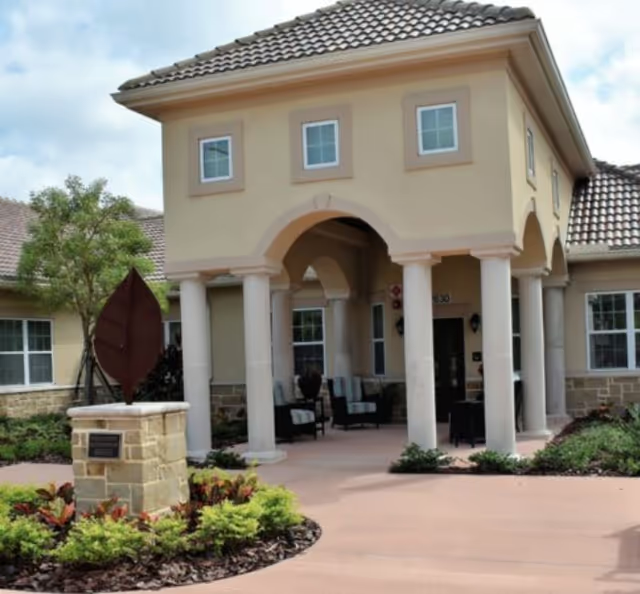
Facilities and maintenance: The campus and rooms are often described as clean, bright, and welcoming, with attractive common areas and a courtyard. Conversely, several reviews cite sanitation and odor concerns in specific common areas or unit-level cleanliness lapses, and there are repeated notes about inconsistent laundry service and occasional missing personal items. The building includes older sections with accessibility constraints (small bathrooms, tight wheelchair turning space) and some maintenance needs (outdoor cleaning, repairs). Security and exit-control at the front entrance have been raised as a safety consideration; verify door-locking and monitoring procedures.
Management, communication, and operations: Leadership and some department heads receive strong praise for communication, compassion, and hands-on involvement. Nevertheless, there are recurring operational issues: families report gaps in day-to-day communication, the absence of a dedicated single-point contact, billing or charge-clarity problems, and variability in the admissions/sales experience. A few reviews note concerns about clinical responsiveness and care transitions (e.g., timeliness of hospital transfers). Prospective residents should request clarity on billing line items, the designated family contact, incident-reporting procedures, and protocols for clinical escalation.
Notable patterns and guidance for families: The dominant positive theme is a caring staff and a social, home-like community with good amenities. The dominant negative themes are operational consistency — sanitation, laundry, staffing, memory-care programming, and communication. When considering this facility, visit multiple times (including evenings), meet direct-care staff, tour the memory unit, ask for the staffing schedule, review cleaning and laundry protocols, clarify extra charges, and observe meal service. These steps will help determine whether the facility’s strong relational culture aligns with the operational consistency you require.