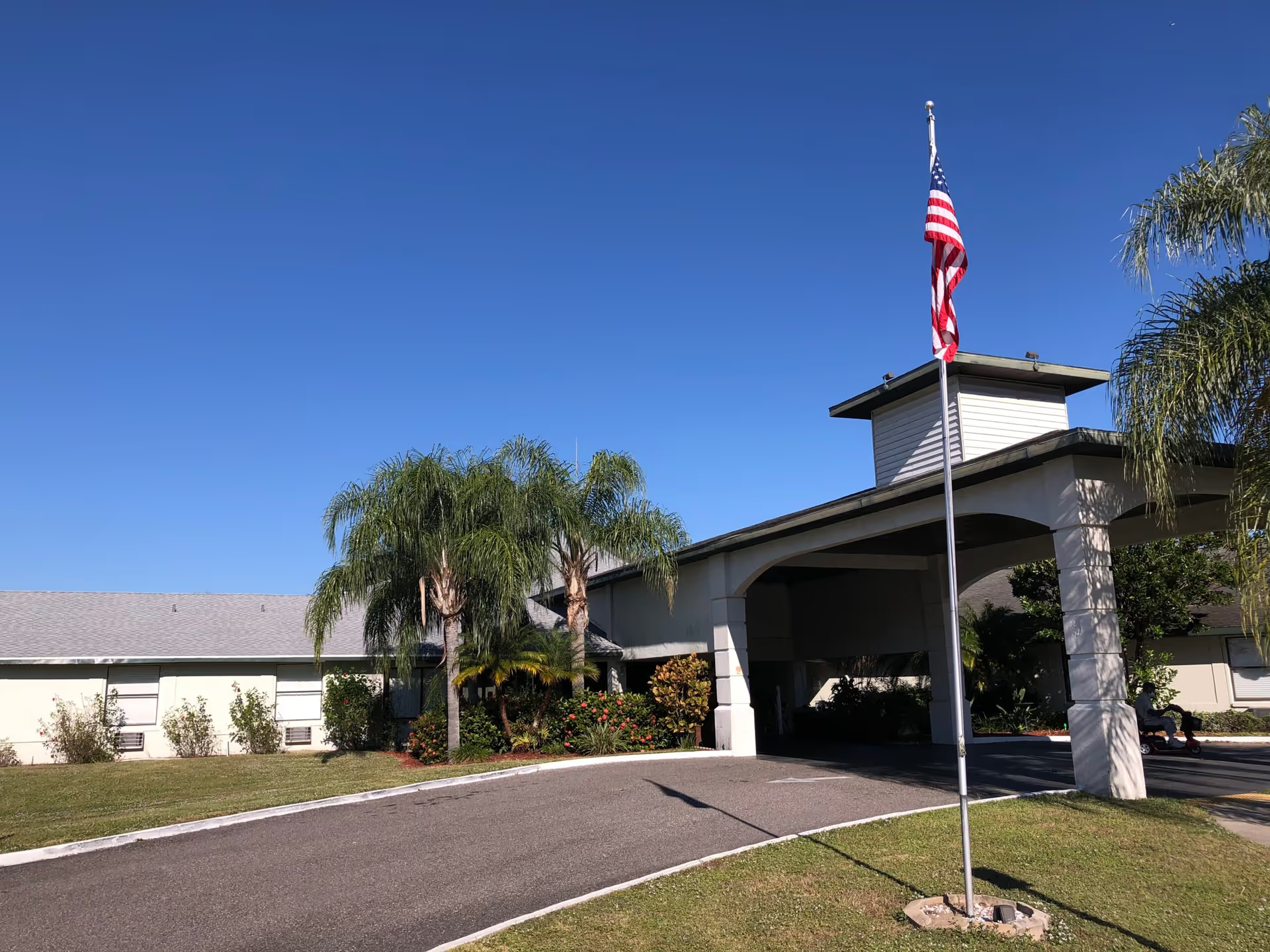
Reviews for Family Extended Care of Sebring present a mixed but informative picture for prospective residents and families. Positive feedback centers on a number of enduring strengths: recently remodeled common areas, a secure and well-regarded memory-care unit, attractive outdoor spaces including a central courtyard and gardens, and generally clean and well-maintained interior areas. Many families emphasize compassionate caregiving, responsive maintenance and housekeeping, accessible nursing and administrative leadership, and coordination with hospice and end-of-life needs. Dining is frequently described as a strength, with varied menus and an attentive kitchen team.
Care and staffing are prominent themes with both praise and concern. Numerous accounts describe respectful, compassionate direct-care staff and individualized attention in the memory-care unit; leadership responsiveness is also noted by families who felt concerns were addressed promptly. Counterbalancing those reports are recurring operational issues: high staff turnover and periodic staffing shortages, and instances suggesting inconsistencies in clinical processes such as medication timing and treatment follow-through. These patterns appear to contribute to variability in day-to-day care reliability.
Facility condition and programming show clear variability. Some areas have been freshly renovated, with spacious rooms, high ceilings, and pleasant dining and social spaces; other areas and individual rooms are described as older or in need of deeper cleaning and repair. Activity programming is robust in many accounts — bingo, movies, spiritual activities, social events, and active recreation directors are cited — but activity availability and visibility of residents can be uneven between units. The memory-care program is consistently identified as a strength, with secure outdoor space and hourly checks in place.
Communication and resident access merit attention. Positive notes include family-friendly visitation practices, open admission staff during tours, and active family involvement. However, some families report inconsistent communication and administrative follow-through. Technology and phone access are restricted in some areas: internet service is limited and some units lack easy access to portable phone options, which can impede regular contact for less-mobile residents. Layout and service practices that require residents to ambulate to central points for phone or staff contact may reduce suitability for non-ambulatory residents.
Notable patterns for decision-making: experiences are polarized — many families report high satisfaction with care, cleanliness, activities, and food, while other accounts identify operational weaknesses that materially affect trust (staffing instability, intermittent lapses in clinical or property-accountability controls, and variation in unit cleanliness). Prospective residents and families should arrange detailed, unit-specific tours, ask about current staffing ratios and medication-management protocols, verify technology/communication options for their needs, and review how the facility secures and documents resident belongings and incident follow-up.