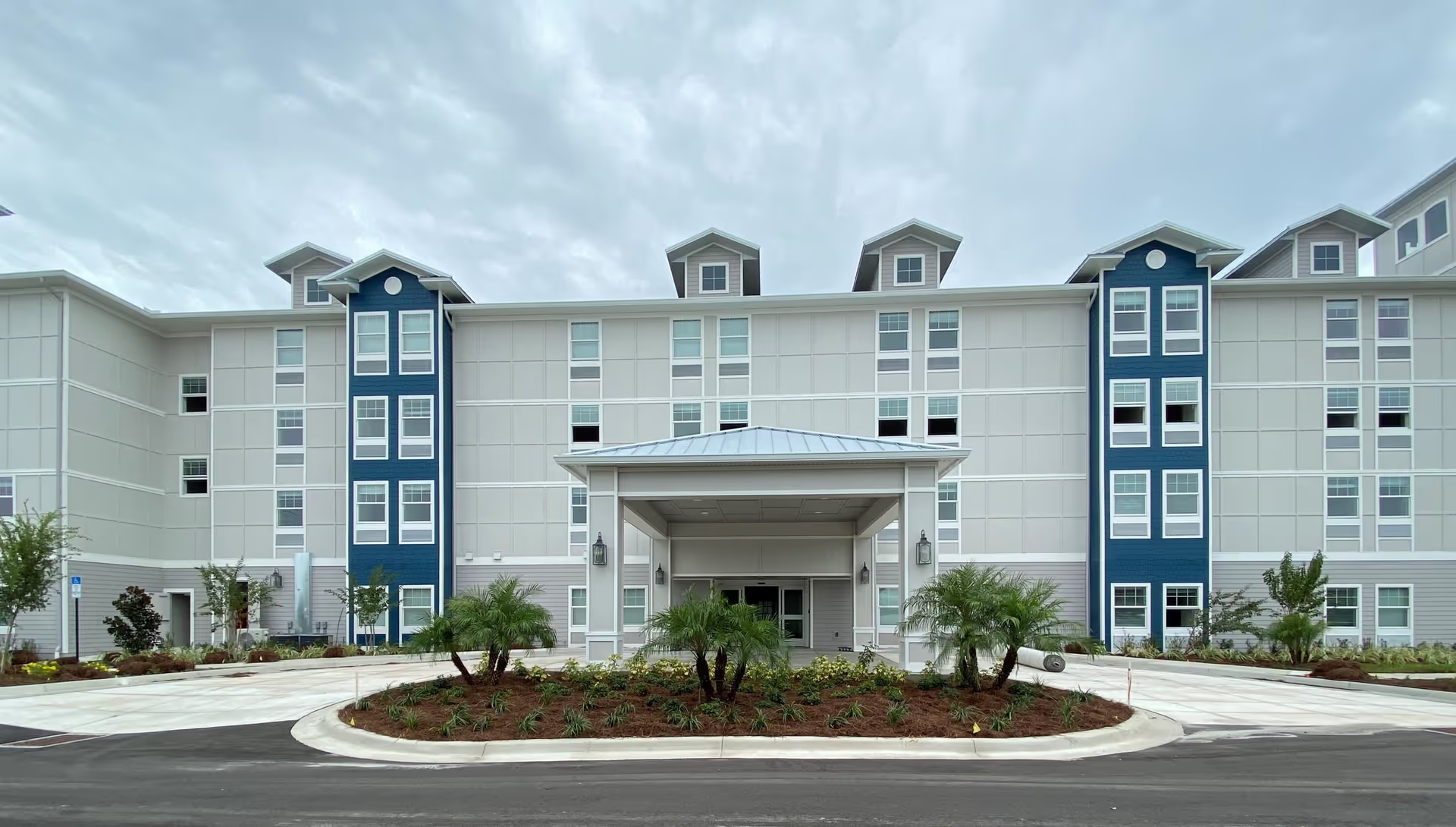
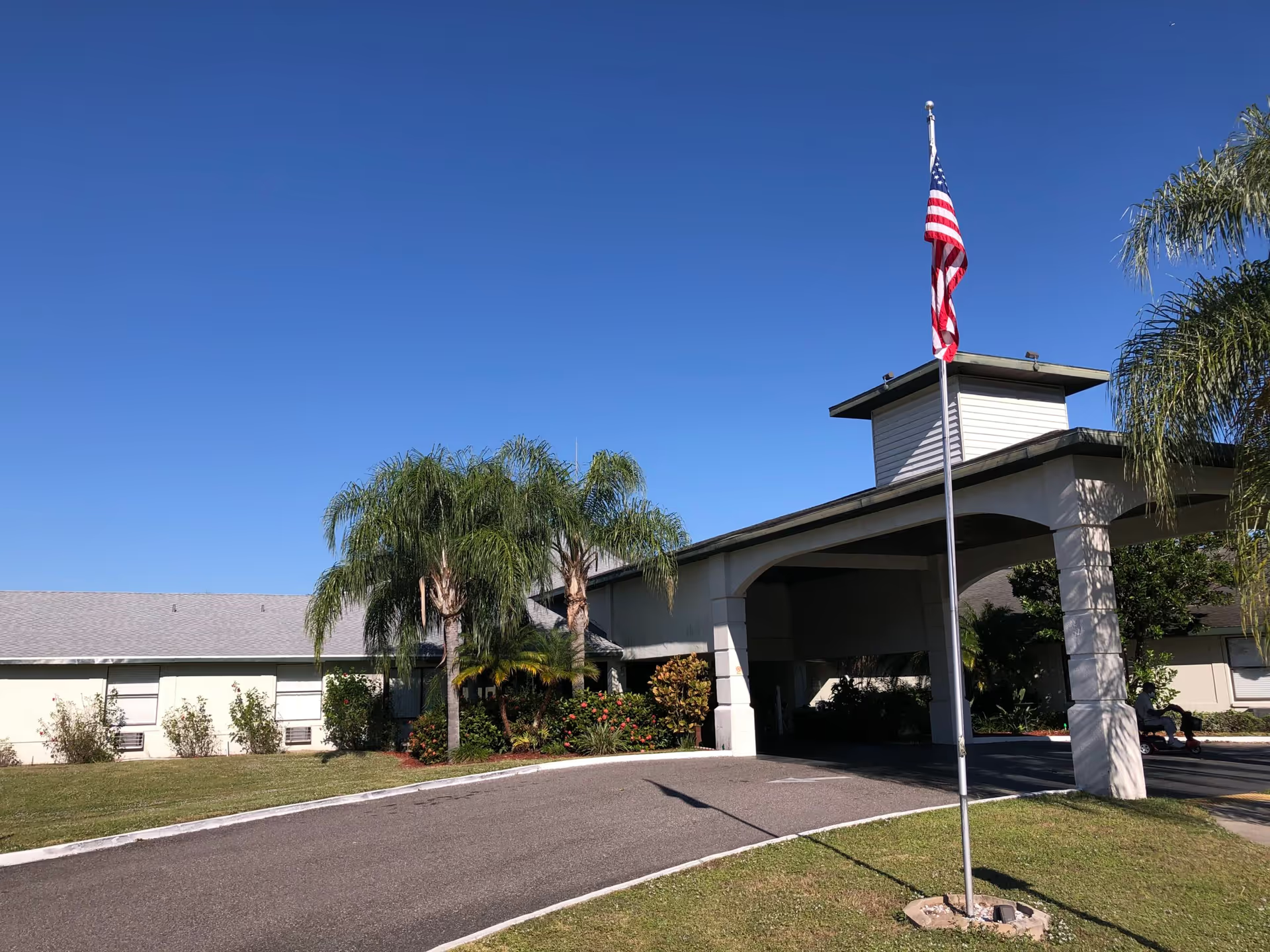
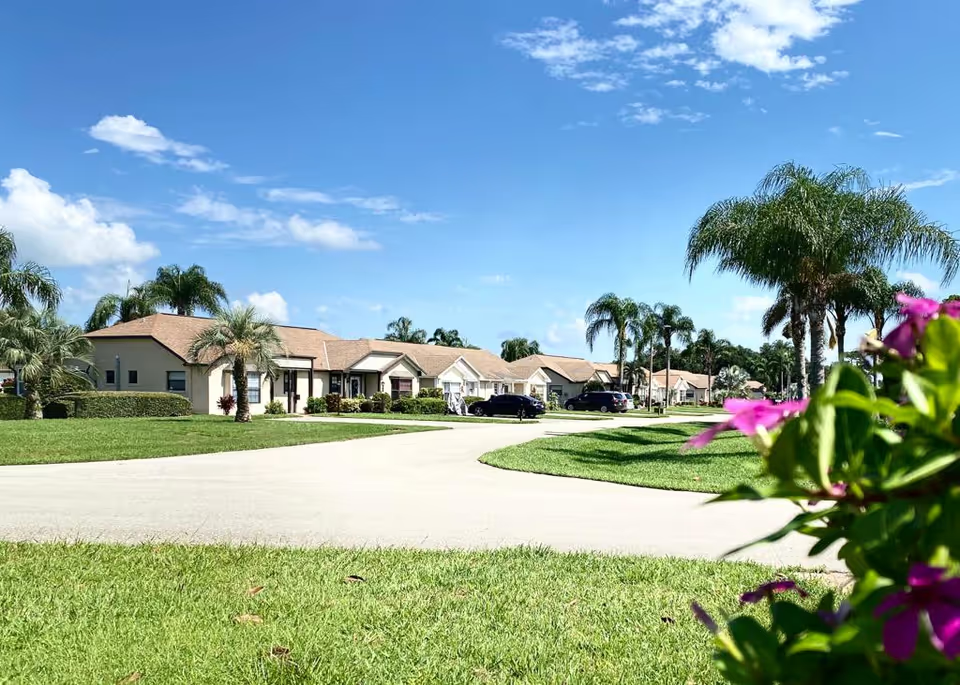
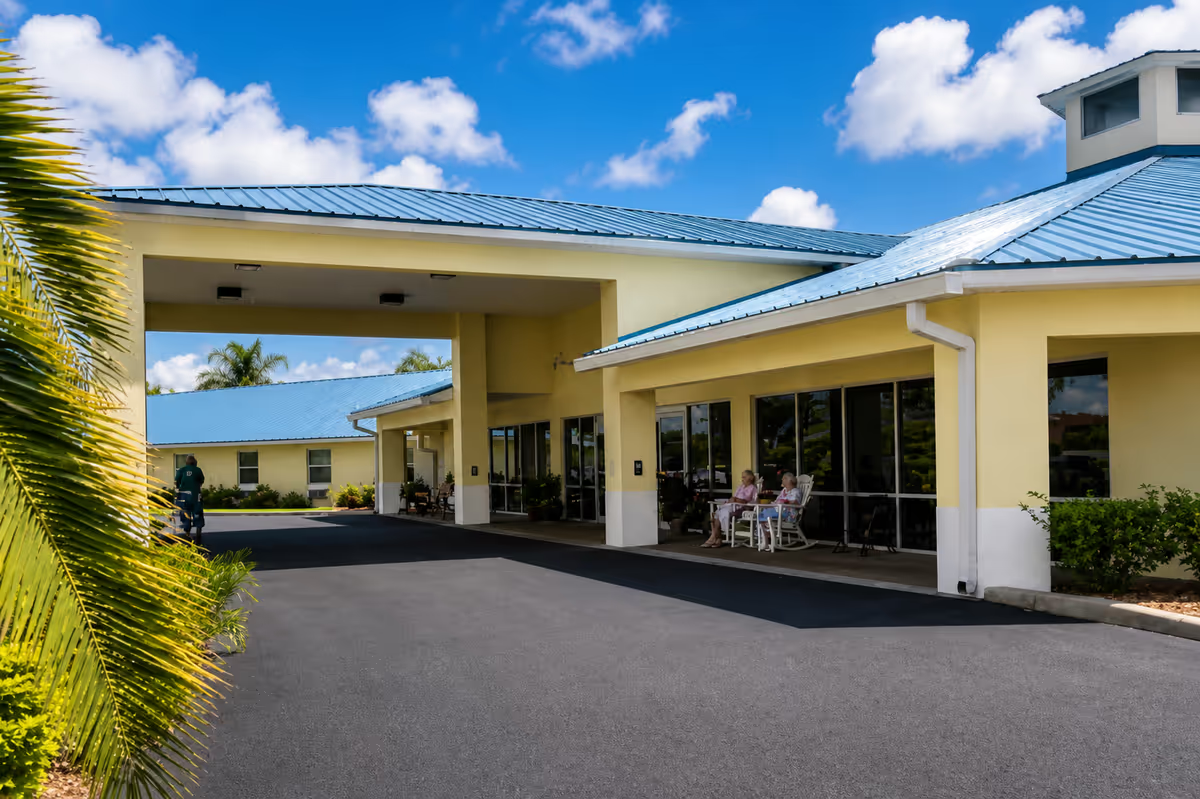
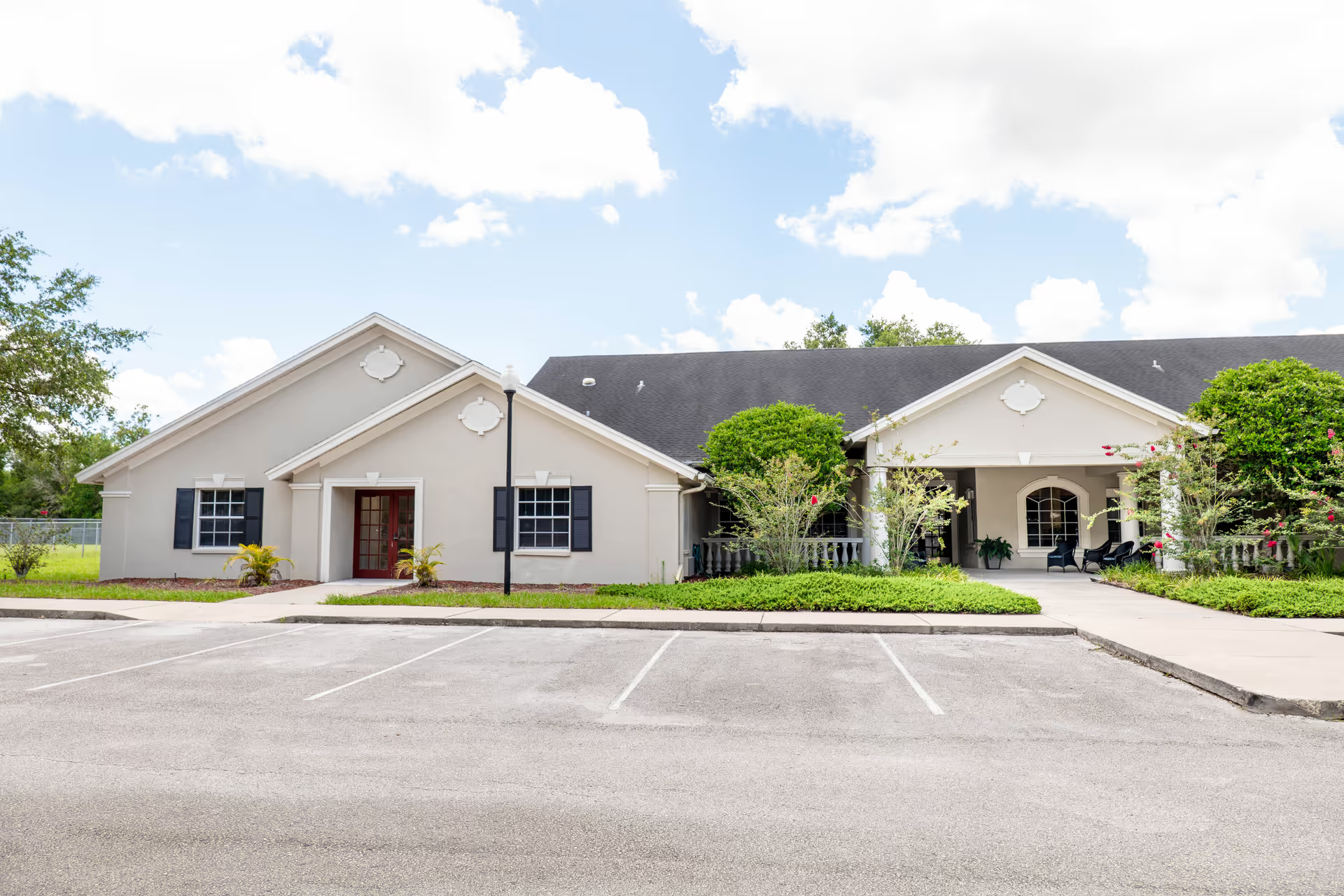
The review corpus presents a mixed picture in which experiential strengths coexist with operational weaknesses. Positive accounts emphasize warm, compassionate staff, individualized care plans, and a home-like physical environment with clean common areas and comfortable resident accommodations. Daily programming and social activities are described as engaging, and home-style meals are cited as a particular strength by some families. These elements contribute to an overall sense of dignity and respect in many of the favorable assessments.
Care quality and staffing are focal points of the divergence. On the positive side, caregivers are described as compassionate and attentive, and there is evidence of effort to provide personalized care planning. However, recurring concerns indicate chronic understaffing and high staff workload that can limit the time available for individual residents. Reviewers cite delays in attending to resident needs and variability in clinical responsiveness; these suggest gaps in staffing models and clinical oversight that could affect consistency of care.
Dining and activities show similar bifurcation. Home-cooked meals and a variety of daily activities are frequently praised, contributing to residents' quality of life when these services are functioning well. Contrasting accounts describe inconsistent meal quality or service problems, which points to uneven implementation of dining operations. Activities are generally viewed positively, but their frequency and staffing support may be sensitive to the overall staffing levels.
Facility condition and management are other areas of contrast. The facility’s home-like design and periods of good upkeep are noted, yet multiple comments point to deferred maintenance and upkeep gaps consistent with limited capital investment. Reviewers also raise concerns about constrained operating budgets, low occupancy levels, and management practices that may fall short of industry expectations. Together these factors create financial and operational pressures that likely contribute to inconsistent service delivery.
Overall pattern: there is a clear split between experiences emphasizing compassionate, dignified care in a homelike setting and experiences highlighting systemic operational challenges tied to staffing, funding, and management. Prospective residents and families should prioritize in-person visits, ask for current staffing ratios and turnover metrics, review recent maintenance and capital plans, sample or review menus and meal-service processes, and inquire about clinical oversight and response protocols. Comparing current occupancy and financial stability indicators with alternative providers may also be useful when evaluating long-term suitability.