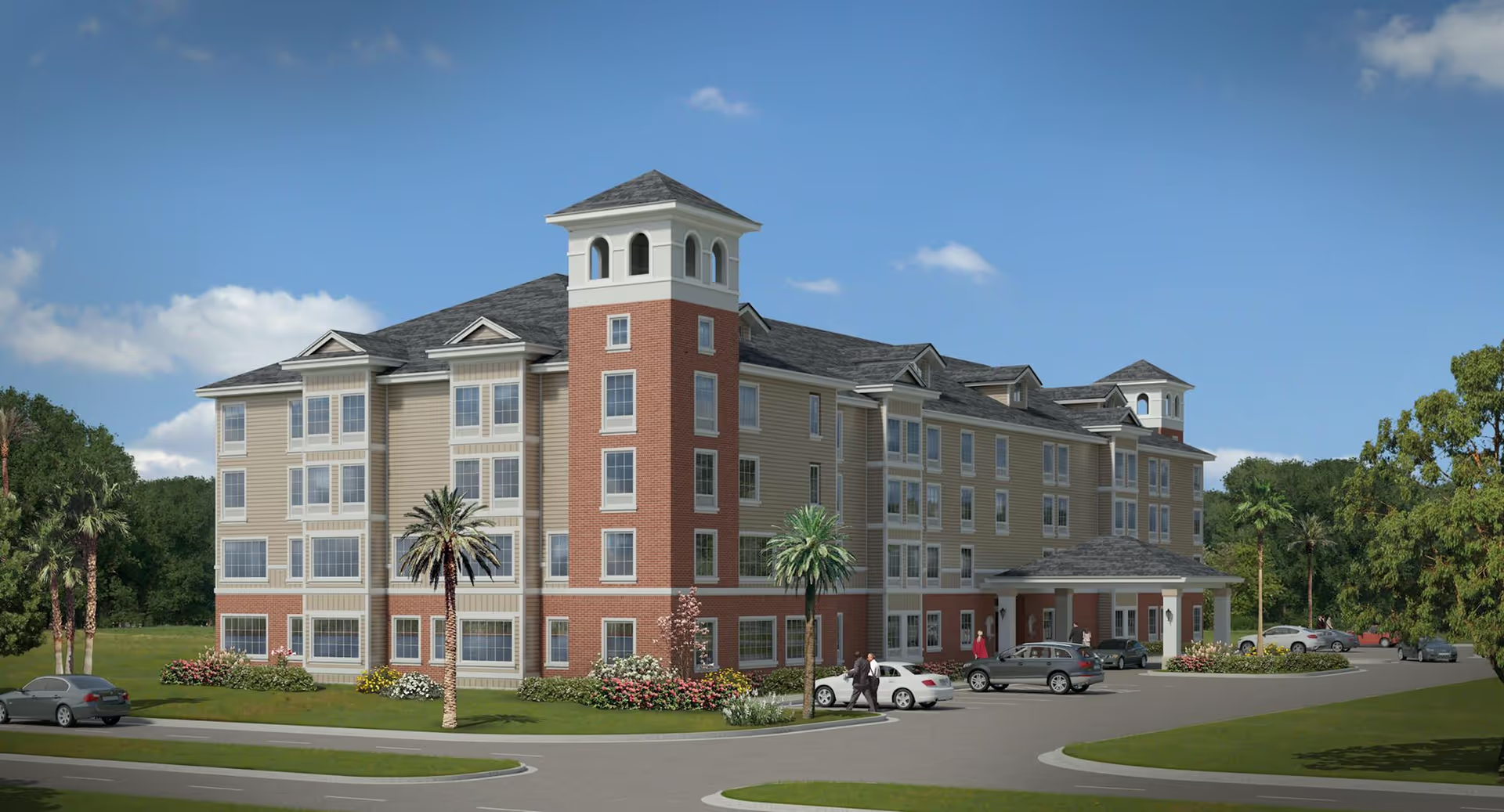
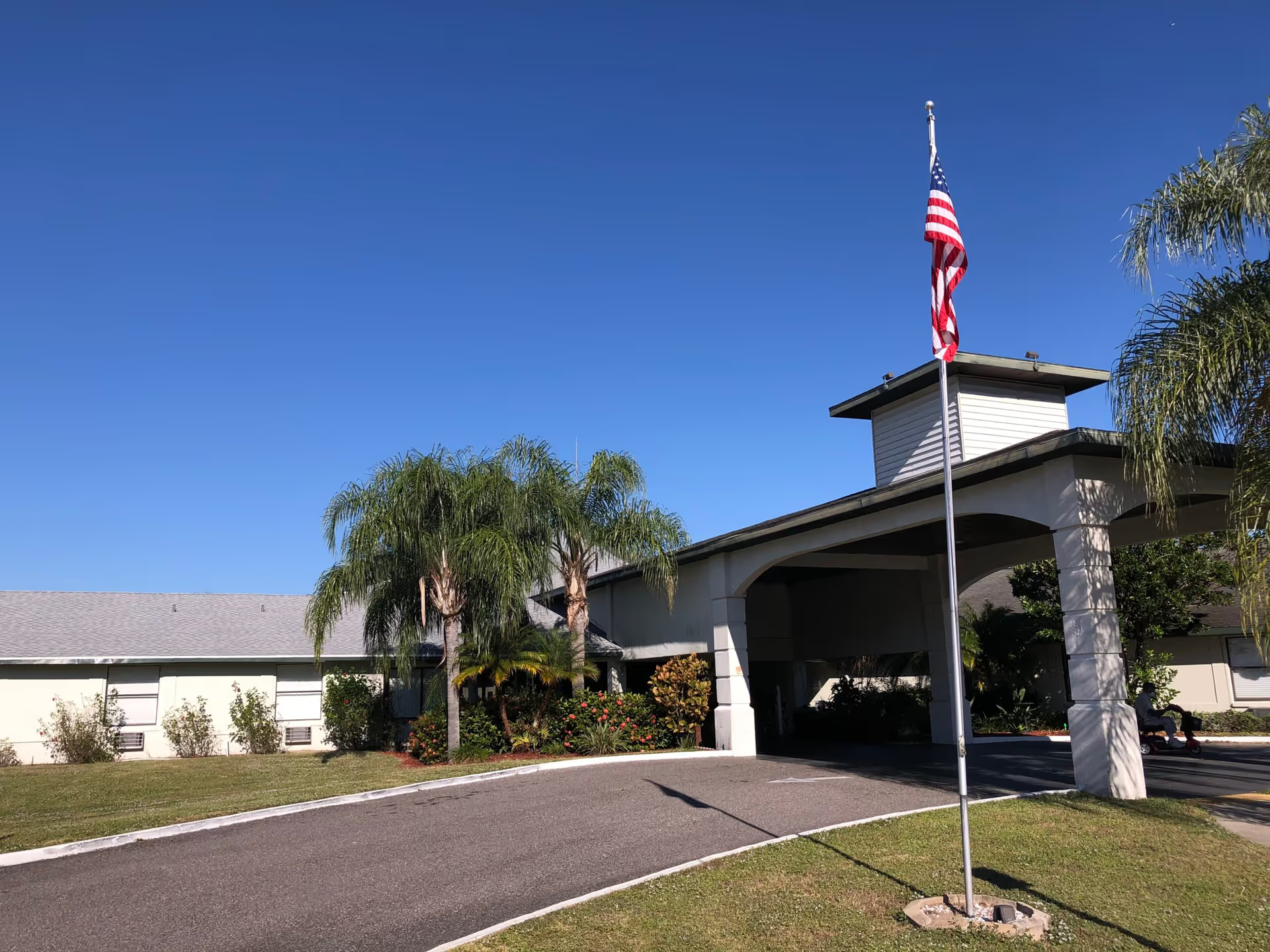
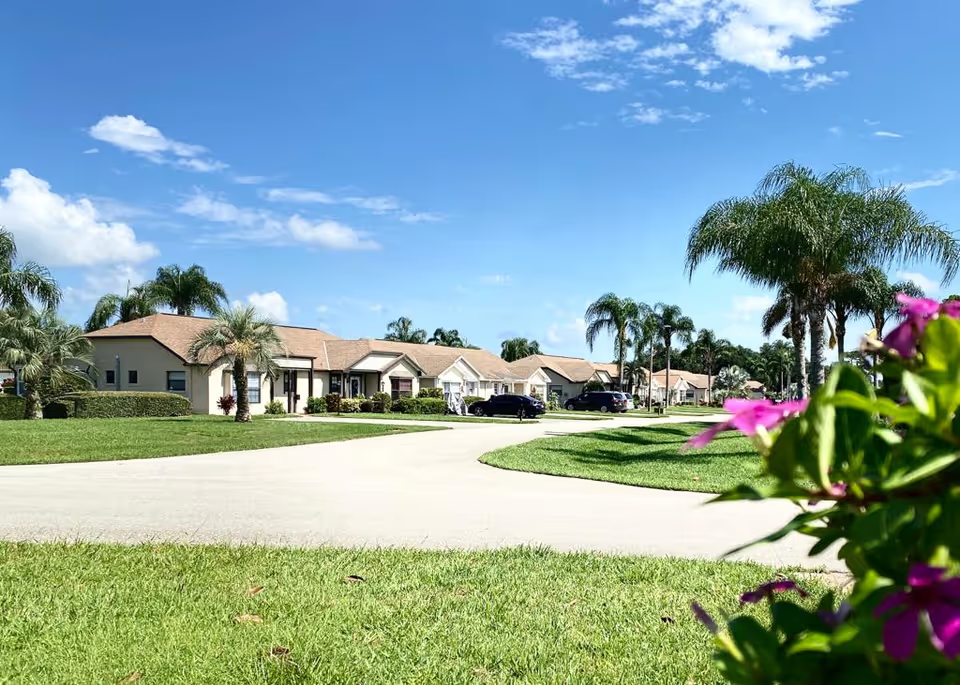
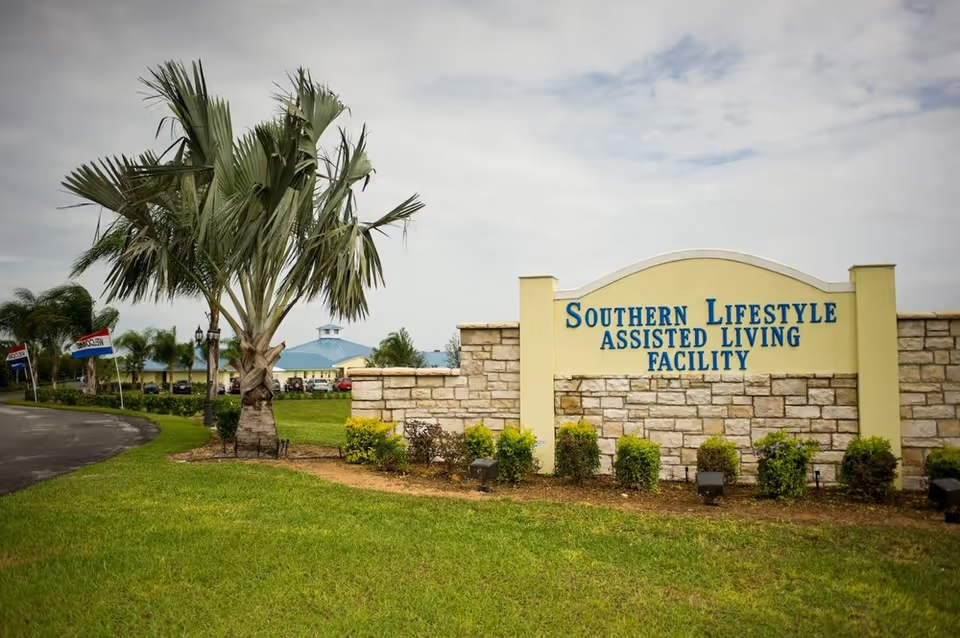
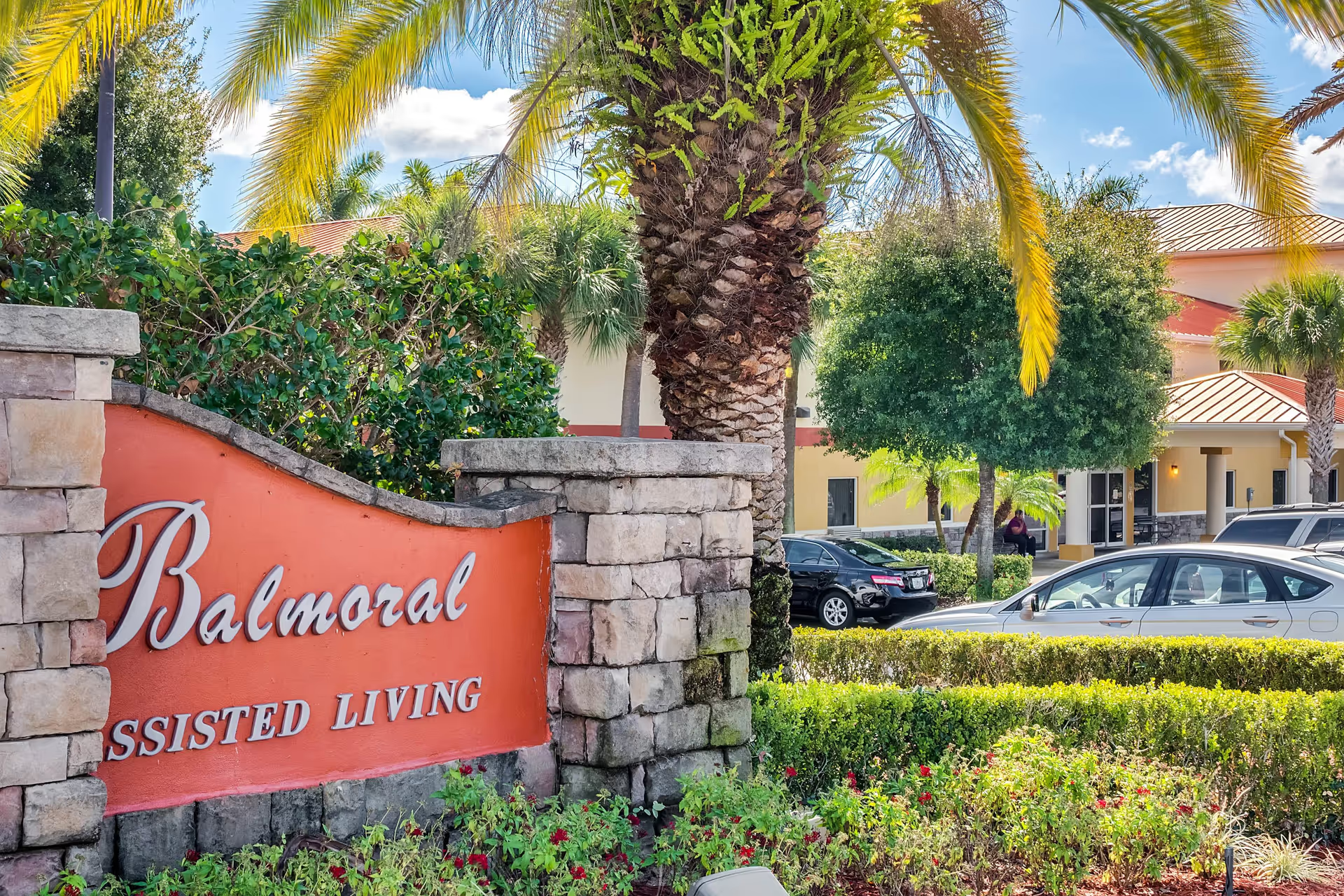
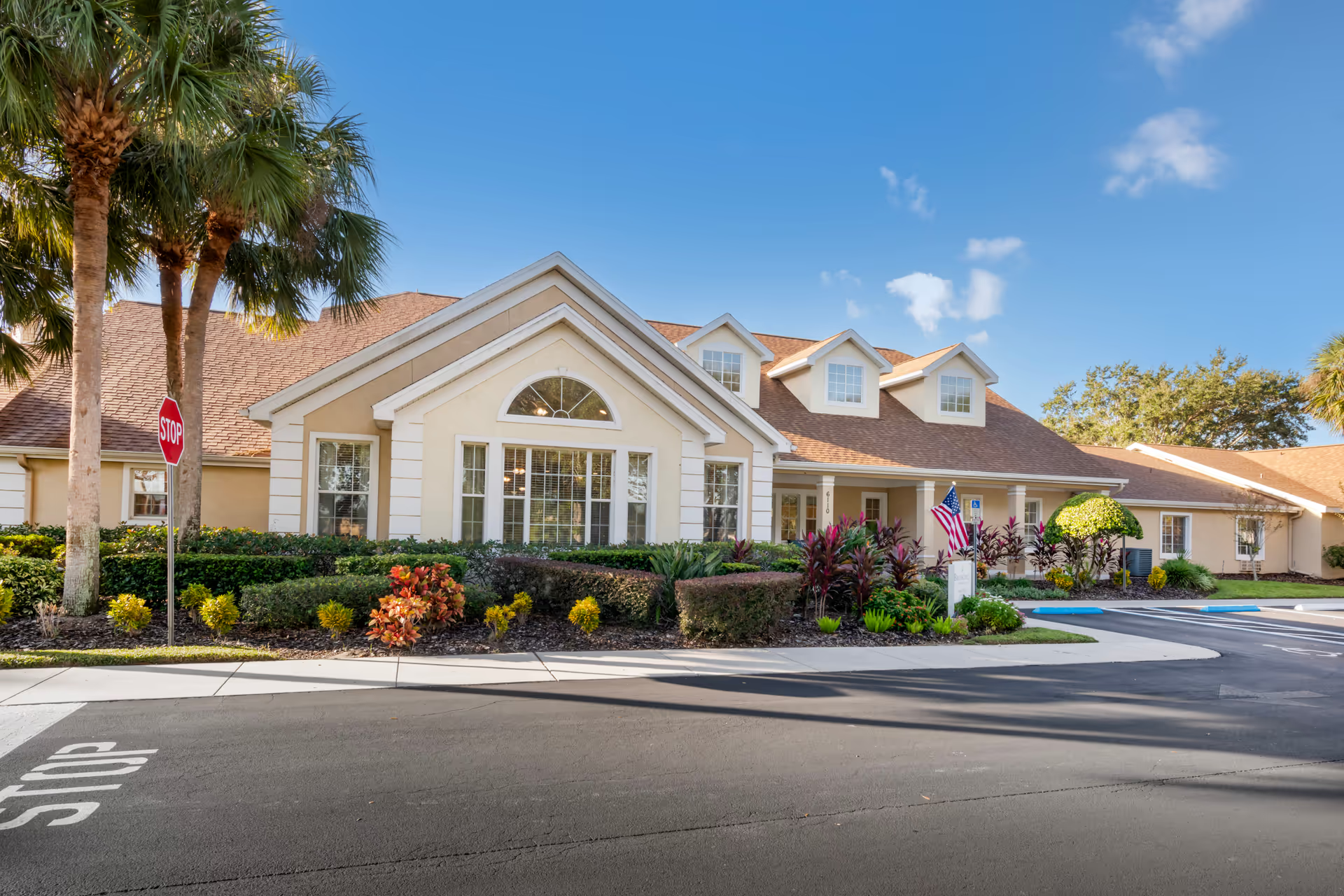
The reviews for The Manor at Lake Jackson are mixed, with distinct positive strengths alongside recurring operational concerns. Many families describe warm, compassionate interactions with direct-care staff, an engaging activities program, and attractive, home-like physical surroundings. The Activities Department and pet-therapy offerings receive frequent praise, and several accounts highlight thoughtful programming (bingo, gardening, creative activities) that residents enjoy. Multiple reviewers also note clean, well-maintained rooms and a pleasant exterior and garden area when care is delivered as expected.
Care quality observations vary considerably. Positive accounts describe attentive nurses and aides, responsive communication with families, dignity-focused approaches to mobility and bathing, and adherence to dietary and physician instructions. Conversely, other accounts describe systemic problems that affect care reliability: inconsistent staffing, delays in personal-care attention (including toileting and bathing), and concerns about clinical oversight and medication-management practices. These operational weaknesses appear to drive much of the polarized feedback.
Staff behavior and day-to-day operations show similar divergence. Several reviewers commend specific caregivers, nursing staff, and middle managers for compassionate, professional conduct and effective family engagement. At the same time, recurring themes include understaffing, staff distraction during care or mealtimes, and variability in training—particularly for memory-care tasks. Dining experiences are generally described as satisfactory when the dining room is adequately staffed; however, reviewers point to interrupted meal service and insufficient dining-room support during busy periods as an operational shortcoming.
Facilities and cleanliness are described both positively and negatively. Many reviewers appreciate the facility’s design, comfortable common areas, and supervised outdoor garden. Conversely, there are repeated notes of sanitation lapses and lingering odor concerns in some common areas and on occasion following incontinence-related events. These reports suggest inconsistency in environmental maintenance and incontinence-care response rather than uniform standards across the community.
Management and administrative patterns are a notable point of divergence. Some families single out supportive leaders and helpful administrators, while others cite limited executive presence, communication shortfalls, and concerns about transparency. Cost is a consistent theme: several reviewers perceive the rates as high relative to the quality received, which amplifies dissatisfaction when operational issues emerge.
Overall pattern: experiences cluster at two ends of a spectrum—families who encounter reliable staffing, engaged activities, and attentive care report a highly positive environment; families who encounter staffing shortfalls, sanitation lapses, or inconsistent clinical oversight report significant concerns. Prospective residents and families should observe staffing levels during different shifts, review the facility’s staffing ratios and incident-response policies, ask about dementia-care training and medication oversight, and tour dining and activity periods to assess consistency. Checking state inspection and complaint histories and speaking directly with the activities director and nursing leadership can provide additional context before a placement decision.