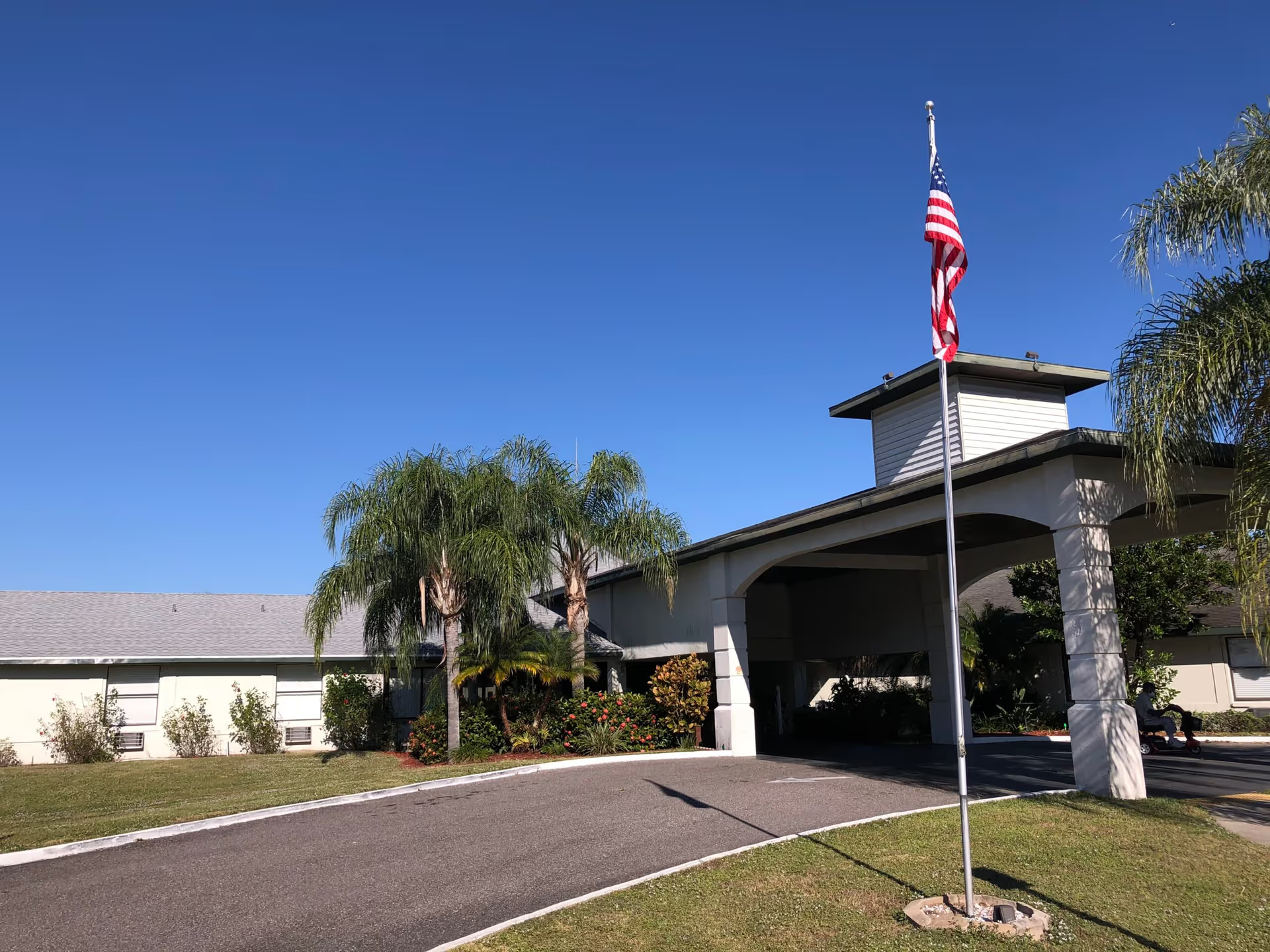
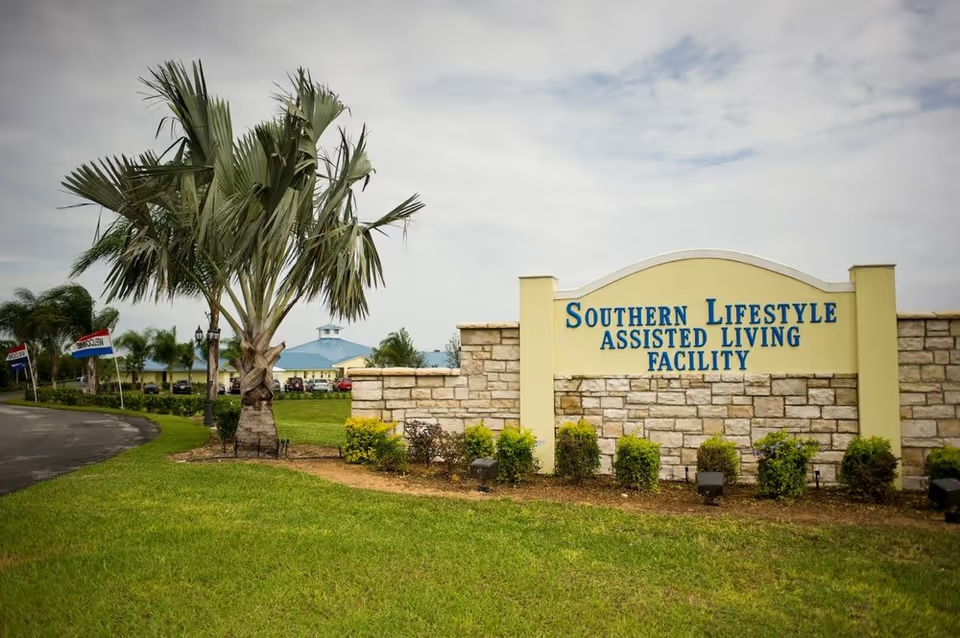
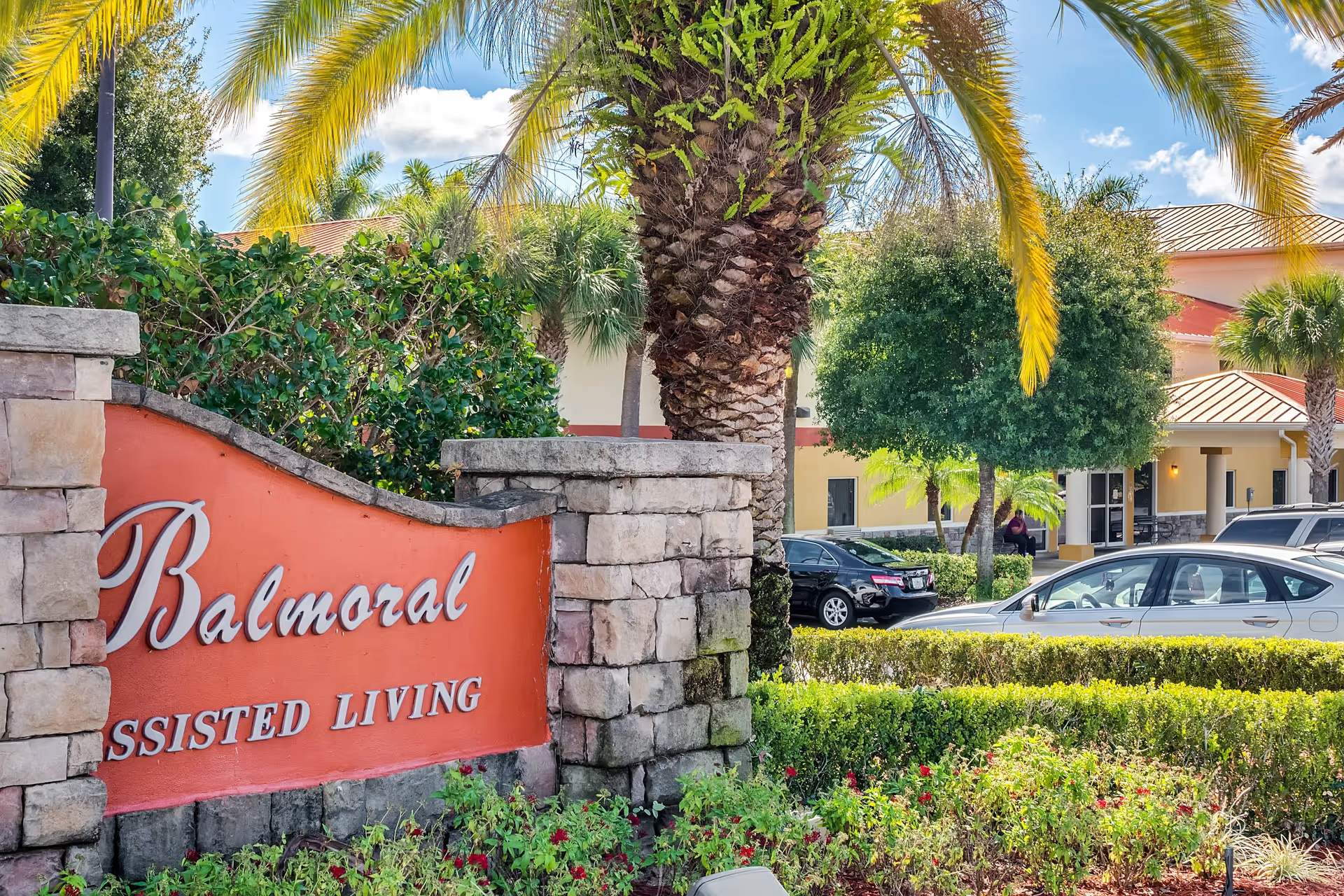
The Palms at Sebring elicits sharply divided impressions across reviewers. Many families and former residents praise the facility’s strong rehabilitation services, highlighting effective PT/OT/Speech programs, a well-equipped rehab gym, and therapists who focus on safe transitions back home. Numerous comments describe compassionate, attentive nurses and aides, a restaurant-style dining environment, apartment-style units with full kitchens, a robust activities calendar, and amenities such as a library, convenience store, shuttle service, lake views, and a dedicated memory-care area. These strengths make the community attractive for residents seeking active rehabilitation, social engagement, and a continuum of care from independent living to skilled nursing.
At the same time, a significant portion of feedback raises operational concerns that are important to prospective residents and families. Staffing instability and turnover are recurring themes; reviewers describe delays in responding to call lights, inconsistent assistance with bathing and toileting, and periods when nursing coverage felt insufficient. Several reviews raise sanitation concerns in rooms or some common areas and note odor or pest-control issues at times. There are also multiple accounts suggesting variability in medication administration and timing, as well as isolated medication errors, which point to gaps in medication-management processes.
Dining and food-service quality are inconsistent in the feedback. While some reviewers commend chef-run meals and multiple dining options, others describe a decline in food quality, smaller portions, repetitive menus, and insufficient assistance for residents who need help during meals. Therapy and rehab experiences likewise vary: many residents report excellent, motivating therapy, while others describe minimal therapy or limited occupational therapy access. These contrasts suggest that the quality and intensity of services may depend on staffing, timing, or individual care plans.
Management and communication present another mixed picture. Several staff members in administrative and marketing roles are singled out positively for helpfulness and smooth transitions, and some families report clear care plans and supportive coordination. Conversely, other reviews point to poor communication, chaotic processes around admissions and discharges, slow callbacks, and concerns about clinical oversight. A few reviews describe serious individual incidents and allege unprofessional conduct; these items are isolated but notable and warrant direct inquiry during a tour or conversation with leadership.
Facility condition and infrastructure vary by area. Many reviewers find the interior clean, well-kept, and hotel-like, but others note older building sections, a single elevator that can constrain movement, and occasional maintenance limitations. Emergency-preparedness, particularly during power outages, was mentioned as a practical limitation by some families.
In summary, The Palms at Sebring offers clear strengths in rehabilitation, amenities, and social programming, and it can provide an attractive, continuum-based option for many residents. However, recurring patterns of inconsistent staffing, variable personal-care assistance, sanitation issues, medication-management lapses, and uneven communication suggest operational weaknesses that prospective residents should evaluate closely. Recommended due diligence includes observing staffing levels at different times of day, asking about staffing ratios and turnover, reviewing medication-safety protocols and sanitation practices, inspecting both newer and older resident areas, and requesting a detailed therapy plan and emergency-preparedness information before deciding.