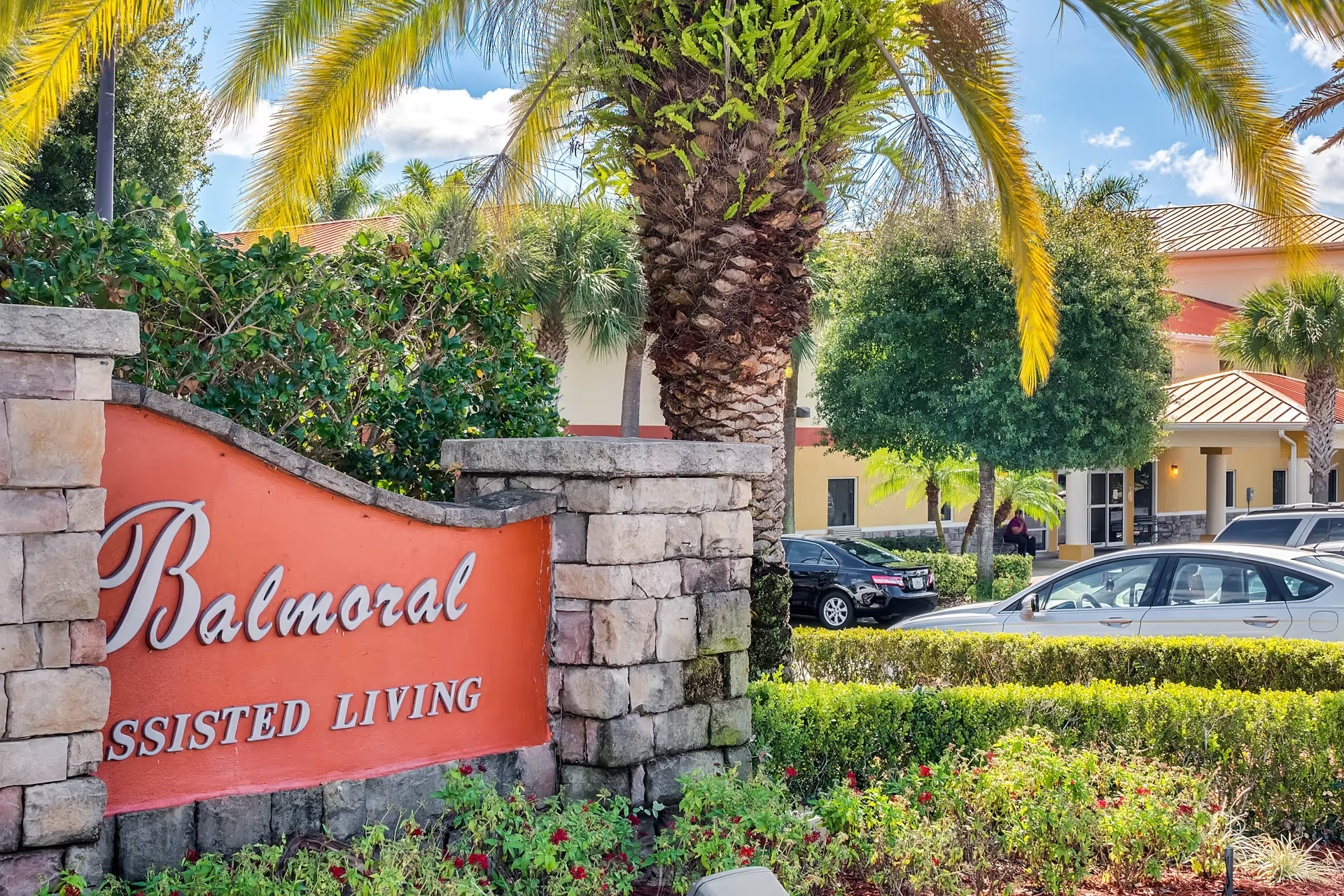
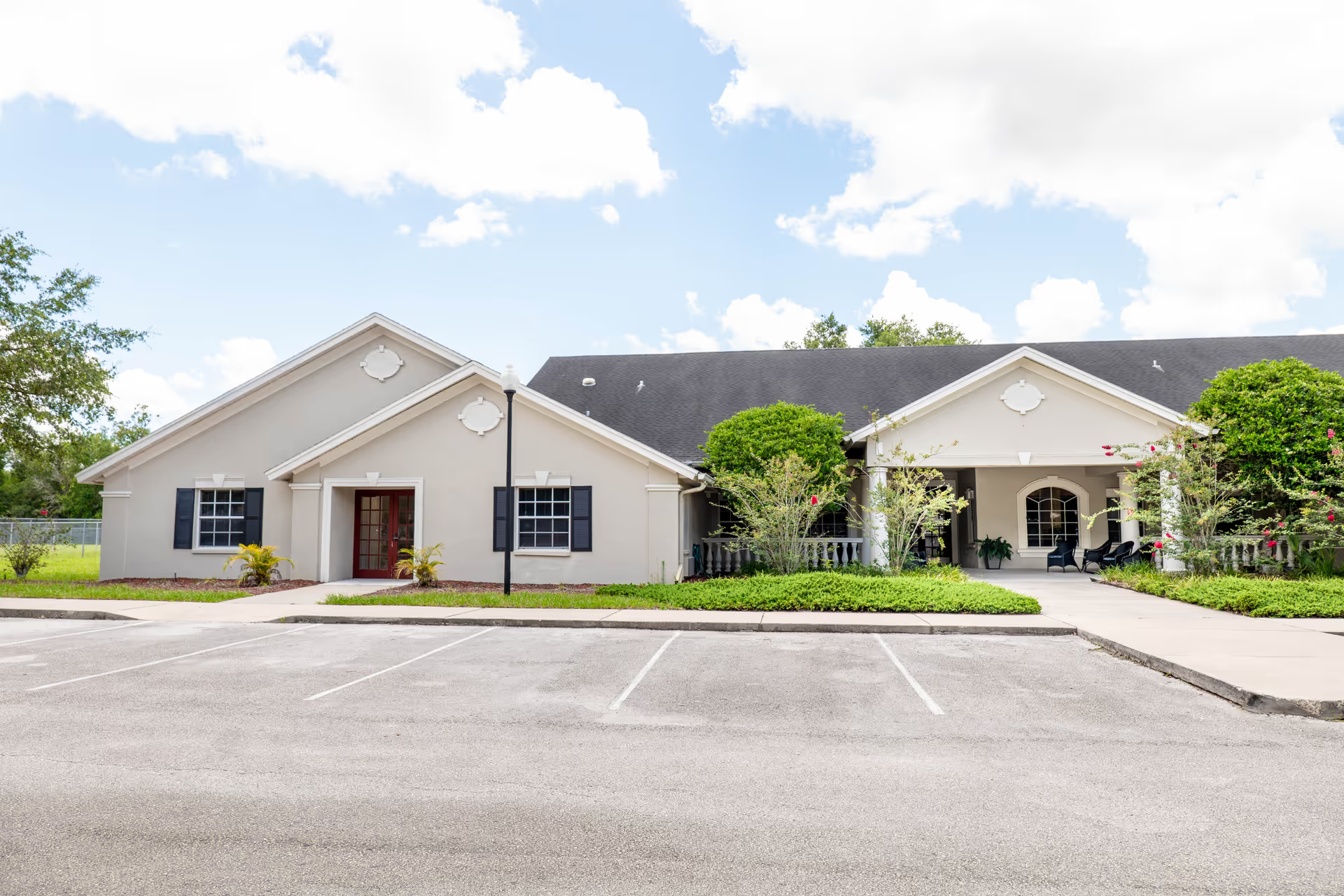
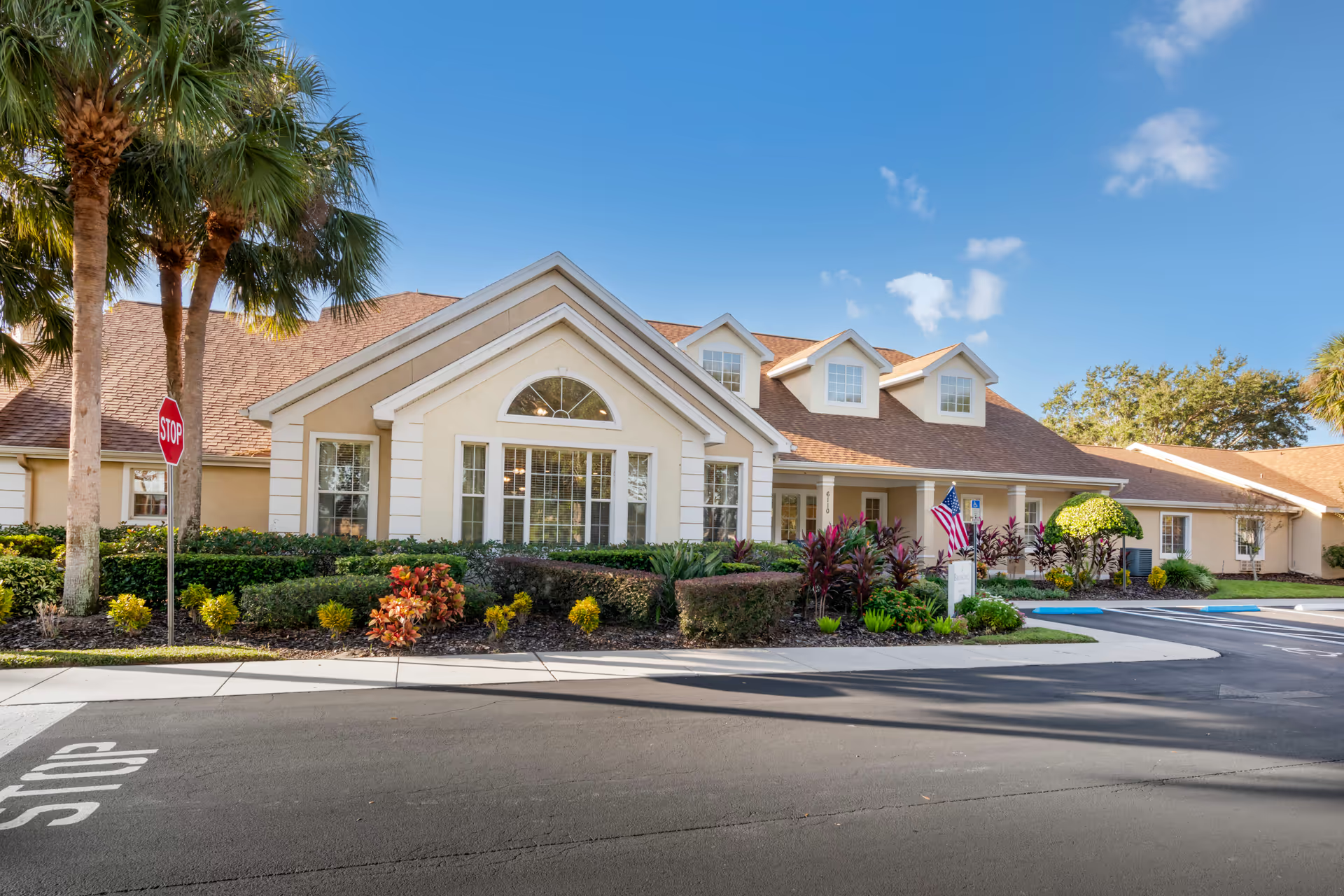
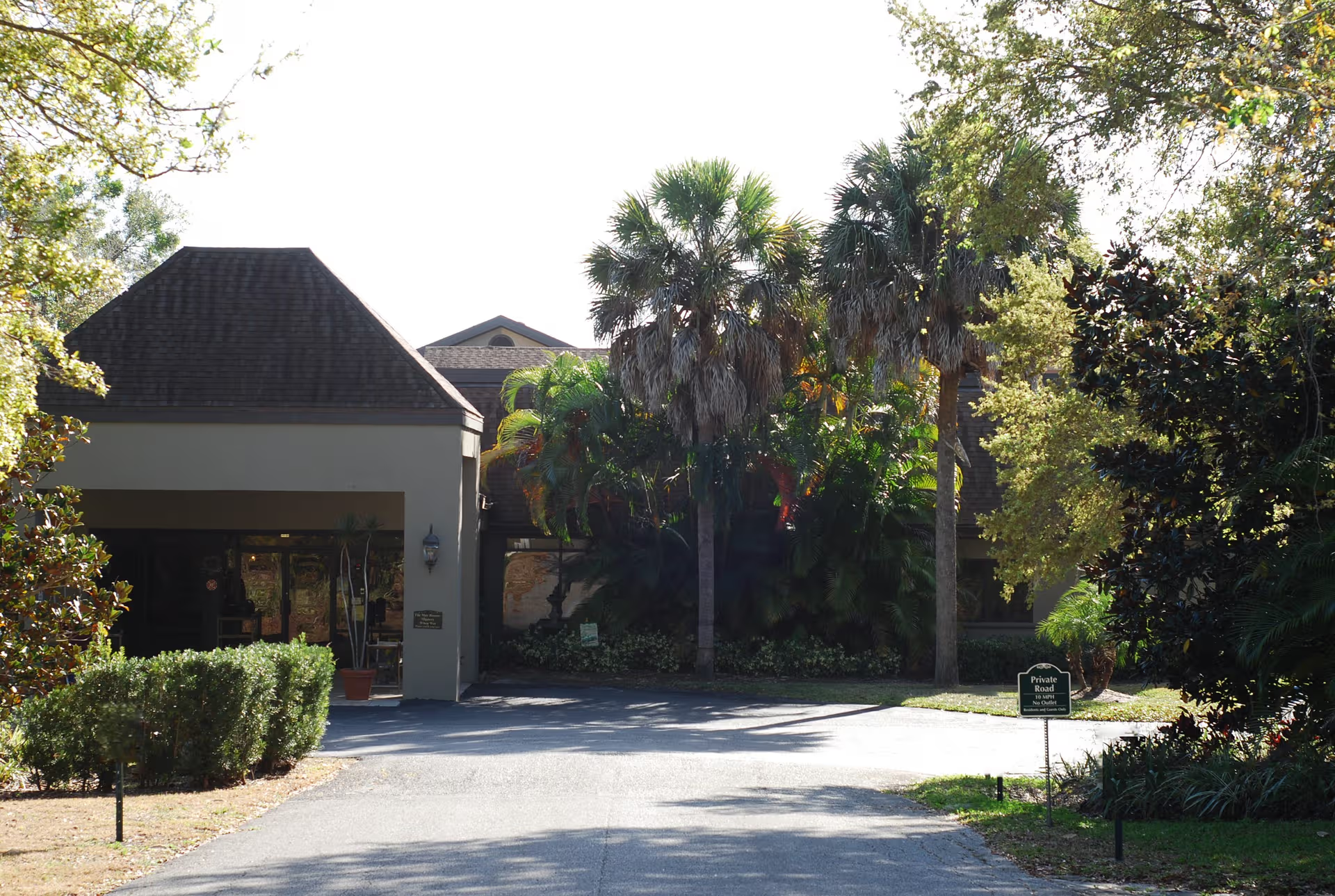
This facility elicits a highly mixed set of family experiences. Positive feedback centers on the rehabilitation program and several direct-care staff members, while operational, safety and sanitation concerns are recurrent themes. Families praising the facility emphasize effective physical therapy, engaged therapists, compassionate bedside nursing, and a generally welcoming admissions and social atmosphere. At the same time, numerous critiques point to systemic weaknesses in leadership, communication, and environmental maintenance.
Care quality is uneven. The therapy and rehabilitation services are consistently highlighted as a strength: therapists are described as skilled, communicative, and effective in helping residents progress. Nursing care receives both praise and criticism — specific nurses and shifts are described as compassionate and attentive, yet other accounts describe delayed assistance, inconsistent personal-care routines (including incontinence-care concerns and bathing schedules), and wound- and infection-management issues. There are also concerns about medication handling and documentation, and families reported problems with discharge coordination that suggest gaps in transitional-care planning.
Staff and culture present a bifurcated picture. Many families commend friendly, helpful frontline staff and cite examples of staff who go beyond their duties to support residents and families. Conversely, there are repeated concerns about staff conduct and responsiveness, workplace conflicts, and instances of property loss; one serious allegation of drug theft involving an employee is under police investigation. Communication tone and timeliness are uneven, with multiple notes about unreturned calls, disagreement with administrative responses, and restricted or difficult visitation experiences during certain periods.
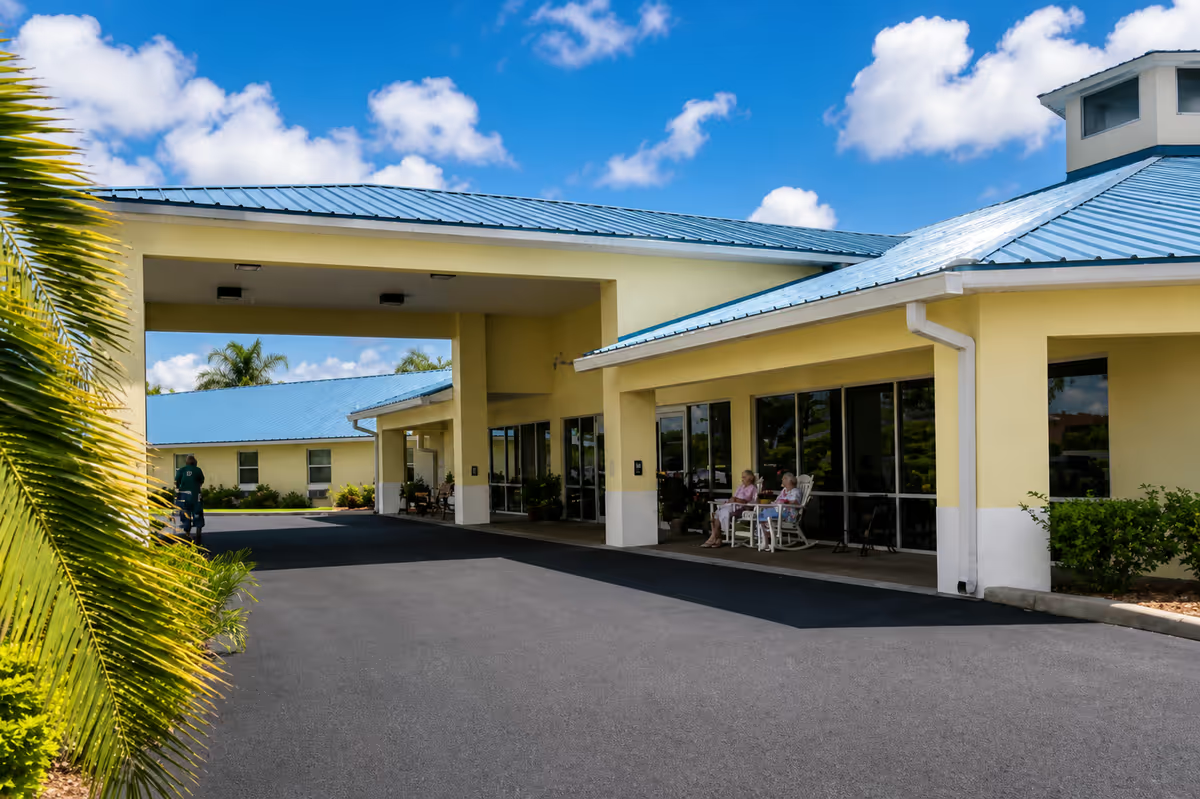
Dining and daily living show variability. Some families note palatable meal offerings and appropriate engagement, while others describe meal-access issues and questions about menu consistency. Shared bathroom arrangements and limited access to certain toileting supplies were raised as practical concerns for resident dignity and comfort. Social engagement and a home-like atmosphere are cited positively in several comments, indicating that programming and staff interaction can be strengths when staffing is adequate.
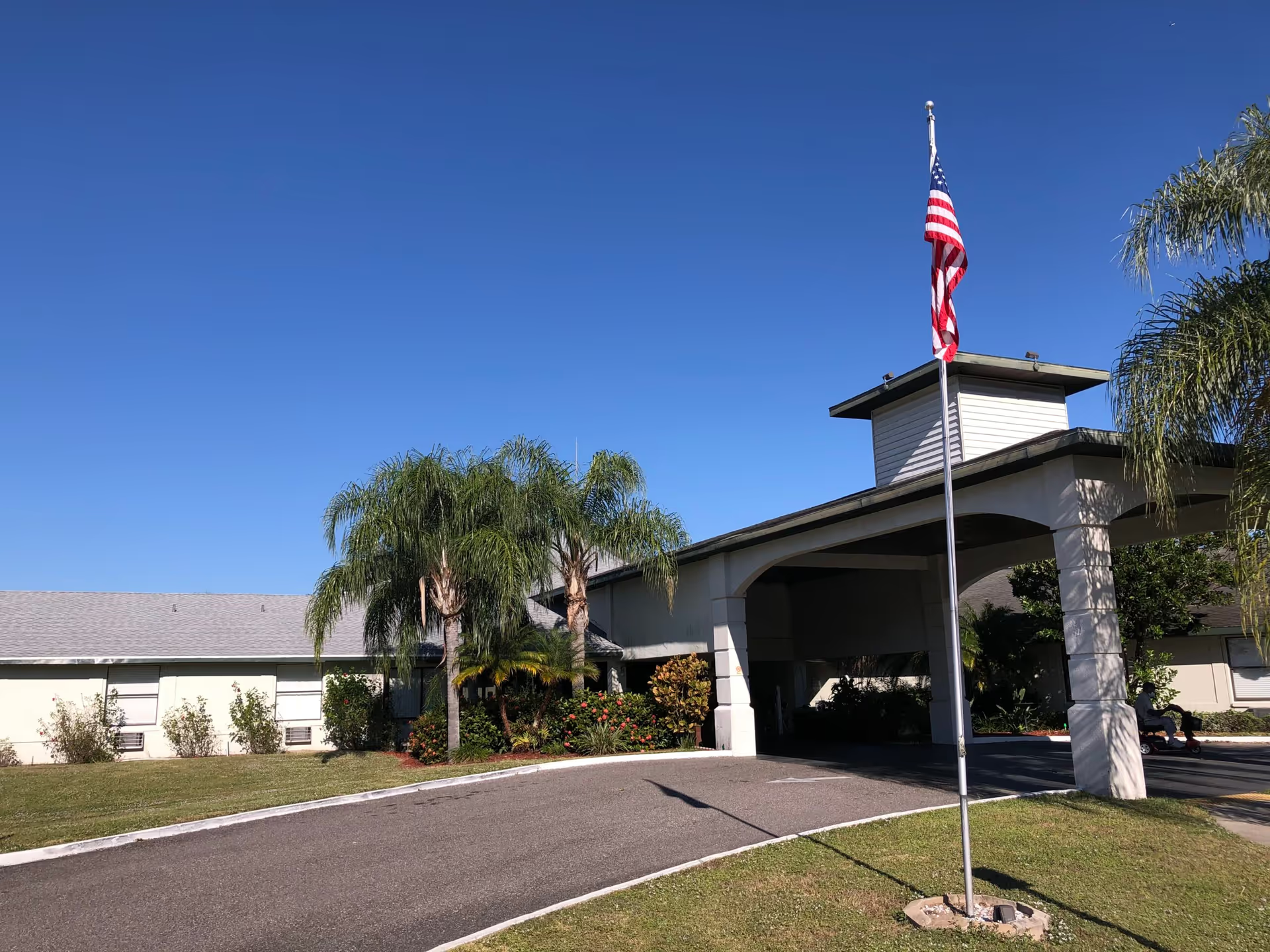
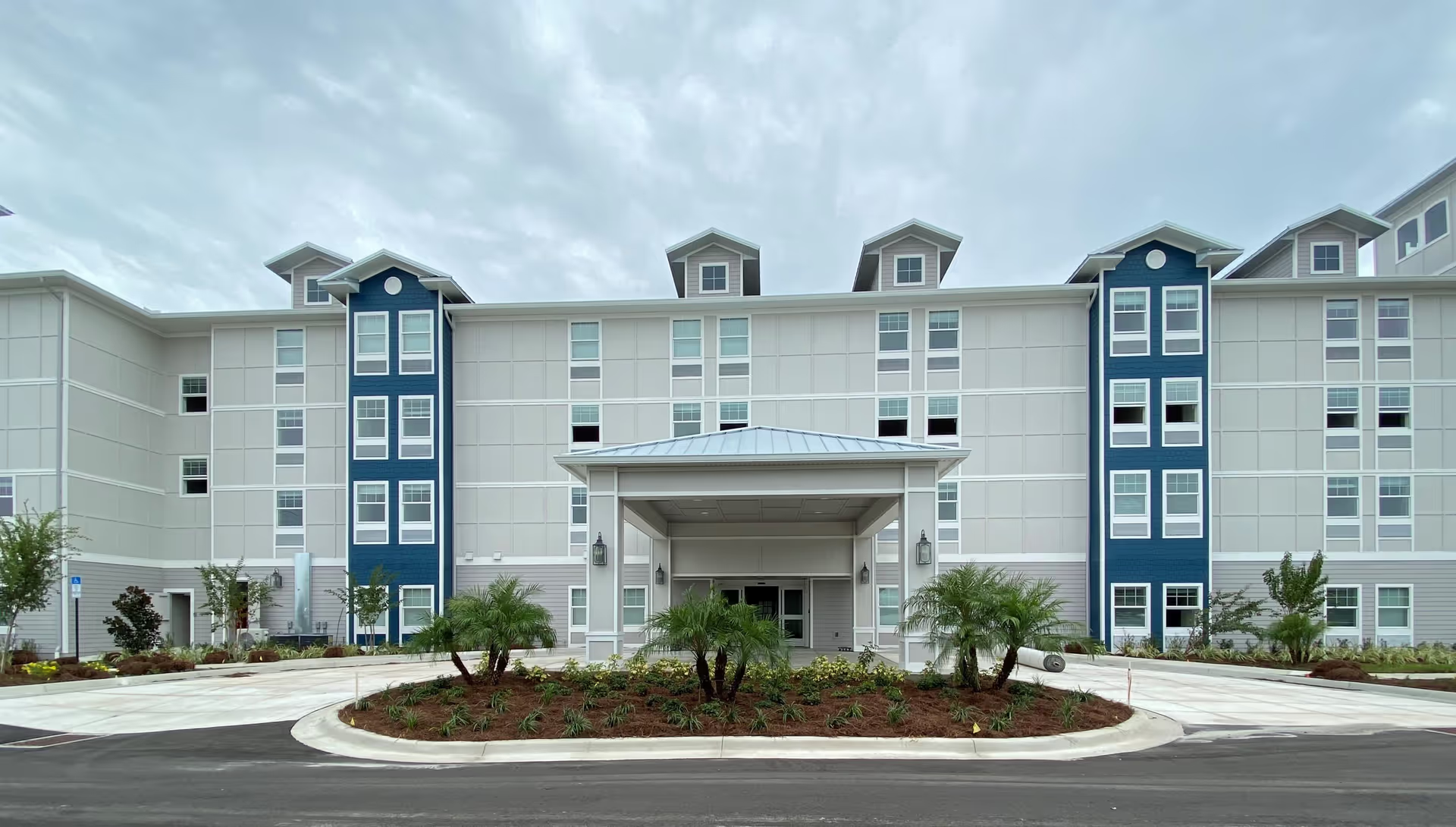
Facilities and maintenance emerge as an area needing attention. Reports include environmental maintenance failures such as air-conditioning outages, mold concerns, and pest-control issues, as well as room-level malfunctions and dated infrastructure. Accessibility constraints — including congested corridors and shared bathrooms — were noted as impediments to safe and comfortable mobility. Safety-device policy uncertainty (for example, bed-rail practices) and inconsistent implementation of safety protocols were also mentioned.
Administrative and business practices show important deficiencies that prospective families should evaluate. Recurrent themes include inconsistent leadership, poor follow-through on complaints, difficulties obtaining records, billing and charge disputes, and uneven enforcement of policies. Language-access gaps were also mentioned, which can compound communication breakdowns for non–English-speaking families.
For prospective residents and families: verify the strengths that matter most to you (therapy availability and success metrics, specific nursing staff continuity, infection-control and sanitation protocols, and maintenance responsiveness). Ask for written policies on medication administration, discharge planning, billing practices, visitor policies, and language assistance. Conduct a tour focused on cleanliness, HVAC function, odor control, and corridor access, and request references from recent admissions who used the rehab program. Where serious allegations or investigations are mentioned, seek confirmation of the facility’s current status with local authorities and licensing bodies. This facility offers strong clinical rehabilitation and pockets of excellent direct care, but families should confirm operational consistency and administrative responsiveness before committing.