Reviews of Solaris HealthCare Osceola present a strongly mixed picture with two consistent threads: a highly regarded rehabilitation program and frequent concerns about routine nursing care, facility upkeep, and management consistency. Many families and clinicians praised the therapy teams for structured, goal-oriented physical and occupational therapy that produced measurable progress and successful discharges. Multiple accounts highlight therapists, rehabilitation planning meetings, and coordination that helped patients regain function. Front-desk staff and specific long-tenured leaders and social workers were also cited for creating a welcoming entry point and for facilitating transitions home.
At the same time, a substantial portion of commentary raises operational concerns about everyday nursing and environmental conditions. Common themes include inconsistent responsiveness from nursing staff (delays in assistance, empty nurses' stations), variable communication with families and case managers, and sanitation or odor-control issues in certain rooms or wings. Several reviewers described clinical-management gaps such as missed or delayed medication/assessment actions and safety-monitoring shortfalls that were associated with falls or subsequent emergency care. These patterns suggest variability in frontline staffing and shift-to-shift continuity, sometimes linked to use of agency personnel.
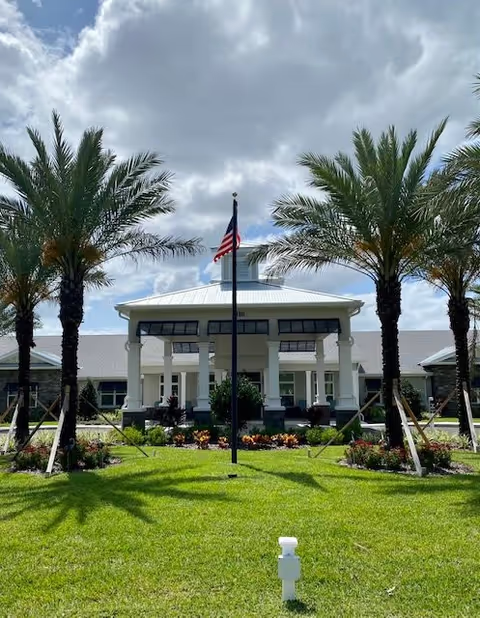
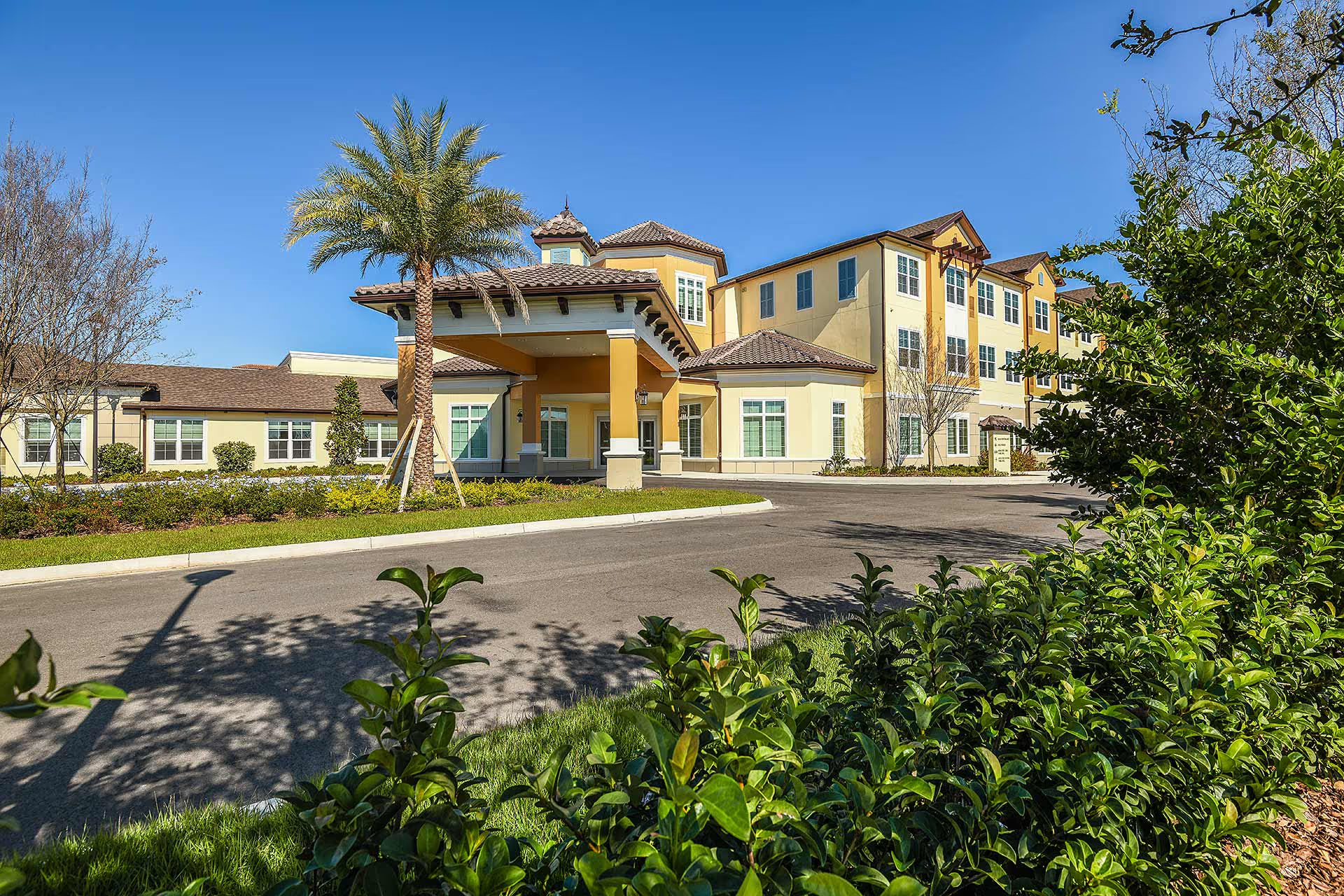
Facility infrastructure and dining received mixed feedback. Many reviewers described the building and some rooms as dated—old beds, older window AC units, tightly configured double rooms with limited privacy—and identified episodes of poor housekeeping or maintenance. Conversely, other visitors and residents found common spaces clean and home-like; this inconsistency indicates that physical-condition experience may differ by unit or timing. Meal quality and dietary accommodation were also inconsistent: some families were satisfied with food and activities, while others reported limited menu variety and difficulty addressing allergies or preferences.
Staff culture and management earned both praise and criticism. Numerous reviews singled out individual staff members and teams for compassionate, personalized care and excellent communication; these staff were viewed as instrumental in positive rehabilitation outcomes. Conversely, other comments describe rude or unhelpful interactions at the administrative level, payroll or billing friction, and a perception that management does not always resolve family concerns effectively. End-of-life care and visitation policies were another area of tension, with some families reporting restrictive or poorly communicated practices.
Notable patterns for prospective residents and families: the facility frequently delivers strong, effective rehabilitation and has pockets of highly dedicated staff who provide personalized attention. However, there is also a recurring pattern of inconsistent nursing responsiveness, environmental maintenance variability, and managerial inconsistency. Visitors planning a stay or placement should prioritize direct inquiries about current staffing levels, unit cleanliness and maintenance, medication-safety protocols, visitation policies, and specific therapy plans during a tour. Observing the nursing station activity, asking for recent quality metrics, and checking how the facility accommodates dietary and mobility needs can help clarify whether the experience will align with the positive or negative reports described above.