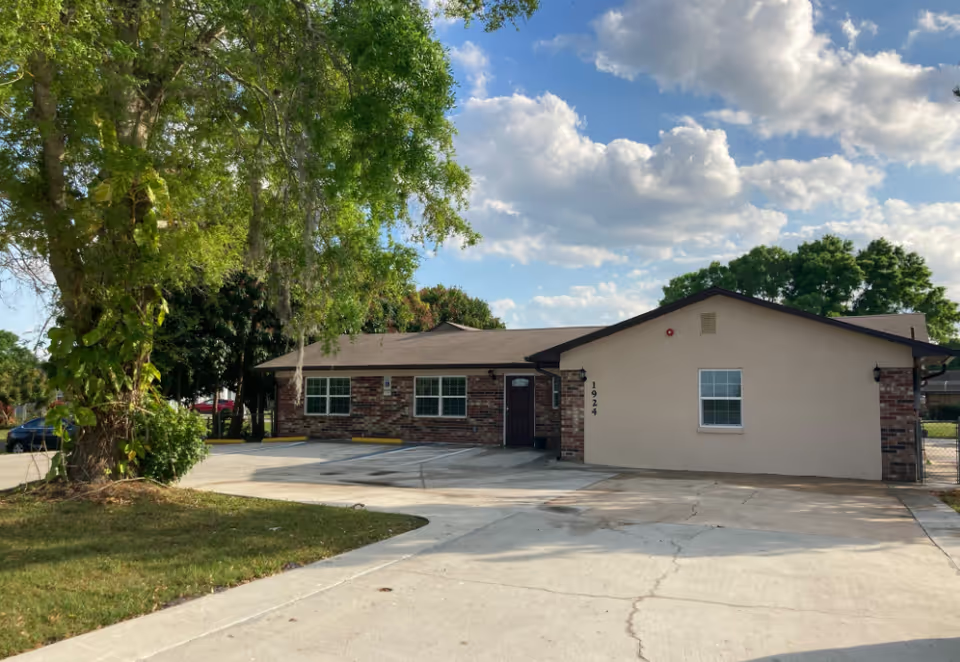
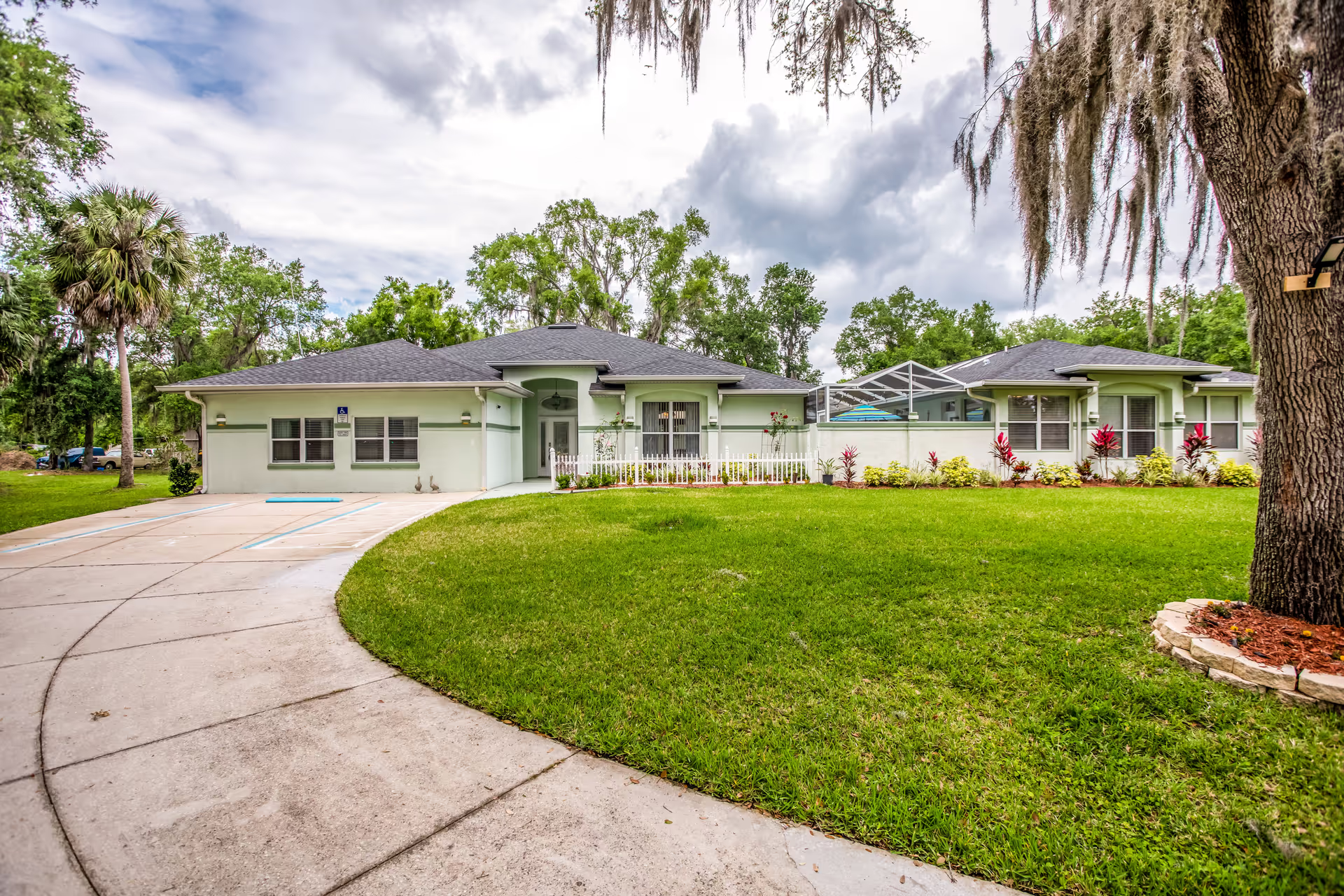
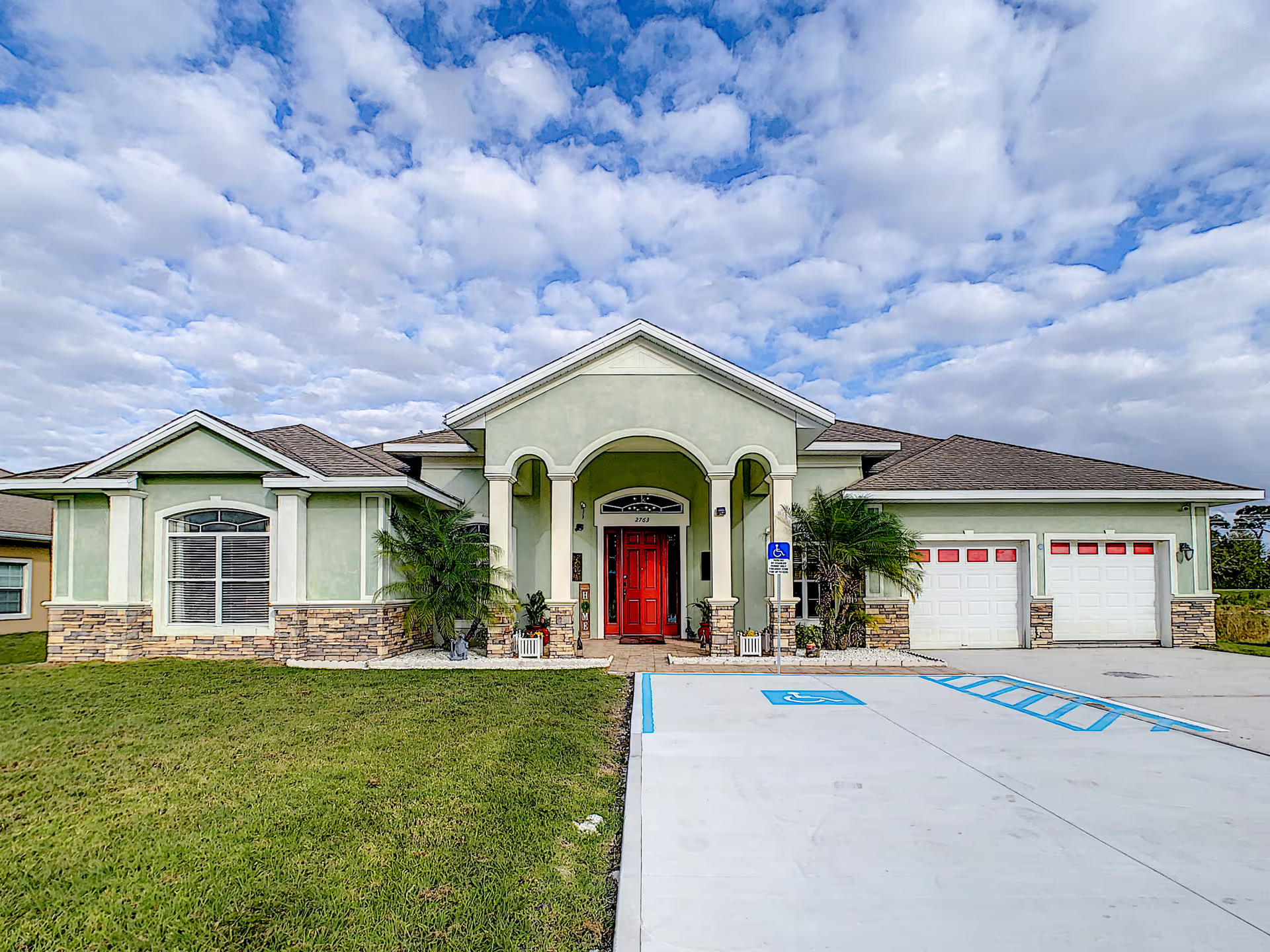
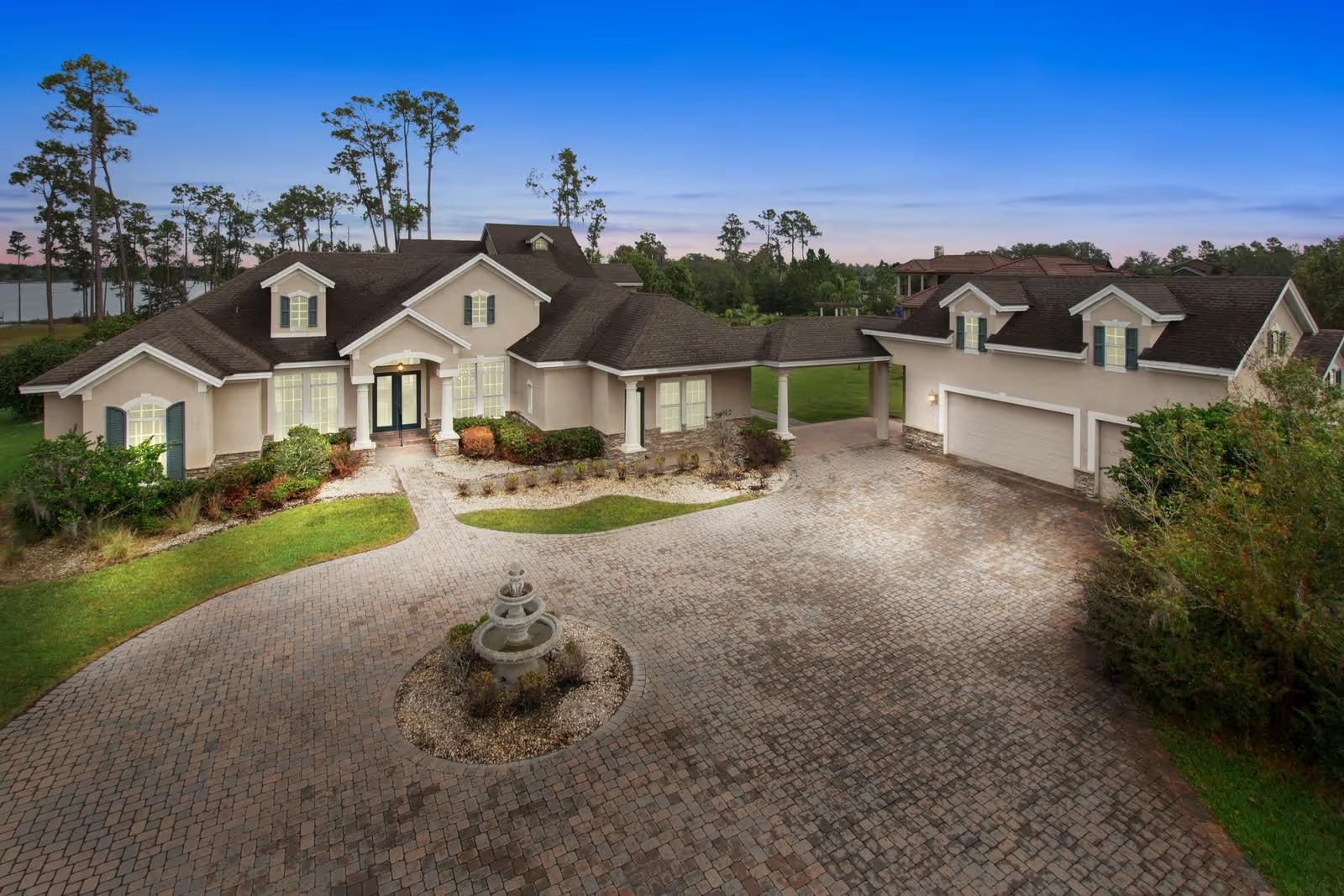
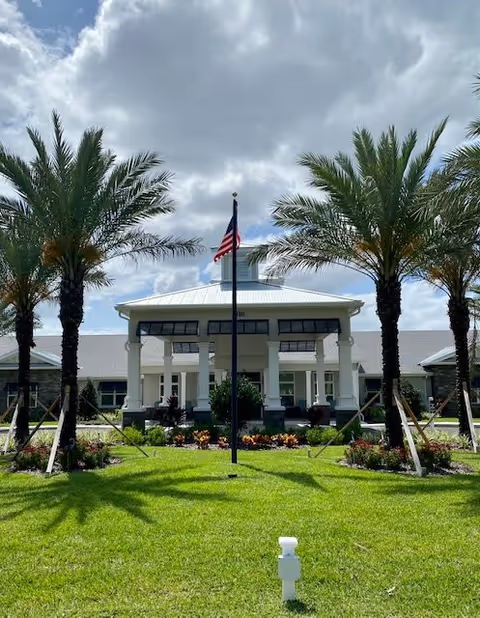
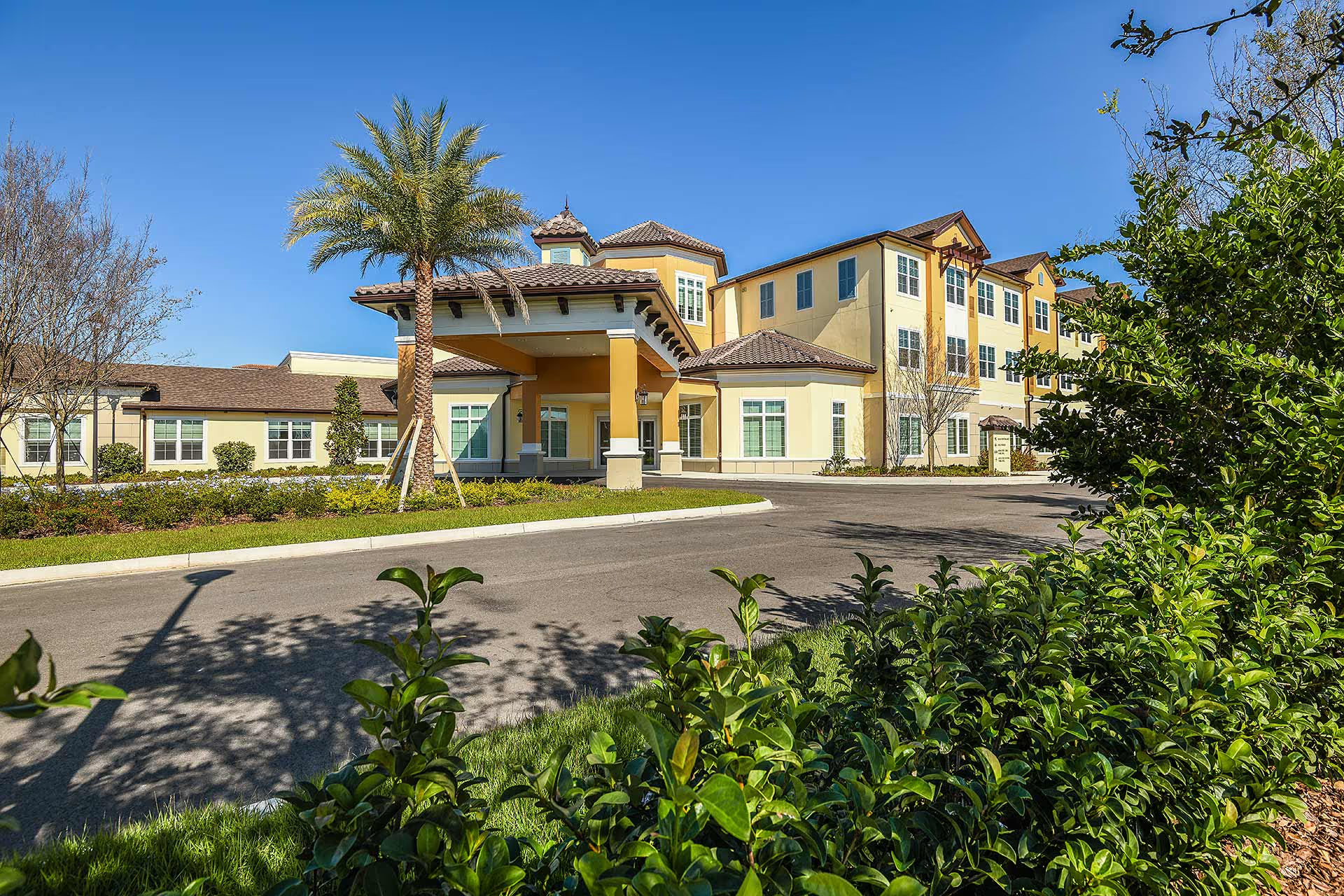
Reviewers describe a facility with a clear set of strengths alongside recurring operational weaknesses. On the positive side, many families and residents praise the therapy programs (physical, occupational, and speech), crediting them with measurable functional gains. Nursing staff, front-desk personnel, social work, and some clinicians are frequently described as caring, helpful, and attentive. The building’s interior is often reported as clean and well maintained, with light-filled rooms, outdoor porch space, and a quiet neighborhood setting that some families find pleasant.
However, a number of pattern-level concerns emerge across reviews that are relevant to clinical safety and quality of life. The most consistent clinical theme is variability in monitoring and timely intervention: readers cite delays in vital-sign checks, delayed or incomplete laboratory diagnostics, and inconsistent follow-up on abnormal findings. These operational gaps are coupled in some accounts with problematic medication-management practices, including unclear documentation and concerns about dosing or sedating medications used to calm residents.
Staffing and communication are recurring operational issues. Reviewers describe staffing shortages, high turnover, and uneven frontline performance among CNAs and nurses. These workforce issues are linked to slower response times to call bells, inconsistent bathing and toileting assistance, and gaps in feeding support. Family communication during clinical changes and transfers is also characterized as unreliable by multiple families; several reviews note poor notification practices and difficulty reaching charge nurses or administrators when clinical status changed.
Dining and daily-living services are described inconsistently. Some accounts highlight nutritious or appealing meal options and engagement activities (arts, music, dancing), while others raise concerns about food quality, meal presentation, and inconsistent assistance during meals. Activity programming exists and is appreciated by some residents, but participation and perceived usefulness vary by unit and by resident.
Safety, security, and facility management questions appear in several accounts. Specific concerns include missing personal items and insufficient controls around resident belongings, inconsistent infection-control and isolation practices, and intermittent sanitation or odor concerns in halls and resident rooms. Administrative issues such as unexpected billing changes, delayed notifications to families, and construction or workflow disruptions near care areas are also noted.
Taken together, the pattern suggests a facility that can deliver strong rehabilitative and day-to-day care when staffing and clinical processes align, but that exhibits variability in clinical oversight, communication, and operational consistency. Prospective residents and families should weigh the facility’s therapy strengths and positive staff interactions against the documented variability in monitoring, staffing stability, infection-control practices, meal consistency, and personal-item security. Asking targeted questions during a tour — about staffing ratios, protocols for vital-sign monitoring, lab and diagnostic turnaround, medication review processes, infection-control procedures, personal-item policies, and family-notification protocols — may help clarify whether current operations meet an individual resident’s needs. Notable serious individual claims, including allegations of theft and concerns following a resident’s death, suggest families should request information about incident-reporting procedures and any recent regulatory findings or corrective actions.