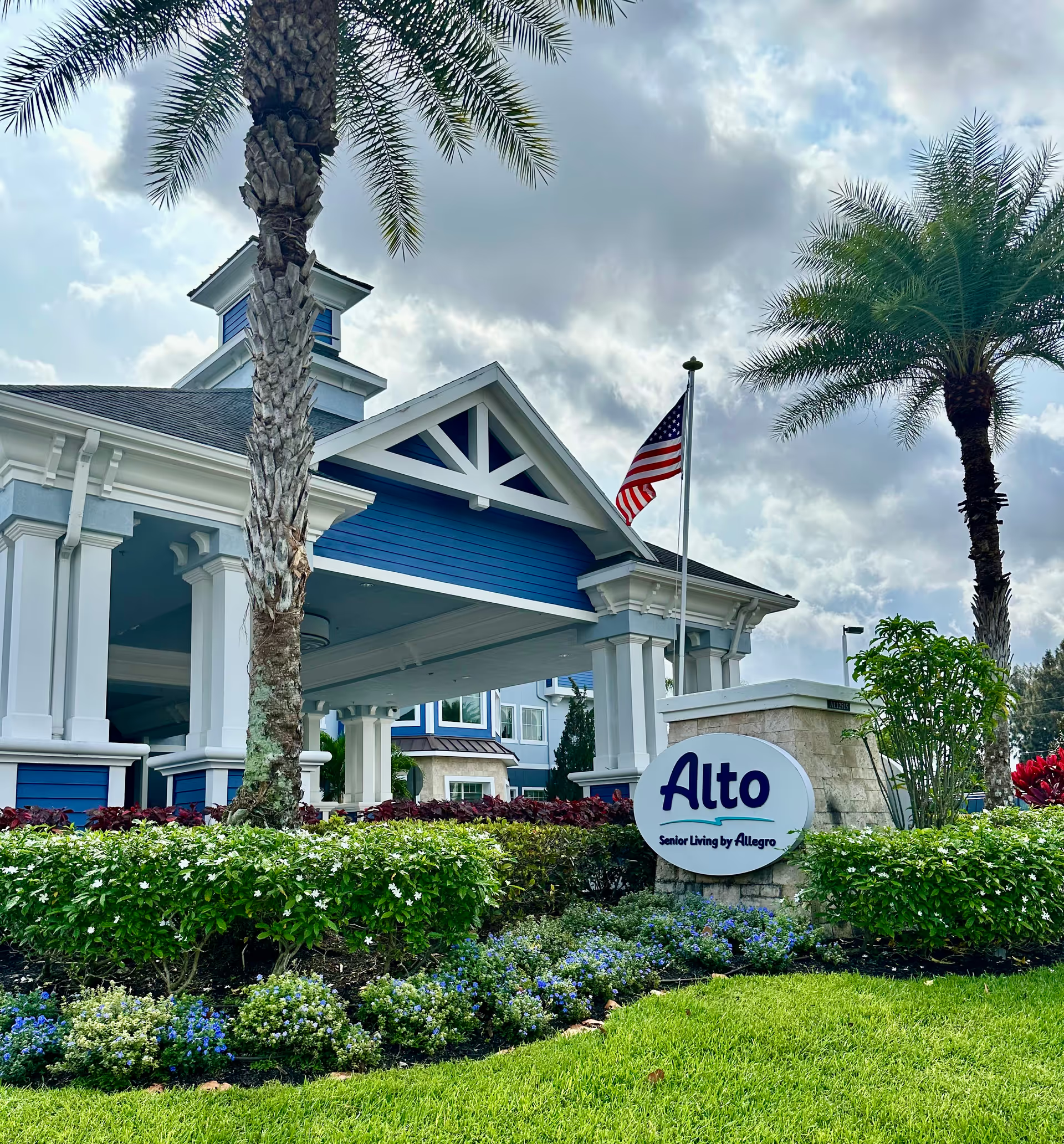
Reviews of Seabranch Health and Rehabilitation Center present a wide range of experiences, producing a mixed but consistent pattern: many families and patients praise the clinical rehabilitation program, individual caregivers, and the activities program, while others raise operational and safety-related concerns. The facility is frequently described as capable of delivering strong short-term rehabilitation outcomes, with multiple accounts crediting physical, speech, and occupational therapists for meaningful recovery progress. Nursing staff, CNAs, and certain administrators receive repeated commendation for compassion, advocacy, and accessibility.
Care and staffing present a bifurcated picture. Positive accounts emphasize attentive, organized nursing teams, clear medication explanations, and staff who push rehabilitative goals. However, recurring operational themes include staffing shortages, high turnover, and uneven assignment consistency for long-term residents. These workforce challenges link to reports of delayed responses to call bells, variable help with activities of daily living, and inconsistent weekend or after-hours coverage. Reviewers also describe concerns about communication tone and occasional language barriers among direct-care staff that can complicate family interactions and care coordination.
Dining and activities are both areas of contrast. The activities program is a clear strength in many reports: an engaged activities director organizes a broad calendar (bingo, cards, trivia, cooking classes, social events) that families say supports social engagement and morale. Food quality receives mixed reviews — several families note improved menus and appealing dessert options, while others describe repetitive menus, poor individual meal execution, and lapses in meal-service continuity and presentation.
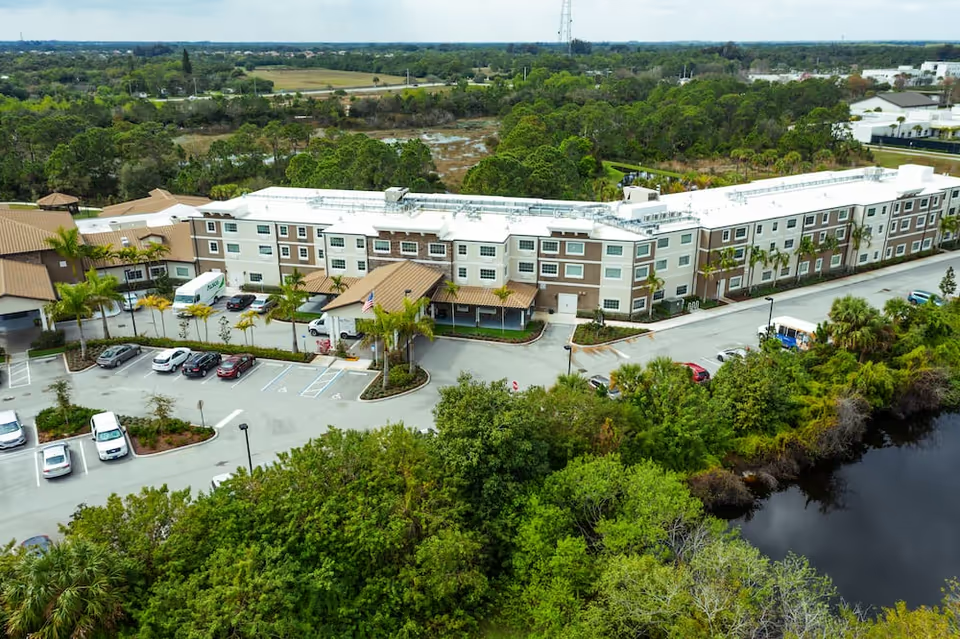
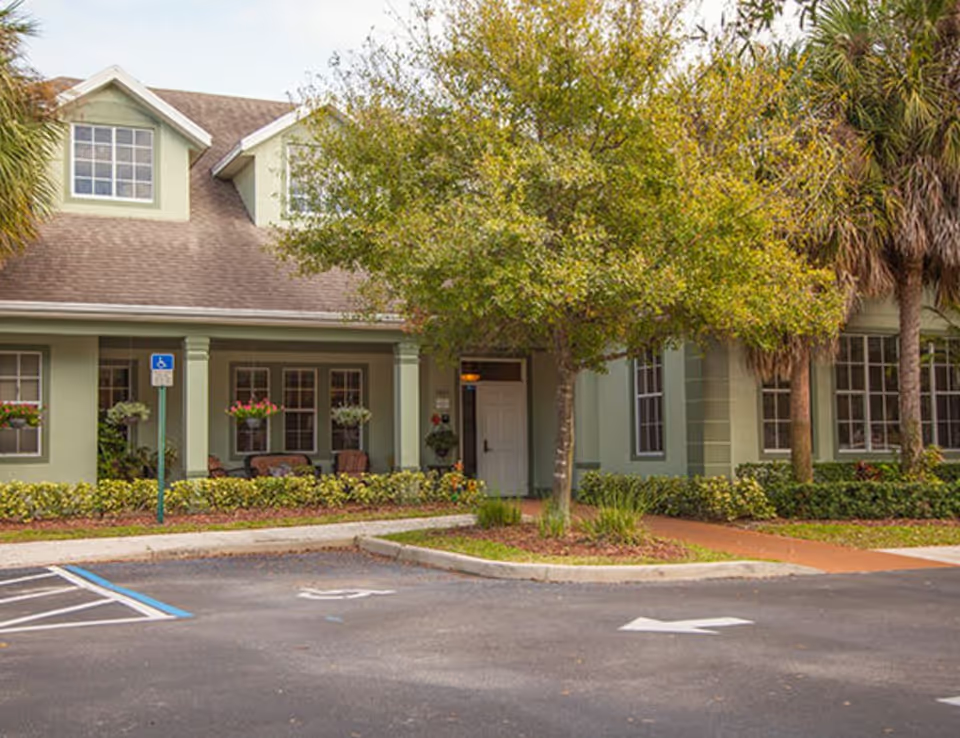
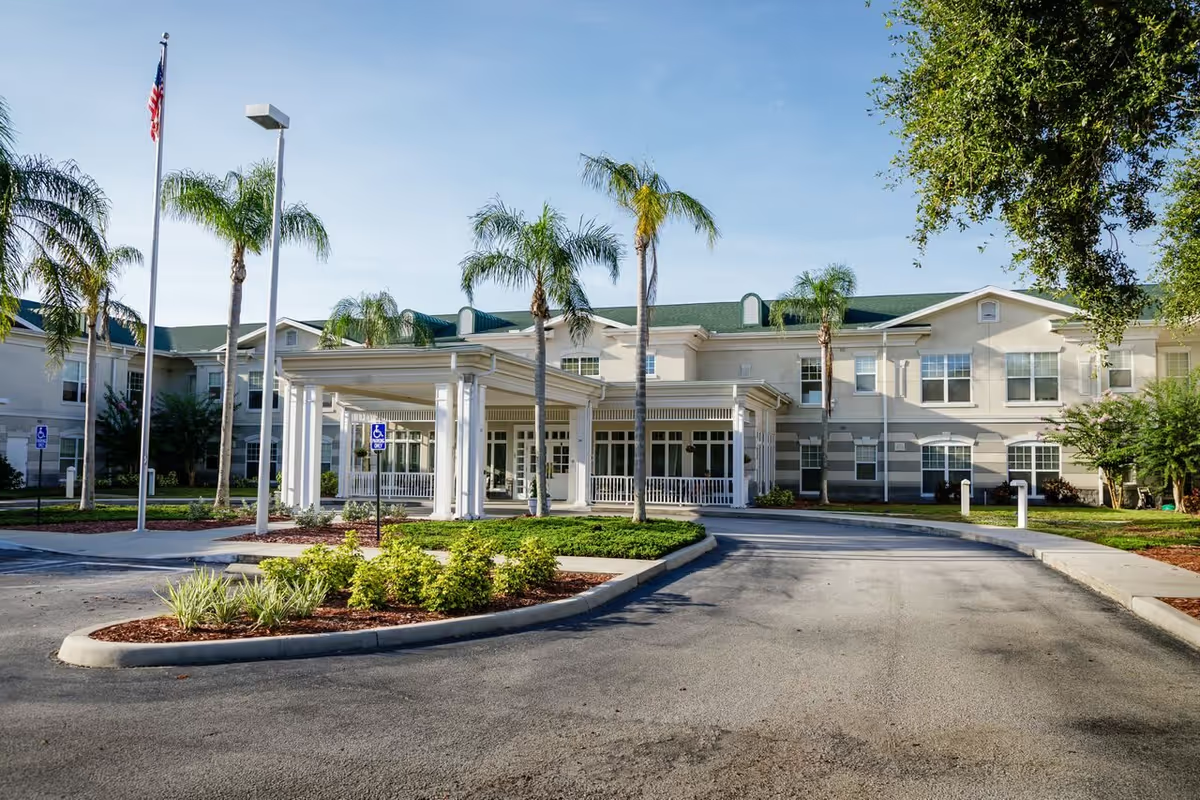
Facility condition and systems-level issues are another recurring theme. While some reviewers describe clean, comfortable private rooms and pleasant common spaces, others report maintenance and sanitation concerns including odor issues, evidence of water damage, and pest-control worries. Additional operational problems cited include unreliable phone and voicemail systems, discharge paperwork and documentation lapses, and process weaknesses in medication administration and clinical communication. A small number of reviews make serious allegations regarding financial or billing irregularities and missing property; those comments warrant careful follow-up and, where appropriate, verification with regulatory or investigative entities.
Management and leadership receive mixed assessments: several reviewers praise an accessible, involved administration that addresses needs and provides regular updates, while others describe inconsistent responsiveness from office staff and social work. The variability in administrative performance appears correlated with the broader staffing and systems issues noted above.
Notable patterns for prospective residents and families: Seabranch appears to have solid rehabilitation programming and an active activities culture with staff who can deliver personalized attention. At the same time, operational shortcomings — particularly inconsistent staffing, intermittent maintenance/cleanliness issues, variable meal quality, and communication system failures — raise concerns for those considering long-term placement. Families considering Seabranch would be advised to verify current staffing levels and turnover rates, review recent inspection and maintenance records, ask about infection-control and visitation policies, confirm the facility's phone/voicemail reliability and discharge procedures, and inquire about billing practices and safeguards. An in-person visit focused on staffing on the unit, meal service, activity participation, and visible maintenance issues will help determine whether the facility's strengths align with an individual resident's needs.