Regents Park of Sunrise elicits a strongly polarized set of impressions. Many families describe the facility as providing high‑quality rehabilitation and nursing care: reviewers praised compassionate nurses and CNAs, a skilled physical and occupational therapy team, an engaged admissions staff, and social workers who facilitate discharge planning. Positive accounts highlight successful rehab outcomes (including return to ambulation), attentive pain and medication management, 24‑hour skilled nursing availability, and a welcoming front desk and leadership presence. The facility’s activities program, outdoor spaces and proximity to retail are additional positives cited by families.
Counterbalancing these endorsements are a series of operational concerns that recur across negative reviews. A pattern of variability emerges — some shifts and teams are described as highly professional and communicative, while others are characterized by poor responsiveness, inconsistent staff conduct, and communication breakdowns with families and physicians. Clinical-operation weaknesses reported include delays in assessment and medication administration, gaps in wound and infection monitoring, and instances where escalation and emergency response were perceived as slow. Sanitation and odor concerns in particular rooms and common areas were raised, along with complaints about missing personal items and unclear billing practices; these latter issues have, in a few cases, involved police or formal complaints.
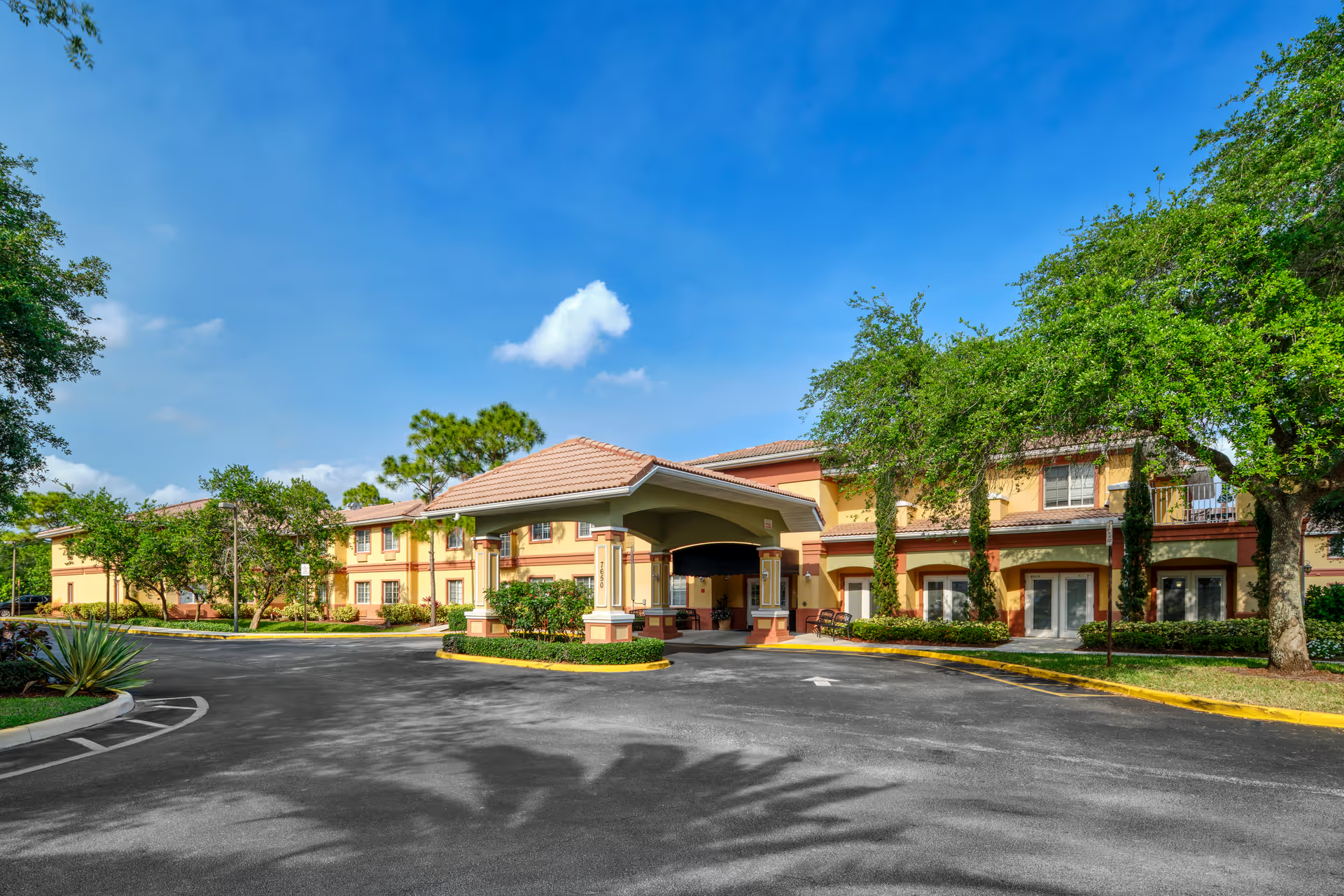
Reports about dining and facilities are mixed. Several families praised the food quality, temperature, and variety, while others described repetitive or low‑nutrition options. The physical plant is generally serviceable but described by some as aging; reviewers noted small shared rooms, dated decor, and intermittent odor concerns. Phone access and communication infrastructure have been criticized, with multiple accounts of limited in‑room phone availability or unreturned calls, which can complicate family contact and care coordination.
Management and administration receive both commendation and critique. Multiple reviewers singled out specific administrators, the director of nursing, admissions staff, and therapy leaders for proactive, compassionate service. At the same time, others described delays in discharge coordination, unexpected billing practices, and inconsistent follow‑through from management or social-work staff. Taken together, the pattern is one of strong pockets of clinical and administrative performance alongside recurrent operational inconsistencies.
Practical takeaways for prospective residents and families: the facility can deliver effective, rehab‑focused, and compassionate care when staffing and processes align, but there is variability that can materially affect outcomes. During a tour and decision process, ask about current staffing ratios, wound/infection‑monitoring protocols, medication administration procedures, sanitation and housekeeping schedules, in‑room communication options, and specific billing and valuables policies. Request recent inspection reports and speak directly with nursing leadership and the therapy team to assess how the facility addresses the operational concerns highlighted by other families.