Westchester of Sunrise presents a mixed but distinct profile: it offers an on-site skilled-rehab program and a number of strength areas that appeal to prospective residents and families, while also exhibiting operational weaknesses that warrant careful inquiry.
Care quality and clinical services: Therapy (PT/OT) and the skilled rehabilitation program receive consistent praise; multiple accounts highlight effective therapists and measurable functional gains. Nursing and aide staff are described as compassionate and dedicated by many families, and on-site medical coverage and hospice/24-7 acute-care availability are noted as important assets. At the same time, reviewers describe variability in clinical consistency — examples include medication-administration lapses, delayed response to call lights or falls, and nutrition/hydration and pressure-injury concerns. Those patterns point to uneven adherence to clinical processes and to the need for close oversight during transitions and higher-acuity stays.
Staff and operations: Staffing levels and consistency are the most frequently cited operational concern. Positive accounts emphasize caregivers who are attentive and familiar with residents, while negative accounts describe frazzled or fatigued staff, after-hours unresponsiveness, and turnover in nursing and management roles. Communication is similarly mixed: some families receive regular updates and hands-on administrators, whereas others report poor after-hours contact, limited follow-through, and lack of transparency about renovations, sales, or fee changes.
Dining and nutrition: Dining experiences vary widely. Several respondents praise an active dining program, diabetic-friendly options, and some high-quality meals; others describe a decline in food quality, menu limitations, and lapses in providing therapeutic or allergy-appropriate meals. The net impression is an inconsistent dining program that can deliver positive experiences but requires confirmation that therapeutic needs will be met reliably.
Activities and social life: The facility offers a broad range of activities (bingo, live music, arts & crafts, exercise classes, Coffee Talk, church services, social outings), and activity staff receive positive recognition. However, activity schedules and special events are sometimes canceled or limited, and memory-care programming is noted as constrained in places. Prospective families should confirm current activity offerings and consistency for specific care units.
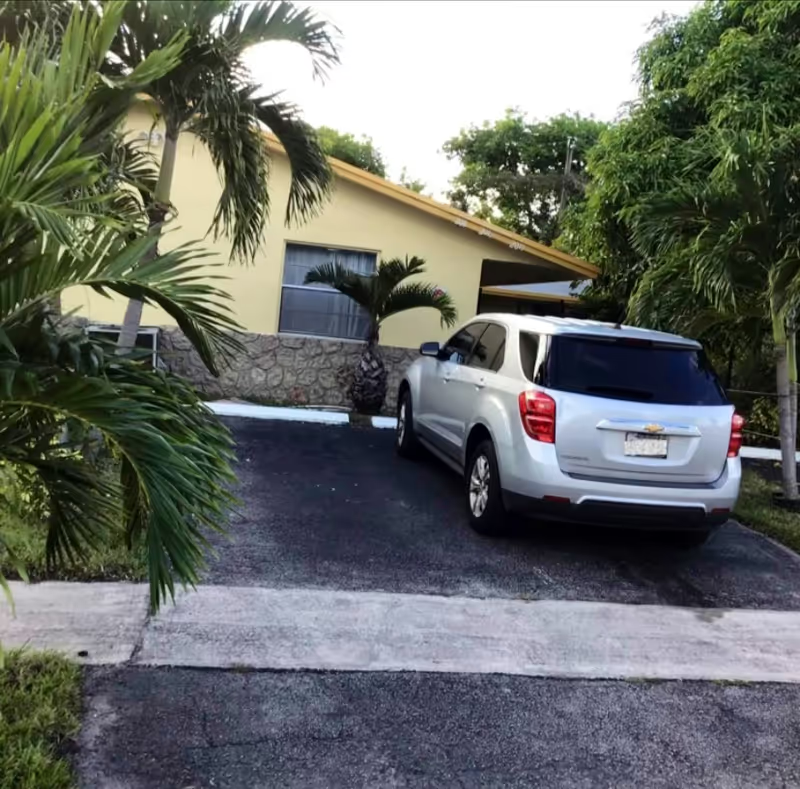
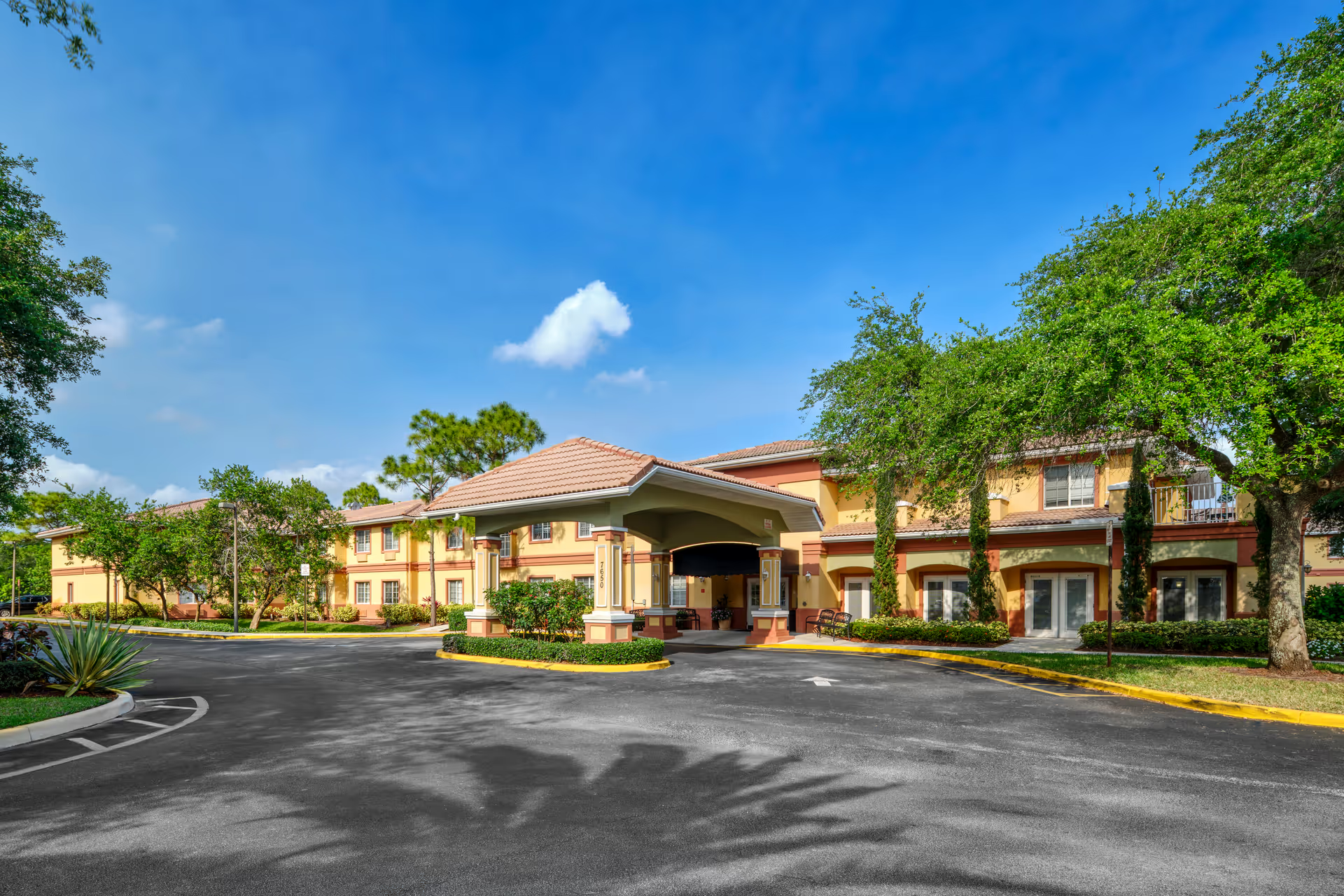
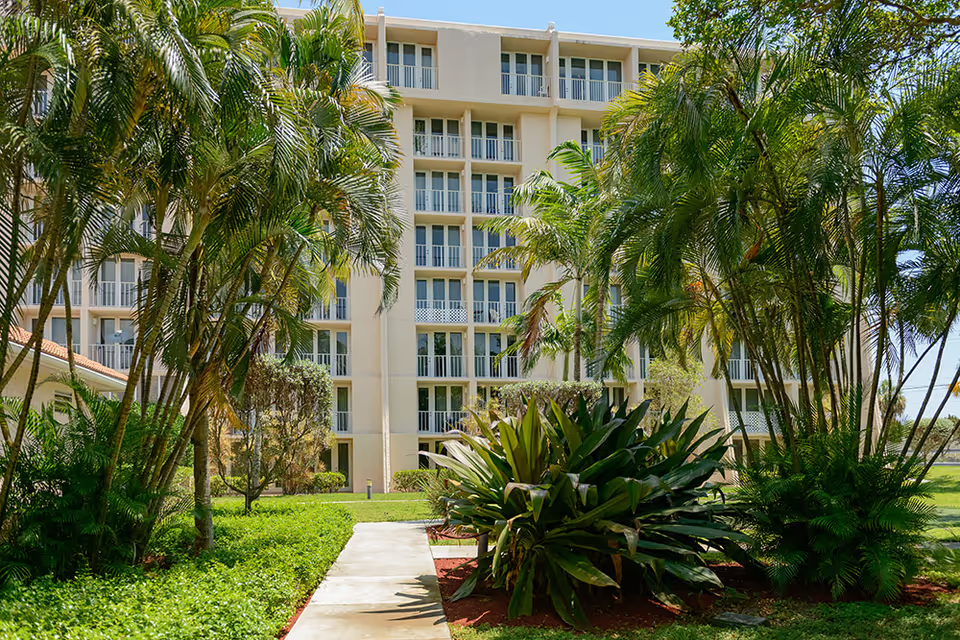
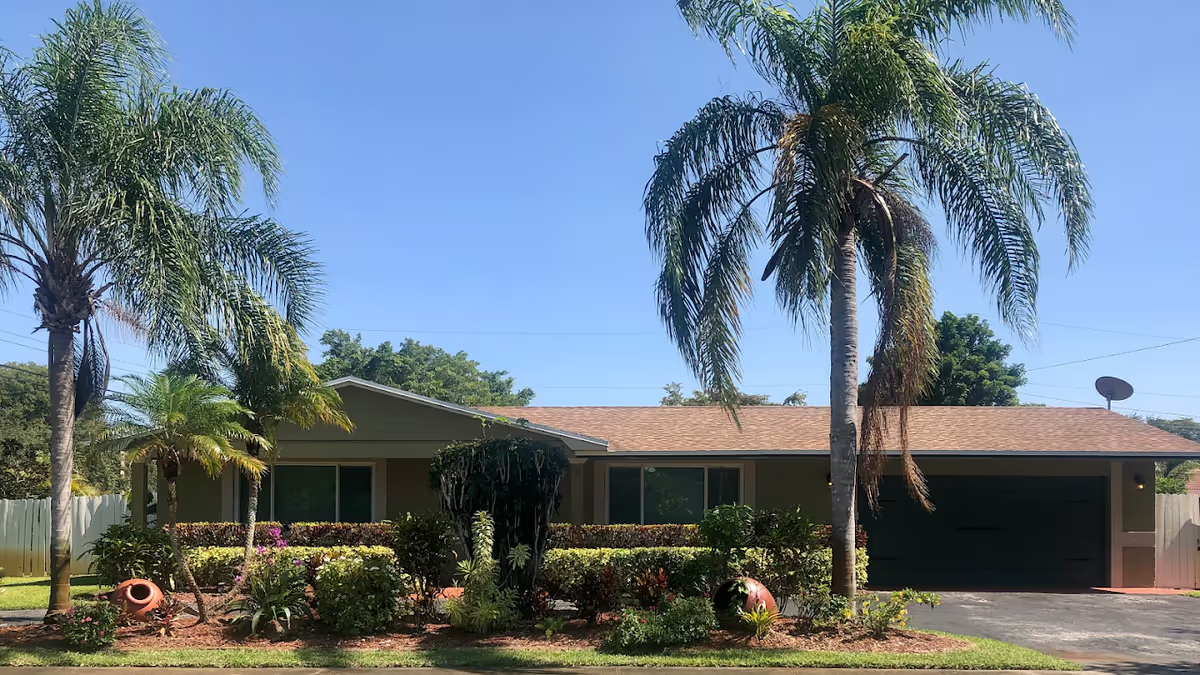
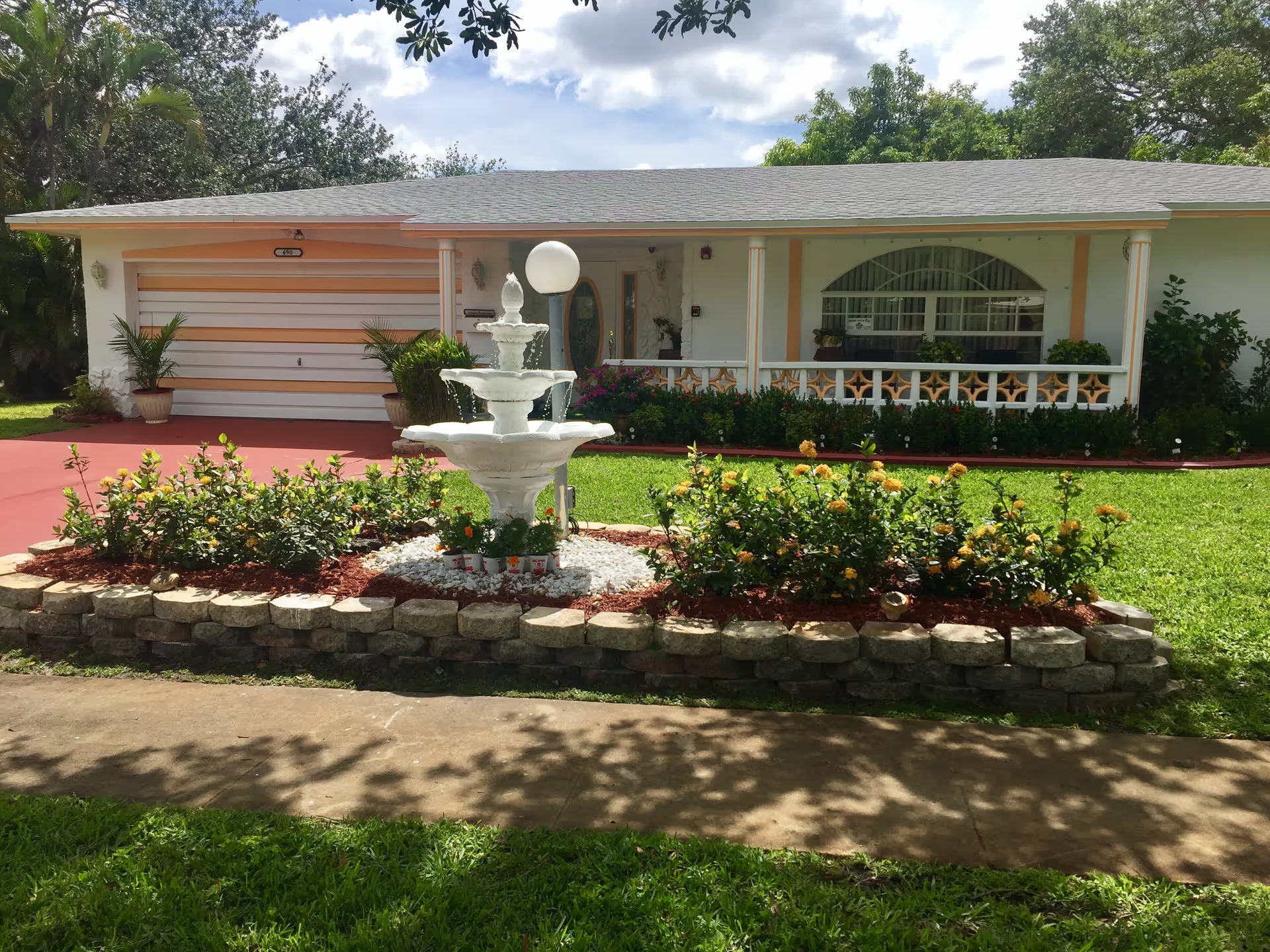
Facilities and maintenance: Physically, Westchester of Sunrise has strengths — spacious apartments, thoughtful bathrooms, good climate control, and visible renovations that improve appeal. Reviewers compliment clean, well-kept areas and attractive communal spaces. Conversely, several accounts cite areas that need repair or updating, temporary disruption from renovations, instances of personal-item misplacement during work, and sanitation or odor concerns in particular zones. Pest-control concerns and maintenance backlogs are cited as operational areas needing attention.
Management and notable patterns: Management has undergone turnover; some reviewers describe recent leadership improvements and an administrator who has driven positive change, while others experienced periods of limited administrative visibility and communication gaps. Cost is a recurring theme: many note competitive rates, yet others express concern about rising fees and insufficient transparency about future plans. There are also a small number of serious individual allegations — including concerns about resident mistreatment, theft, and poor outcomes during short rehab stays — that families should address directly with the facility and through their preferred oversight channels.
Bottom line: Westchester of Sunrise can offer strong rehabilitation services, an engaging activity program, and attractive living spaces at a competitive price. However, variability in staffing, clinical consistency, sanitation and pest-control responses, dining consistency, and administrative stability create a polarized set of experiences. Prospective residents and their families should prioritize an in-person tour, ask for current staffing ratios and medication-handling procedures, review recent inspection or quality reports, confirm therapeutic-meal and allergy accommodations, and obtain written clarification about fees and renovation timelines before making a placement decision.