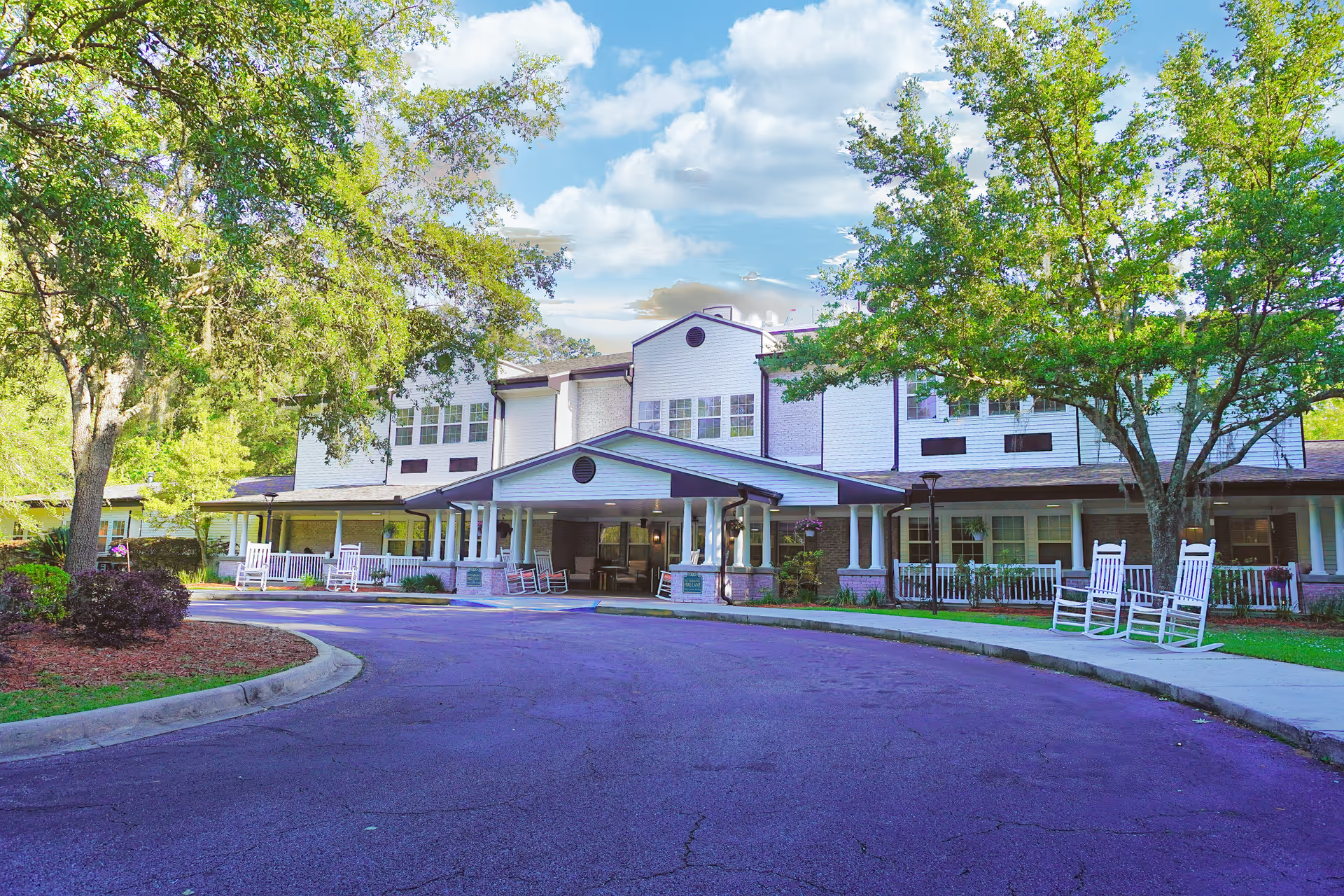
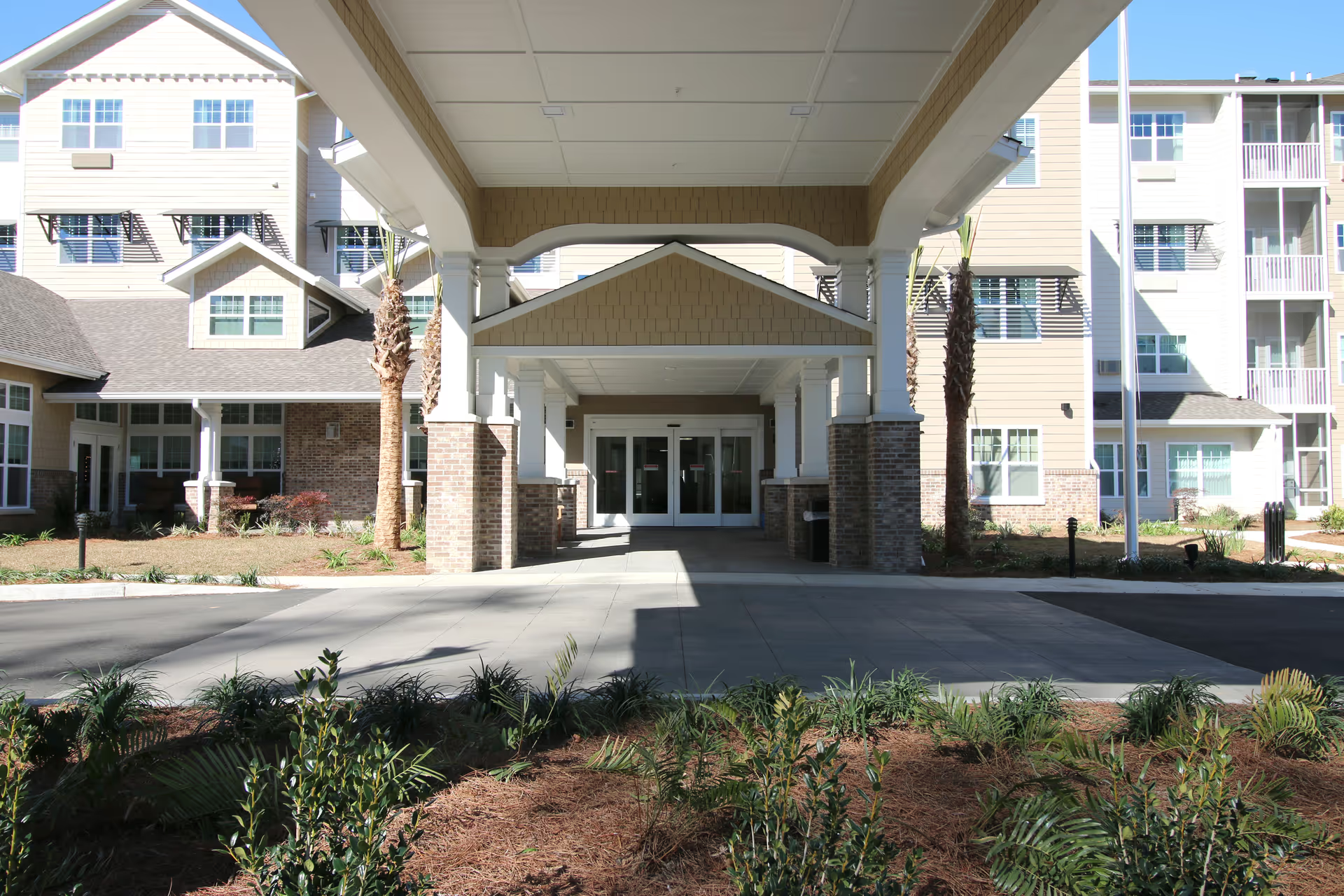
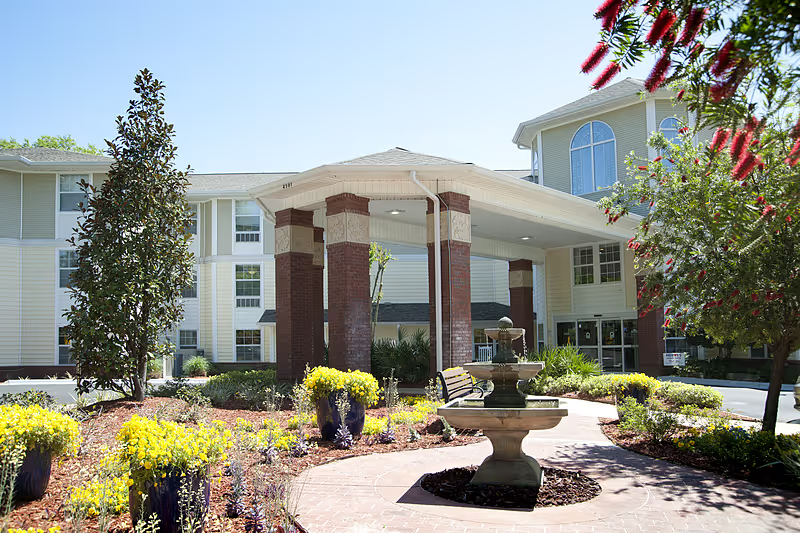
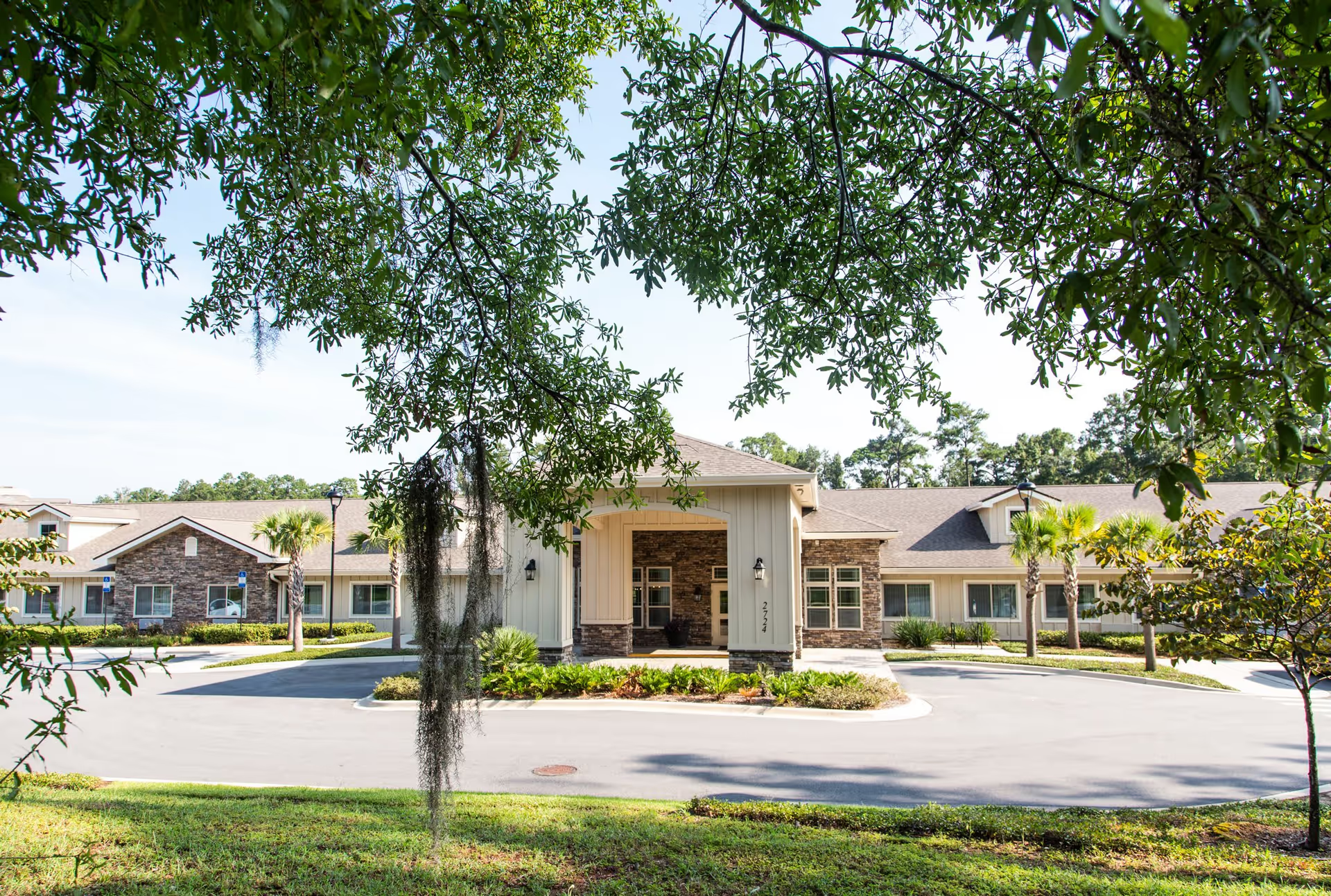
Westminster Oaks presents as a large, well-resourced continuing-care retirement community with many strengths that consistently attract residents and families: a substantial campus with attractive grounds and walking trails, varied housing types (from independent-living apartments to town-home styles and skilled rehabilitation units), and resort-like amenities such as salons, theatres, and multiple dining venues. The community emphasizes maintenance-free living, active resident governance, and plentiful opportunities for volunteering and lifelong learning, including partnerships with local universities. On-site transportation, an active fitness program led by experienced instructors, an indoor heated pool, and robust rehabilitation/therapy services are recurrent positives.
Clinical and direct-care quality receives mixed-but-often-favorable commentary. Many reviewers praise compassionate nursing and direct-care staff, effective rehab therapists, and successful short-term rehab outcomes. The continuing-care model and availability of multiple care levels is viewed as a major advantage for people seeking stability across health stages. At the same time, reviewers describe variability in staffing coverage and responsiveness; this appears to manifest as occasional delays in one-on-one attention, uneven therapy scheduling versus initial promises, and some medication-management lapses. Prospective residents should clarify staffing ratios, medication-administration protocols, and therapy frequency expectations during their tour and contract review.
Dining and programming are clear selling points: reviewers note high-quality and varied menus, both sit-down and bistro-style options, and frequent musical and cultural events. Fitness classes, group exercise, and specialty programs (table tennis teams, resident-led committees, academic courses) contribute to a socially active environment. That said, activity quality is sometimes characterized as variable—some sessions are highly engaging while others feel passive—and special-diet accommodations are not always consistent. Families should confirm how dietary restrictions and individualized meal plans are handled.
Facilities and campus features generally receive strong praise for landscaping, accessibility, and amenity breadth. Some living units and memory-care rooms are described as compact; additionally, parts of the care environment are perceived as having a semi-institutional aesthetic, particularly in certain care wings. Reviewers also cited localized maintenance and safety issues such as uneven sidewalks and specific pool accessibility limitations. Of particular operational importance is the memory-care licensing and capacity: there are indications of limited on-site memory-care scope that can require off-campus transfer if needs exceed the center’s licensed services. Contractual and financial terms are also material considerations—entrance fees can be substantial, waiting lists exist, and fee increases have been noted, though some contracts include short-term refundable buy-in options and financial-protection language.
Management and administration elicit mixed impressions. Many users describe helpful, personable managers and coordinated admissions experiences; others cite communication shortcomings, inconsistent follow-through on promised services, and variability in leadership performance. Cleanliness and sanitation are generally satisfactory, but there are intermittent comments about odor concerns in some common areas and about occasional lapses in housekeeping responsiveness. Overall, Westminster Oaks is positioned as a high-end, activity-rich campus with strong rehabilitation and dining offerings and a family-like resident culture; however, prospective residents and families should perform targeted due diligence on staffing patterns, medication and therapy protocols, memory-care licensing and room sizes, special-diet accommodations, and the financial terms of the entrance-fee contract before committing.