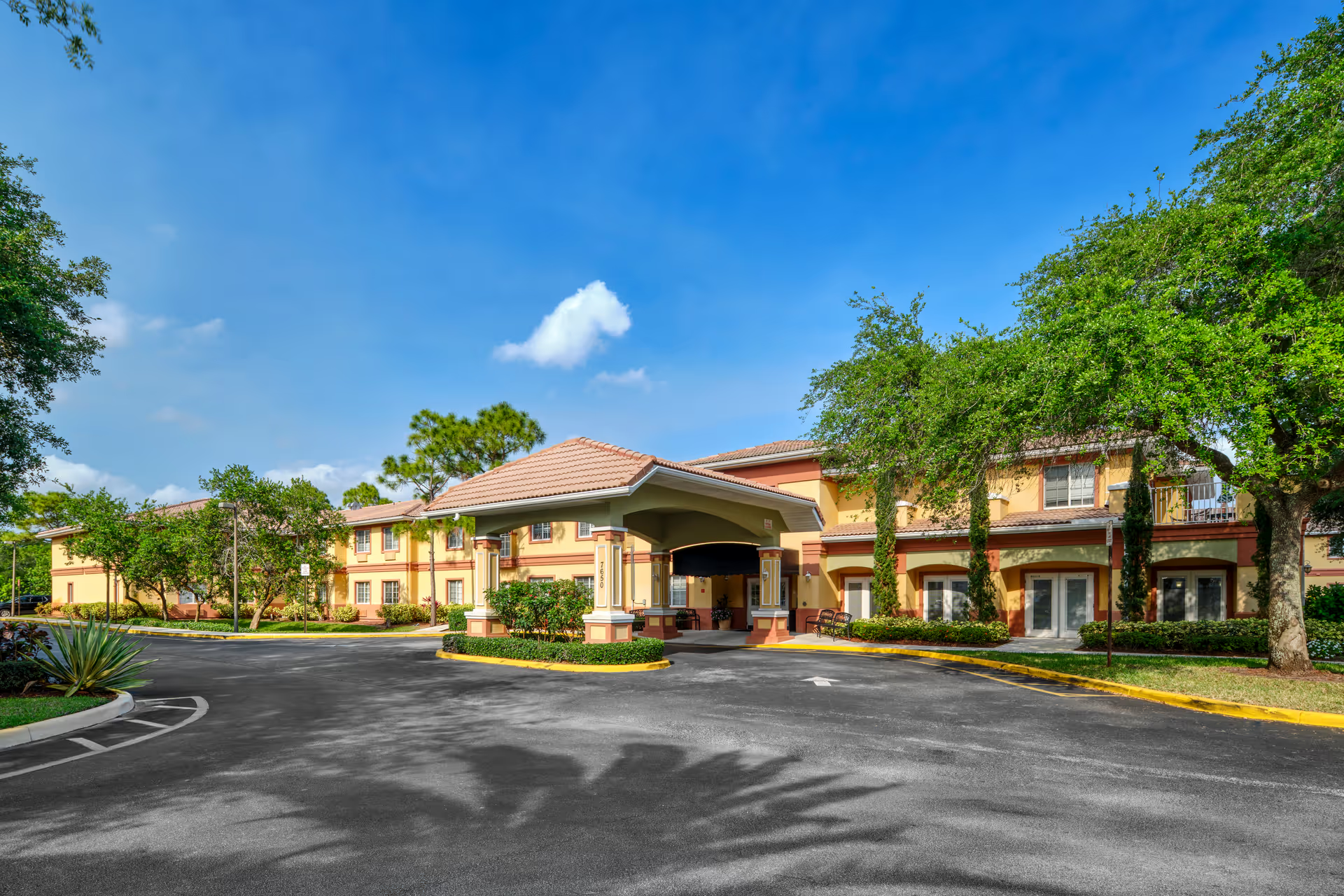
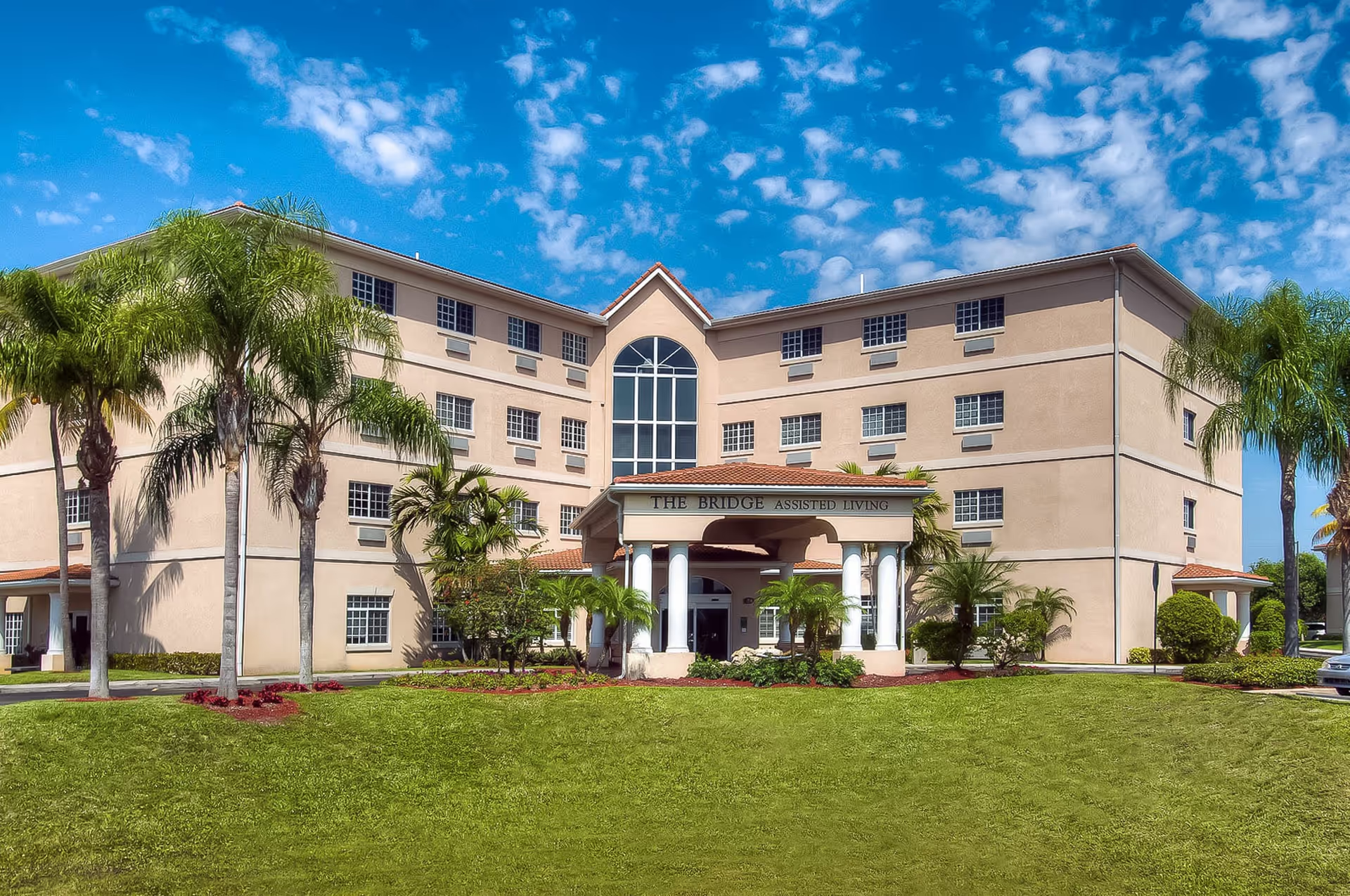
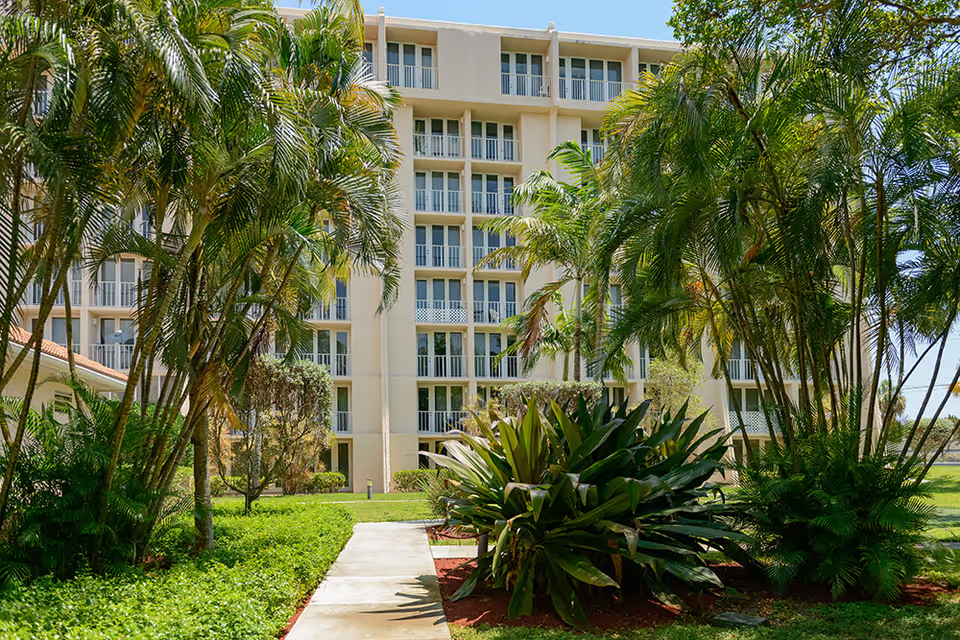
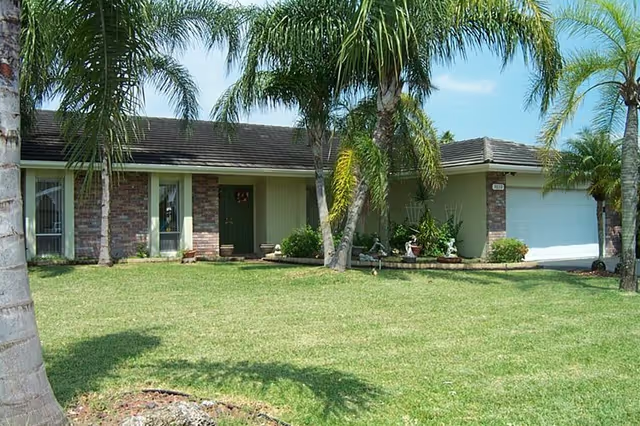
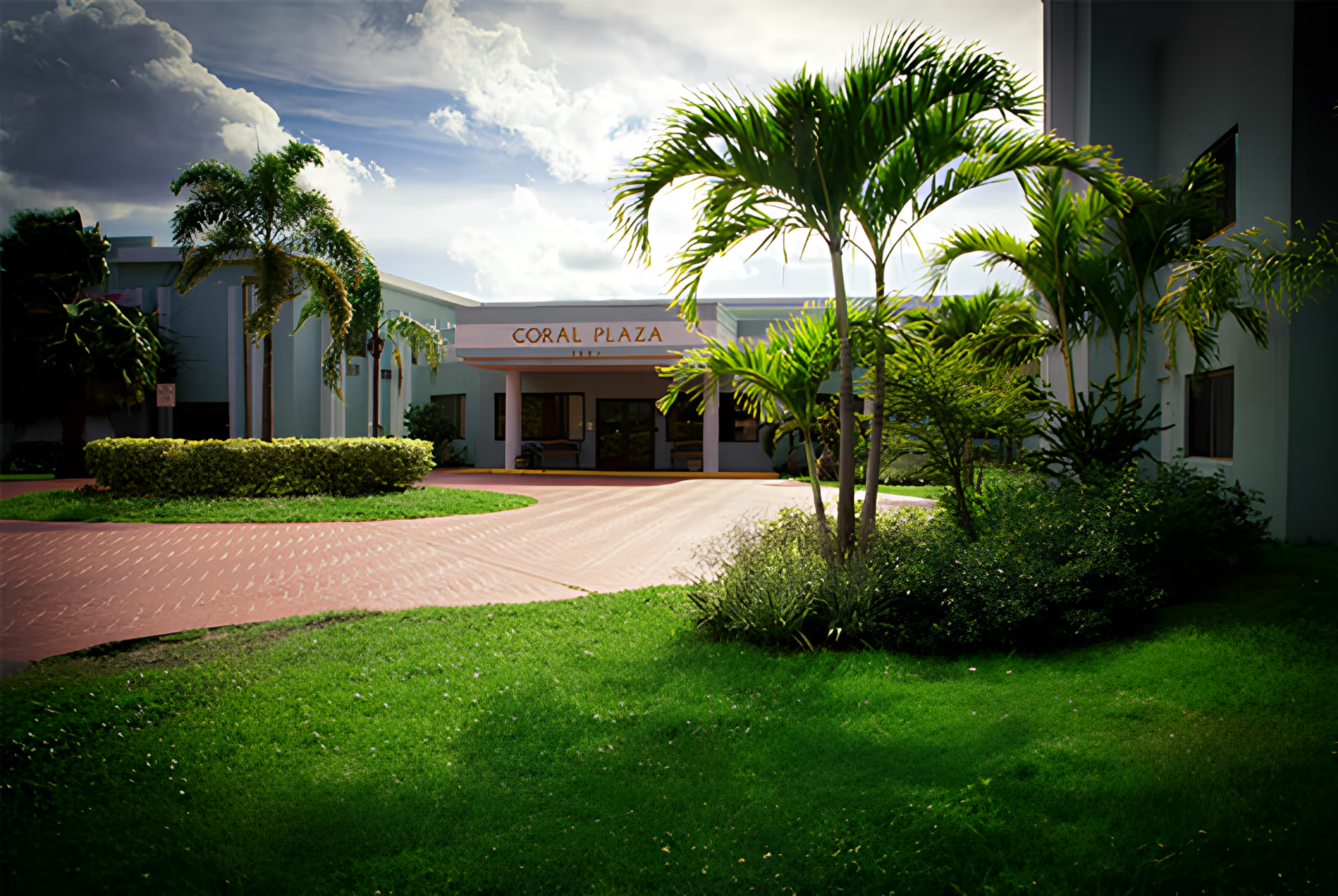
HarborChase of Tamarac presents as a well-appointed, resort-like senior living community with many operational strengths alongside recognizable operational inconsistencies. Families consistently praise the facility's grounds, interior finishes, and private apartment features (garden views, good natural light, and decorate-friendly layouts). The campus offers a broad range of amenities — salon, chapel, therapy and exercise rooms, library and computer space, whirlpool, and multiple social areas — and many reviewers described the overall environment as welcoming and home-like.
Care quality and staff: A substantial portion of feedback highlights compassionate, attentive caregivers and experienced nursing leadership. Several families cited long-tenured staff members and named individual staff for exemplary support; many also described proactive clinical follow-through, timely assistance, and dignified resident interactions. At the same time, there is a clear pattern of inconsistency: staffing levels and staff conscientiousness can fluctuate, and some families reported delays in responsiveness or concerns about conduct. There are also comments about reliance on outside or agency clinical personnel for acute events, which some families found unsatisfactory. Overall, clinical leadership appears strong, but operational staffing stability is an area of variability.
Dining and nutrition: Dining is frequently noted as a positive. Reviewers describe appetizing meals, special-event dining, accommodated pureed diets, and kitchen responsiveness to special requests. The dining program includes social meals and occasional themed events that contribute to resident satisfaction. A minority of comments referenced repetitive menus or inconsistent meal quality in specific instances, indicating variability in food experience rather than a systemic failure.
Activities and engagement: Activity programming is a visible strength in many accounts. The community offers a wide range of activities (music, dances, outings, exercise classes, bingo, gardening, and memory-focused programs) and active social opportunities that many residents enjoy. That said, engagement levels and the perceived energy of the activity program vary; some families felt offerings were limited during lockdown periods or that particular activity leadership was less effective.
Facilities and maintenance: The campus is regularly described as clean and attractively landscaped, supporting a resort-like impression. Private-room sizes and amenities are often praised. However, reviewers also noted uneven maintenance in certain areas — roof leaks, wetness, older or run-down rooms in places, and navigation difficulties because wings can look similar. Occasional sanitation and odor concerns in select common areas or guest rooms were reported, indicating that cleanliness standards may be inconsistent across the large property.
Management and communication: Administrative leadership, including the administrator and director-level staff, receives positive comments for accessibility and hands-on management. Many families reported responsive email and photo/video updates, active move-in support, and proactive family outreach. Conversely, some families reported breakdowns in communication, unmet promises to follow up, and inadequate resolution of specific concerns. There are also isolated, serious allegations concerning mishandled personal medical items; these are individual but significant and underscore the need for clear item-management and documentation processes.
Notable patterns and guidance for families: The overall pattern is one of a broadly well-resourced community with strong leadership, appealing amenities, and many cases of high-quality, compassionate care. Important cautions are recurring operational themes: inconsistent direct-care staffing, variable cleanliness or maintenance in parts of the facility, episodic communication failures, and higher cost relative to alternatives. Prospective residents and families should tour multiple times, ask for recent staffing-stability metrics, review laundry and personal-item handling policies, request examples of clinical incident protocols (including use of agency staff), and sample meals and activities. For families of people with memory-care needs, the community's memory-focused programs and secure design are strengths, but prospective residents should verify how program engagement is sustained across shifts and over time.