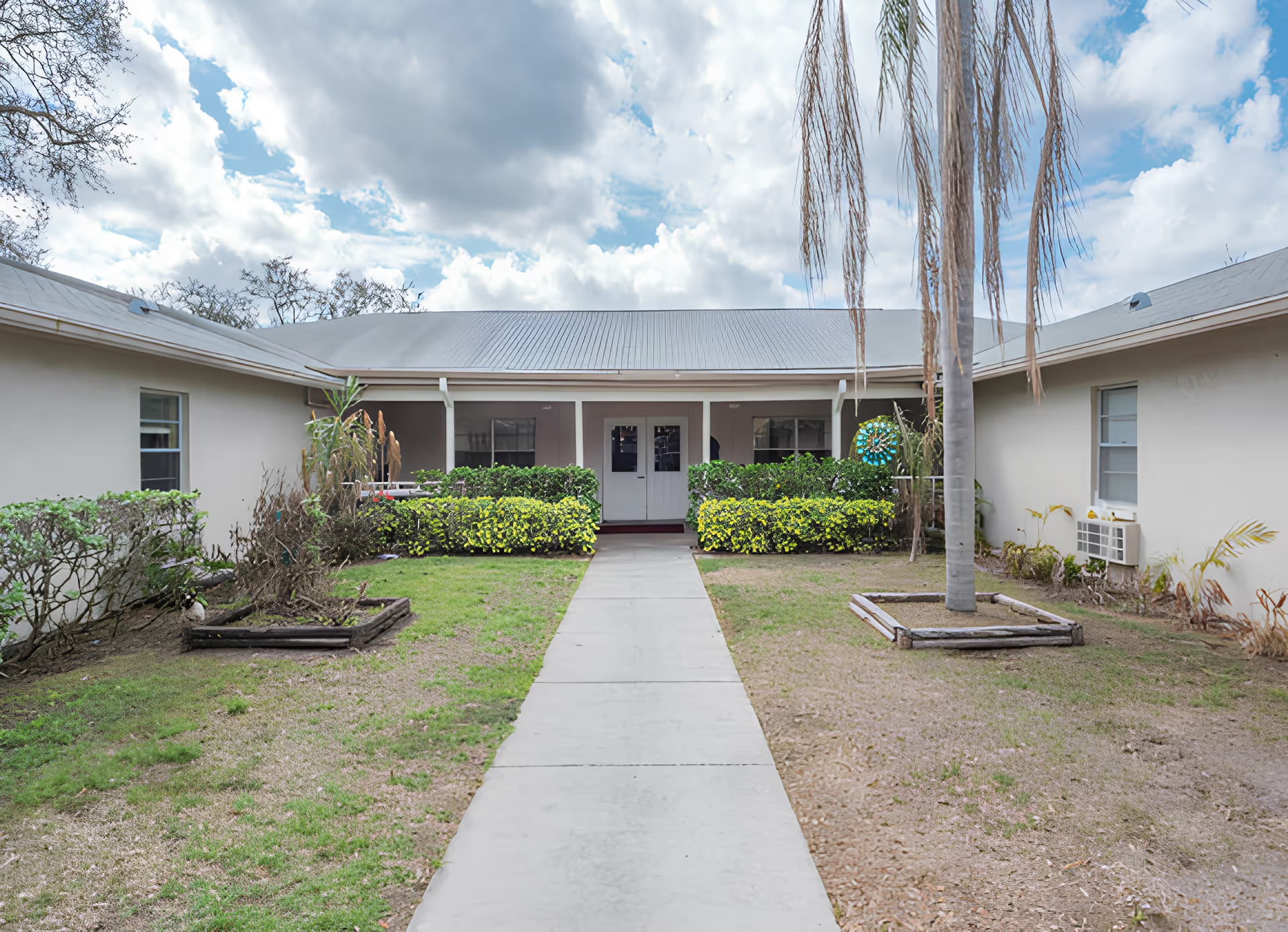
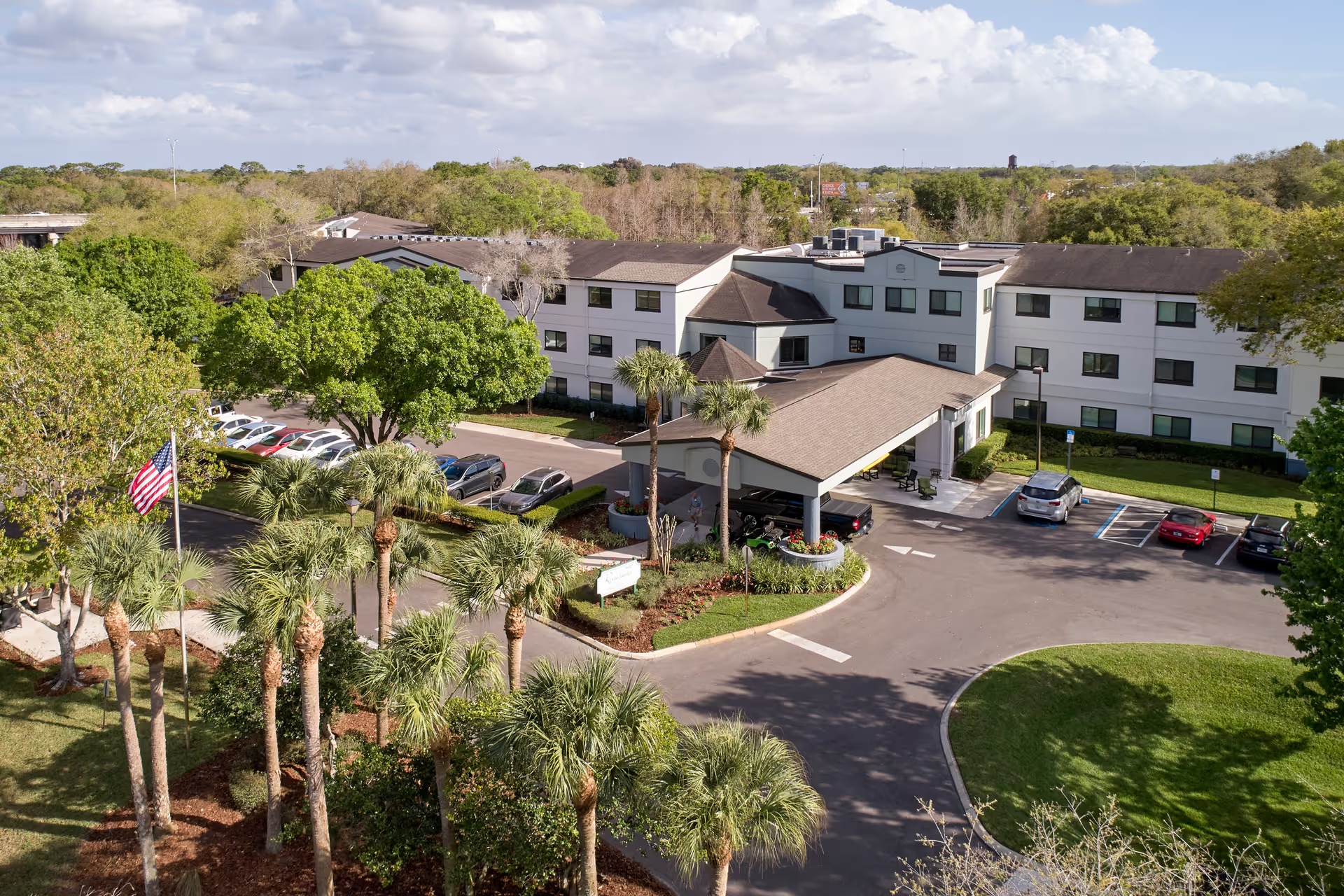
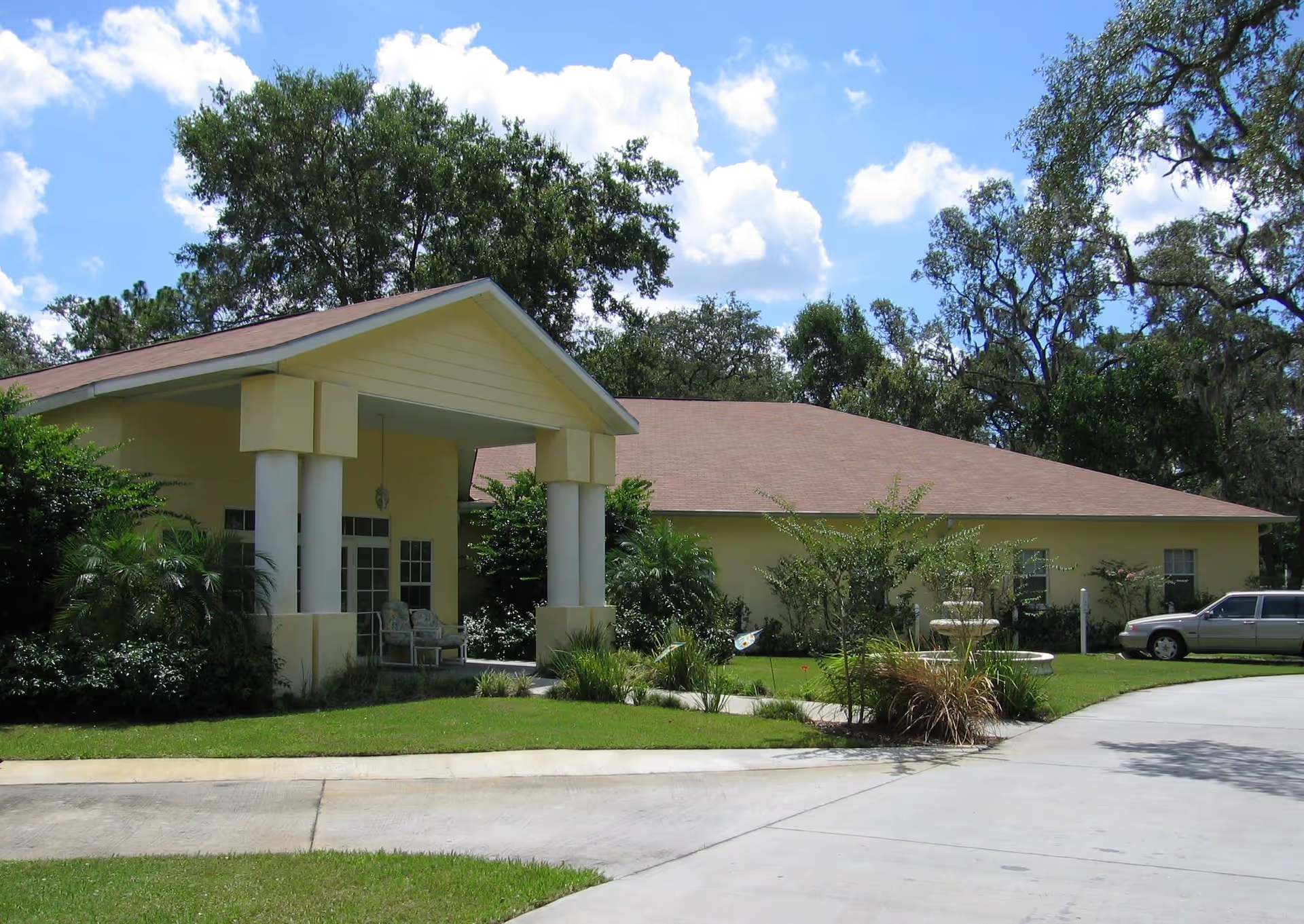
Reviews present a mixed but thematically consistent picture of Angels Senior Living at New Tampa. Many families and visitors praise the physical environment: the building is described as relatively new, bright, and tastefully decorated with accessible bathrooms and pleasant outdoor seating. Numerous comments emphasize a clean, well-maintained interior and effective COVID precautions. Admissions and move-in support receive frequent positive mention; several accounts describe staff who assisted with unpacking, room set-up, and transition logistics, which contributed to an initial positive impression for many families.
Care quality and clinical operations appear inconsistent across reviews. Positive accounts highlight compassionate, attentive caregivers who engage residents by name and provide meaningful support; there are also strong endorsements for rehab coordination and end-of-life care. Conversely, other reviews raise substantive concerns about care responsiveness and medication handling. Themes include delays in attending to resident requests, inconsistent bathing and laundry schedules, and medication-management weaknesses such as missed medication transfers, visible medication storage, and dosing/administration lapses. There are also recurring incontinence-care and sanitation concerns described by some families. Taken together, these comments point to variability in day-to-day clinical reliability rather than a uniform pattern of care.
Staffing, culture, and communication are another area of contrast. Many reviewers praise individual staff members and frontline caregivers for compassion and dedication; several staff and managers are singled out for above-and-beyond efforts. At the same time, staffing shortages, high turnover, and reports of underqualified or insufficiently trained personnel are frequent themes. These operational stresses are linked in reviews to delays in service, inconsistent housekeeping and maintenance responsiveness, and uneven front-desk coverage. Communication and incident response also show variability: positive accounts note engaged directors and responsive management, while other families describe difficulty reaching administrators, delayed notifications after incidents, and concerns about follow-up care coordination.
Dining, activities, and amenities receive mixed evaluations. Multiple reviewers appreciate the range of activities, organized memory-care programming, and many amenities on-site; some residents are reported to be lively and engaged. However, others describe a decline or inconsistency in meal quality and menu variety (including reduced entrée choices), occasional food preparation concerns, and activity sessions that are scheduled but not uniformly engaging for all memory-care residents. Memory-care areas are physically secure but reviewers differ on the level of resident engagement and preparatory condition of activity spaces.
Facilities and management practices show both strengths and operational gaps. Positive impressions focus on cleanliness, decor, accessible room design, and pleasant grounds. Negative themes include unfinished apartment turnover on move-in, delayed maintenance repairs, occasional odor concerns, and perceived lapses in building security procedures. Administrative issues range from billing and financial-administration errors to inconsistent enforcement of staffing models and service commitments. In sum, the facility appears to deliver high-quality experiences for many residents, driven by committed individual staff, but systemic operational weaknesses — particularly inconsistent staffing, training, medication controls, and communication — lead to variable outcomes. Prospective residents and families should weigh the facility’s strong environmental and staff-driven positives against these variability risks and consider asking for written care plans, staffing ratios, medication-safety protocols, and examples of recent corrective actions during touring and admissions conversations.