Concordia Village of Tampa presents a mixed profile: many reviewers describe an active campus with a strong activities program, successful short-term rehabilitation services, and a variety of amenities, while others describe persistent operational and clinical concerns. The community's strengths include an engaged activities team (frequently named), effective physical-therapy departments, multiple dining venues, and a campus layout with outdoor walking areas, a pool, and on-site services that are convenient for families and residents. Admissions and some administrators receive positive mentions for being helpful and hands-on, and many families note compassionate individual caregivers and positive short-stay rehab outcomes.
Care quality and clinical safety are areas of notable variability. Several accounts point to inconsistent clinical care between shifts, delayed responses to call lights, and gaps in clinical follow-up such as delayed wound care or inconsistent incontinence-related support. More serious safety concerns have been described, including medication-administration errors and infection-related events; some reviews reference regulatory attention. These accounts suggest the facility has experienced breakdowns in medication-safety processes, wound-care continuity, and infection-control practices at times. Prospective families should ask about current staffing levels, medication-safety protocols, wound-care pathways, and any recent regulatory findings or corrective actions.
Staffing and staff conduct appear bifurcated: many reviewers praise individual nurses, CNAs, therapists, and activity staff for being compassionate and attentive, while other reviewers describe rude tone, delays in attending to residents, and inconsistency in professionalism. Understaffing is a recurring operational theme that reviewers link to longer wait times, especially on certain shifts and weekends, and to variability in the quality of day-to-day care.
Dining and activities are generally highlighted as strengths but inconsistent. The activities program is repeatedly described as robust, creative, and inclusive, contributing positively to resident engagement and quality of life. Dining impressions range from favorable (fresh, hot meals and special ordering options) to critical (declining produce quality, repetitive menus, and occasional poor meal preparation). Visiting families should sample meals and ask about menu rotation and dietitian oversight.
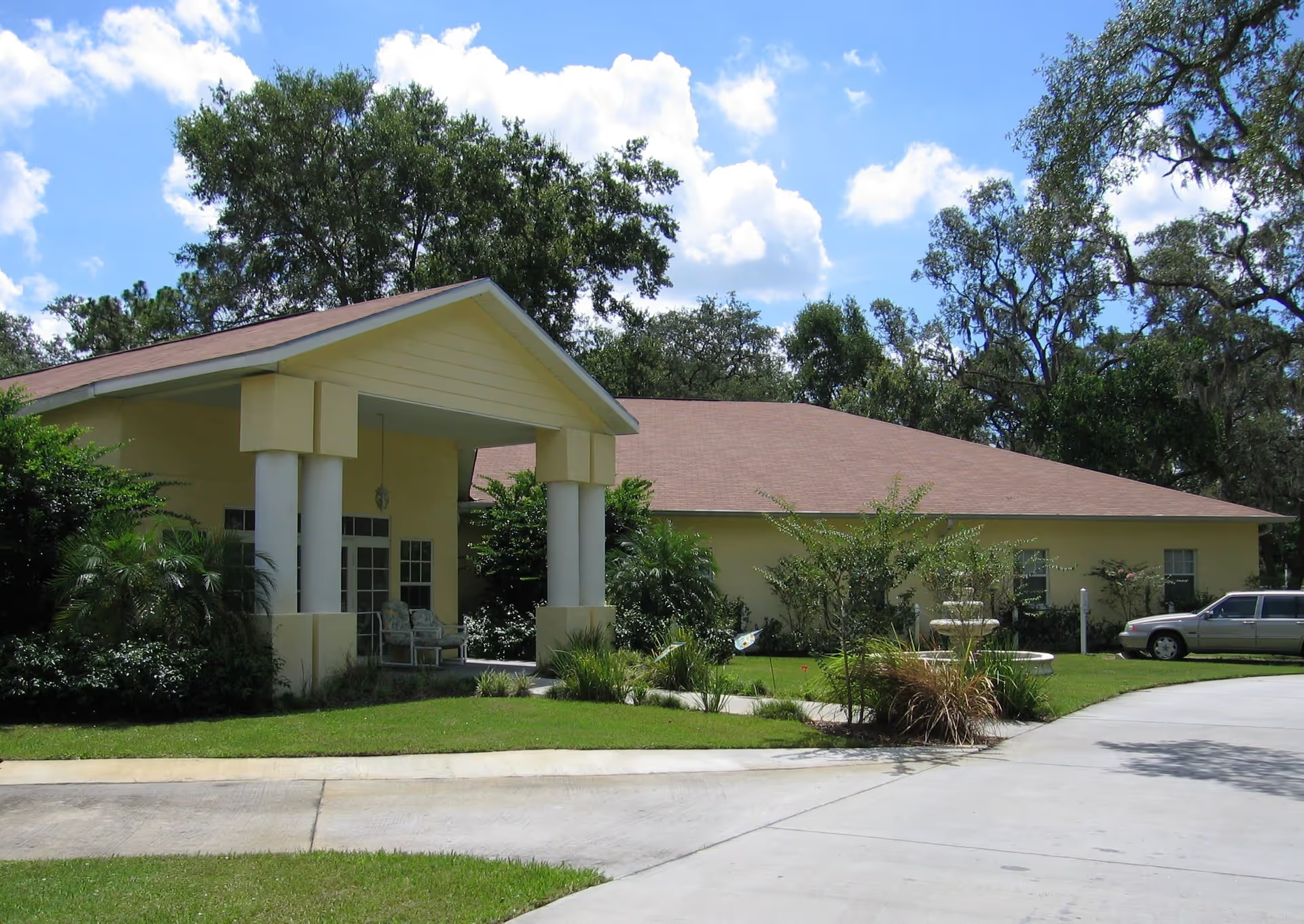
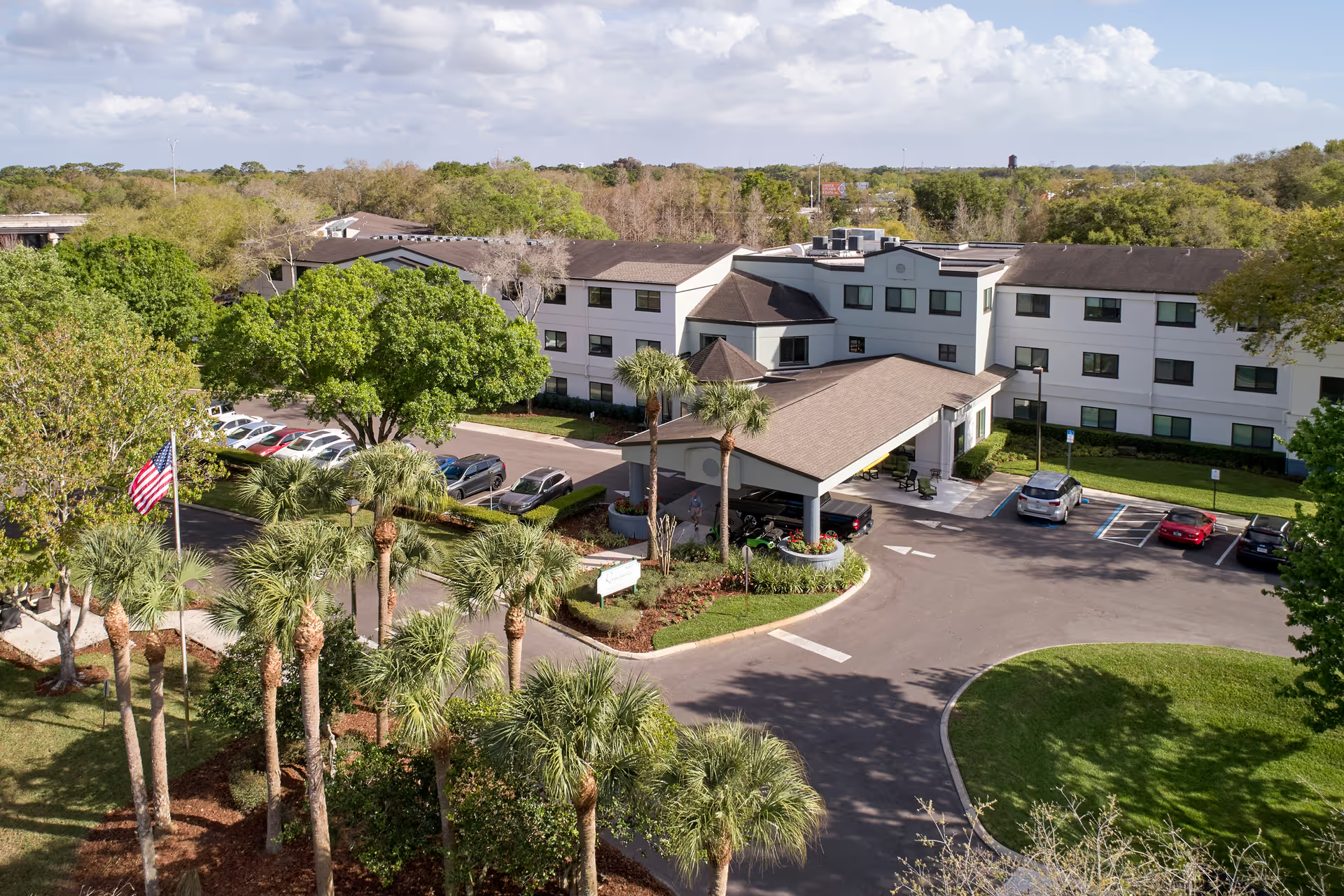
Facilities and maintenance feedback is mixed. The campus and grounds are often described as attractive and well maintained, with pleasant common spaces. At the same time, multiple reviews cite aging building areas, HVAC and air-quality issues in certain units, peeling paint, and localized cleanliness or sanitation concerns in some halls and dining areas. Accessibility barriers and intermittent equipment or elevator outages have also been reported; these point to maintenance and capital-improvement needs in parts of the community.
Management and operational practices show variability as well. Several families commend responsive admissions staff and particular administrators, while others describe poor family communication, coordination gaps during transfers and discharges, missing personal items, and billing or property-tracking problems. These operational issues appear to contribute to frustration even when individual caregiving staff are highly rated.
Notable overall pattern: experiences cluster at two poles — many positive reports of excellent activities, helpful admissions, and effective short-term rehab, versus a set of reports describing inconsistent clinical care, staffing shortages, sanitation and maintenance problems, and occasional serious safety events. That polarization suggests the resident experience may depend heavily on unit assignment, shift, and recent staffing/capital conditions.
Recommendations for prospective residents and families: tour multiple unit types at different times of day, meet nursing leadership, request documentation of medication-safety and infection-control policies, review recent state surveys or corrective-action plans, inquire about staffing ratios by shift, verify private-room availability if privacy is a concern, and ask for specifics about meal planning and laundry/property procedures. These steps can help assess whether the current operational conditions align with your expectations and care needs.