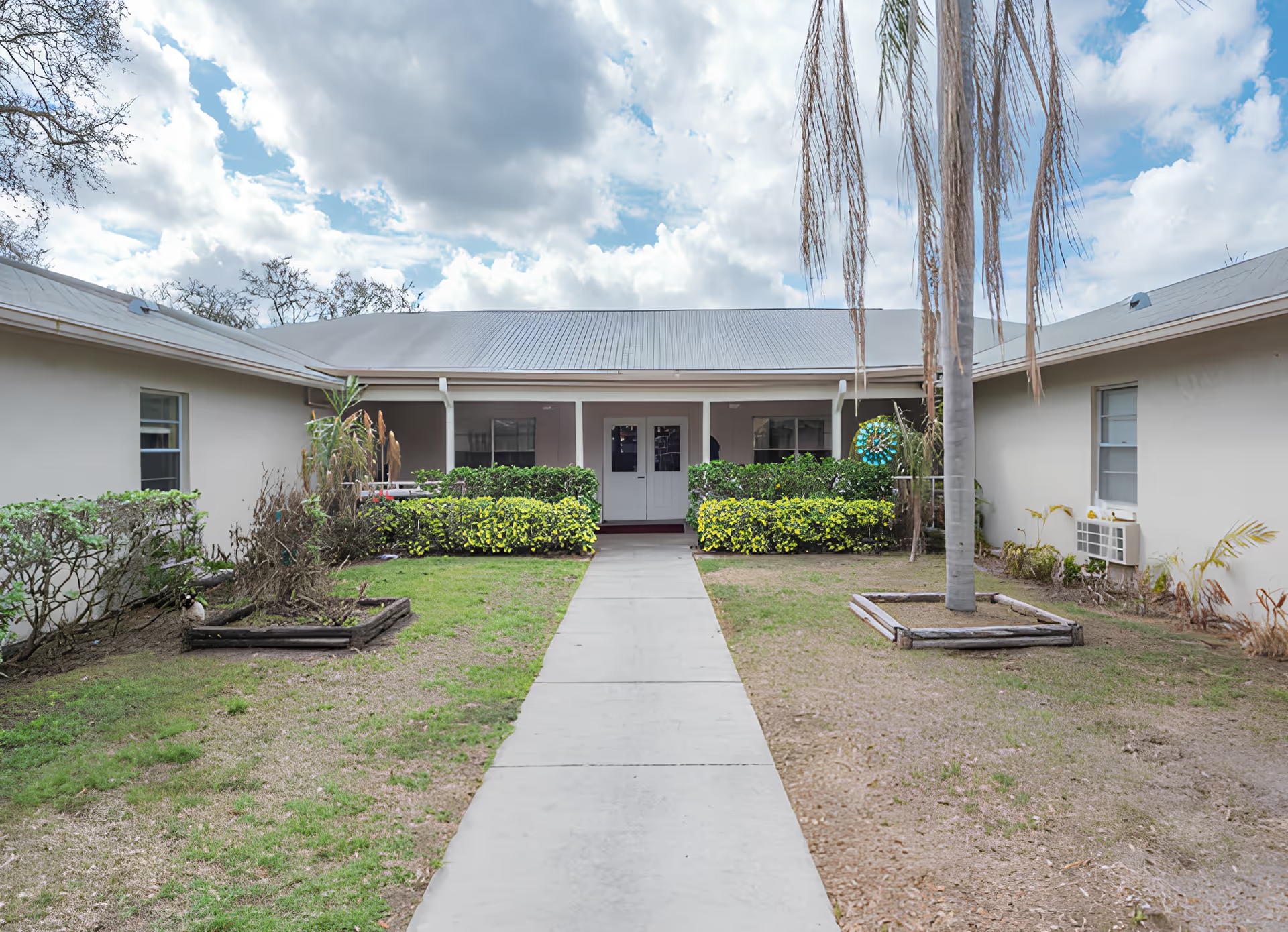
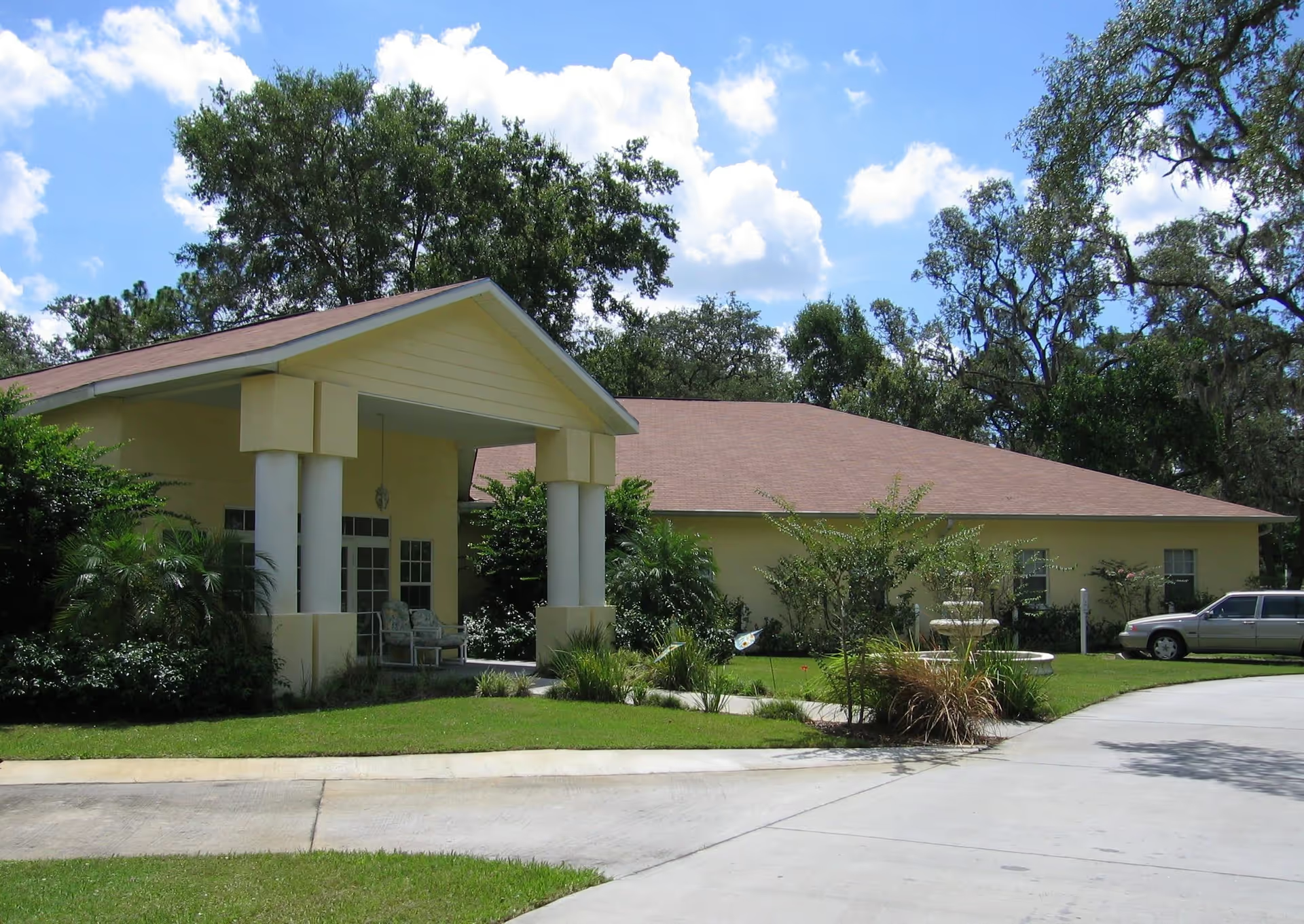
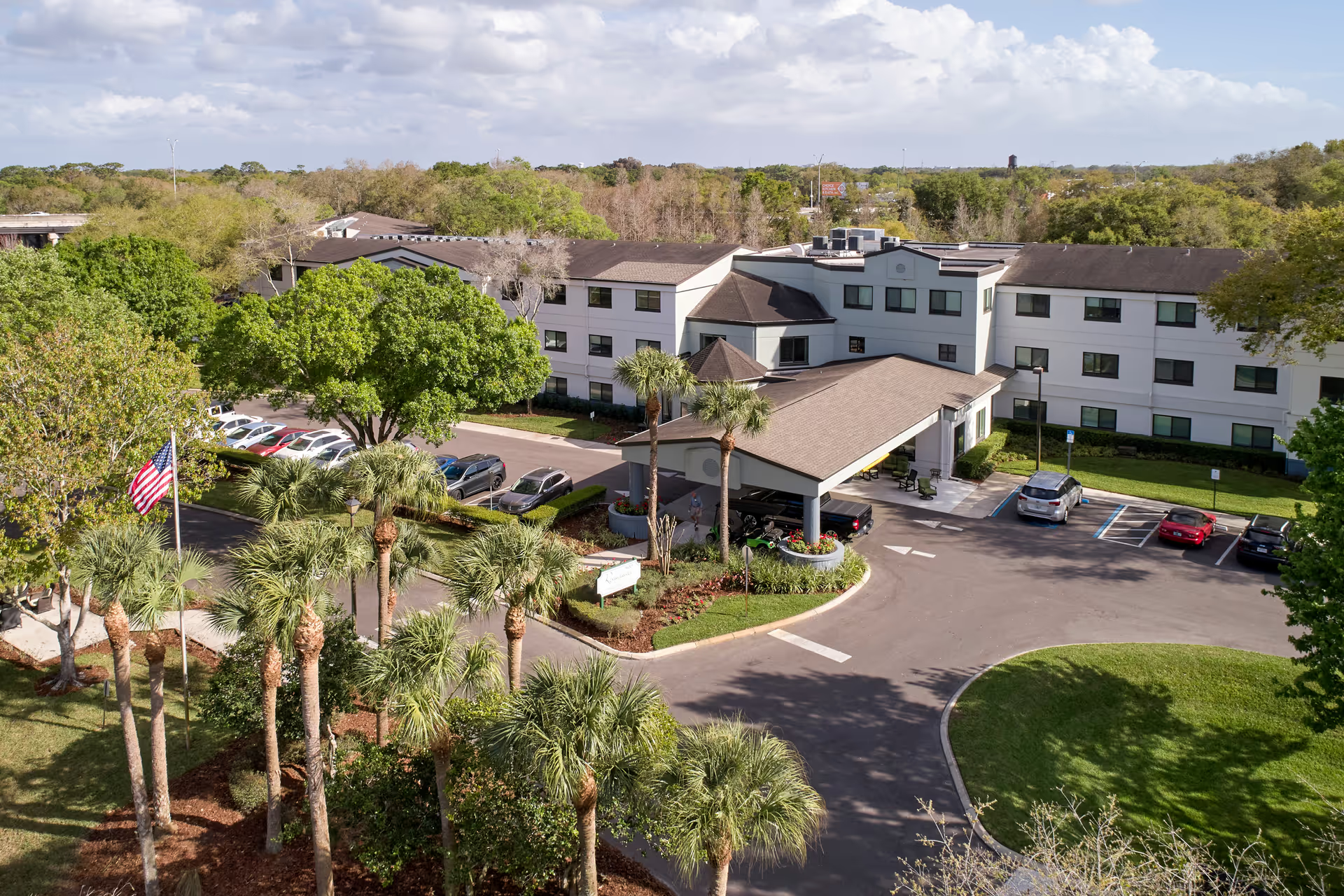
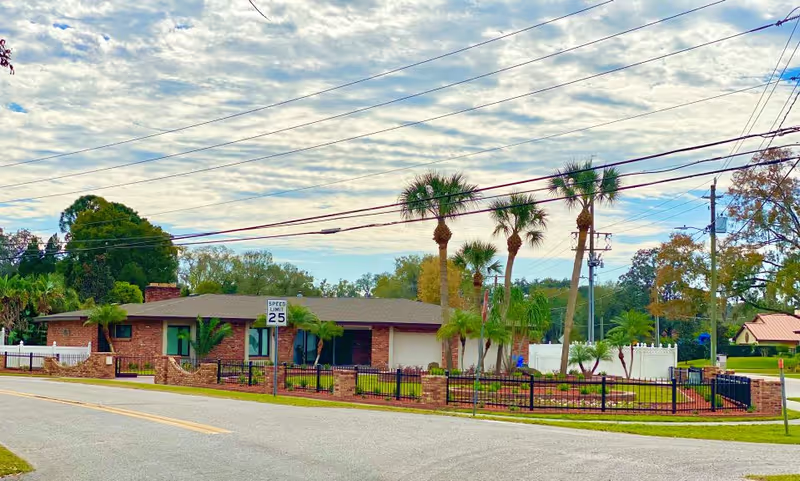
The reviews of Fairway Oaks Center describe a facility with meaningful strengths alongside recurring operational weaknesses. Positively, many families and patients praised the caregiving and therapy teams: several accounts highlight compassionate nurses and CNAs, individual employees who went above and beyond, and a rehabilitation department that produced measurable functional gains. The facility’s outdoor spaces and garden areas are frequently described as well kept, and a number of reviewers emphasized positive admission experiences, responsive front-desk staff, effective discharge planning, and engaging activity programming (including arts, spiritual groups, and social events) that contribute to resident well-being.
At the same time, a consistent pattern of care-quality and operational concerns appears across reviews. Staffing inconsistency—including heavy use of agency personnel and noticeable differences between shifts—was commonly cited, and families described variability in staff competence and familiarity with individual care plans. Those staffing issues were linked to slower response times to call lights, delays in medication administration (including pain medicines), and gaps in basic care tasks such as regular bathing, toileting assistance, and sheet/linen changes. Reviewers also raised concerns about monitoring of fluid intake and timely attention to acute clinical changes.
Sanitation and environmental maintenance emerged as a second major theme. Several accounts identified odor concerns and inconsistent housekeeping in resident rooms and hallways, along with irregular room-turn procedures. These facility-level sanitation issues were sometimes paired with maintenance items such as hallway leaks or cramped semi-private rooms. Conversely, other reviewers described clean, odor-free areas and praised housekeeping and maintenance staff, underscoring uneven performance across units and shifts.
Communication and management follow-through were described as fragmented in multiple reviews. Families reported inconsistent care-plan meetings, incomplete admissions paperwork, difficulty reaching staff for updates, and variable recognition of physician or surgeon orders. Some reviewers described delayed or inadequate coordination for hospital transfers and hospice transitions. While some leaders and unit managers received praise for responsiveness and advocacy, others were characterized as unhelpful or insufficiently engaged, producing mixed perceptions of administrative effectiveness.
There are also operational safety and property-control concerns to note. Reviews referenced lost or missing personal items and at least one allegation of theft, suggesting weaknesses in possession tracking and security protocols. A small number of serious individual incidents were described, including a medication-related event that led to suspension of a staff member; families cited a lack of explanation or clear accountability in those instances. These accounts suggest the need for stronger incident‑management, documentation, and family communication practices.
For prospective residents and families: the facility appears capable of delivering high-quality rehabilitation and compassionate individual care, particularly when staffing is stable and leadership is engaged. However, variability between shifts, reliance on agency staff, inconsistent housekeeping and incontinence-care practices, and shortcomings in medication/timely clinical escalation and communication are recurring themes. When evaluating Fairway Oaks, consider a focused tour of the specific unit and shifts your loved one would occupy, ask about staff-to-resident ratios and use of agency nurses, review infection-control and possessions-security procedures, request examples of recent care-plan meetings, and confirm processes for medication administration and hospital-transfer escalation.