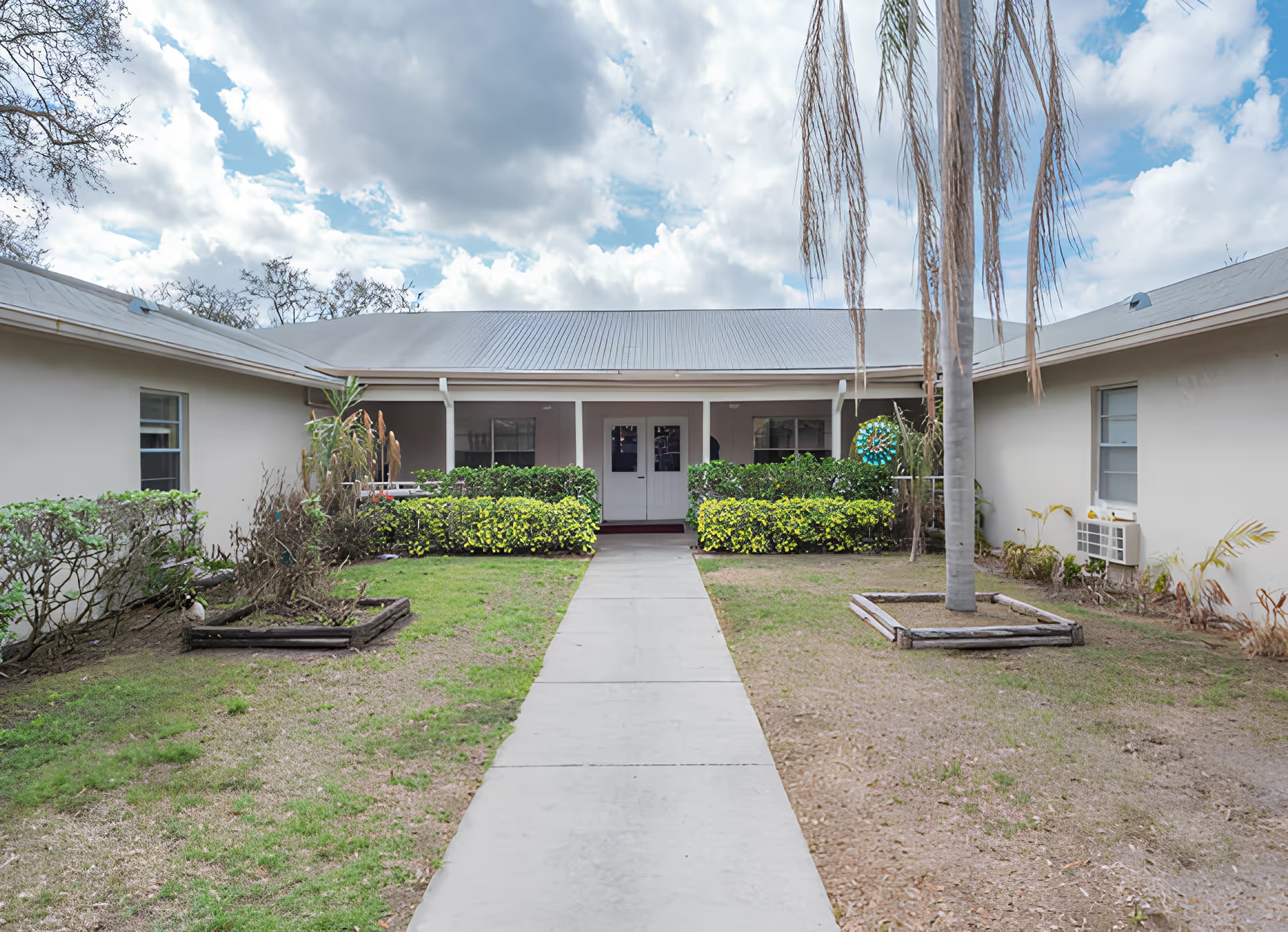
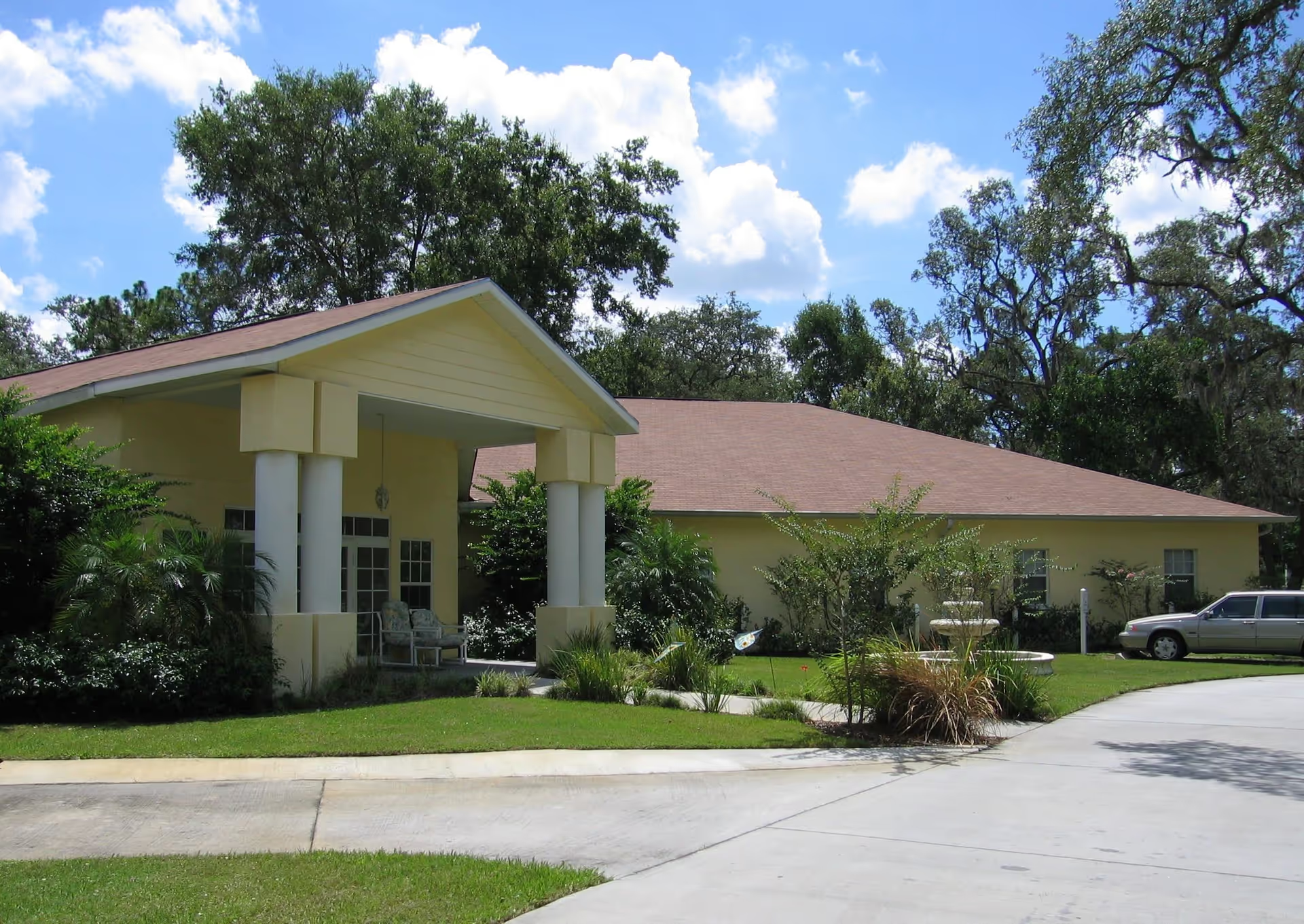
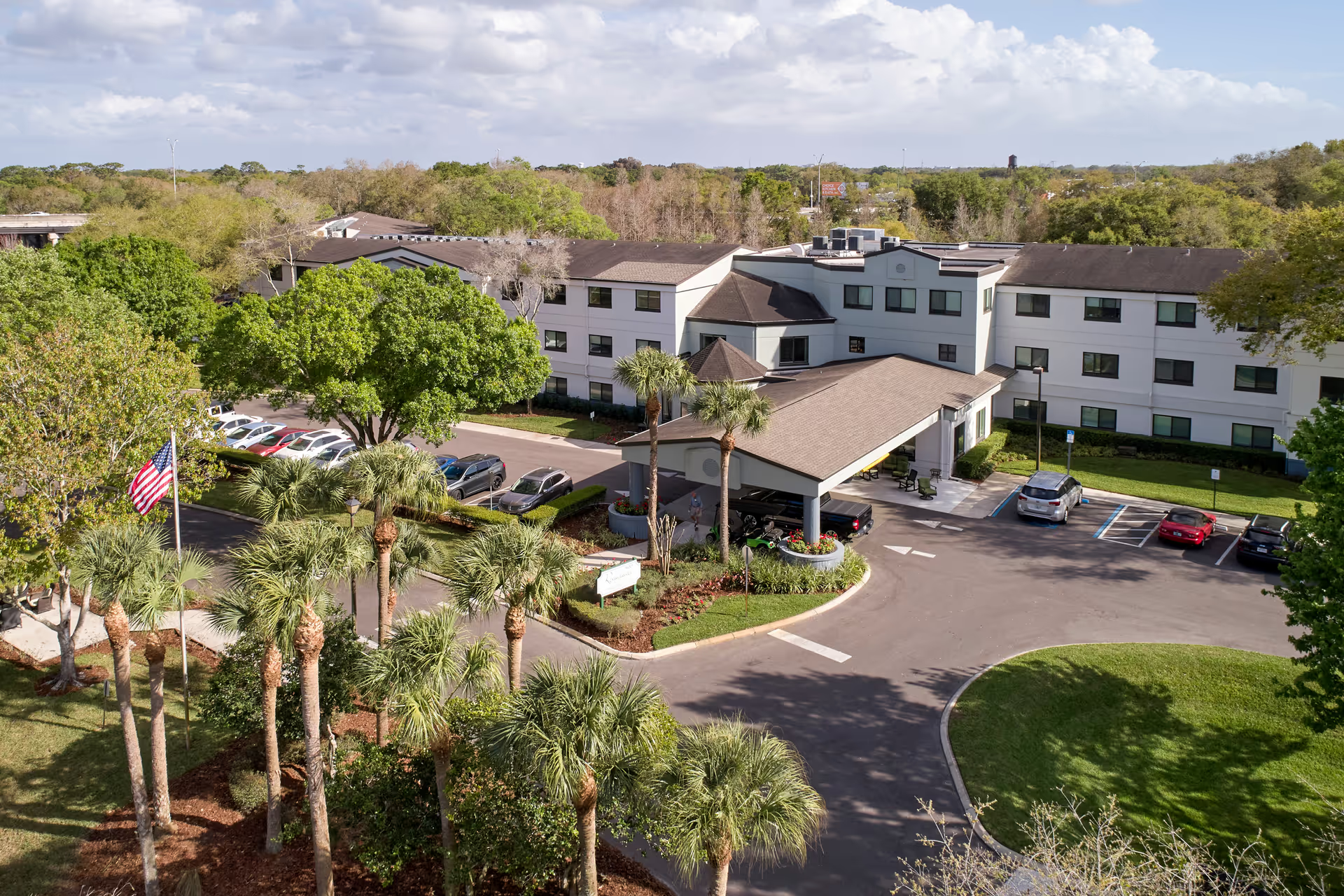
Palm Garden of Tampa elicits a strongly mixed but patternable set of impressions. A substantial body of commentary highlights high-quality rehabilitation and therapy services: physical, occupational, and speech therapy teams are frequently described as knowledgeable, personalized, and effective in restoring mobility and function. Wound care and other specialty therapy services receive similar praise. Many families and former residents characterize the facility as clean, hotel-like, and well maintained, with private-room options and amenity spaces that support a comfortable stay.
Staffing and interpersonal care produce divergent experiences. Numerous accounts commend individual nurses, CNAs, therapists, and specific leaders for compassion, professionalism, and clear communication; visible administrators and a responsive admissions team are repeatedly cited as strengths. Conversely, there are recurring concerns about inconsistent staffing levels, heavy reliance on agency or temporary personnel, and variability in staff skill and conduct. These operational gaps are associated with delays in assistance (call-light response), uneven bedside manner, and variable medication timing and documentation.
Dining and daily living services are similarly mixed. Several reviewers praise restaurant-style dining, meal customization, and occasions when food quality is good. At the same time, others report inconsistent meal quality, issues with meal temperature or substitutions not being honored, and occasional lapses in assistance with feeding. Recreational and spiritual programming is a clear positive: themed activities, live music, bingo, and chapel services contribute to a sense of community and family-like atmosphere for many residents.
Clinical-safety and operational patterns warrant careful consideration. Recurrent themes include sanitation and incontinence-care concerns in particular areas, gaps in clinical-incident response and family notification, and inadequate night/weekend coverage. Maintenance and equipment problems (air-conditioning noise, call-buzzer limitations, broken recliners) have been noted alongside positive remarks about facility upkeep. There are also serious individual accounts referencing hospital transfers, regulatory attention, and concerns following a resident's death; these are not the dominant narrative but are sufficiently severe that prospective families should seek current regulatory records and detailed clinical references.
For prospective residents and families the picture is one of contrasts: strong rehabilitation outcomes, engaged therapy teams, and many compassionate caregivers coexist with operational weaknesses that can affect day-to-day safety and comfort—particularly during off-hours or when agency staff are used. Recommended next steps for families considering this facility are to (1) interview the unit leadership about staffing ratios and agency use at the times their loved one would receive care, (2) ask for recent inspection or survey results and examples of how past incidents were addressed, and (3) request references relating to dementia care, medication administration practices, and incident/notification protocols. This will help balance the facility's clear clinical and amenity strengths against the operational variability described in multiple accounts.