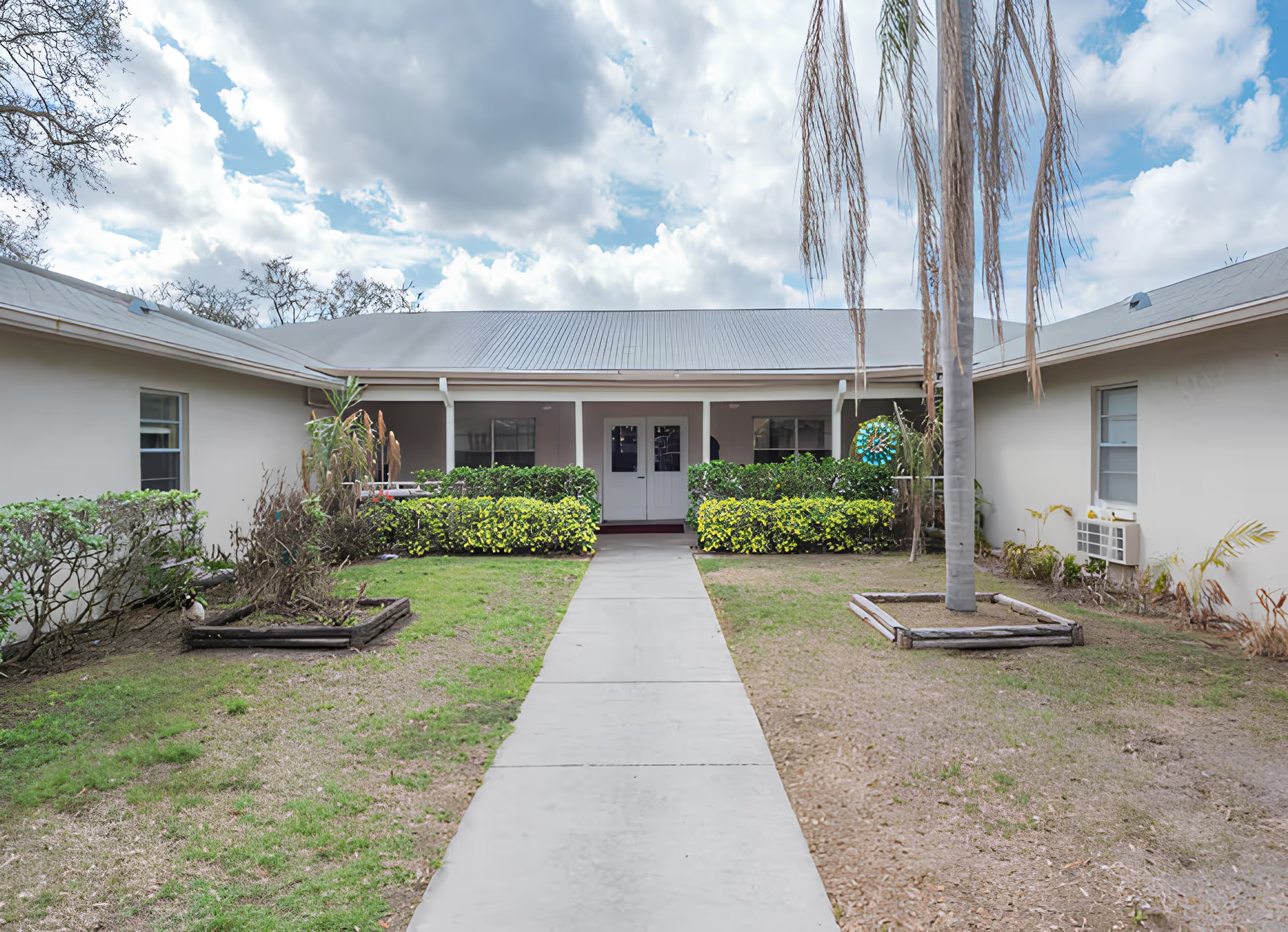
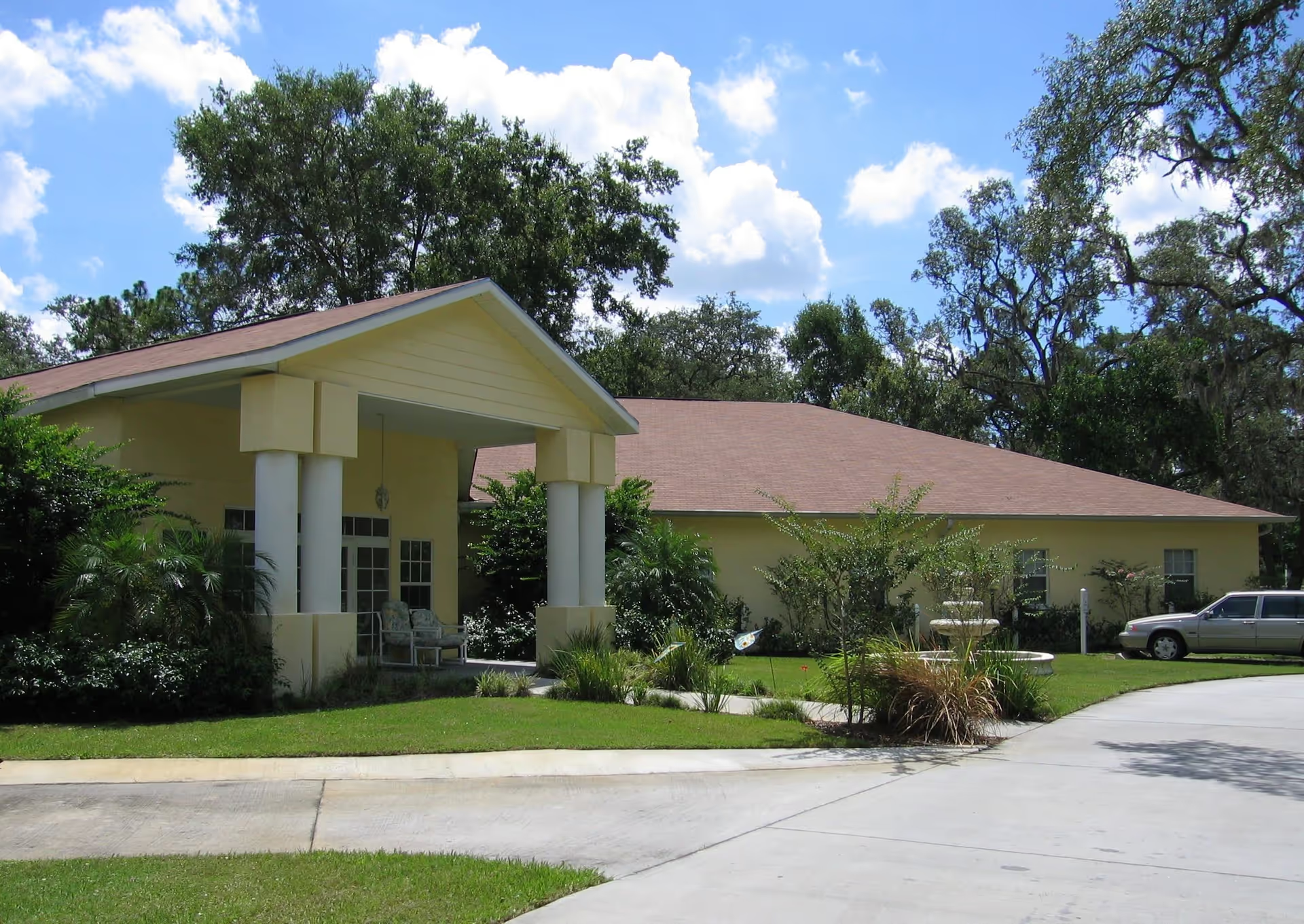
Feedback for Promise Pointe Senior Living presents a mix of strong facility attributes and operational concerns. The community's physical environment consistently receives high marks: reviewers describe resort-like grounds with trees and walking paths, bright architecture with high ceilings and large windows, spacious studio apartments, and well-appointed common spaces (fireplaces, screened patios, courtyards). The building is frequently characterized as new, clean, and thoughtfully designed, with specific praise for memory-care neighborhoods that include secure outdoor areas and a design approach described as science-driven.
Care and staffing impressions are polarized. Many families and residents compliment the staff as friendly, compassionate, and family-oriented; named staff and liaisons were singled out for going above and beyond. Memory-care leadership and visible clinical involvement were highlighted as strengths, and on-site therapy and a busy fitness area are seen as positive contributors to residents' wellbeing. At the same time, recurring operational concerns include inconsistent staffing levels, high turnover, and gaps in supervision. These issues manifest as delays in personal-care tasks, inconsistent bathing and laundry follow-through, and occasional lapses in reception coverage and day-to-day oversight.
Dining and activities are frequently cited as highlights. Reviews emphasize chef-driven meals, varied menus with daily specials, fresh fruit and baked items, and some reports of elevated dining presentations (six-course or chef-led meals). The community also appears to maintain an active social calendar—exercise classes, crafts, bridge, poker nights, weekly church services, and volunteer-friendly events—which many families credit with improving socialization and resident satisfaction.
Administrative and communication areas show mixed performance. Positive notes include helpful admissions staff, knowledgeable tour guides, and a welcoming concierge. Conversely, several families identified slow or disorganized administrative processes: delayed paperwork and insurance filings, slow finance or contract handling, prolonged phone-porting or medication-coordination timelines, and uneven responsiveness from management. Language barriers in dining service and intermittent front-desk staffing were also mentioned as practical friction points for residents and families.
Safety, cleanliness, and trust-related concerns appear in a subset of feedback. Some reviewers described sanitation and housekeeping inconsistencies and delays in incontinence-related care tasks. There are also concerns about staff conduct and supervision, and isolated but serious claims — including allegations of missing belongings and privacy breaches — that would warrant follow-up by prospective family members and regulators. These issues contrast with other reviewers who describe the community as spotless and well-run, indicating variability in experience.
Overall, Promise Pointe offers strong environmental, dining, therapy, and programming assets that many families find exceed expectations. However, the institution shows persistent operational weaknesses—notably inconsistent staffing, administrative disorganization, and intermittent care and supervision lapses—that produce divergent resident experiences. Prospective residents and families would benefit from an on-site visit that includes meetings with memory-care leadership, a review of staffing ratios and turnover, clarification on medication and care-coordination processes, and inquiries about housekeeping and security protocols to assess how the community’s strengths align with their specific care priorities.