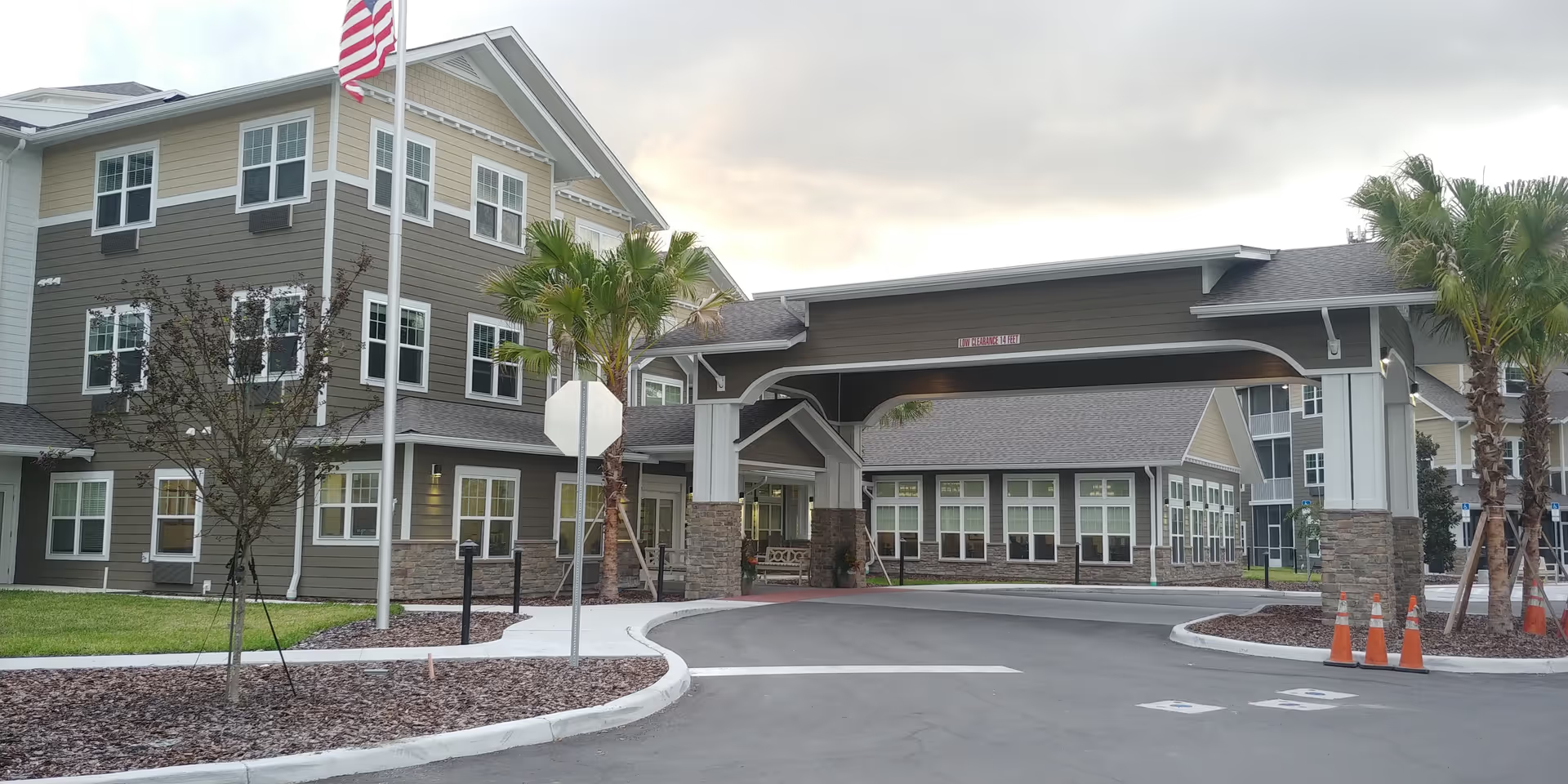
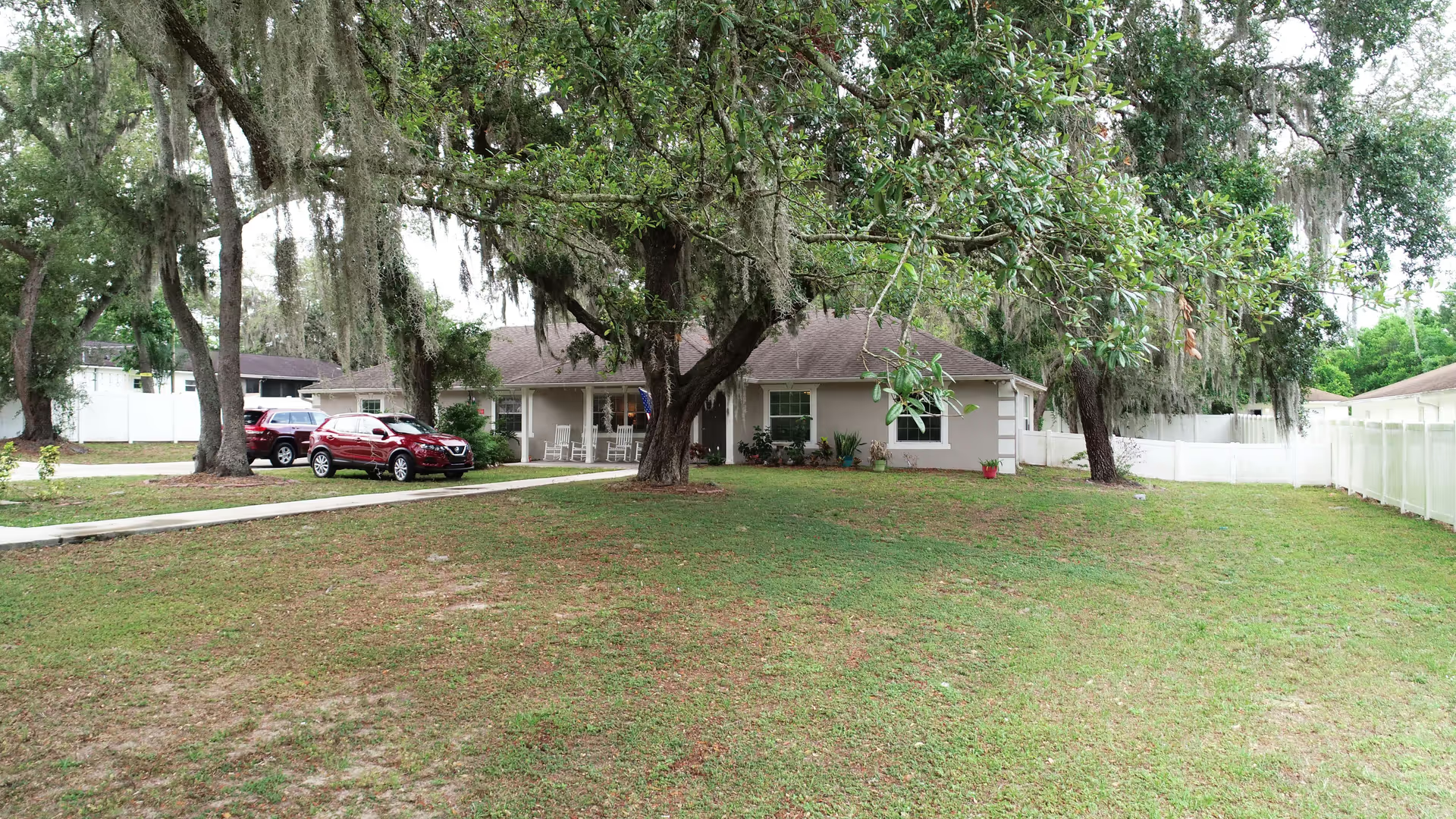
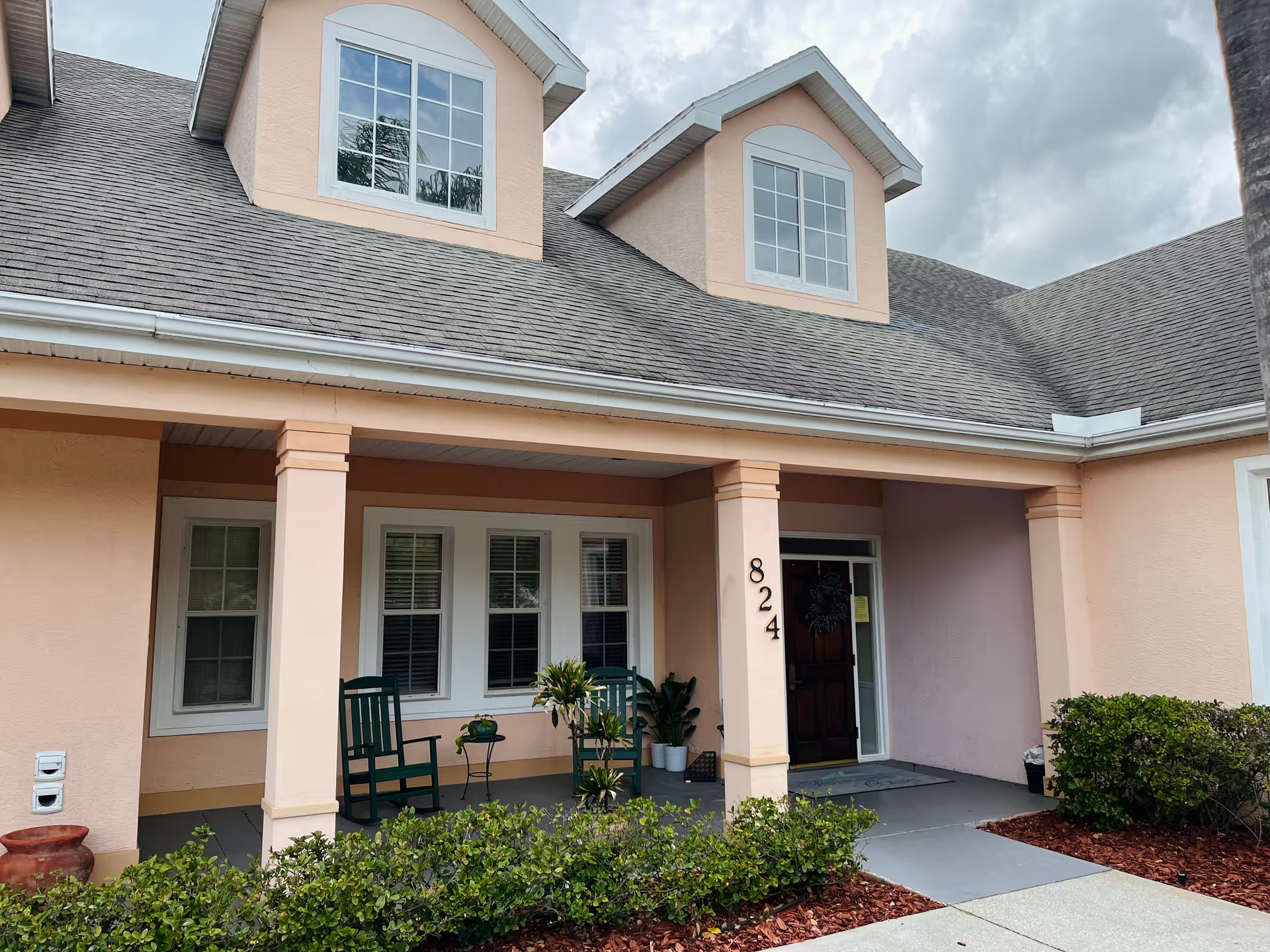
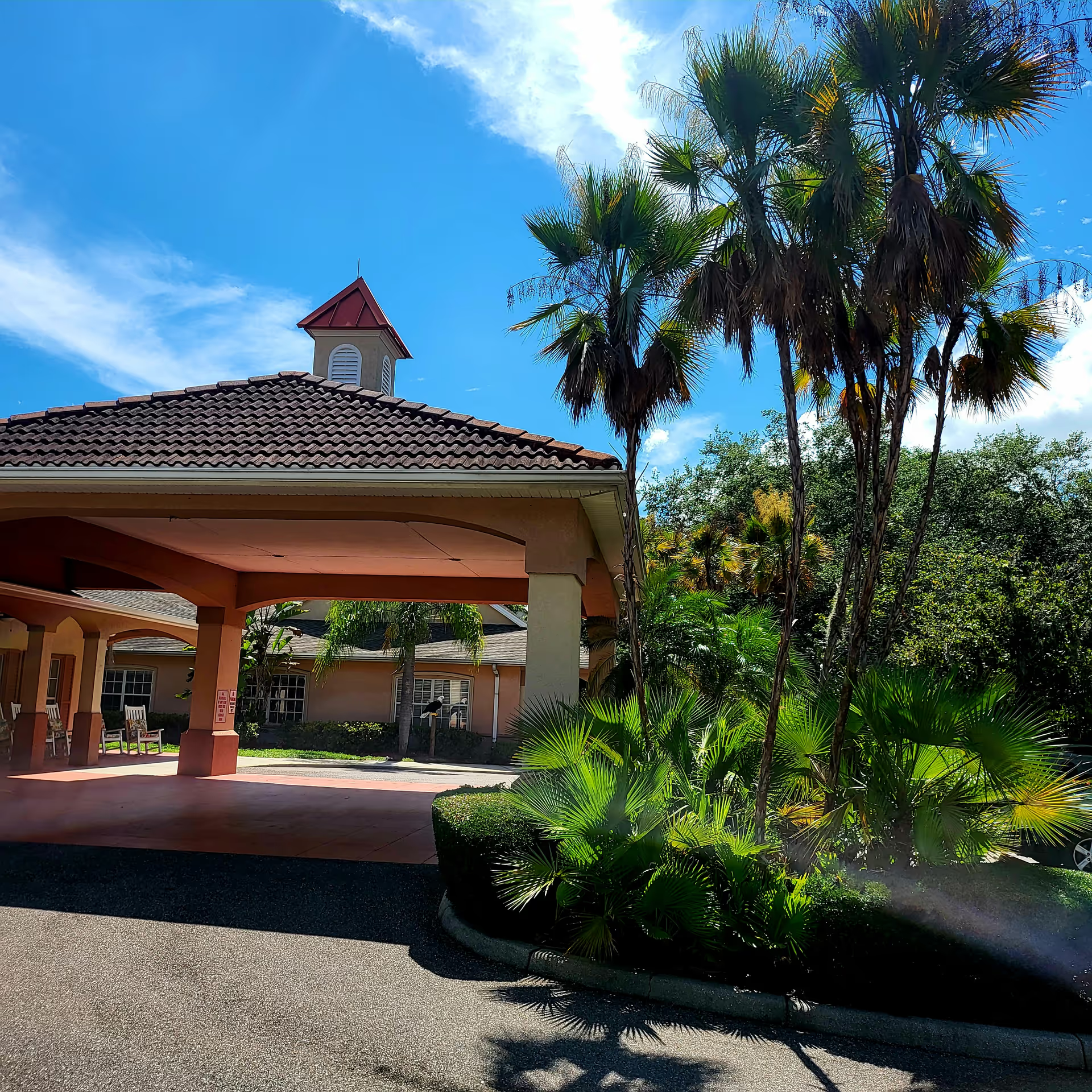
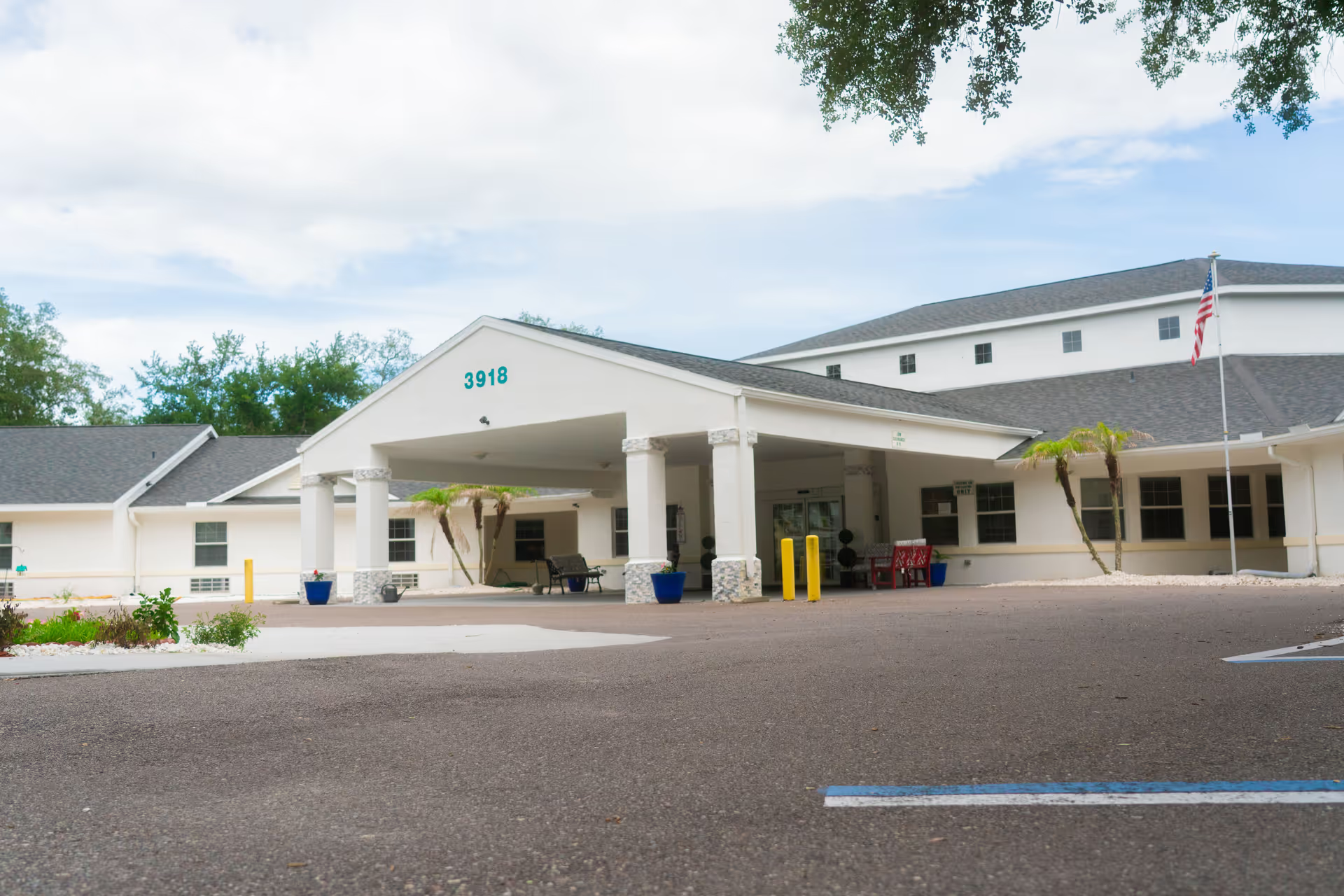
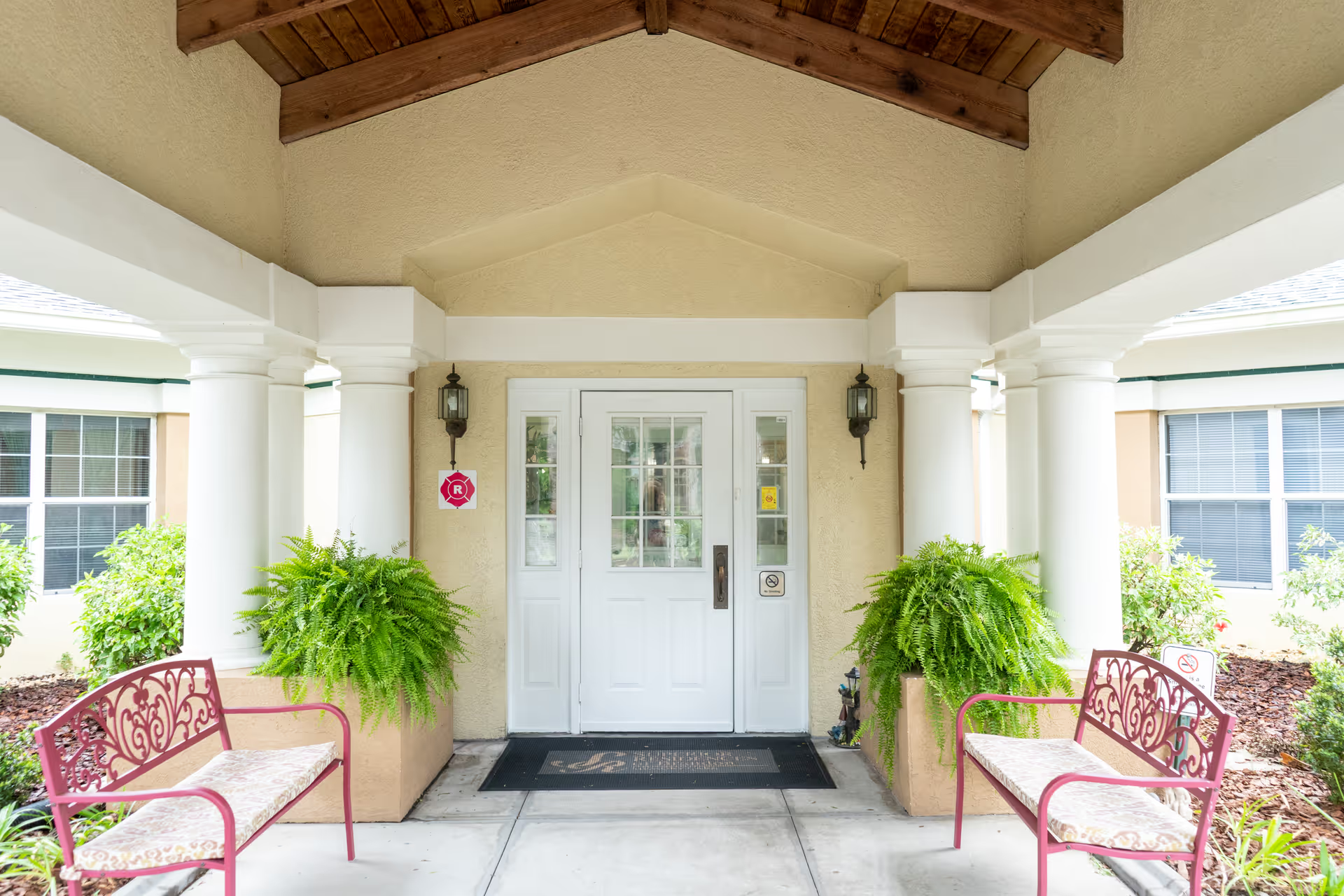
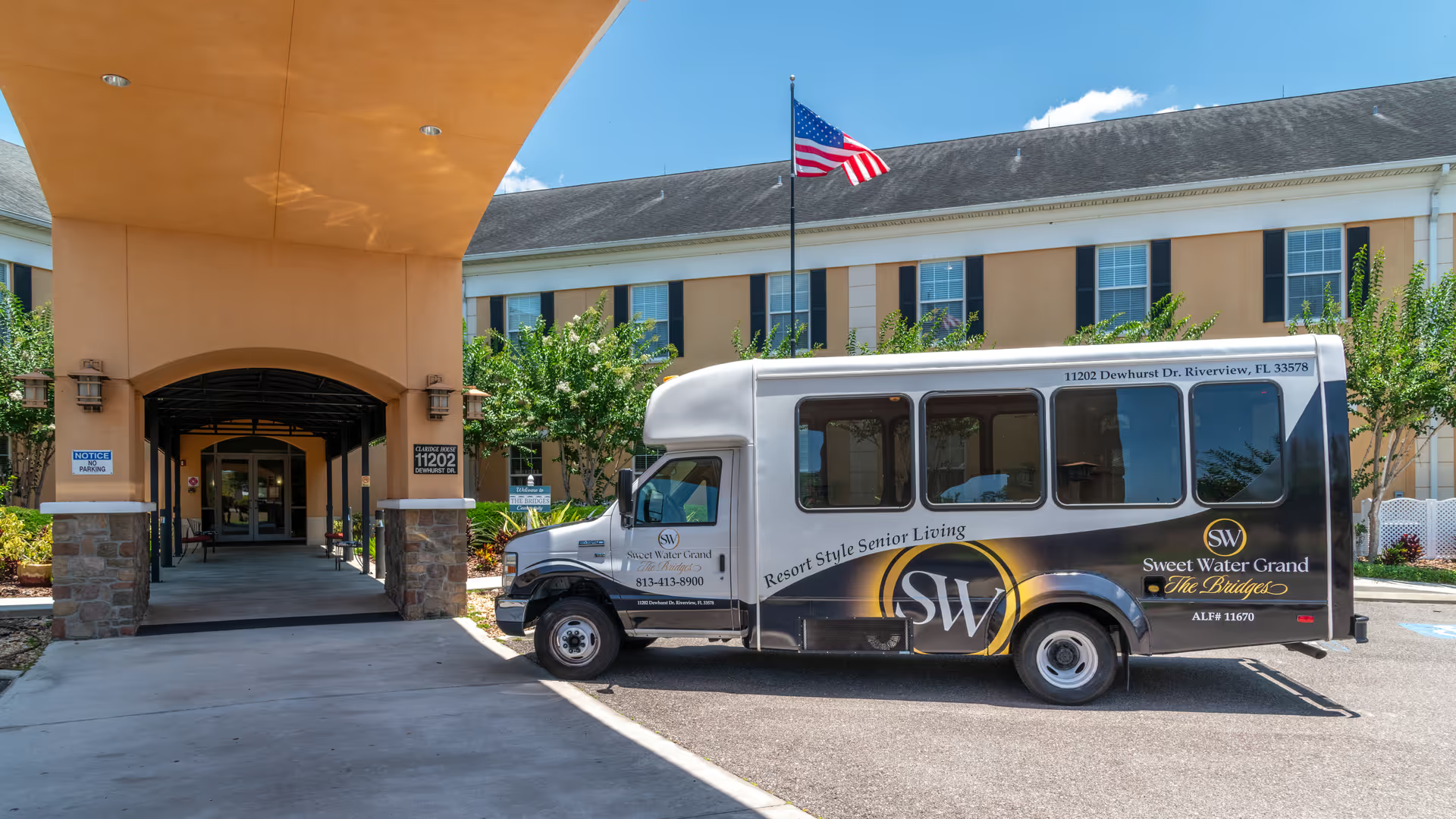
Overall impression: Reviews portray Divine Oasis ALF as a small, family-style assisted living home with consistently high marks for staff warmth, individualized attention, and a clean, welcoming environment. Families repeatedly highlight compassionate, dementia-aware care, an accessible owner/manager, and regular, proactive communication including photo updates. The facility's size and decor are described as comforting: bright, cheery interiors, recent renovations, flowers, and a new group-activities area that contribute to a home-like atmosphere.
Care and staff: Care quality is the most frequently praised domain. Reviewers describe staff as gentle, attentive, and focused on residents' dignity; several families specifically note comfort for residents with dementia and positive end-of-life/hospice experiences. Management is described as hands-on and responsive, which supports perceptions of individualized care. That said, a limited number of comments indicate variability in caregiver continuity; frequent aide changes were noted and may affect consistency of direct caregiving for some residents.
Dining and activities: Dining receives favorable comments — meals are characterized as fresh, varied, and well-liked by residents. Activity programming is described as engaging for a small facility, with music, table games, holiday events, and a dedicated new group area supporting socialization. These elements combine with the facility's small scale to create regular opportunities for resident interaction and celebration of progress.
Facilities and environment: The property is consistently described as clean, well-maintained, and recently renovated in parts. Common spaces and resident rooms are noted as bright and pleasant, contributing to a peaceful environment. Accessibility and daily visitation hours also support family involvement.
Management and communication: Ownership and management are portrayed as accessible and proactive in communication; families report prompt answers to questions and regular updates. The leadership's involvement appears to reinforce the facility's family-like culture and ongoing improvements.
Notable patterns and cautions: While the dominant impression is positive, several operational concerns emerge that prospective families should clarify directly with the provider. These include continuity of caregiver assignments (frequent aide turnover or reassignment), coordination with hospice providers and medication-management processes, clarity around discharge/eviction/tenancy policies, and occasional variability in care oversight. These items are not the primary theme of the reviews but are important operational traits to verify during a tour or intake conversation.
Practical recommendation: Prospective residents and families would benefit from asking specific, operational questions during a visit: typical staff-assignment practices and turnover rates, how hospice and medication coordination are handled, written admission/termination policy details, and examples of clinical oversight and quality checks. Confirming those points alongside the observable strengths described above will provide a balanced basis for decision-making.