Reviews for this facility present a highly mixed picture, with a clear split between families who praise clinical strengths and those who raise operational concerns. On the positive side, many families describe warm, compassionate caregiving and an attentive daily-staff culture. The facility's rehabilitation programs (physical, occupational, and speech therapy) receive frequent praise for helping residents regain function. Activity programming is robust and varied — bingo, arts and crafts, themed events, brain games and outings are commonly mentioned — and the activities leadership is often singled out as a strength. Several reviewers also note improvements in dining under newer kitchen leadership, and many describe attractive, well-kept interiors and outdoor spaces, including a courtyard with water features; the community is also described as pet-friendly and welcoming at reception.
Care quality shows important variability. Numerous accounts describe skilled nursing, effective therapy, good case-management support, and family-inclusive care planning. Opposing accounts raise concerns about delayed clinical responses, inconsistent medication administration timing, and shortcomings in personal-care delivery such as missed or delayed bathing and wound-management follow-up. There are multiple references to pressure-injury and skin-care issues as well as delays in addressing time-sensitive clinical needs; these indicate uneven clinical oversight and a need for vigilance by families and care coordinators.
Staff strengths coexist with staffing and communication weaknesses. Many reviews praise individual aides, nurses, and therapy staff as professional and nurturing; however, others describe inconsistent staff behavior, language or conduct issues, outsourced or inexperienced aides, and high turnover among management and some clinical leaders. A recurring operational theme is delayed responses to call bells and care requests, especially during weekends and after-hours. Communication gaps between nursing, management, physicians, and families — including slow callbacks, unclear handoffs, and incomplete information sharing during transitions — are a frequent source of frustration.
Dining and daily services are similarly mixed. Several reviewers applaud meals and report restaurant-quality food and improvements under a new chef, while others describe tepid or inconsistent meal delivery, cafeteria-style service that some residents dislike, and occasional shortages or lack of substitutions. Laundry and personal-belongings controls are another operational weakness: clothing misplacements, missing items, and mishandled linens are described often enough to suggest a process gap rather than isolated incidents.
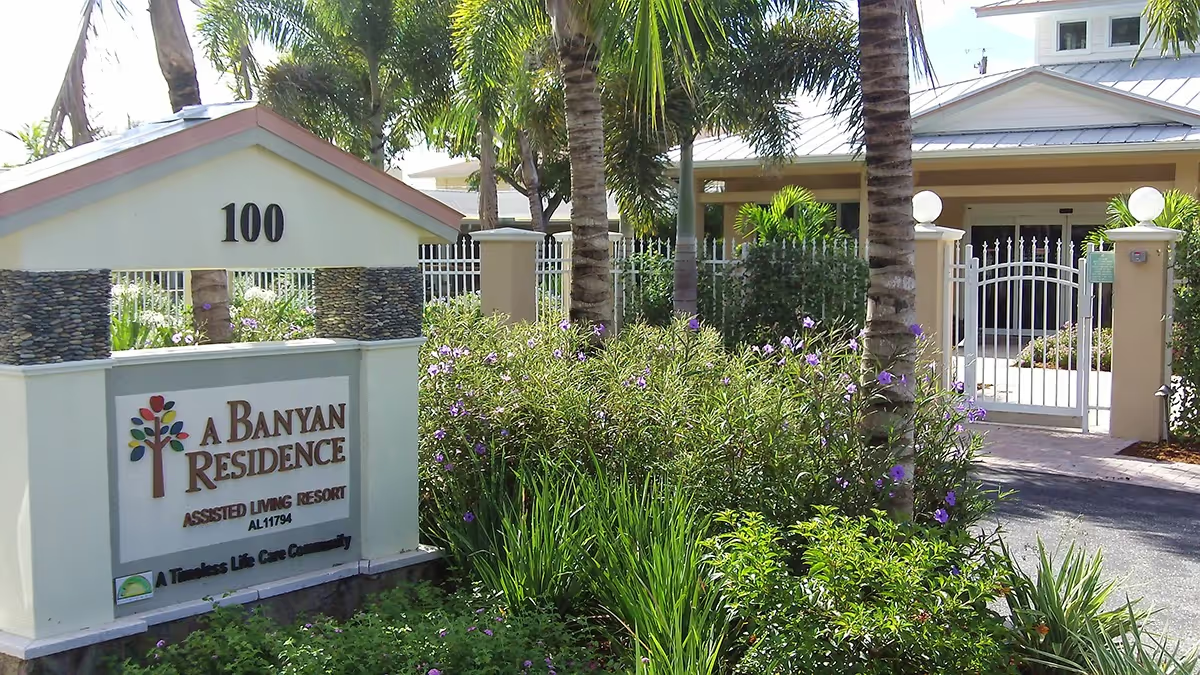
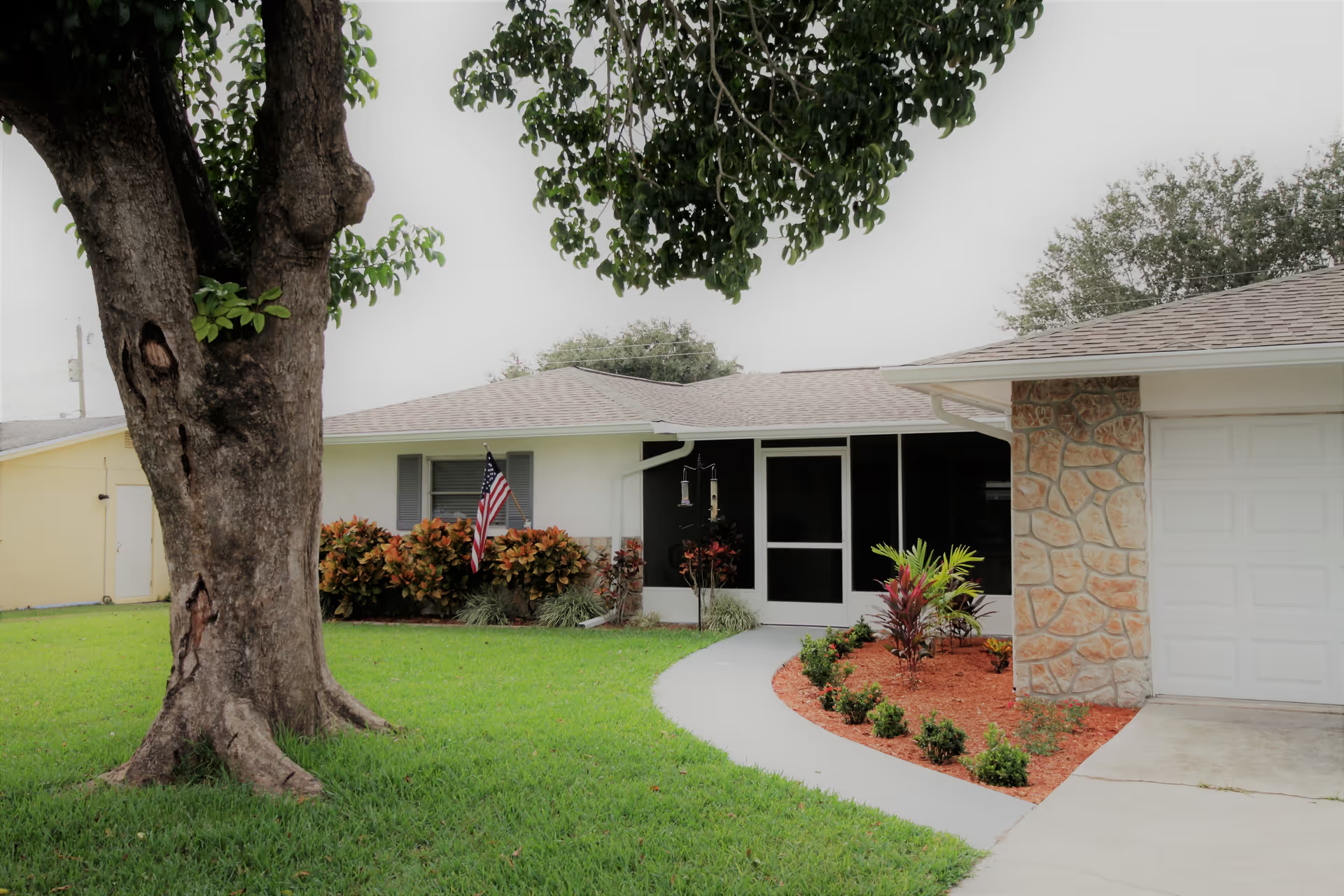
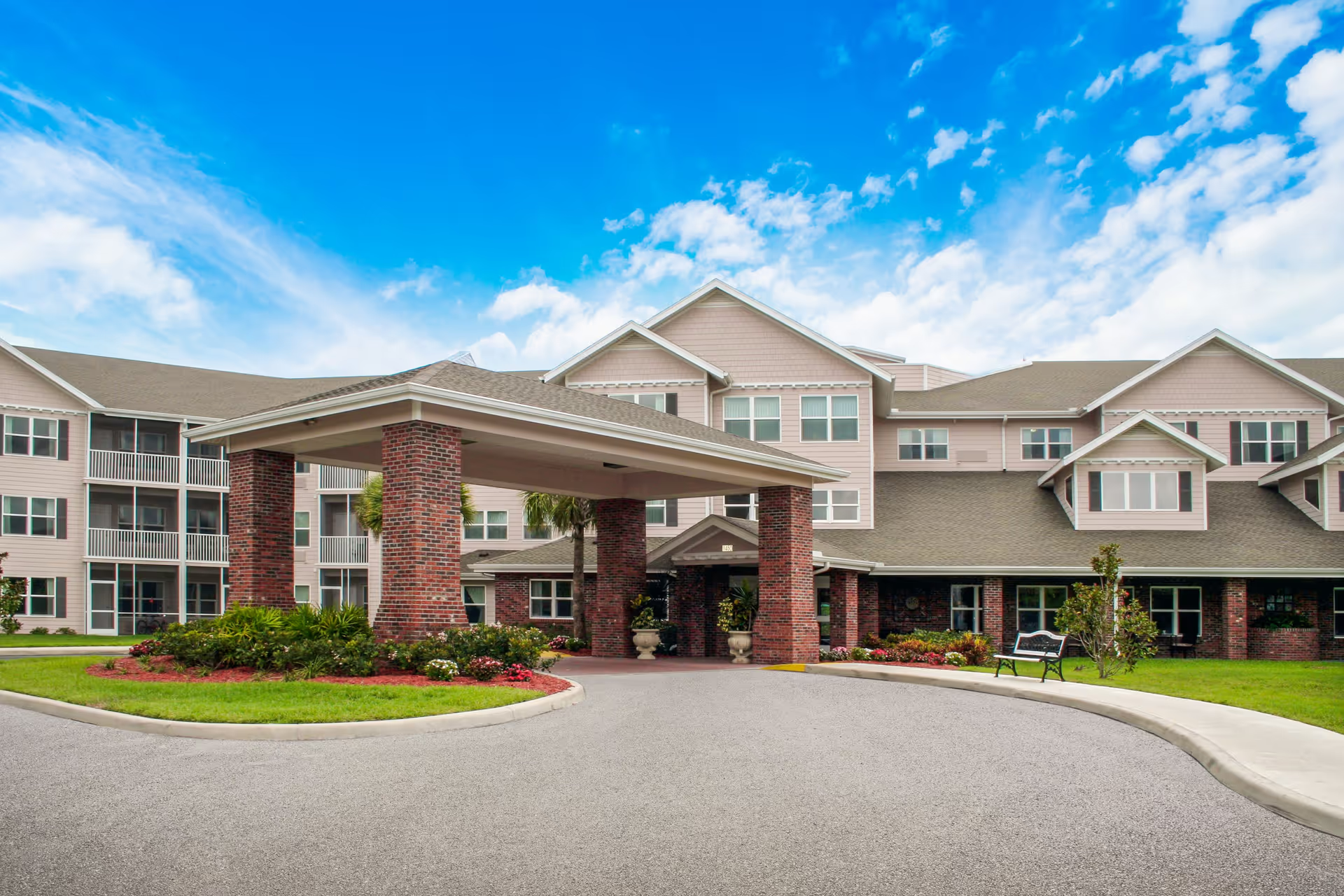
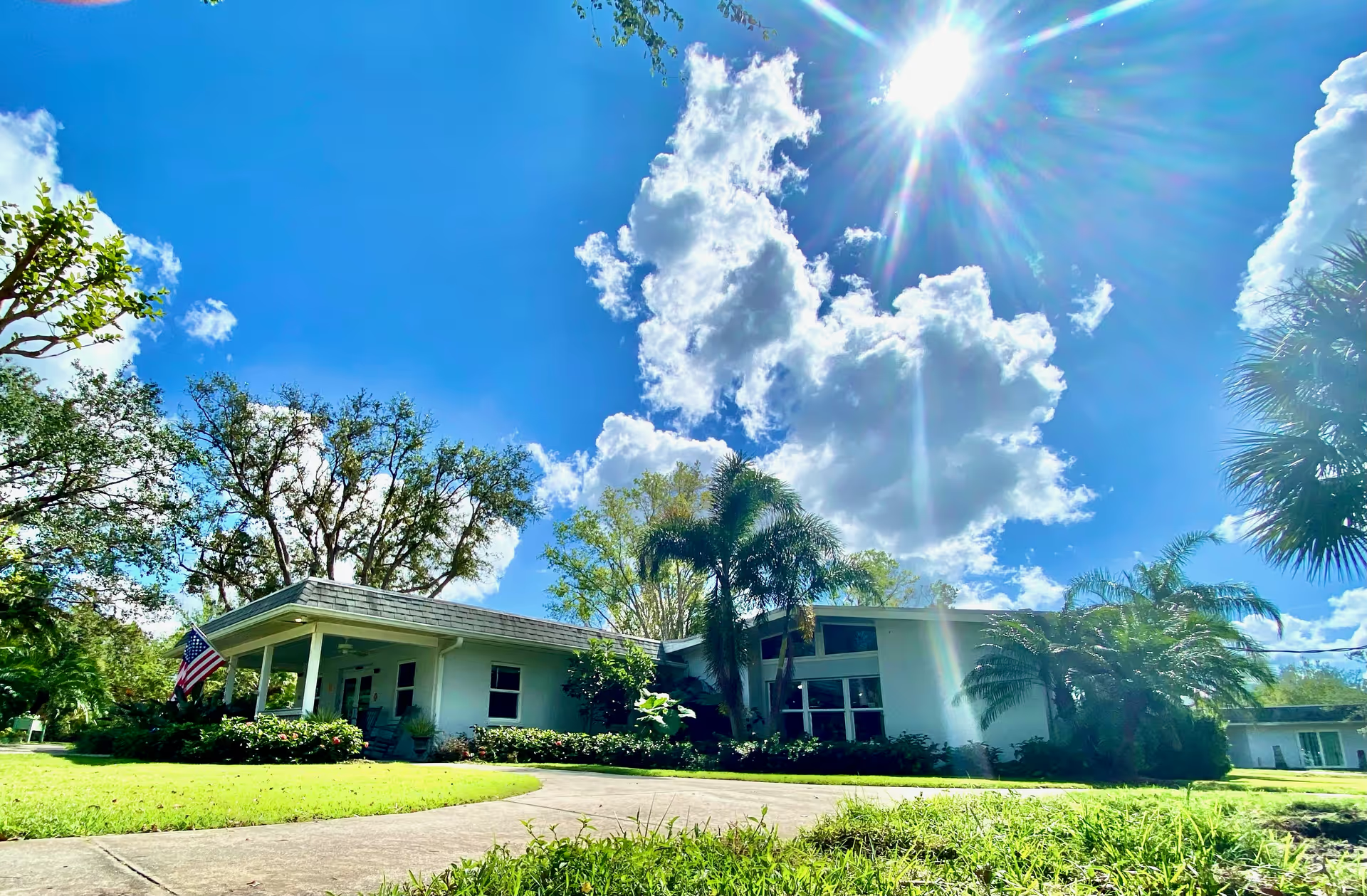
Facility condition and operations show both strengths and flagged issues. The building, grounds, and activity spaces are generally described as attractive and well-maintained, and maintenance responsiveness is a noted positive. At the same time, some families report sanitation and odor-control inconsistencies, carpet and mold concerns in specific areas, and pest-control or cleanliness issues that warrant inspection. Security and resident-monitoring practices are also an area of concern for some families, with mentions of missing-person incidents, unsecured memory-care situations, and transfer-safety gaps that have prompted external complaints and, in some instances, law-enforcement or regulatory involvement.
Management and billing practices draw mixed reactions. Positive experiences cite helpful case workers and clear transitions, while negative accounts describe leadership turnover, opaque billing (extra fees for disposables or prescription monitoring), problematic hospice or post-discharge billing, and assertions about deceptive admission/bed-availability practices during financial transitions. These operational inconsistencies suggest the need for prospective families to obtain clear written explanations of fees, admission contingencies, and transition policies.
Notable patterns: the facility appears to deliver strong therapy, meaningful activities, and compassionate care from many front-line staff, but operational variability is common. Key recurring issues are inconsistent staffing levels, call-response delays, communication breakdowns, sanitation and laundry/process weaknesses, and leadership turnover. Given the polarization of experiences, families should plan thorough, focused evaluations: observe staffing at the times the resident will need care, audit response-time expectations for call systems, review infection-control and laundry protocols, clarify billing and discharge policies in writing, and ask for recent regulatory or complaint histories. Prospective residents with higher medical or memory-care needs should verify staffing ratios and monitoring practices before admission.