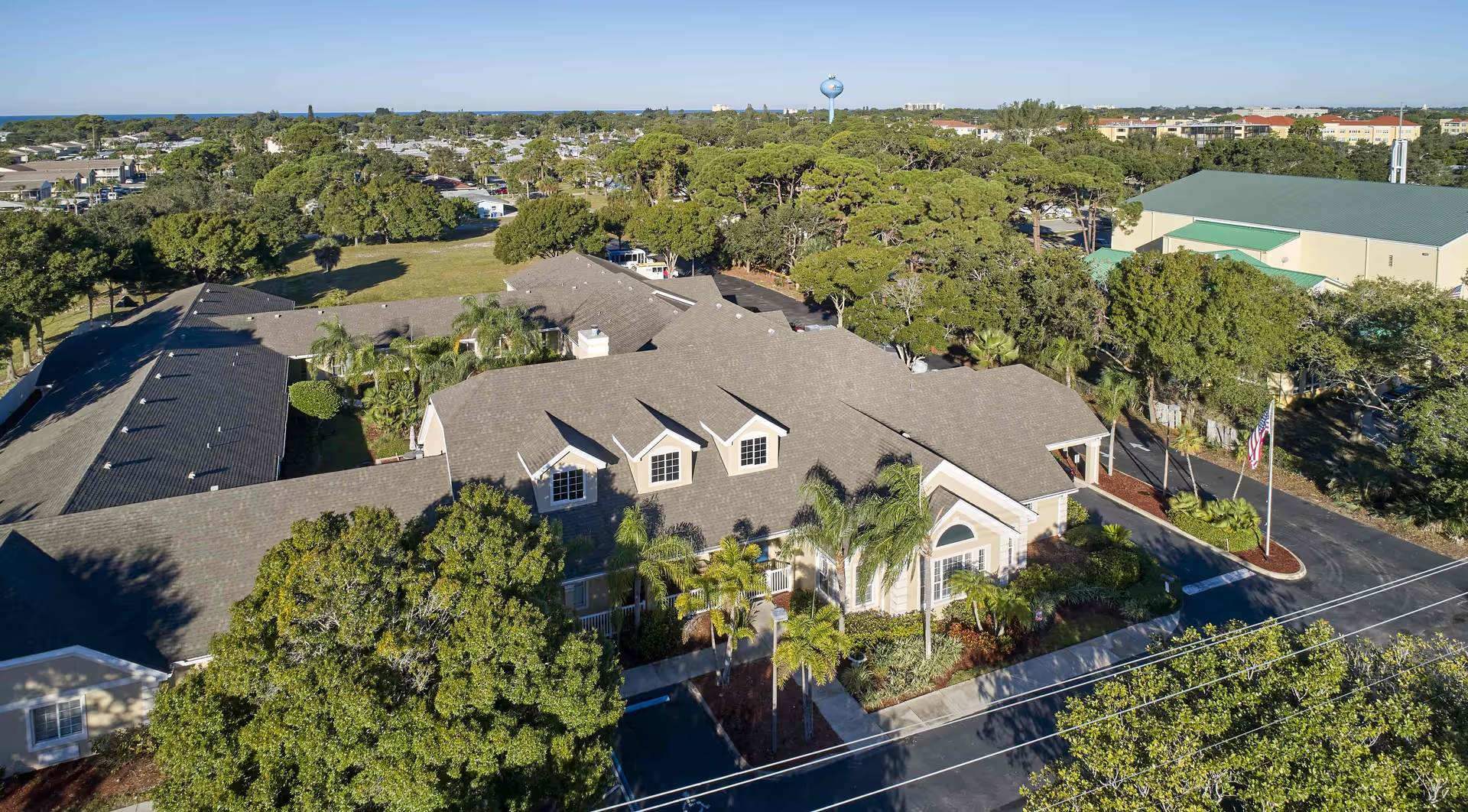
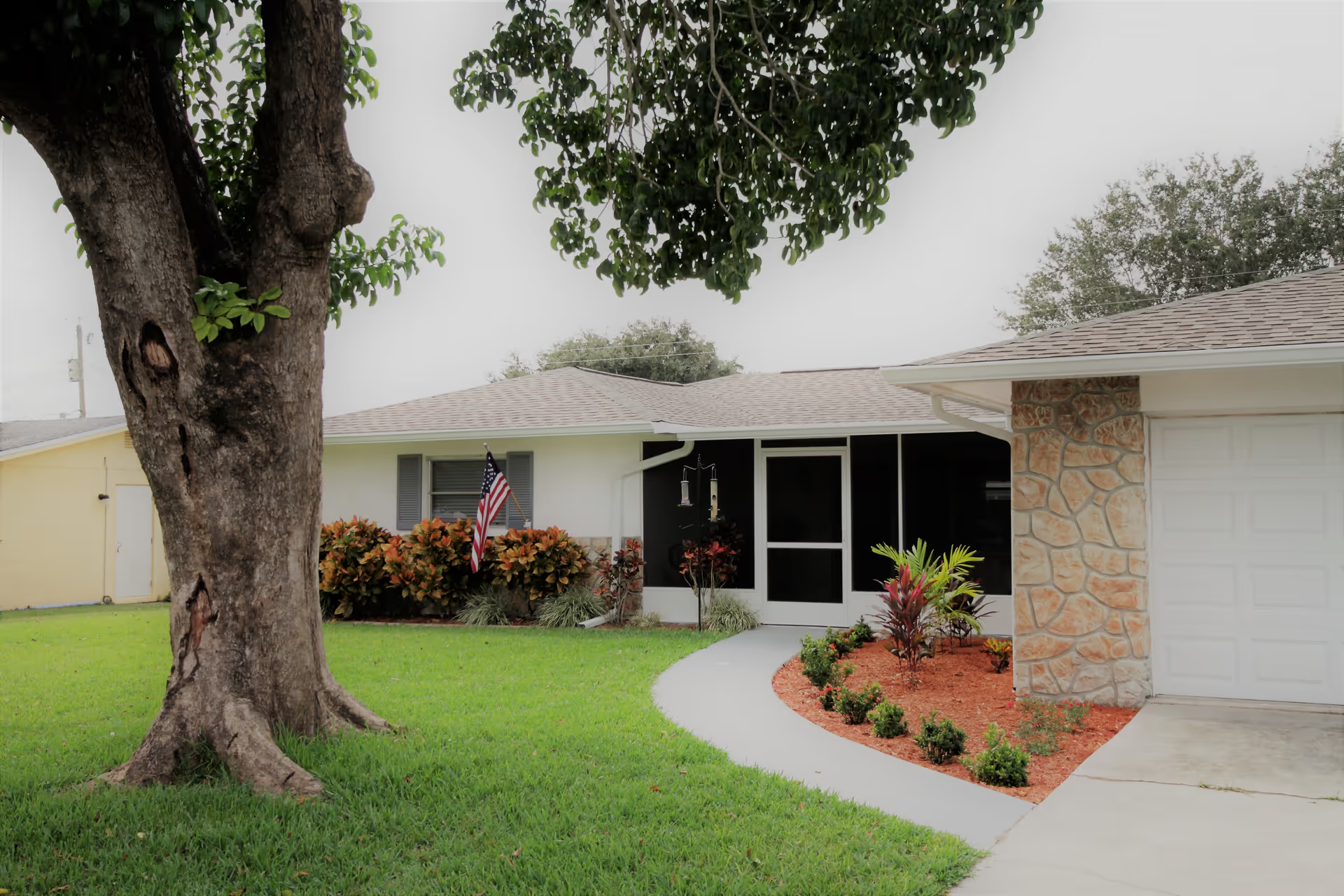
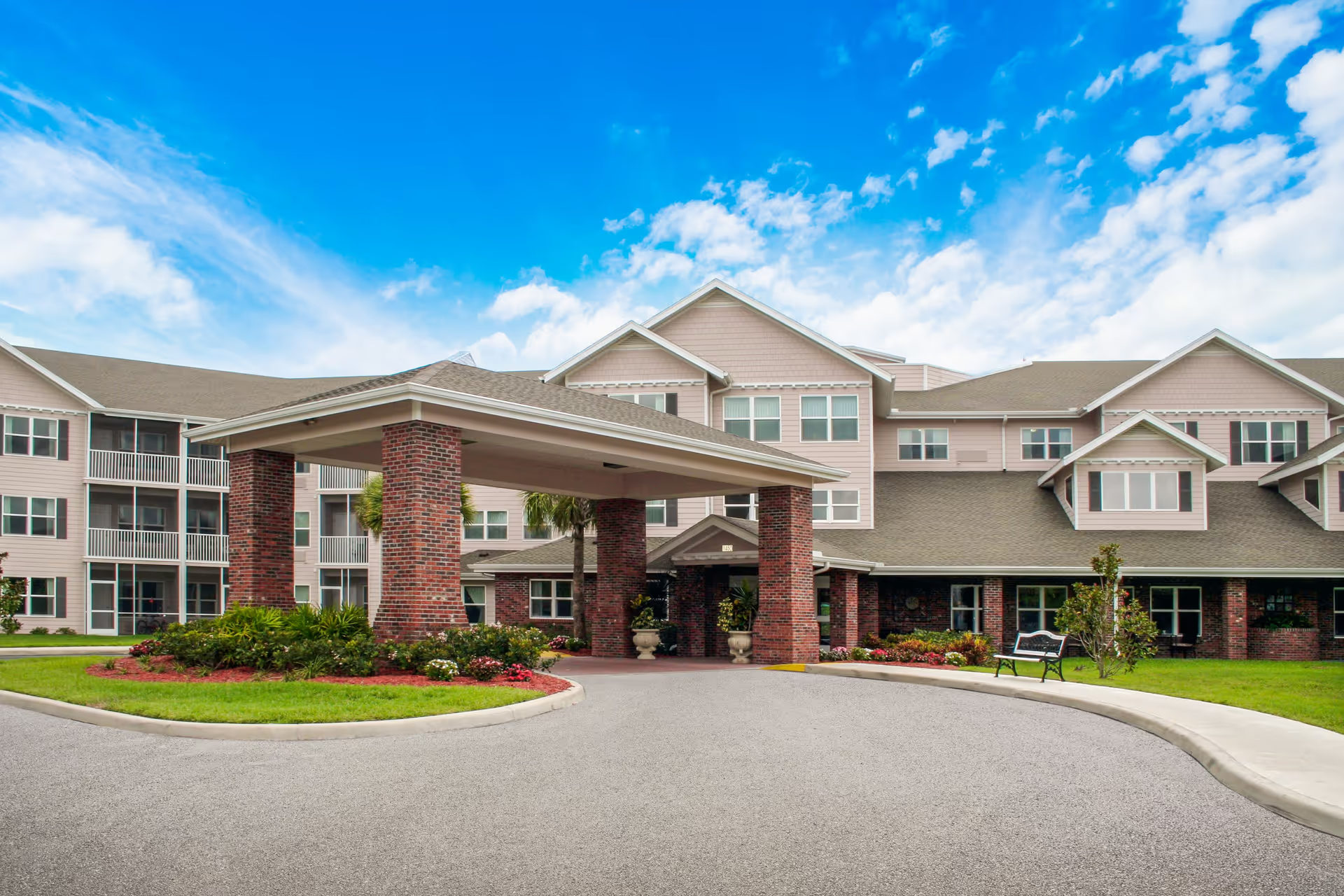
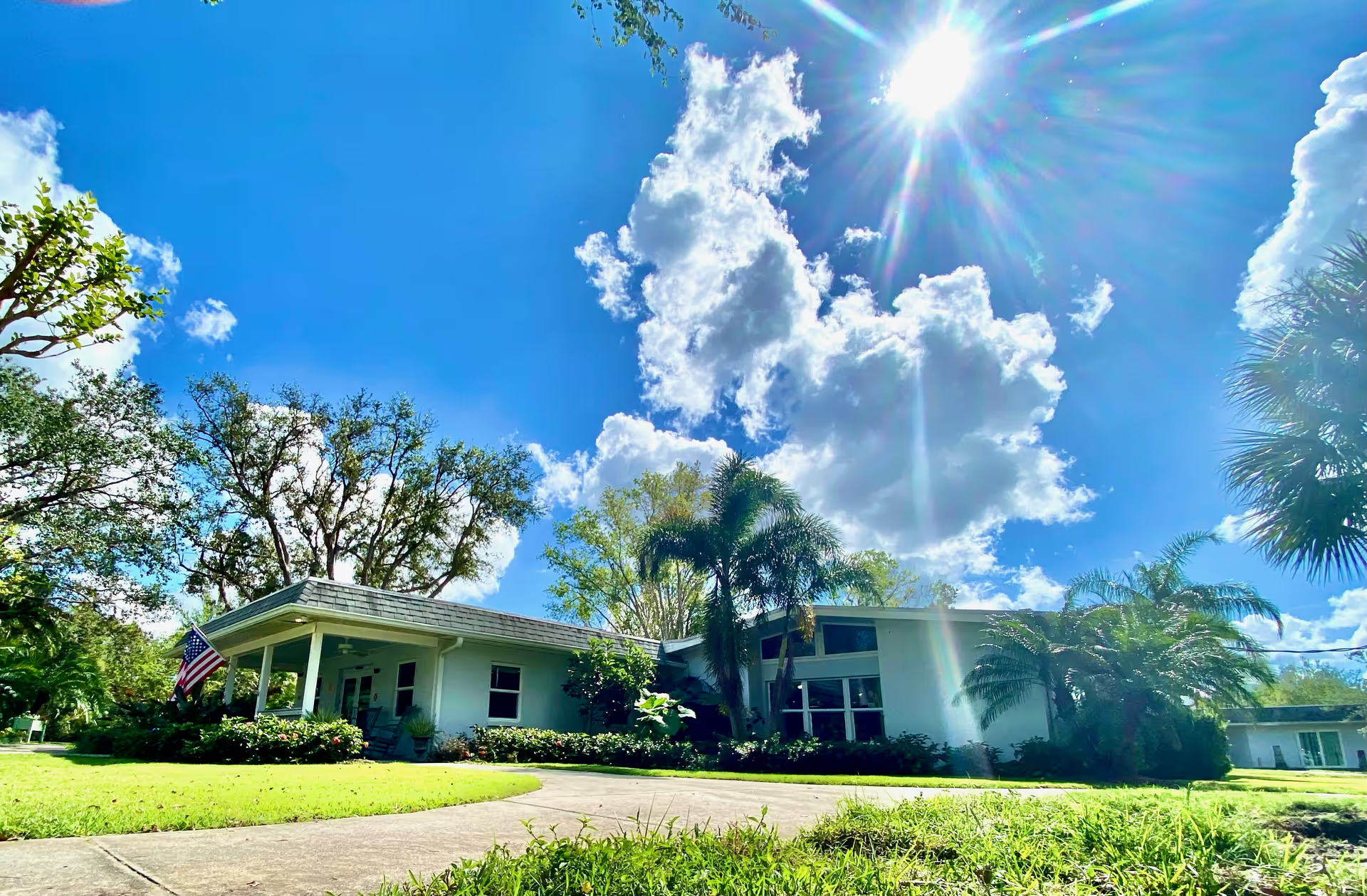
Aston Gardens at Pelican Pointe presents as a large, amenity-rich senior living community with a strong emphasis on lifestyle programming, food service, and apartment comfort. Reviewers consistently praise the breadth of activities, organized daily calendars, frequent outings, and the social opportunities created by many clubs, classes, and resident groups. The property’s physical assets — roomy floor plans, in-unit kitchens and laundry, multiple dining venues, pools, spa/Jacuzzi, fitness spaces, and well-kept landscaping — contribute to a resort-like atmosphere that many residents and families find appealing.
Dining and hospitality are frequently cited strengths. Multiple accounts describe chef-driven, made-from-scratch meals, attractive dining rooms, and a wide variety of menu choices; special events and holiday meals are highlighted as particularly well executed. At the same time, commentary on food is mixed: some families note variability in seasoning, meal temperature, portioning, and an increase in ancillary dining charges (room delivery fees, specialty items). Prospective residents should sample regular meals and clarify any additional meal-service charges during touring.
Staff and care impressions are generally positive around courtesy, friendliness, concierge services, and rapid maintenance response. Long-tenured employees and resident ambassadors are described as contributing to a welcoming culture. However, an important and recurring pattern is operational strain: understaffing, turnover, and uneven communication create gaps in resident experience. These gaps manifest as difficulty reaching staff, inconsistent housekeeping intervals, and uneven follow-through on clinical concerns. A subset of families described more serious care-transition and clinical coordination problems — including medication-management issues and delays in post-hospital or hospice coordination — that they felt impacted outcomes; there are allegations in a few accounts of inadequate coordination during critical care transitions. These reports suggest the need to verify current staffing ratios, clinical oversight arrangements, and hospital-transfer protocols when evaluating the community.
The facility supports multiple levels of care (independent living, assisted living, memory care), but reviewers flagged the memory-care environment as less comfortable in some areas — smaller, darker rooms and limited ambience — and recommended direct observation of those neighborhoods. Similarly, while campus security and gated access are strengths, families noted occasional visitor-access friction, front-desk inconsistencies, and vehicle/golf-cart safety concerns. Service interruptions such as prolonged TV/internet outages have been mentioned and appear to reflect vendor or infrastructure vulnerabilities rather than core amenity deficits.
Financial transparency and value are recurring themes. Many residents appreciate the convenience and amenities relative to other local options, but others express concern about steep annual increases, additional monthly fees (internet, device support), and rising dining charges. Those evaluating Pelican Pointe should ask for a clear fee schedule, recent increase history, and the policy on fee adjustments.
Overall, Aston Gardens at Pelican Pointe offers a high-amenity, socially active environment that many residents find comfortable and engaging. The primary operational risks identified across feedback are staffing stability, consistent clinical oversight, housekeeping reliability, and clarity around fees and care-transition protocols. Families considering this community should verify current staffing and clinical coverage, tour both independent and memory-care areas in person, sample regular dining, and request written policies on transfers, emergency response, and fee increases.