Indian River Center elicits strongly polarized impressions. Many families and patients praise the clinical and therapeutic teams: reviewers repeatedly commend compassionate nurses, engaged CNAs, and skilled physical/occupational therapists who achieve measurable short-term rehabilitation outcomes. Social work and discharge-planning staff also receive frequent positive mention for advocacy and coordination. The facility runs an active activities program (games, chapel services, pet visits and outings) and occupies a secure, ground-floor campus with an accessible garden and other communal spaces that many residents and visitors find welcoming.
At the same time, a consistent pattern of operational weaknesses appears across the feedback. Staffing variability — particularly at night and during peak periods — is the most frequent concern, and that underlies related issues such as slow response to call bells, delayed assistance for toileting and hygiene needs, and perceived short staffing during medication rounds. Several comments describe inconsistent medication and pain-management practices and occasional documentation problems. Safety and transfer practices are described as uneven; families have raised concerns about falls, device/catheter handling, and the timeliness of clinical incident response.
Dining and nutrition are another mixed area. Positive notes indicate enjoyable meals for some residents and improved offerings after initial pureed phases, but multiple accounts cite inconsistent food quality, temperature issues, and poor puree/presentation. Reviewers also highlighted gaps in contingency planning for service outages (water or kitchen interruptions), which affected meal continuity and sanitation practices in some instances.
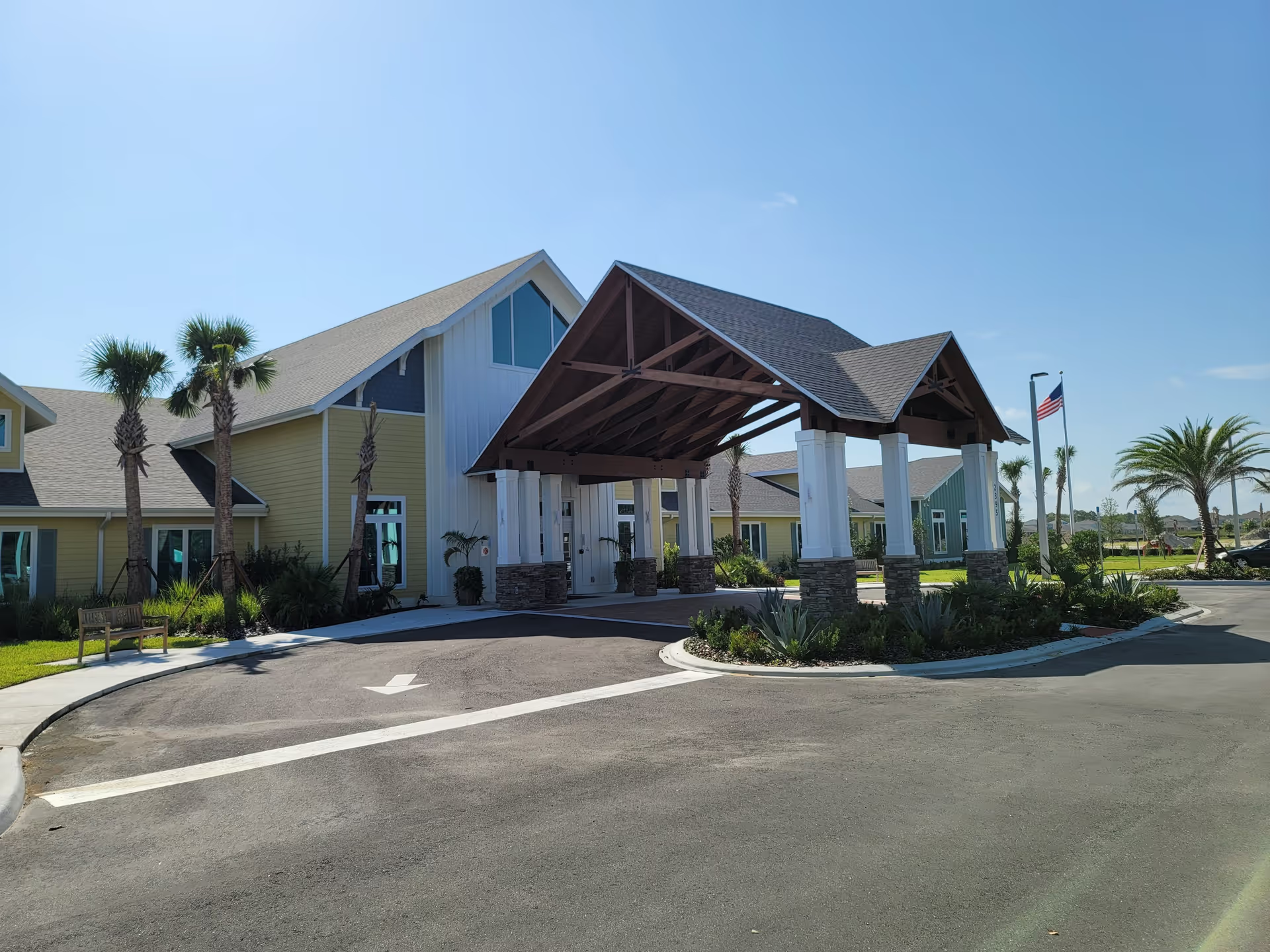
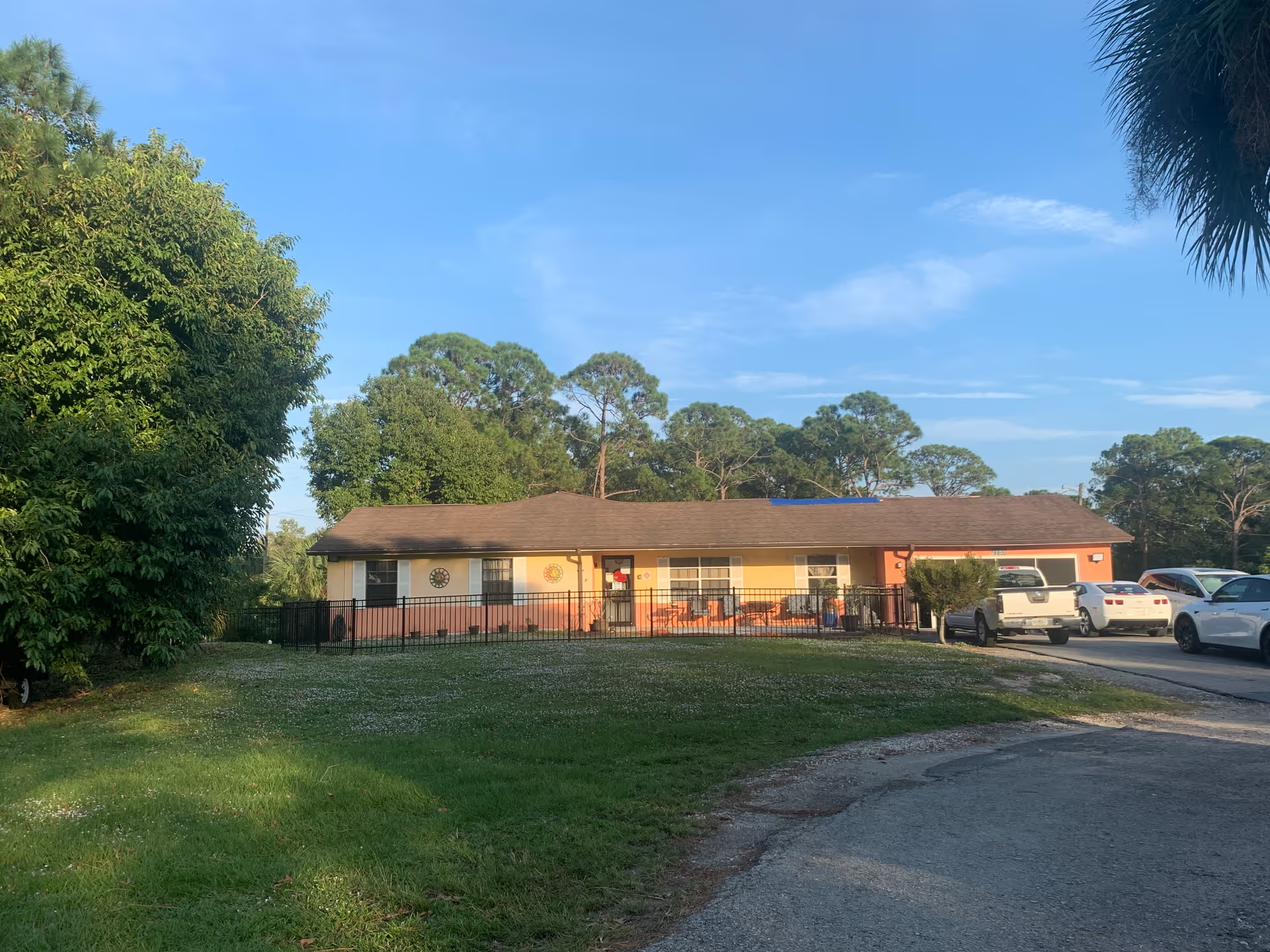
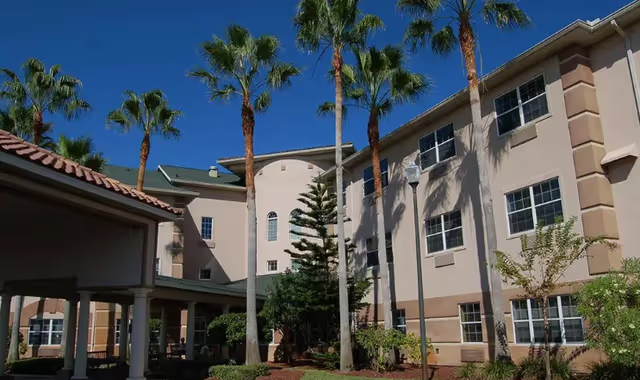
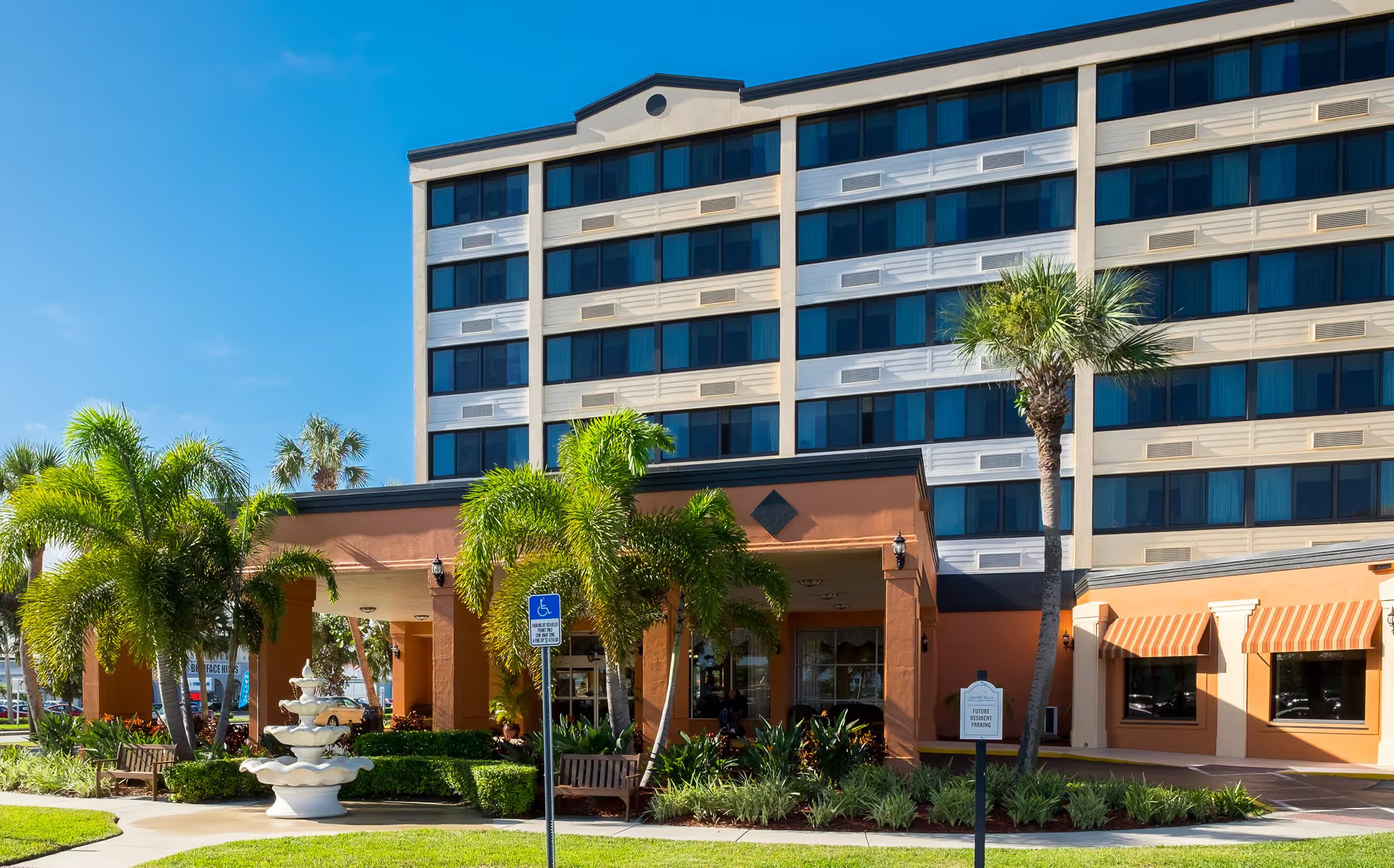
The physical plant draws both praise and critique. Portions of the building are described as clean and well maintained, while other areas are characterized as dated, worn, and in need of cosmetic refresh or furniture replacement. Sanitation and pest-control concerns were reported in particular units, prompting questions about housekeeping consistency. Several reviewers also identified notable differences between wings or units within the same campus, suggesting variable standards of care and environment depending on location.
Communication and management practices show a similar split. Many families report friendly, helpful front-desk and administrative staff, clear medical updates, and staff who go above and beyond. Conversely, recurring issues include poor or delayed family communication, unresponsive voicemail/front-desk experiences, cumbersome visitation scheduling, and confusion around admissions and billing — especially for stays that exceed coverage periods. A few reviewers expressed serious concerns about end-of-life handling and post-incident follow-up; these accounts underline the importance of asking targeted questions during touring and intake.
Practical takeaways for prospective residents and families: verify staffing ratios for the specific unit of interest (day and night), ask for written therapy plans and expected daily therapy intensity, review the facility’s meal and contingency plans, inspect the physical condition of the specific wing and rooms you would use, clarify laundry and personal-belongings policies, and confirm the visitation procedures and communication expectations. Given the variability in experiences, on-site visits and direct conversations with unit managers and social work staff are likely to provide the best insight into how the facility will meet an individual resident’s needs.