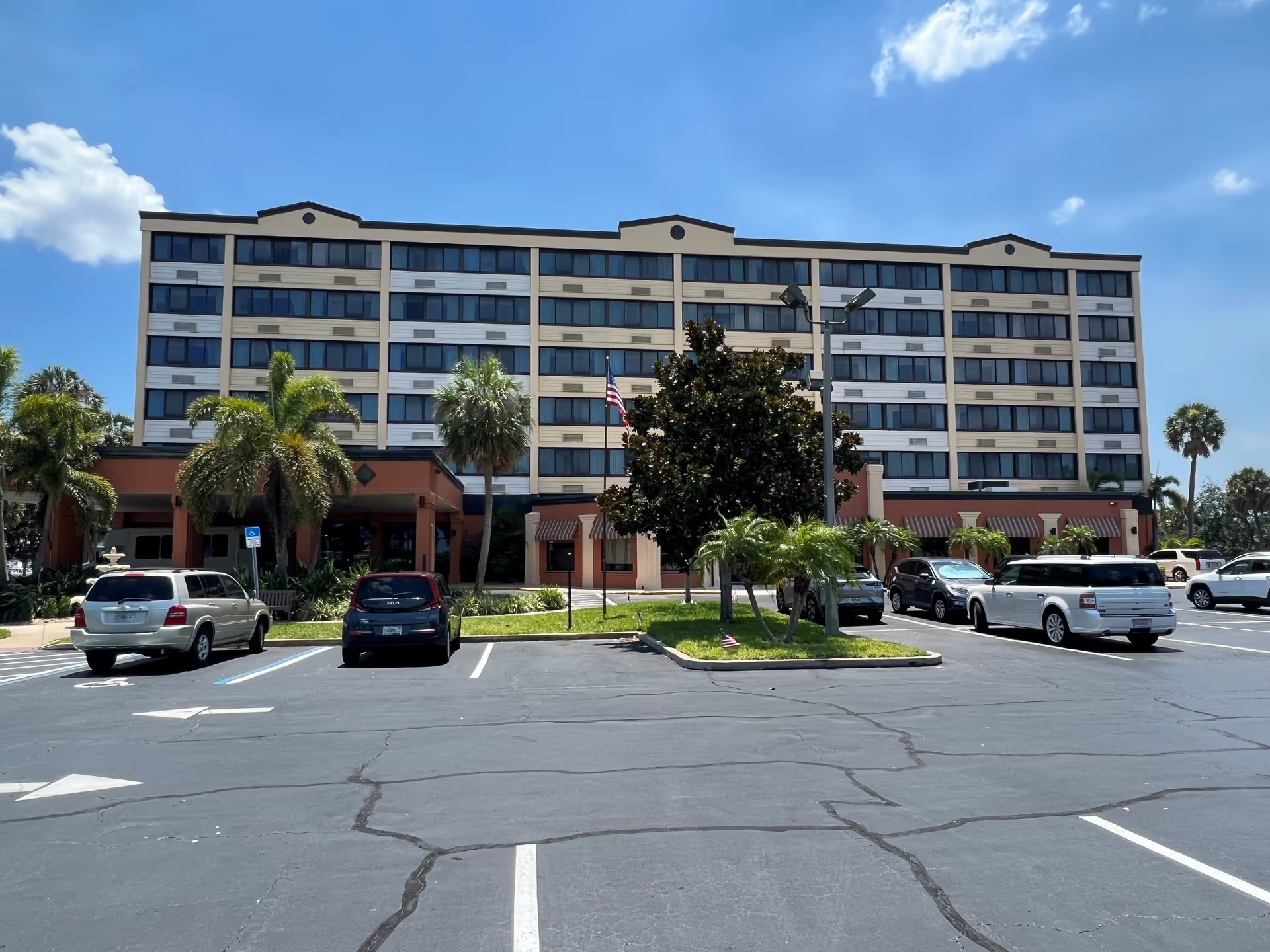
Overview The reviews describe a facility with a clear split between strong clinical/therapy capabilities and recurring operational weaknesses. Many families and short-stay rehabilitation patients praised the therapy teams, several nurses and CNAs, and an active activities program; at the same time a substantial number of accounts identified problems with staffing, cleanliness, communication, and facility upkeep. Taken together, the pattern suggests that clinical strengths are often present but that consistency across shifts, units, and administrative processes varies.
Care and clinical services Clinical care and rehabilitation are frequently cited as a strength. Multiple comments singled out committed nurses, CNAs, and therapists — including physical, occupational, and speech therapy staff — who helped residents regain function and provided emotional support. Hospice services and social-work/case-management support also received positive mentions. However, reviewers also raised concerns about inconsistent day-to-day nursing responsiveness, delayed or missed medication administration, gaps in on-floor physician availability, and situations where discharge medication coordination was incomplete. These issues point to variability in how clinical protocols are executed across shifts or units.
Staffing, conduct, and communication Families describe a mix of highly compassionate, attentive staff alongside instances of unresponsiveness, low engagement, or troubling conduct. High staff turnover and apparent understaffing were commonly cited as contributors to long call-button response times, delayed assistance, and uneven care. Communication with families and external providers was uneven: some families praised responsive administrators and admissions personnel, while others reported difficulty reaching staff, last-minute appointment cancellations, uncommunicated room transfers, and billing or insurance miscommunication. There are also isolated, serious allegations concerning personal-safety incidents and missing belongings; those claims are significant and merit independent review by regulators or the facility’s risk-management team.
Dining, nutrition, and housekeeping Reviews of dining and nutrition are mixed. Some visitors appreciated dietary accommodations and assistance with special diets, but others reported inconsistent meal quality, concerns about nutritional management, and resistance to prescribing supplemental nutrition when clinically indicated. Housekeeping and sanitation practices were described unevenly: portions of the building and common areas received praise for cleanliness, while other units showed maintenance lapses, pest-control concerns, mildew or plumbing issues, and general wear-and-tear such as peeling laminate and aging furniture. These environmental inconsistencies can affect resident comfort and infection-control perceptions.
Activities and quality-of-life programming Activity programming is a recurrent positive. An organized activities calendar and a dedicated activities director were highlighted as meaningful contributors to resident engagement and morale. Families noted events, volunteer-driven spa/social activities, and consistent programming that created a more home-like environment for many residents.
Facilities, safety, and administration Facility infrastructure and maintenance emerged as a clear area for improvement. Many reviewers described outdated rooms, maintenance problems, and cluttered or poorly maintained hallways. Safety-related concerns were reported in several contexts: roommate conflicts, delayed emergency transports, inconsistent supervision that contributed to falls or other incidents, and weaknesses in personal-belongings security. Administrative areas showed similar variability — some administrators and business-office staff were praised for responsiveness, while others were associated with billing surprises, slow discharge processes, or poor follow-through on family requests.
Notable patterns and advice for prospective families The dominant pattern is one of strong rehabilitation and some exemplary frontline staff, offset by inconsistent operational reliability. For families considering West Melbourne Health and Rehabilitation Center: it is advisable to conduct an on-site visit, ask specific questions about current staffing ratios and overnight coverage, inquire about call-bell response-time benchmarks, review recent infection-control and housekeeping audits, confirm medication-reconciliation and discharge procedures, and clarify personal-belongings policies and billing practices. Given the mixture of positive and concerning accounts, prospective residents may find the facility suitable for focused short-term rehab when specific therapy teams are in place, but should exercise caution and seek current, unit-specific information for long-term placement decisions.