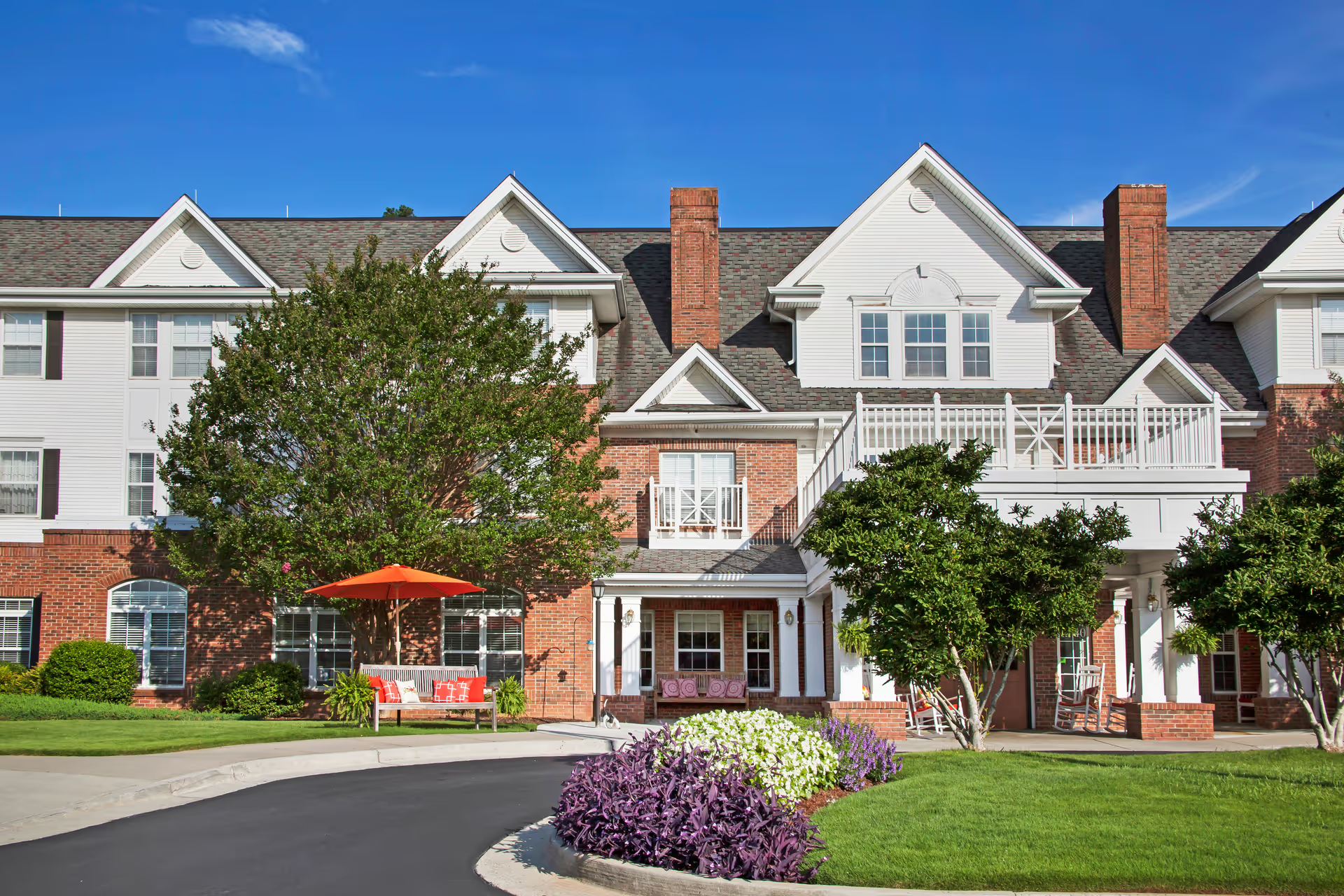
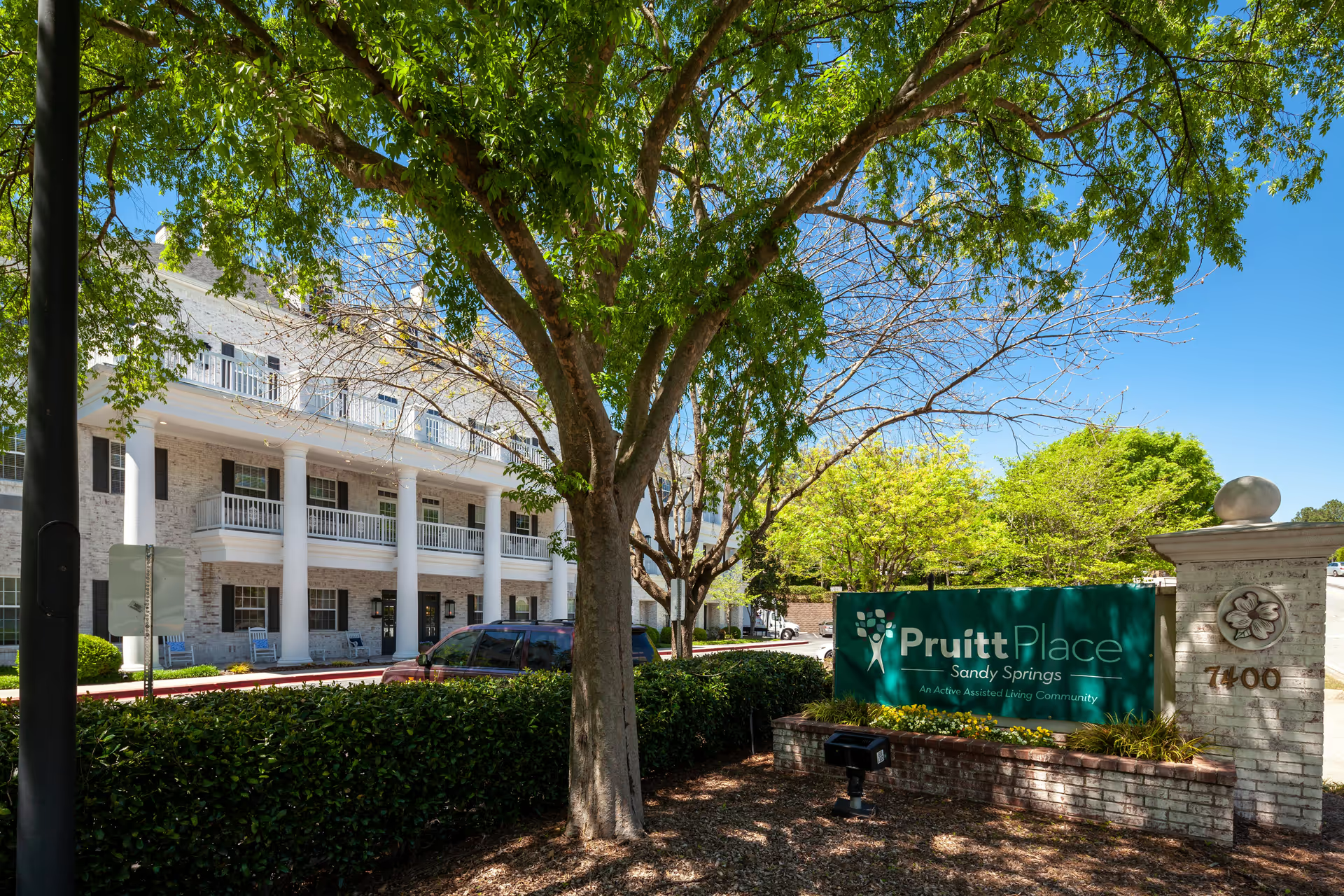
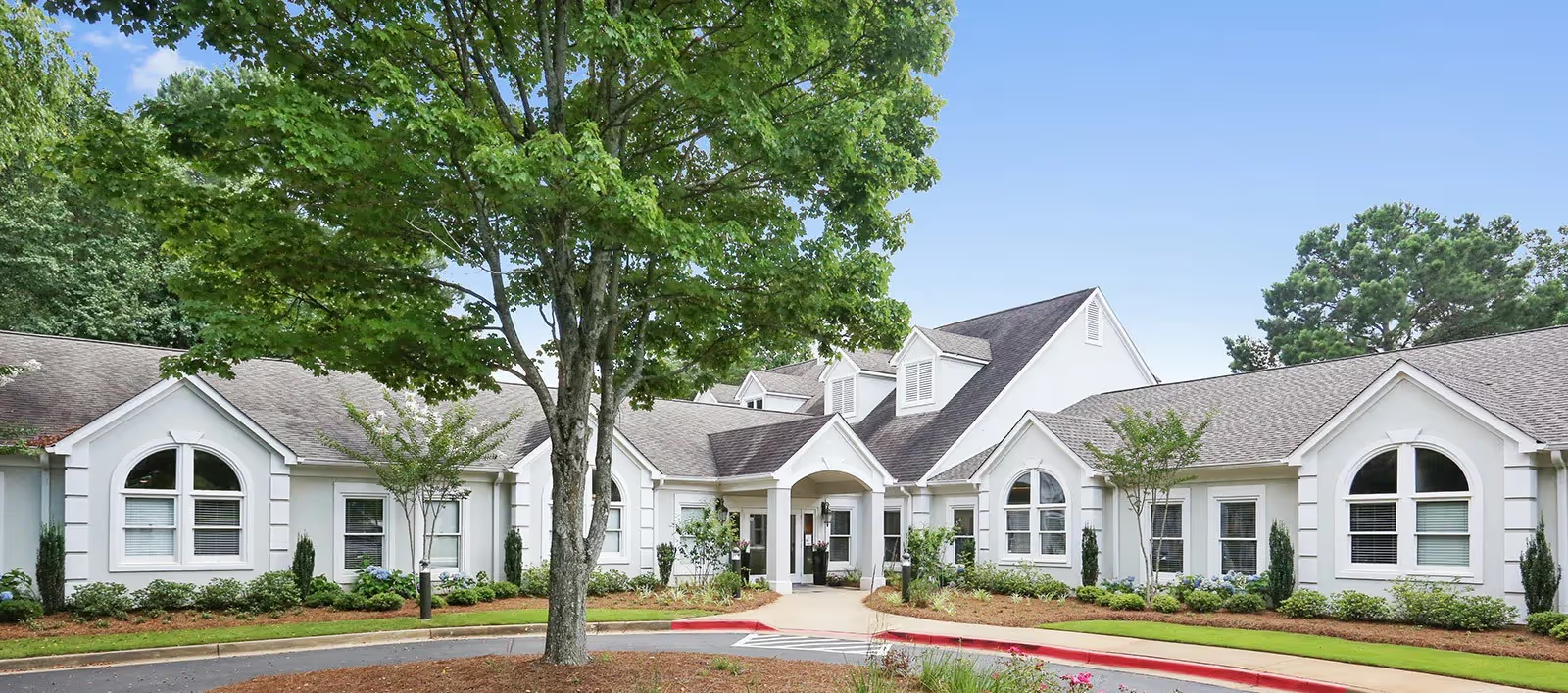
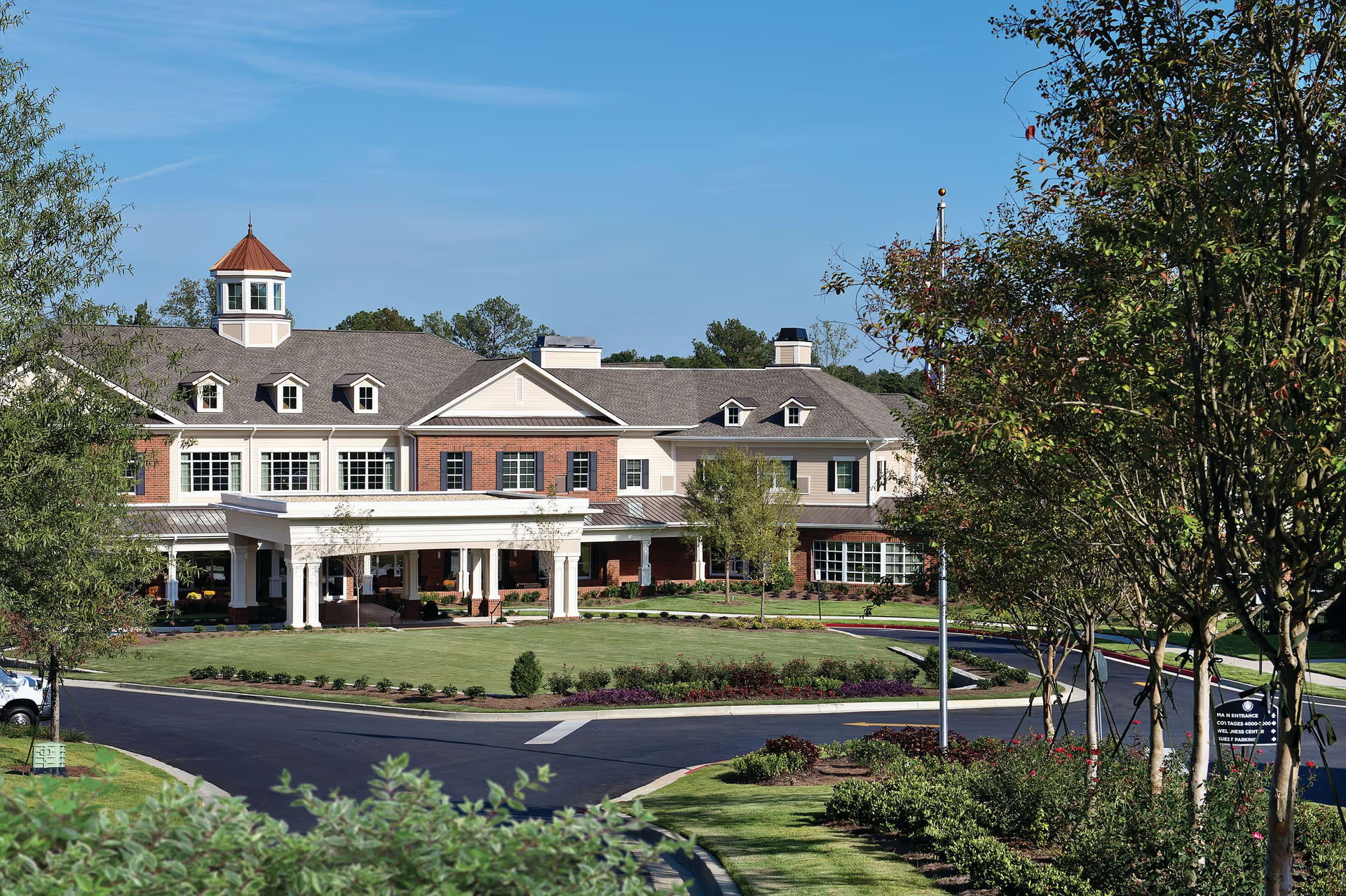
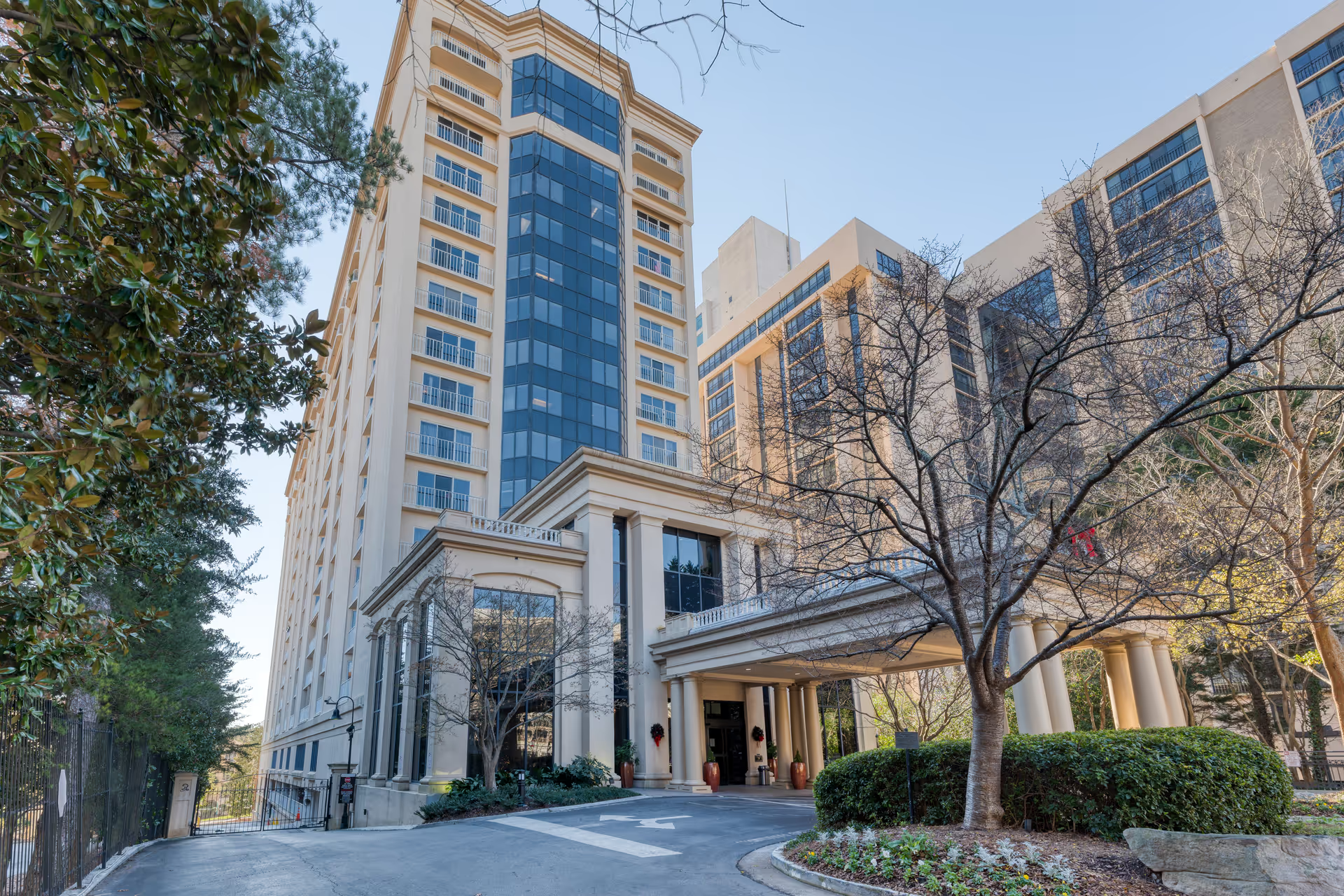
Campbell-Stone Sandy Springs is presented as an independence-focused assisted-living community in an upgraded, downtown setting. Many descriptions emphasize renovated interiors, spacious private two-bedroom apartments with kitchens and private baths, accessible bathroom options, and a hotel-like atmosphere supported by visible security. The facility offers a broad set of on-site amenities—library, salon, banking, gift/thrift shop—and common areas that several reviewers described as clean and comfortable.
Care and staff performance are a central strength. Clinical and caregiving staff are frequently described as compassionate, attentive, and willing to customize care based on physician instructions. Families and residents note organized individualized care plans and generally prompt assistance from nursing staff. At the same time, there is a patterned contrast between clinical staff and certain customer-facing functions: while many praise caregiving responsiveness, recurring comments indicate variability in front-desk interactions and admissions communications, including examples of unhelpful reception and limited tour access. There are also repeated notes about delays in resolving nonclinical issues, suggesting uneven responsiveness in some operational areas.
Dining is characterized by generally good portion sizes and favorable taste assessments, but reviewers also note a relatively limited meal variety. Prospective residents who prioritize menu diversity should clarify current menu rotation and special-diet accommodations. Activity programming and social life are strengths: the community offers a wide range of options (bridge, Wii, bingo, movie nights, trivia, exercise classes, ballroom dancing, indoor gardening), volunteer opportunities, and organized day trips with transportation provided.
Facility-level considerations include a mix of strong interior maintenance and some infrastructure challenges. While interiors and apartments receive many positive comments, there are operational concerns about building systems and exterior upkeep. Specific recurring items include aging elevators, uneven lawn and exterior decor maintenance, and contractor/handyman reliability and pricing. Climate control is a notable operational weakness for some residents: heating and cooling behavior has been described as inconsistent, with apartment temperatures rising on warmer days and limited air conditioning responsiveness in parts of the building.
Price and availability present trade-offs. The community attracts demand—evidenced by a lengthy waitlist—which may reflect perceived quality but also creates access delays for families seeking immediate placement. Observations on cost vary; some describe pricing as reasonable for the service level, while others view it as higher than alternative local options. Taken together, the pattern of feedback suggests strong clinical care, a rich activity program, and attractive apartment options, alongside operational items prospective residents should verify in person: current waitlist timing, front-desk/service responsiveness, elevator and HVAC condition, contractor/maintenance arrangements, and meal variety and accommodations.