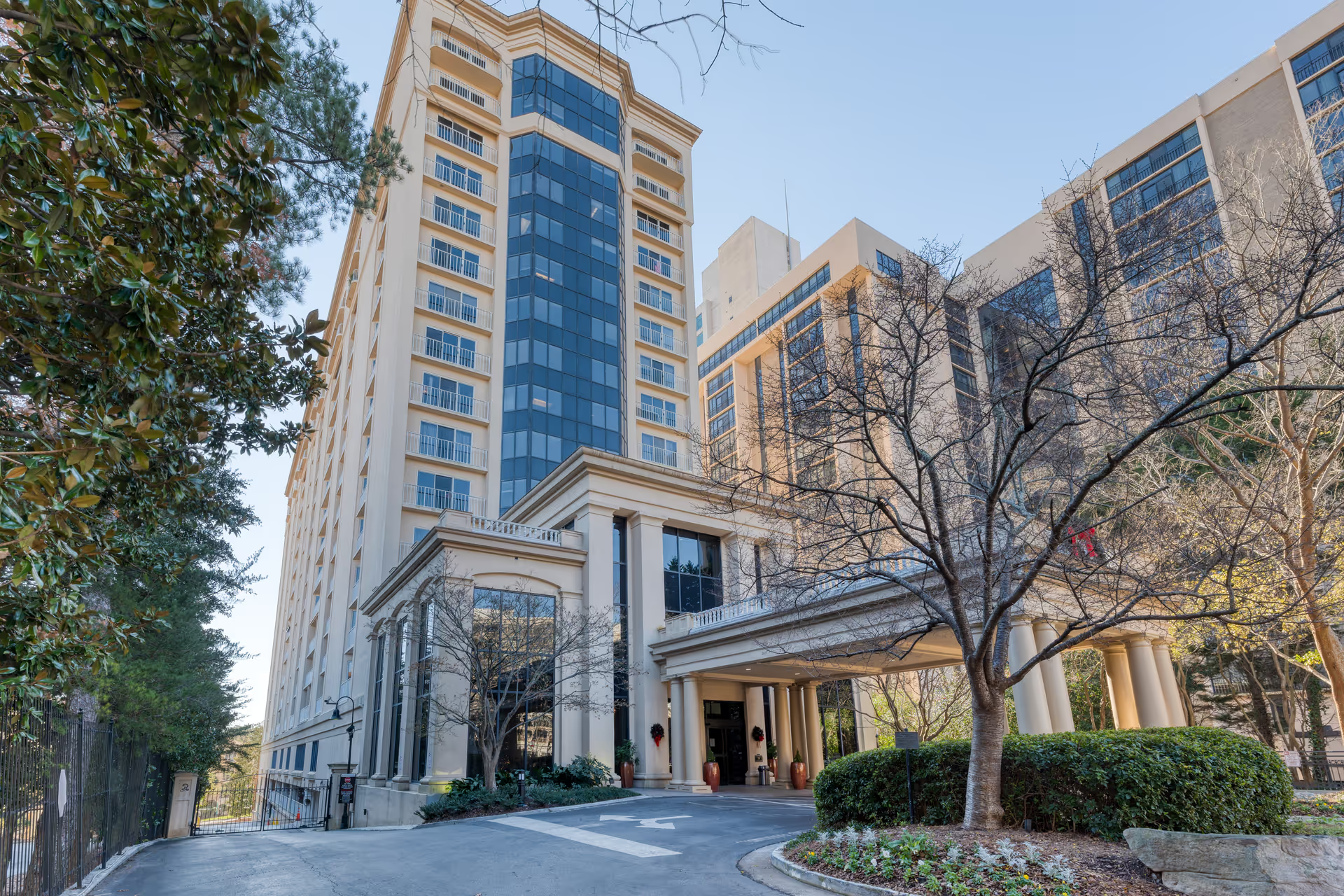
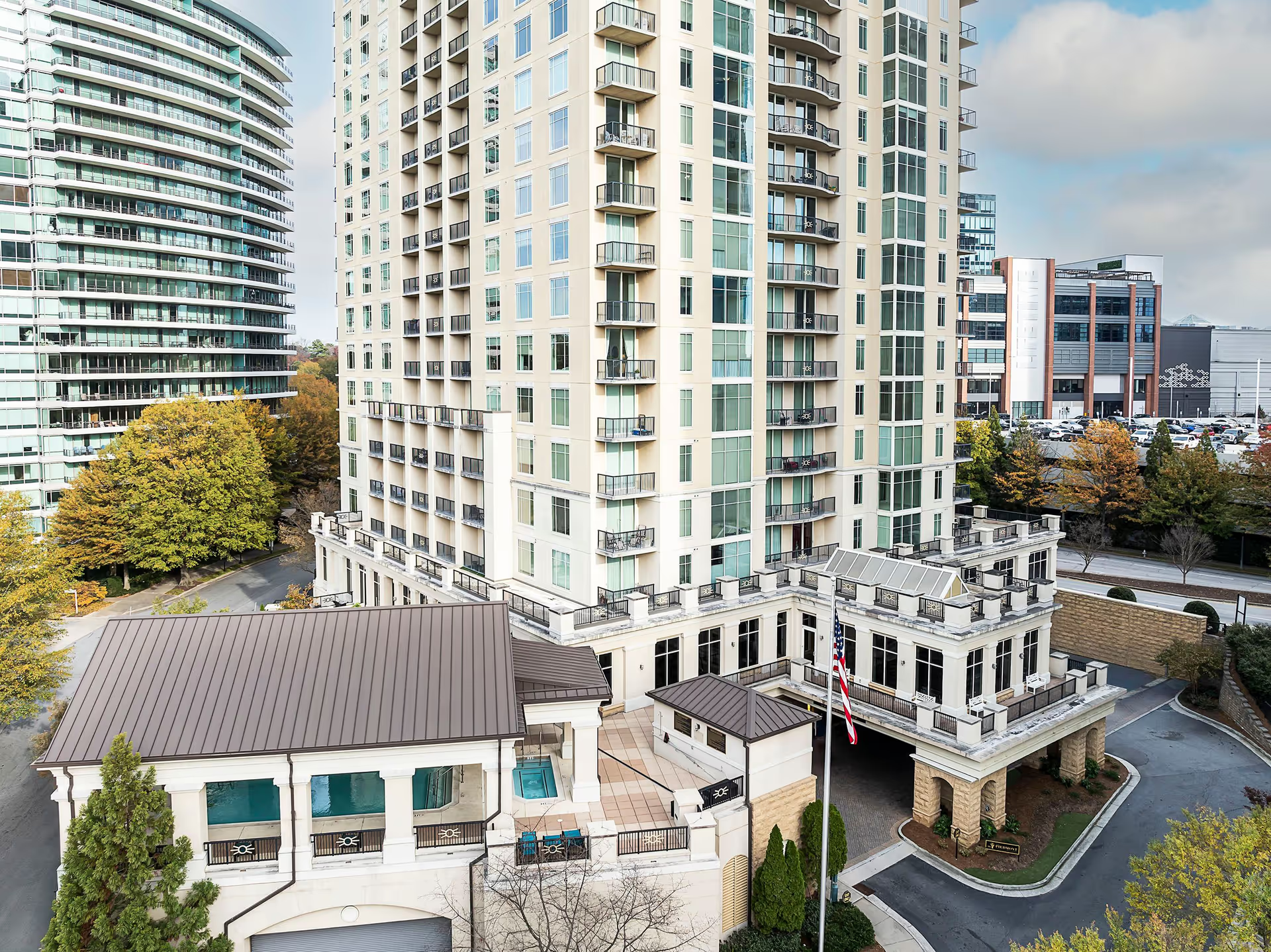
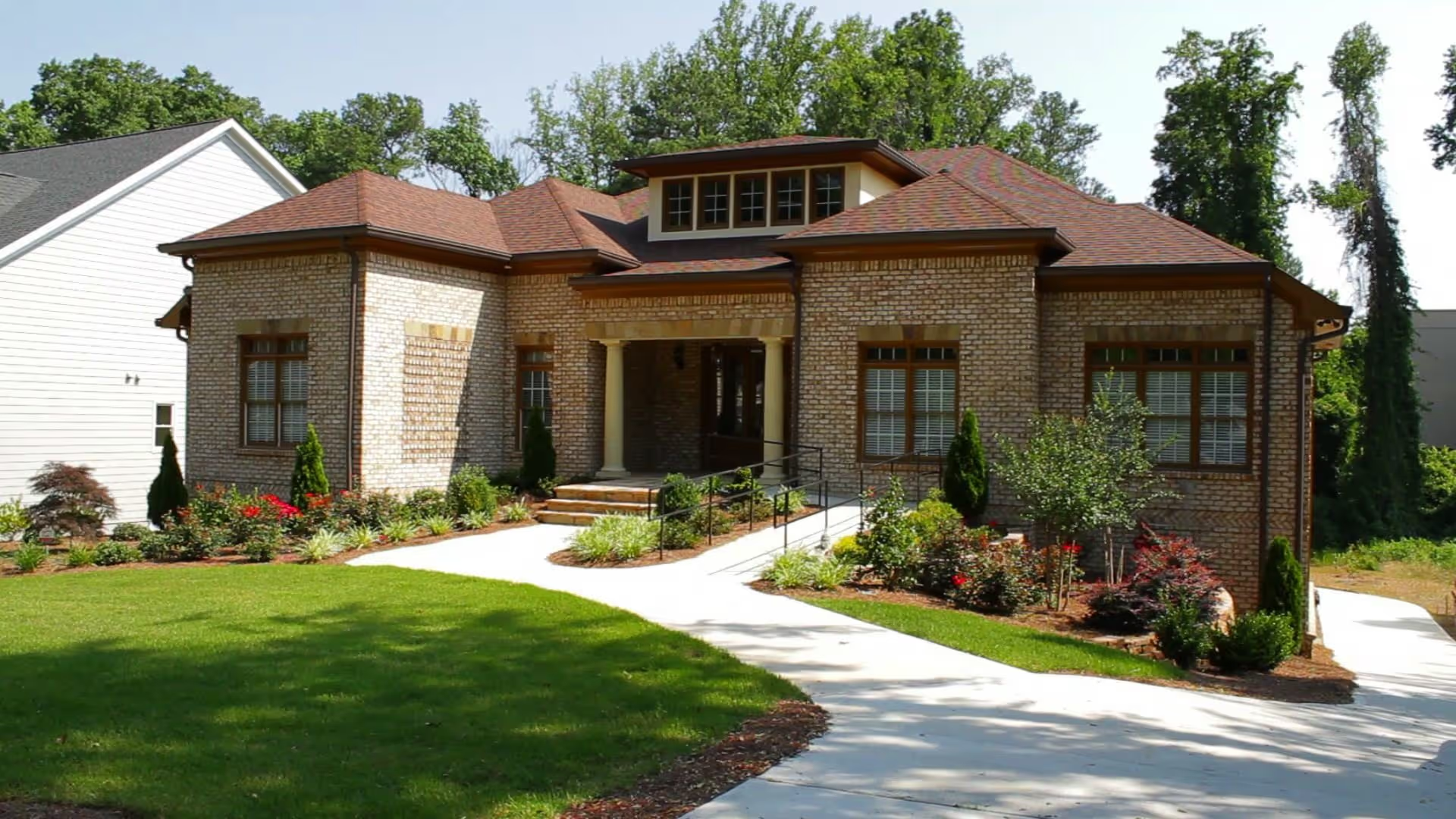
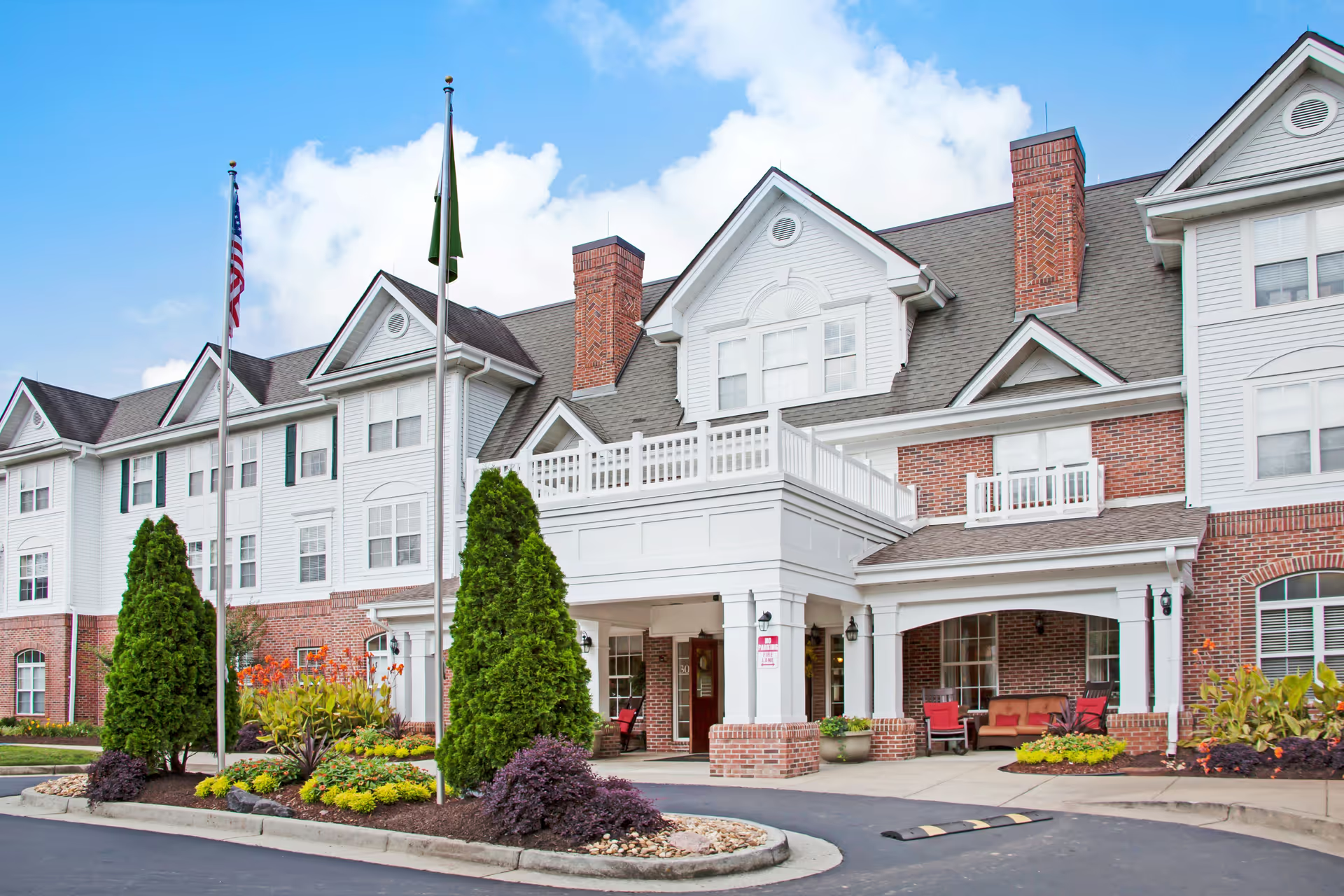
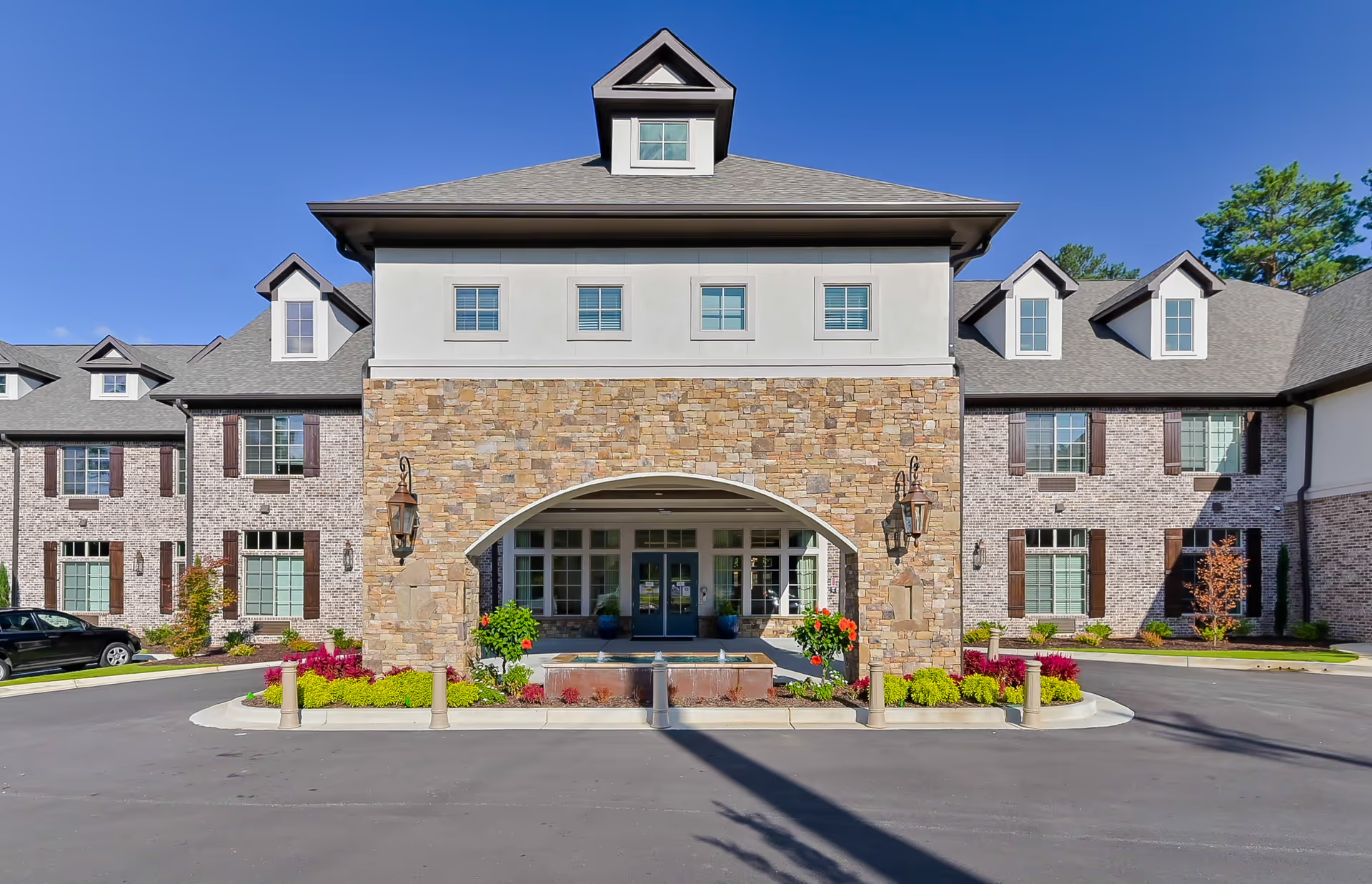
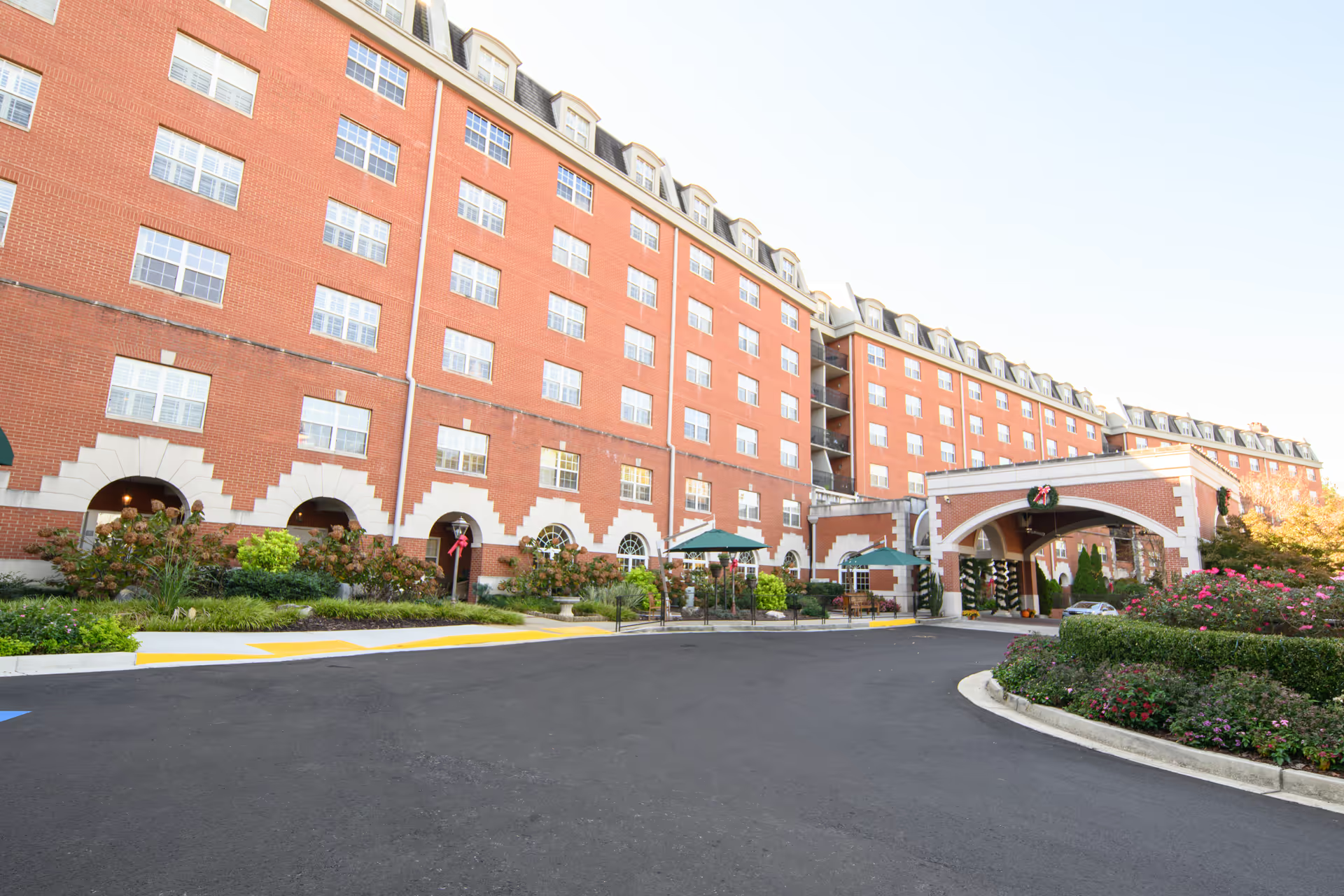
Canterbury Court is described by many sources as a well-appointed life-plan community with resort-style amenities, extensive green space, and a strong social culture. The campus features attractive interiors, a manicured garden, multiple dining venues, and active programming; residents and families commonly note the availability of fitness rooms, a new pool, water exercise classes, symphony and arts outings, and an overall breadth of scheduled activities. Apartment layouts are described as spacious, with enclosed balconies and one- to one-and-a-half-bedroom plans, and the location in Buckhead offers convenient access to Atlanta services and organized transportation.
Clinical care and daily support receive consistent positive attention. Nursing staff are frequently characterized as attentive, proactive, and capable of coordinating care across levels; the community’s continuous-care structure (life-plan) is cited as a key benefit for long-term planning. At the same time, reviews indicate variability in staff conduct and customer-service tone: while many frontline employees (front desk, service personnel) are praised for helpfulness, there are recurring comments about unprofessional behavior or attitude in certain departments. These observations suggest unevenness in staff training, conduct, and responsiveness rather than a uniform operational failure.
Dining and programming are highlighted strengths. Reviewers describe varied, high-quality menus, restaurant-style dining rooms, and flexible meal services (including delivered meals during infection-control periods). The activities program is extensive and includes fitness instructors, water-based exercise, arts and cultural trips, chapel services, and social events that support friendship-building. However, some prospective residents noted that the volume of invitations and activities may feel excessive for those seeking a quieter routine.
Facility operations and management present a mixed picture. The community receives credit for cleanliness, campus upkeep, and for implementing pandemic-safety measures (meal delivery, grocery/pharmacy pickups, communication about safe exercise). Conversely, families reported restrictive visitation policies during the pandemic that limited in-person access for some periods, and there are comments about limited tour access to areas under construction. Communication and problem-resolution appear uneven in some cases: messages left for management or staff were described as unanswered by some correspondents, and ancillary services such as security and valet were singled out for inconsistent performance.
Financial and contractual considerations are an important practical factor. Canterbury Court operates as a life-plan community with a required upfront buy-in and long-term commitment; several accounts emphasize that this is a substantial financial decision and may be perceived as premium-priced. Prospective residents should weigh the value of the continuous-care model, location, and amenities against the financial terms.
Overall, Canterbury Court consistently draws praise for clinical nursing care, the richness of its activity and dining offerings, and the quality of its grounds and interiors. The principal caveats are operational: variability in staff professionalism and responsiveness across departments, restrictions on visitation during infection-control events, occasional service inconsistencies in ancillary functions, and the significant financial commitment required. For families prioritizing active programming, high-quality on-site care, and an upscale campus environment, the community appears to deliver strong advantages; those prioritizing uniformly consistent customer service and flexible short-term access may wish to clarify staffing practices, communication protocols, and visitation policies before committing.