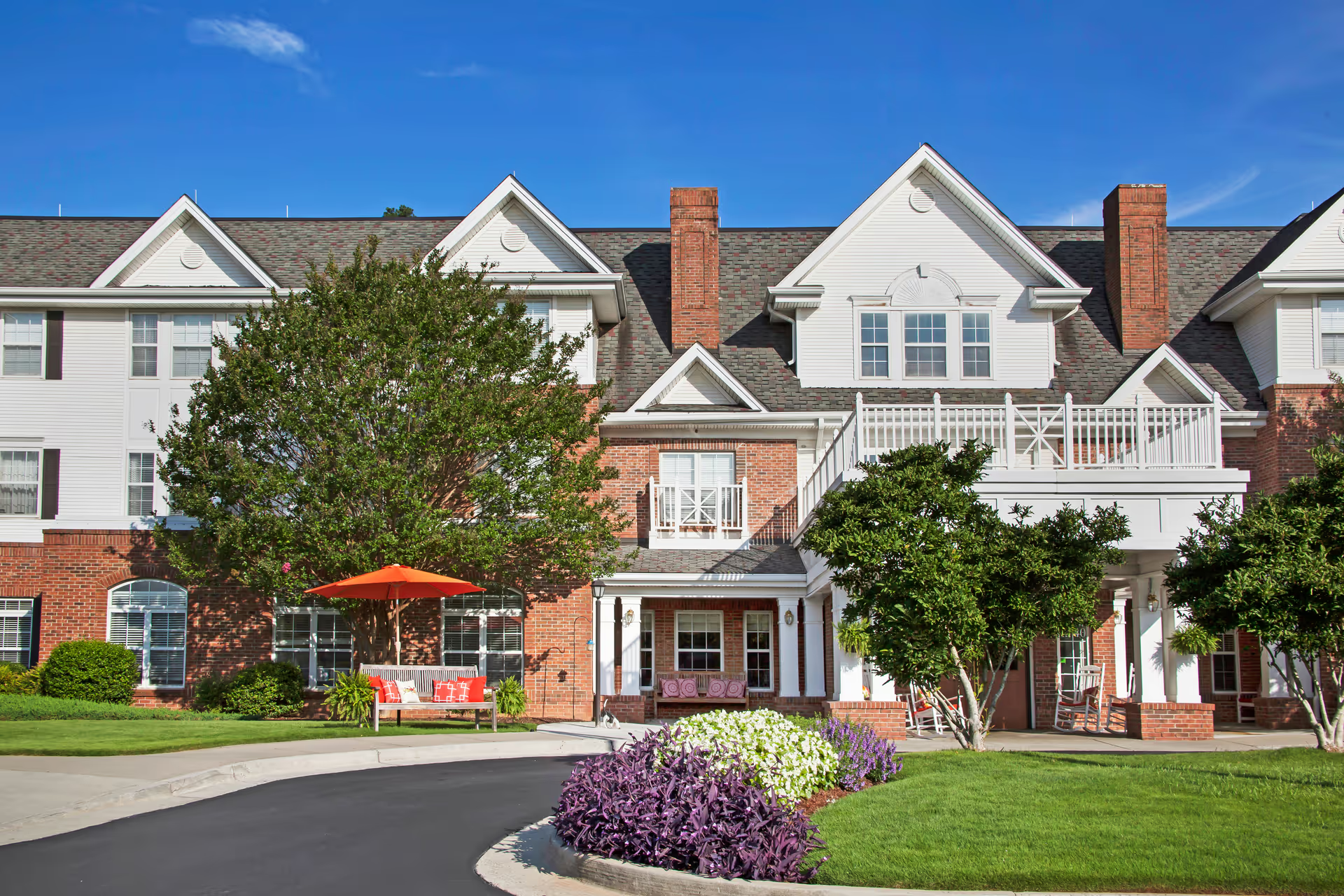
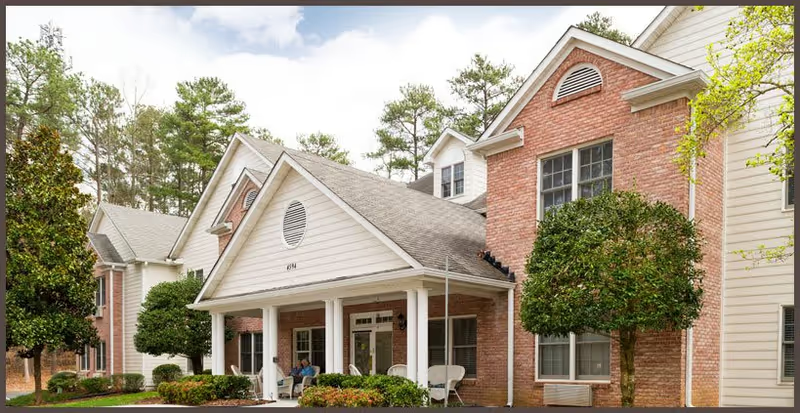
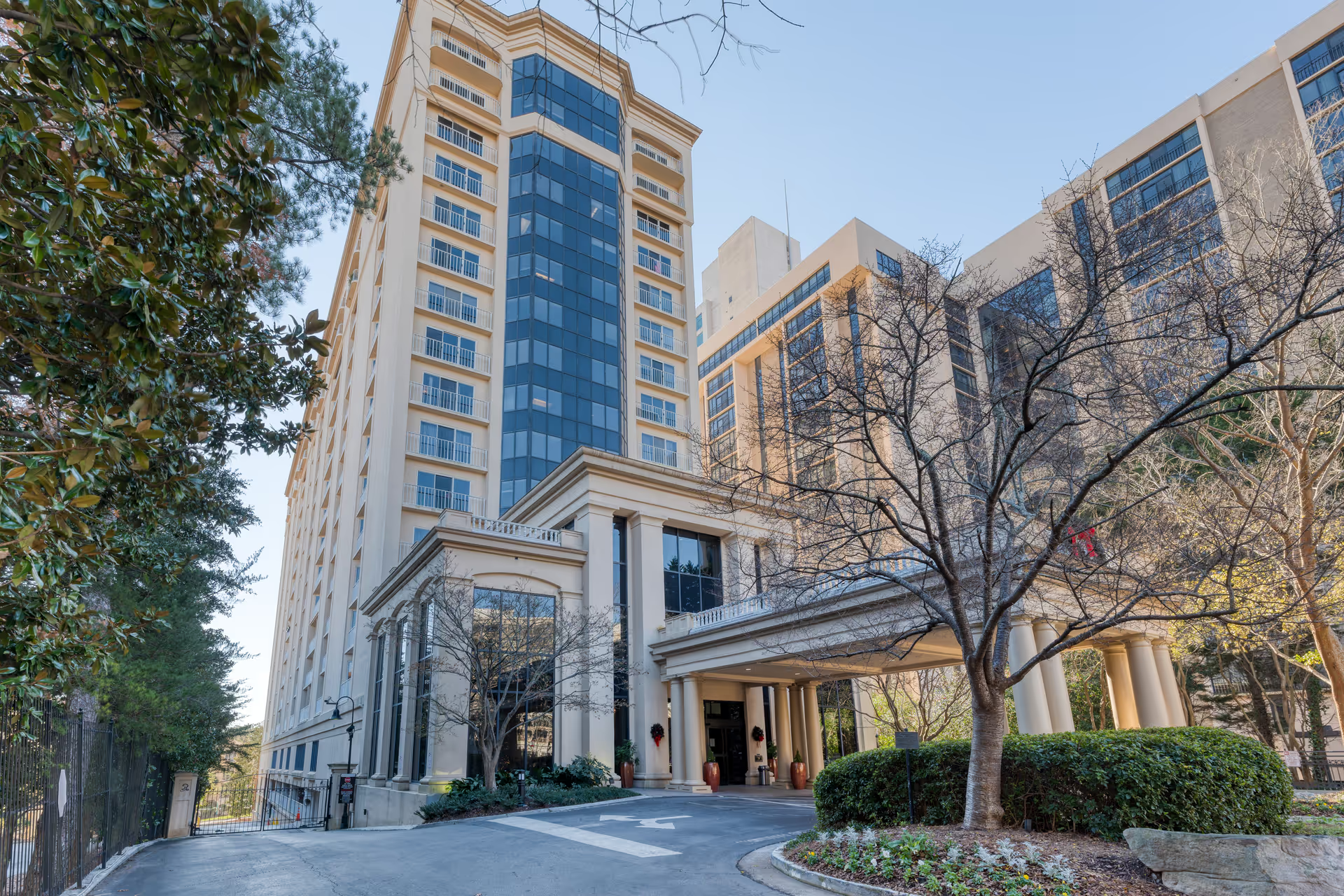
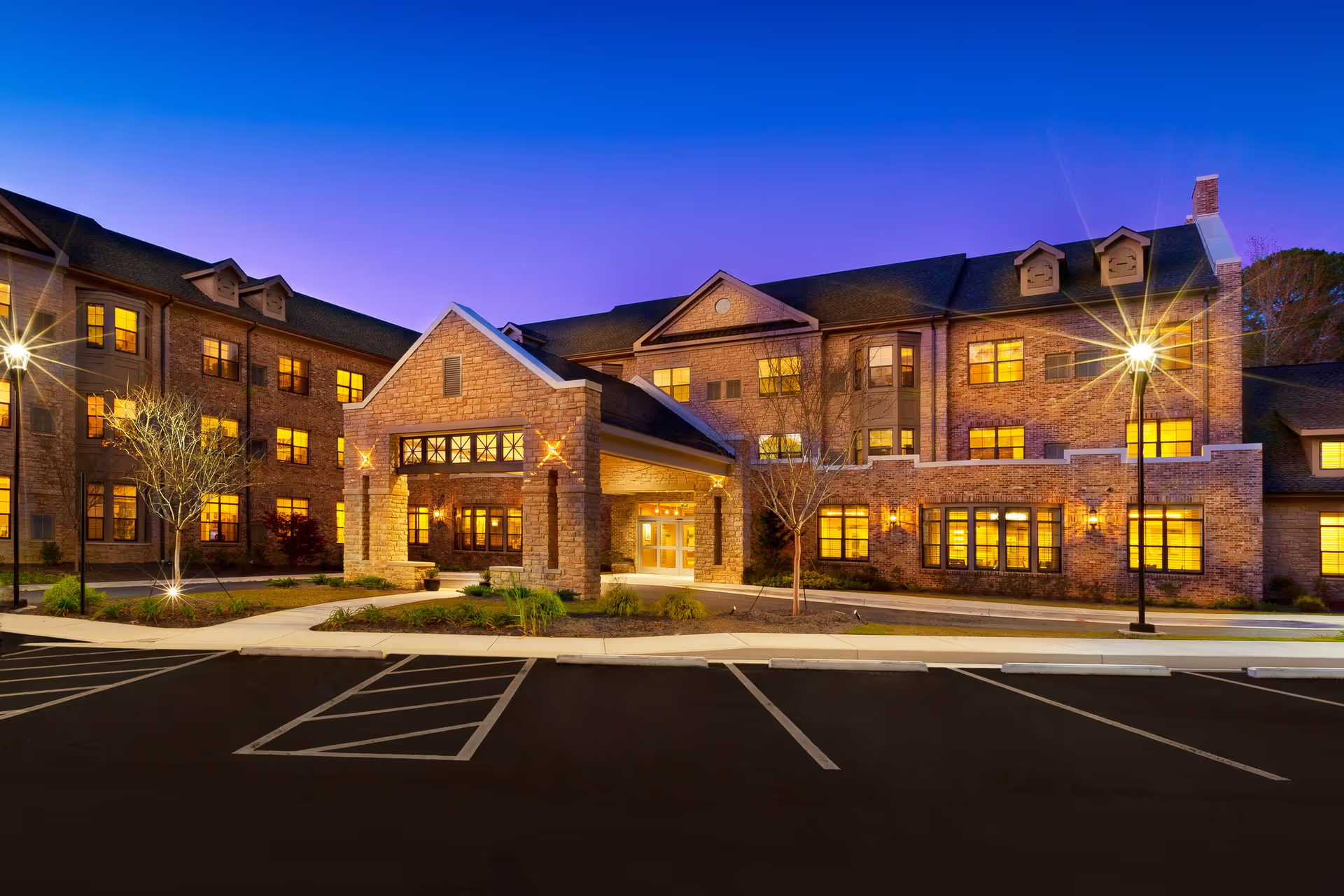
Sandy Springs Center for Nursing and Healing elicits strongly polarized experiences. A substantial portion of accounts highlight committed caregiving teams, particularly CNAs, nursing staff, and therapists, who deliver effective rehabilitation and demonstrate compassionate, family‑focused interactions. The facility's therapy departments (PT/OT/ST) receive consistent praise for producing measurable mobility and functional gains. Many families also note a welcoming entry experience, secure visitor procedures, attractive landscaping, and clean, odor‑free common areas that contribute to a home‑like atmosphere.
At the same time, a recurring pattern of operational inconsistencies contributes to markedly different experiences across shifts and units. Staffing levels and coverage are frequently described as uneven; families and residents describe slow or inconsistent call‑bell responses and delays attending to toileting, bathing, and repositioning needs. These delays are linked in several accounts to pressure‑injury prevention concerns and increased risk of infection, indicating gaps in safety‑focused nursing processes rather than isolated events. Medication administration and documentation are another notable weakness: missed or delayed doses, inconsistent medication reconciliation on admission/discharge, and unclear PRN practices are described in multiple accounts.
Dining and daily living services also show mixed performance. Several visitors praised pleasant meals and attentive dining staff, but an equally large set of comments point to inconsistent meal quality and temperature control, limited diet variety for special diets, and occasional lapses in mealtime assistance. Activity programming is present and appreciated by many, with engaging options and social events; however, longer‑term residents and families sometimes describe limited variety beyond common offerings and fewer outings than expected.
Facility condition and management present a mixed picture. The exterior, grounds, and many common areas are often well maintained, while interior spaces and some rooms are described as aging and in need of capital investment (worn carpeting, small rooms, limited lighting in outdoor areas). Administrative performance varies: some families commend proactive communication, effective case management, and responsive leadership; others report inconsistent communication, delays or errors in admission/discharge paperwork, lost belongings, and billing transparency issues. There are also a limited number of serious conduct allegations that families elevated to police or regulatory attention; these accounts are not the facility norm but warrant careful inquiry by prospective families.
Overall impression: the center can provide high‑quality rehabilitation and compassionate bedside care when staffing and operational controls are functioning well. However, variability across shifts and units — in staffing, clinical safety practices, medication management, cleanliness in specific areas, and administrative follow‑through — produces a broad range of family experiences. Prospective residents and families would benefit from asking specific, written commitments about staffing ratios, frequency of toileting and repositioning, medication reconciliation procedures, meal temperature/quality protocols, belongings and billing policies, and opportunities for a unit tour to assess room size and current sanitation before admission.