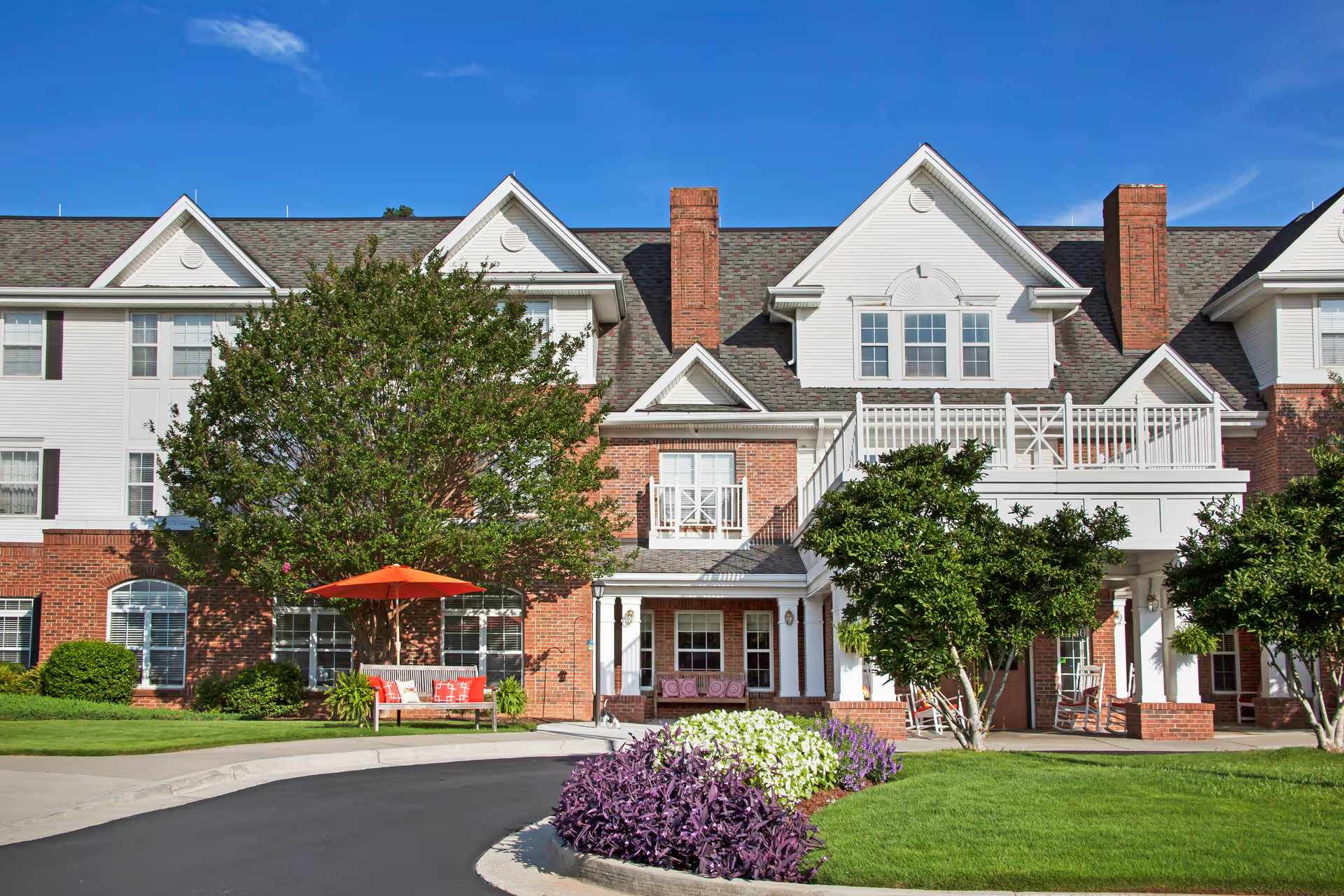
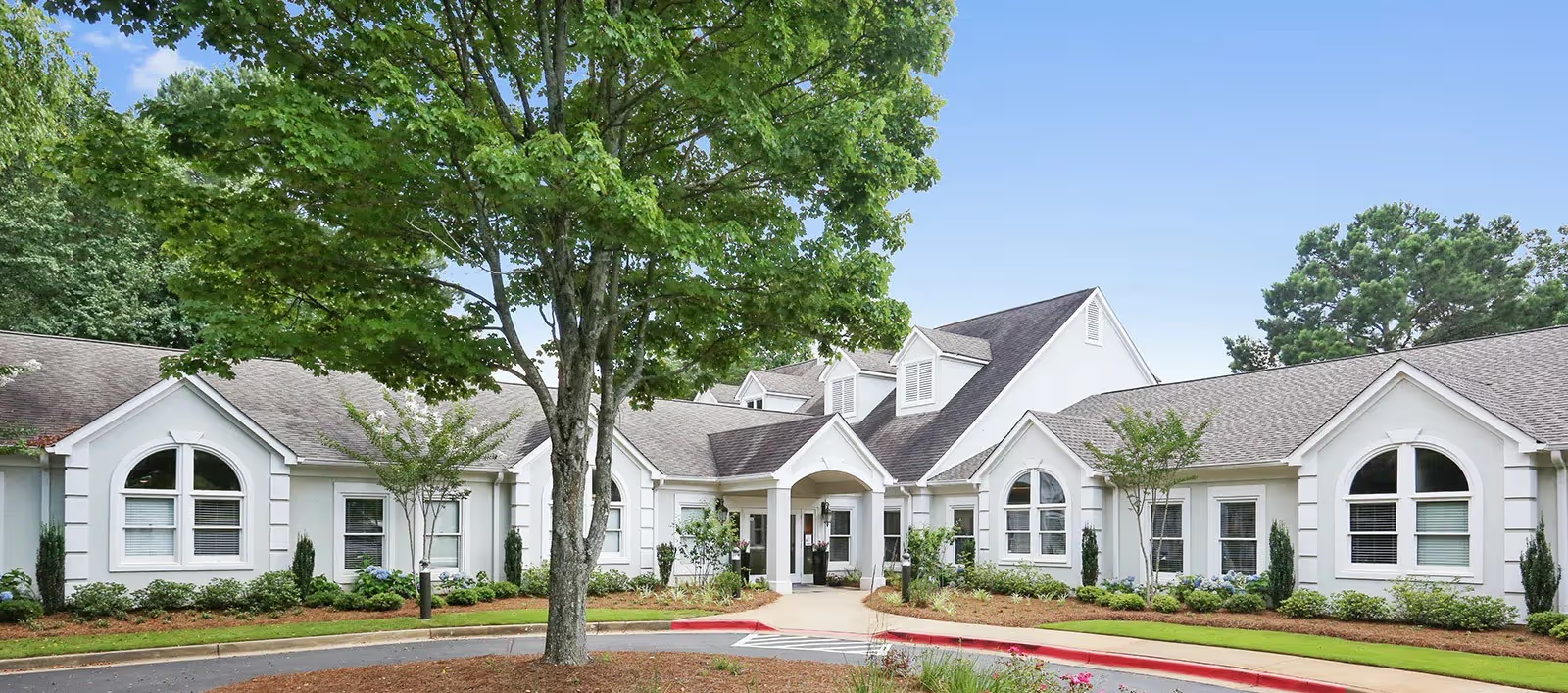
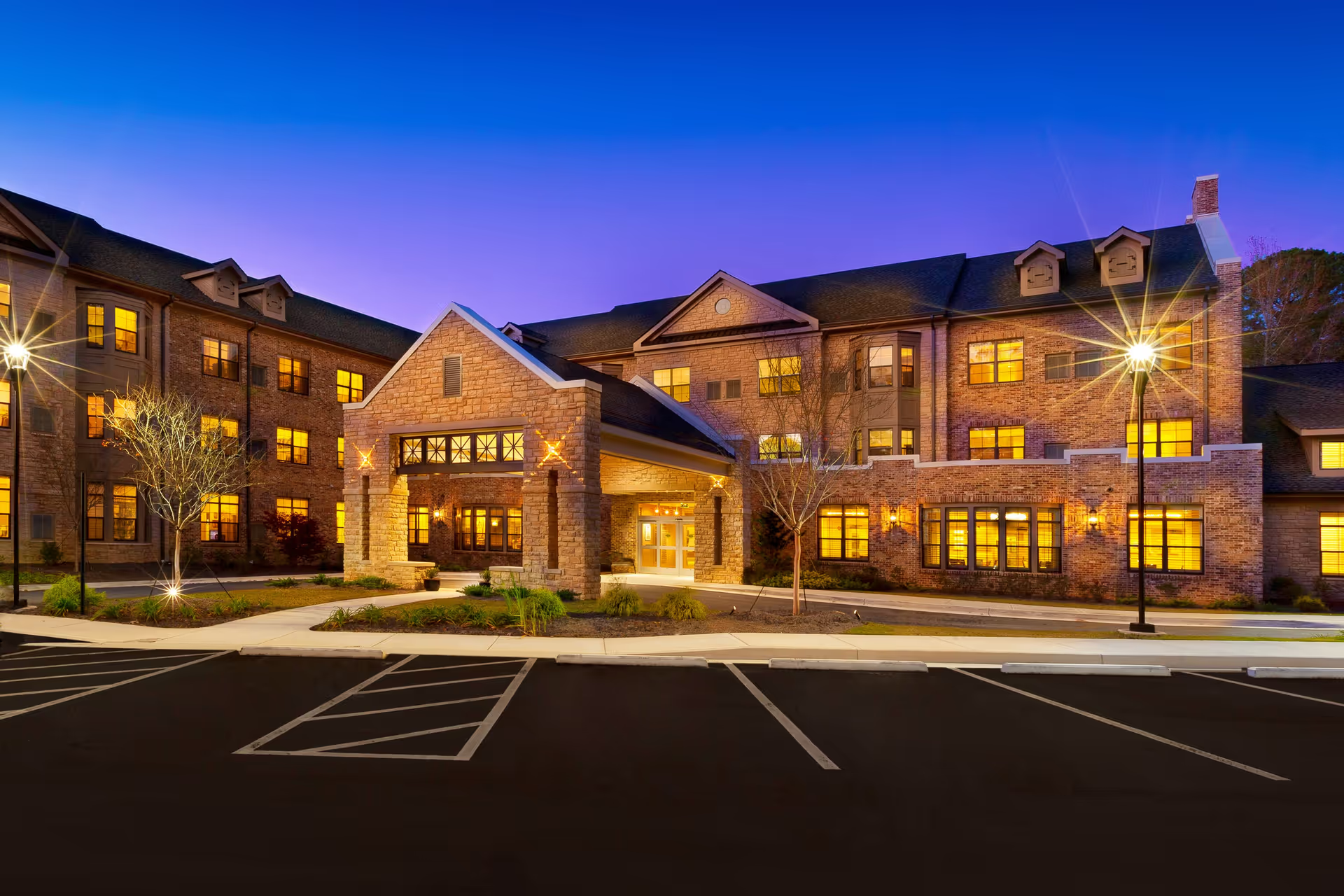
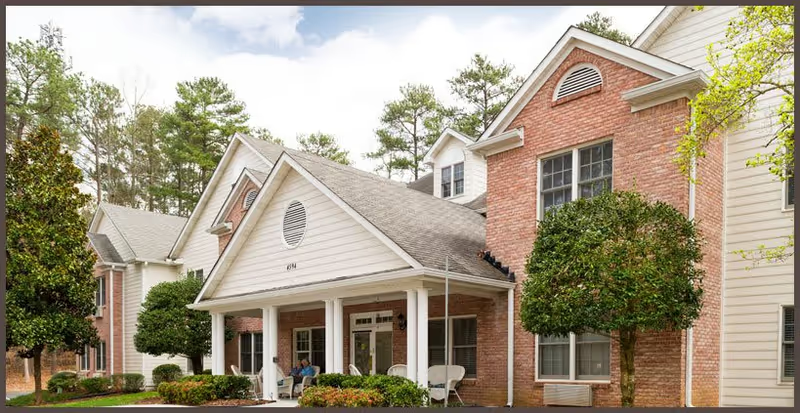
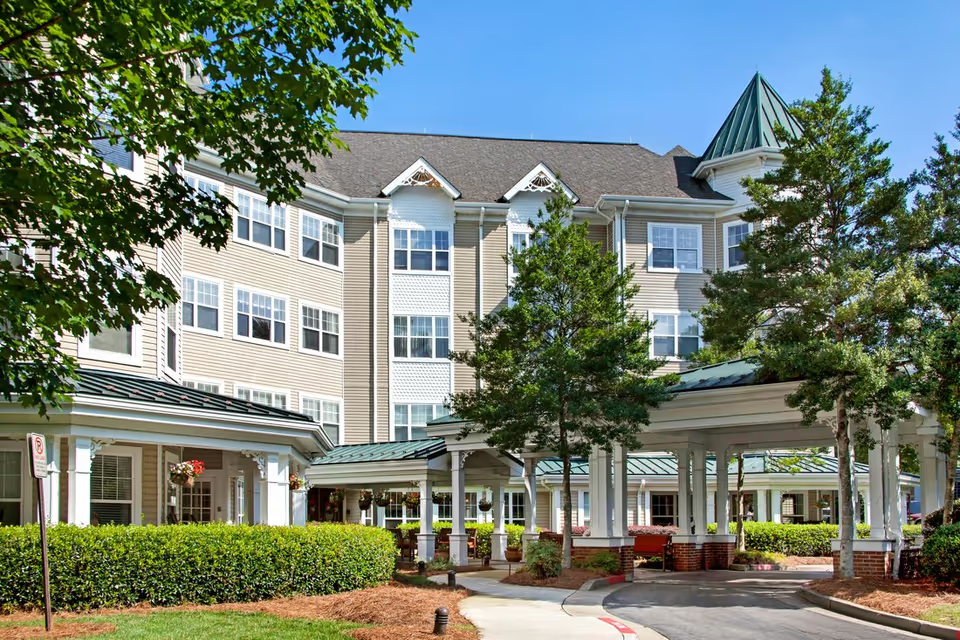
Vernon Springs Senior Living is consistently described as a small, well‑maintained, recently renovated community with a family-like atmosphere. Reviewers emphasize the facility’s strong point-of-care attributes: staff are frequently characterized as compassionate, approachable and skilled in dementia care, with many accounts of attentive medication management, timely clinical responses, and successful transitions for new residents. The integrated memory-care unit, staffed by the same team, is perceived as a convenience and a strength for households seeking continuity of care. Medical access is reinforced by an on-call/concierge doctor and periodic physician visits, and physical‑therapy services receive positive mention.
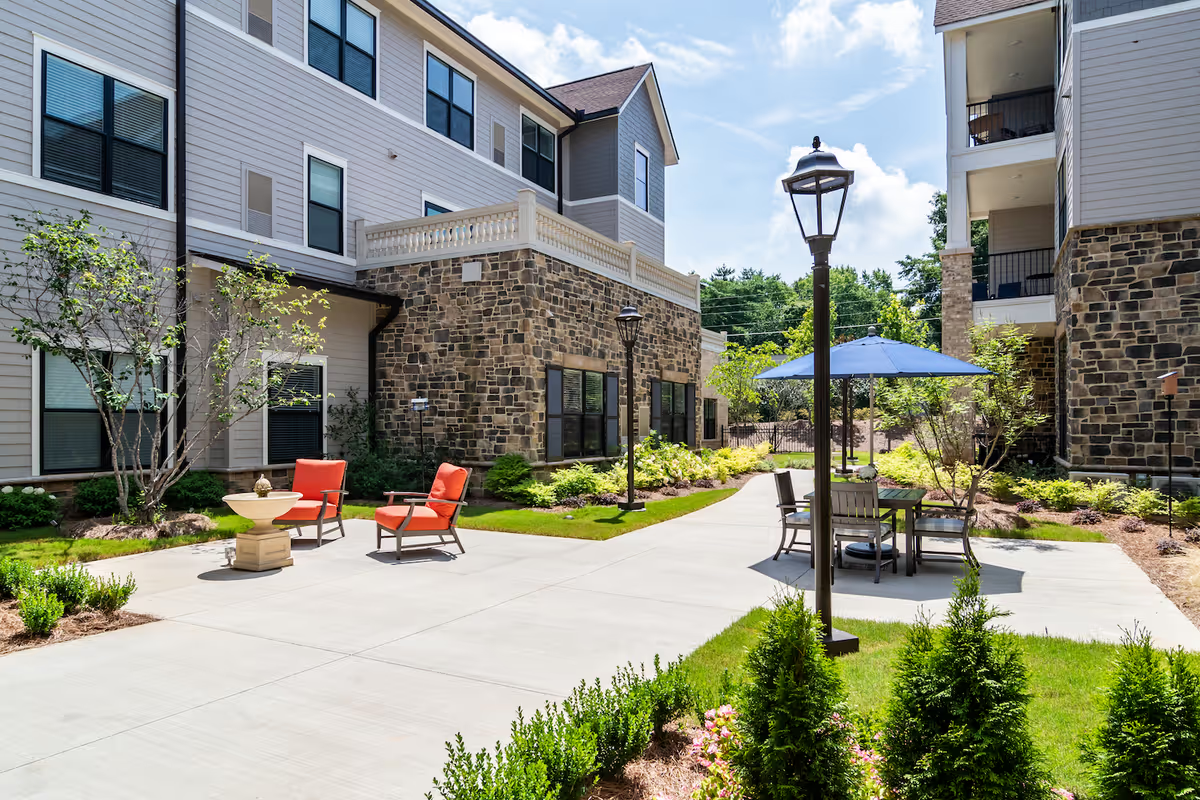
The activities and social program are regularly highlighted as robust. An active activities director, frequent outings, performances, arts and exercise programs, salon services, and shuttle transportation contribute to social engagement. Common areas and many apartments are described as bright, airy, and attractively renovated; apartment layouts with private foyers and kitchenettes are noted as comfortable and home‑like. Maintenance responsiveness and cleanliness are cited repeatedly, supporting an overall impression of a well‑kept environment.
Areas of operational weakness emerge as recurring themes. Staffing levels and consistency are an important concern: reviewers describe variability in aide availability and attentiveness, which some families link to uneven care delivery. Dining quality is uneven—while some praise the chef and community meals, others note inconsistent meal quality and limited accommodations for special diets. Several reviewers reported that advertised services or menu options changed (for example, a kosher kitchen was removed), indicating a risk of service discontinuity that families may want to confirm when touring.
Management and administrative practices draw mixed feedback. Some families appreciate open leadership, monthly family meetings, and visible managers, while others point to disorganization at the front desk, uneven communication, and occasional problematic tour or admissions experiences. Operational issues such as intermittent housekeeping/laundry follow‑through, sanitation or odor concerns in specific common areas, and the impact of ongoing renovations (including lighting gaps in places) were cited and should be clarified in person. Practical limitations—limited parking, no valet or covered parking, and an institutional dining feel for some residents—may affect daily convenience and resident satisfaction.
Overall pattern: Vernon Springs appears strong on relational care, dementia expertise, clinical responsiveness, and social programming within a small, renovated setting. Prospective residents and families should weigh those strengths against operational variability in staffing, meal consistency, service continuity, and administrative communication. Important tour questions include current staffing ratios (especially on memory‑care shifts), dietary accommodations, status and timeline of renovations, parking arrangements, and written confirmation of any services that are important to the family (for example, specific meal programs).