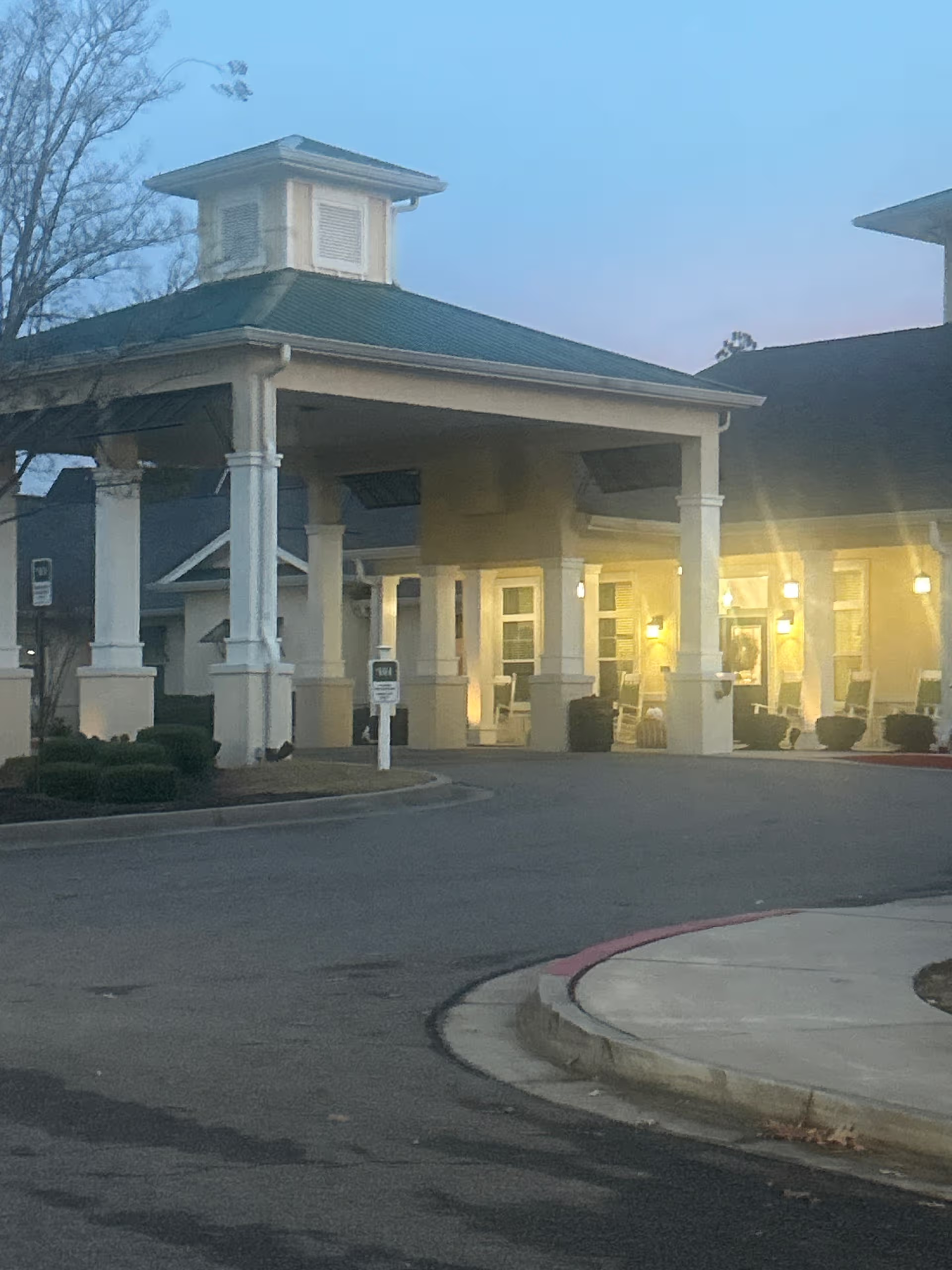
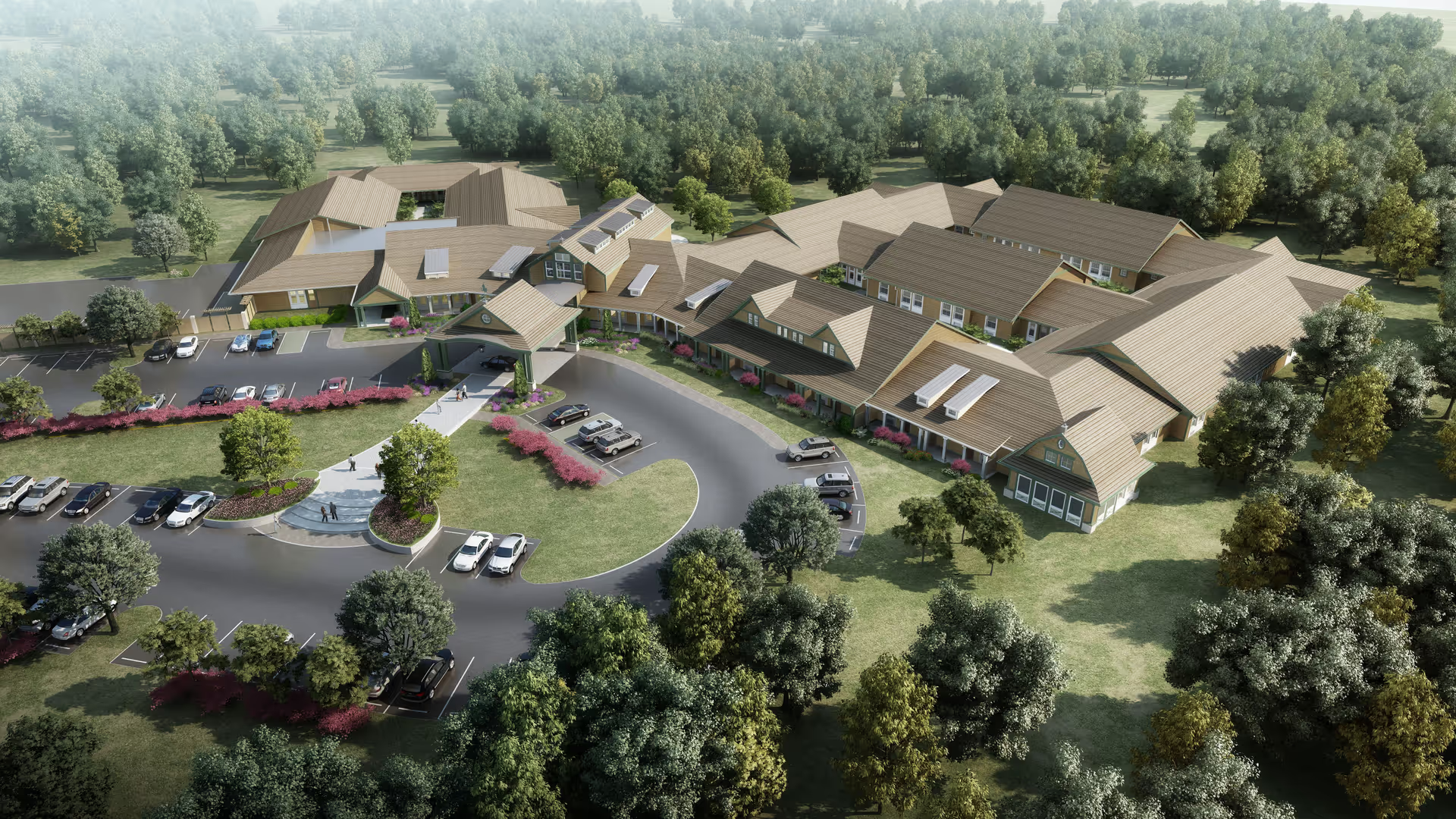
PruittHealth - Augusta presents a highly mixed profile across the reviews. Many accounts highlight strong, compassionate direct-care staff and an effective therapy program: nursing personnel, rehabilitation therapists, and admissions staff receive repeated praise for attentiveness, skill, and support during transitions. The facility also offers an active activities program, pleasant outdoor and lobby spaces, private-room options for some patients, and examples of efficient administrative coordination for appointments and placements. Several families described prompt clinical improvements—particularly in physical therapy—and timely, reassuring communication from specific staff members.
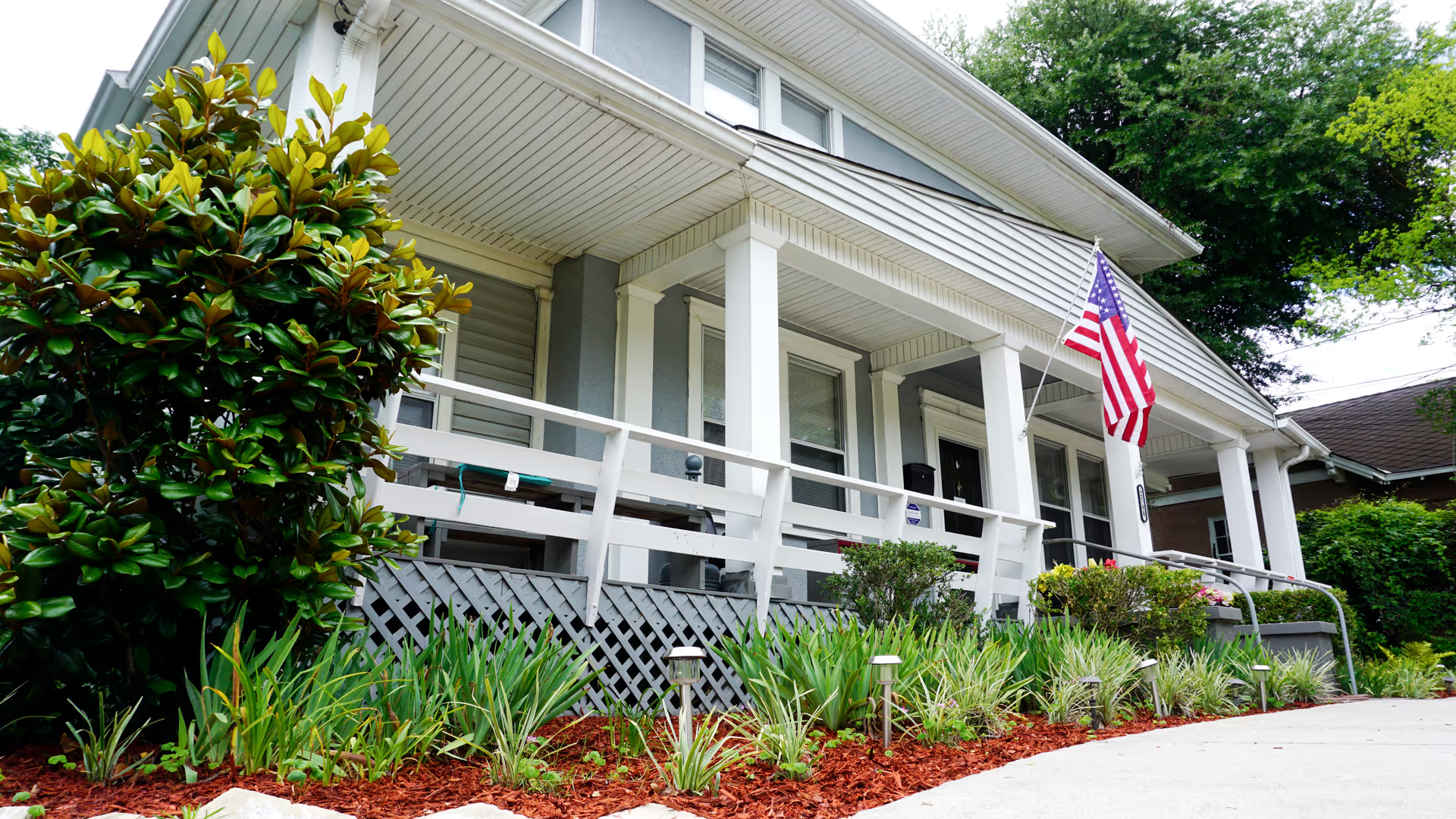
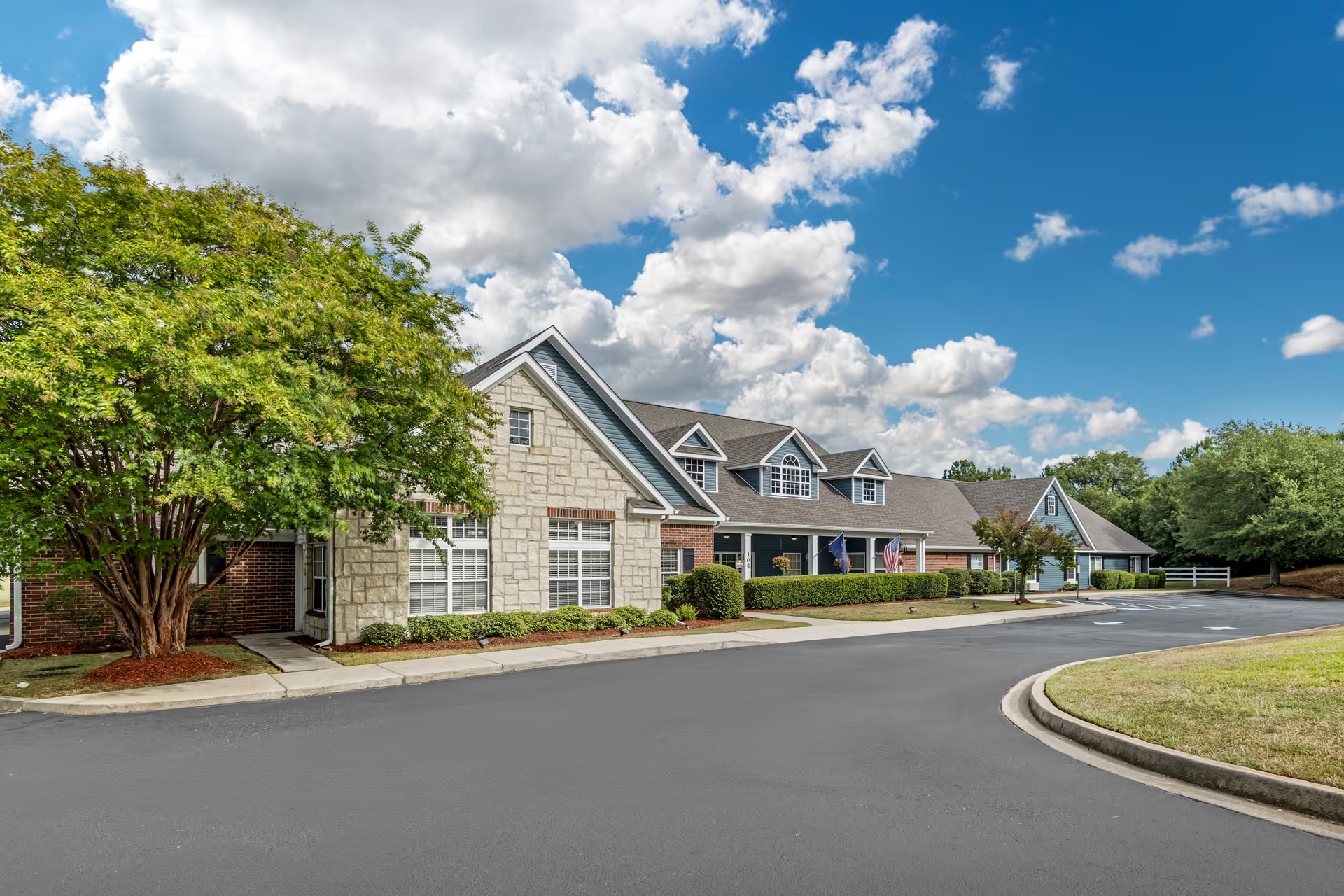
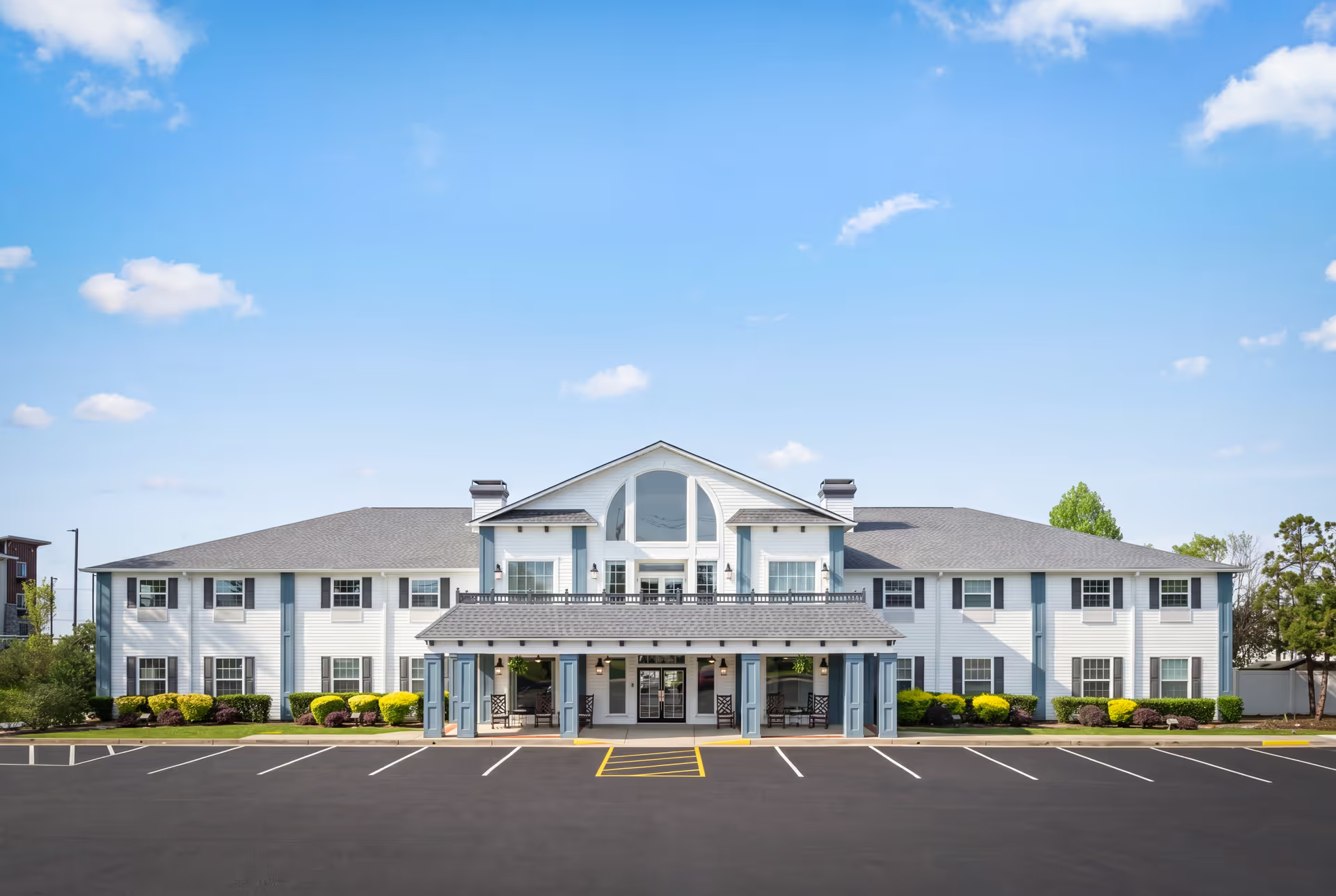
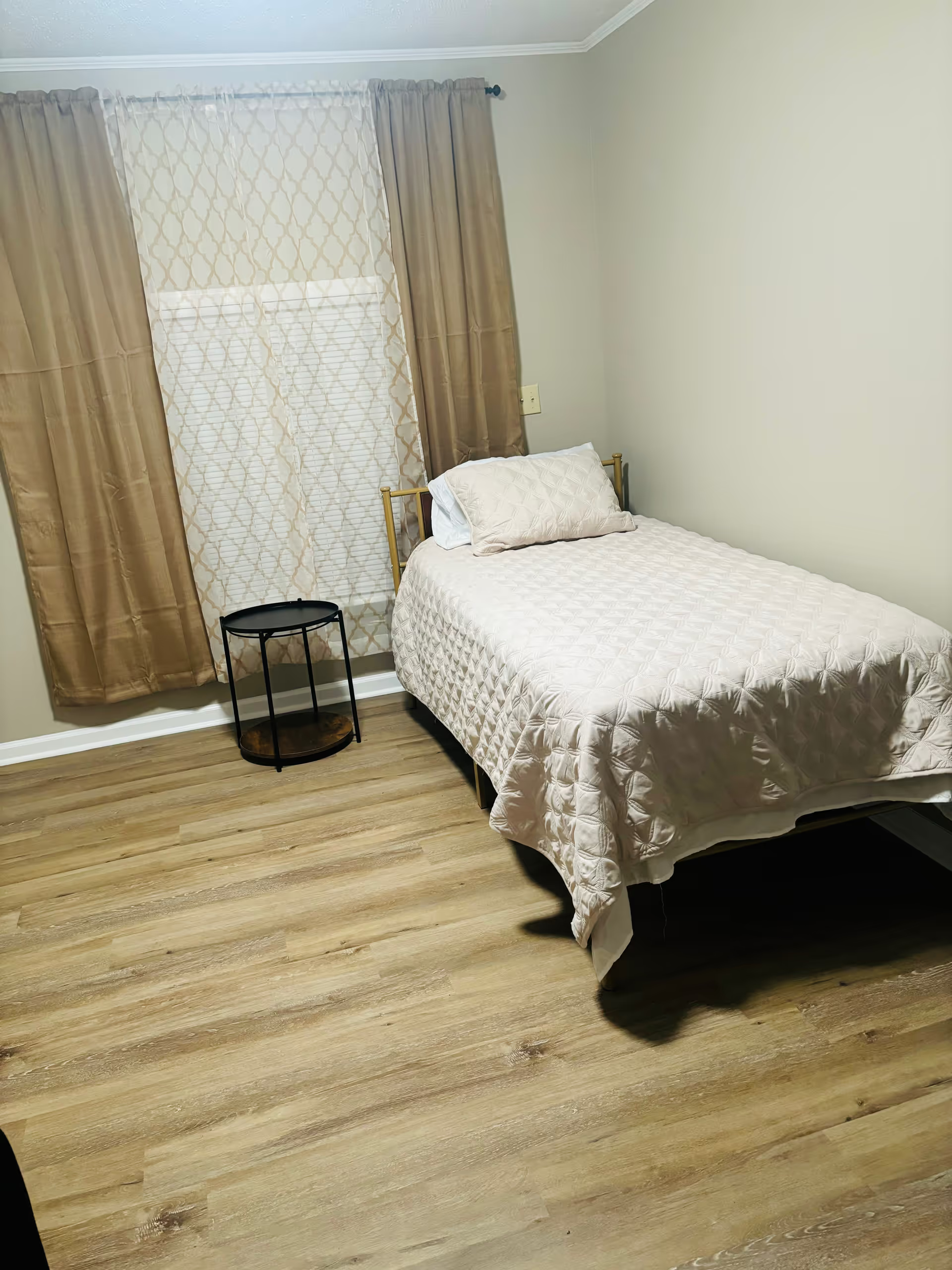
At the same time, a substantial number of reviews describe operational inconsistencies that affect day-to-day resident experience. Cleanliness and sanitation practices are uneven across units, and there are reports of moisture/mold concerns and pest-control issues in some areas. Maintenance and infrastructure problems (including HVAC and outdated equipment/furnishings) were cited alongside accounts of small, cramped shared rooms and limited privacy. While some updates and curb-appeal improvements were noted, the physical plant appears to require further capital attention to meet modern expectations.
Clinical-care reliability and responsiveness emerge as polarizing themes. Many families praised the bedside care and therapy teams, but others reported prolonged call-bell waits, slow front-desk and phone responses, and staffing shortages that contributed to delays in bathing, toileting assistance, transport, and discharge coordination. Concerns about medication administration practices and clinical oversight appear in multiple summaries, and there are at least a few serious, individual complaints framed as concerns following a resident's death and other adverse outcomes. These point to variability in clinical processes and supervision rather than uniformly consistent performance.
Dining and daily life show similar variability: the activities program is generally described as robust and engaging, but food-service reliability is inconsistent. Some accounts praise the meals and dining area; others note cold meals, repetitive menus, weight loss, and a perceived need for supplemental outside food. Transportation and discharge planning were highlighted as areas that can be slow or poorly coordinated.
Management and administration are experienced unevenly. Several reviews single out compassionate, thorough admissions personnel and proactive managers who communicate well and resolve issues. Conversely, other accounts criticize leadership for being overly focused on billing, for aggressive collections or eviction threats, and for inconsistent follow-through on repairs and staffing. Security and property-management weaknesses are noted, including missing personal items and at least one report leading to a police report; given the seriousness of those claims, prospective families may wish to treat this as a priority investigative item.
Taken together, the pattern is one of high variability: strong, caring frontline staff and effective therapy coexist with persistent operational and administrative shortcomings. Prospective residents and families should schedule an in-person tour, observe staffing levels during different shifts, ask for current staffing ratios and medication-administration protocols, review recent inspection and infection-control reports, inspect room cleanliness and maintenance, inquire about pest control and HVAC remediation plans, and discuss billing practices and property-security policies before making placement decisions.