The reviews present a mixed picture of the facility, with a clear division between rehabilitation strengths and operational weaknesses in long-term care. On the positive side, many accounts emphasize a strong therapy program: knowledgeable physical and occupational therapists, individualized treatment plans, and measurable improvements in mobility and function. Families report a calming, rehab-focused environment that supports recovery, with examples of quick recoveries and positive interdisciplinary care meetings involving nurses, therapists, and social work.
Nursing and day-to-day personal care show more variability. Several reviews describe timely, compassionate care from particular nurses and praise for an available Director of Nursing who intervened effectively. Conversely, other accounts describe delayed assistance with basic needs, inconsistent bathing and incontinence-care practices, and supply shortages that affected routine care. These differences suggest inconsistent staffing levels or uneven staff training/coverage across shifts.
Dining and nutrition are similarly mixed. Holiday and communal meals are described positively and the facility is noted for welcoming dining experiences. At the same time, there are concerns about dietary management for residents with specific needs; examples include inappropriate carbohydrate content for diabetic diets and inconsistencies in meal delivery. This points to gaps in meal planning and monitoring for medically prescribed diets.
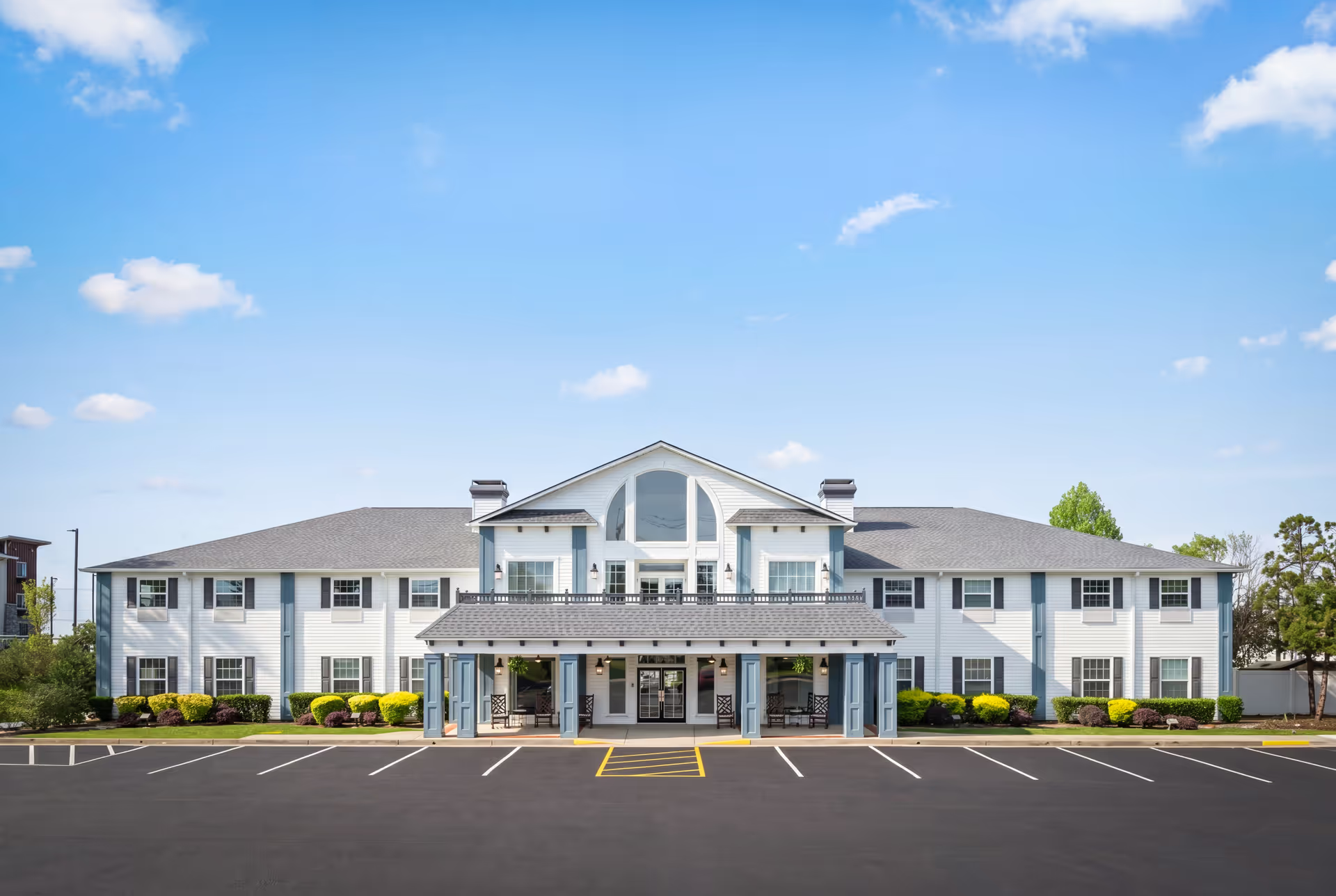
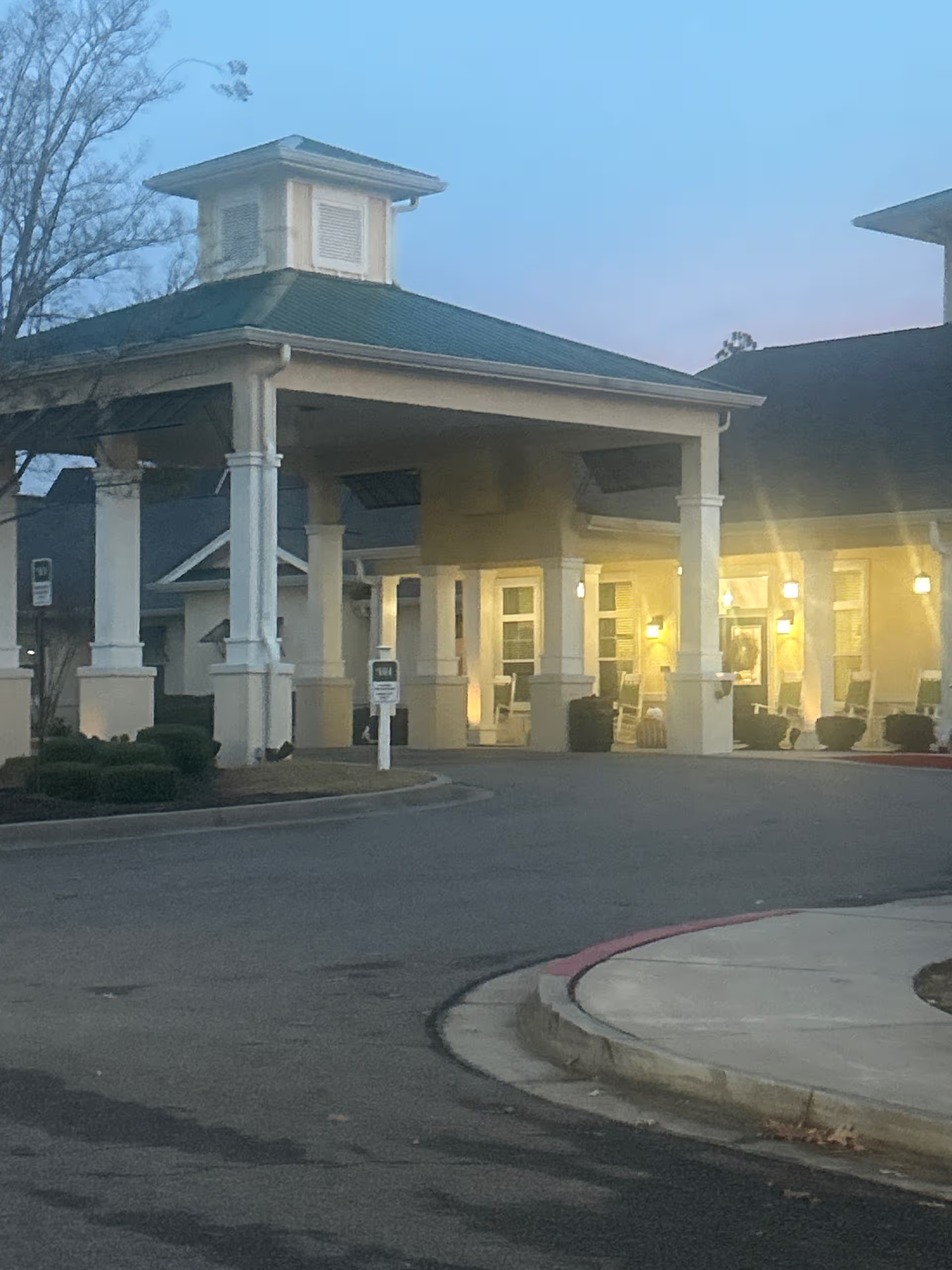
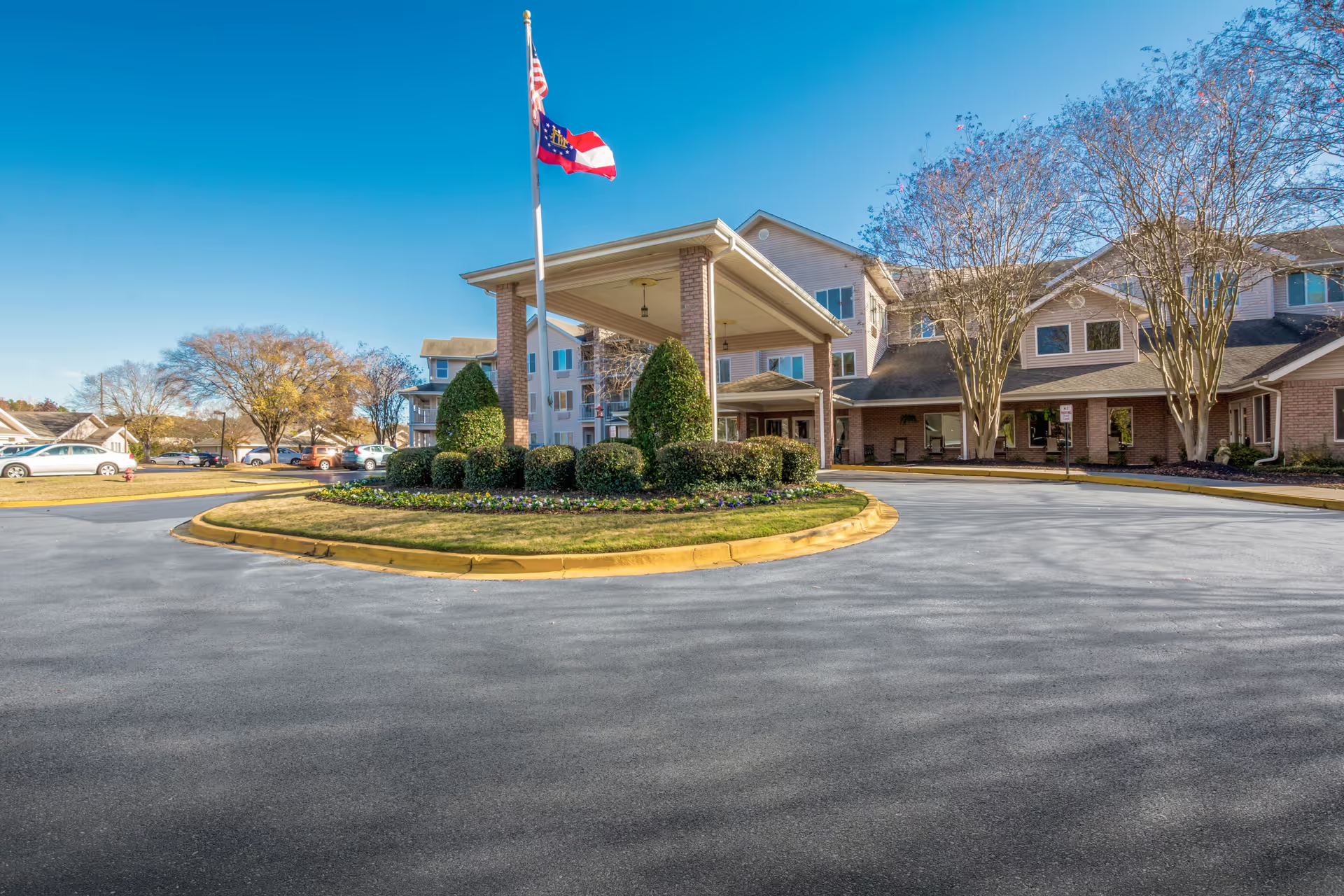
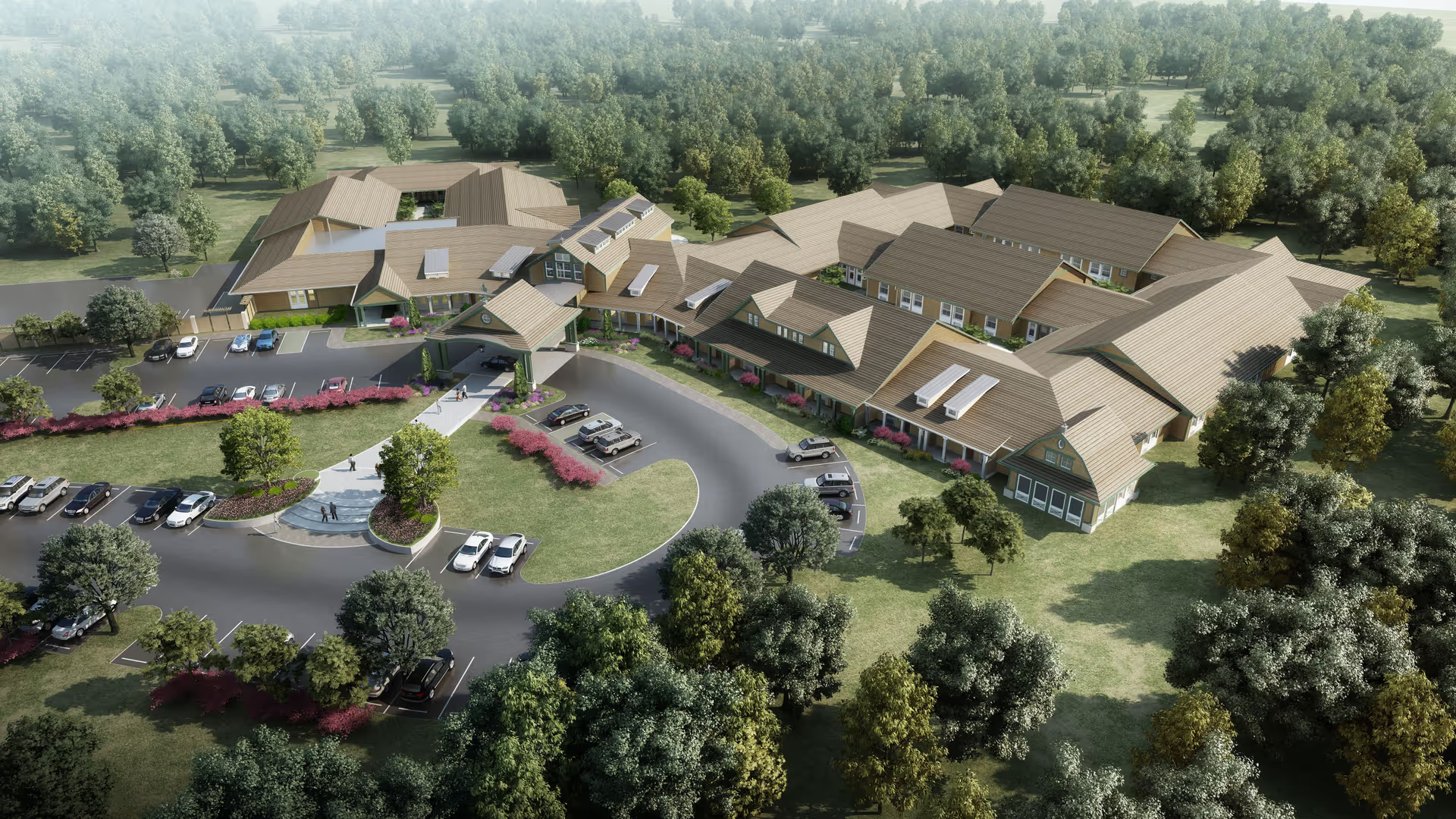
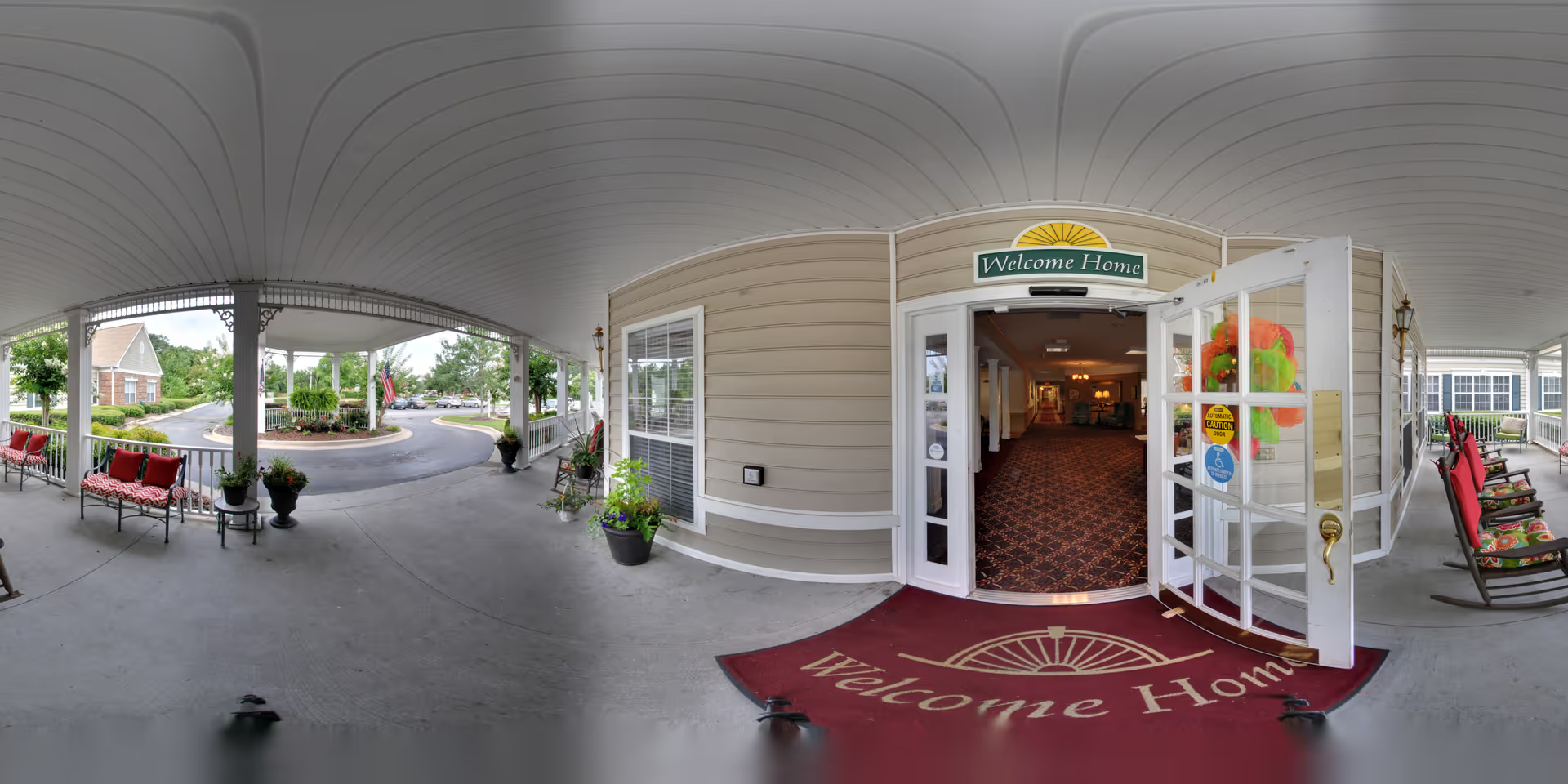
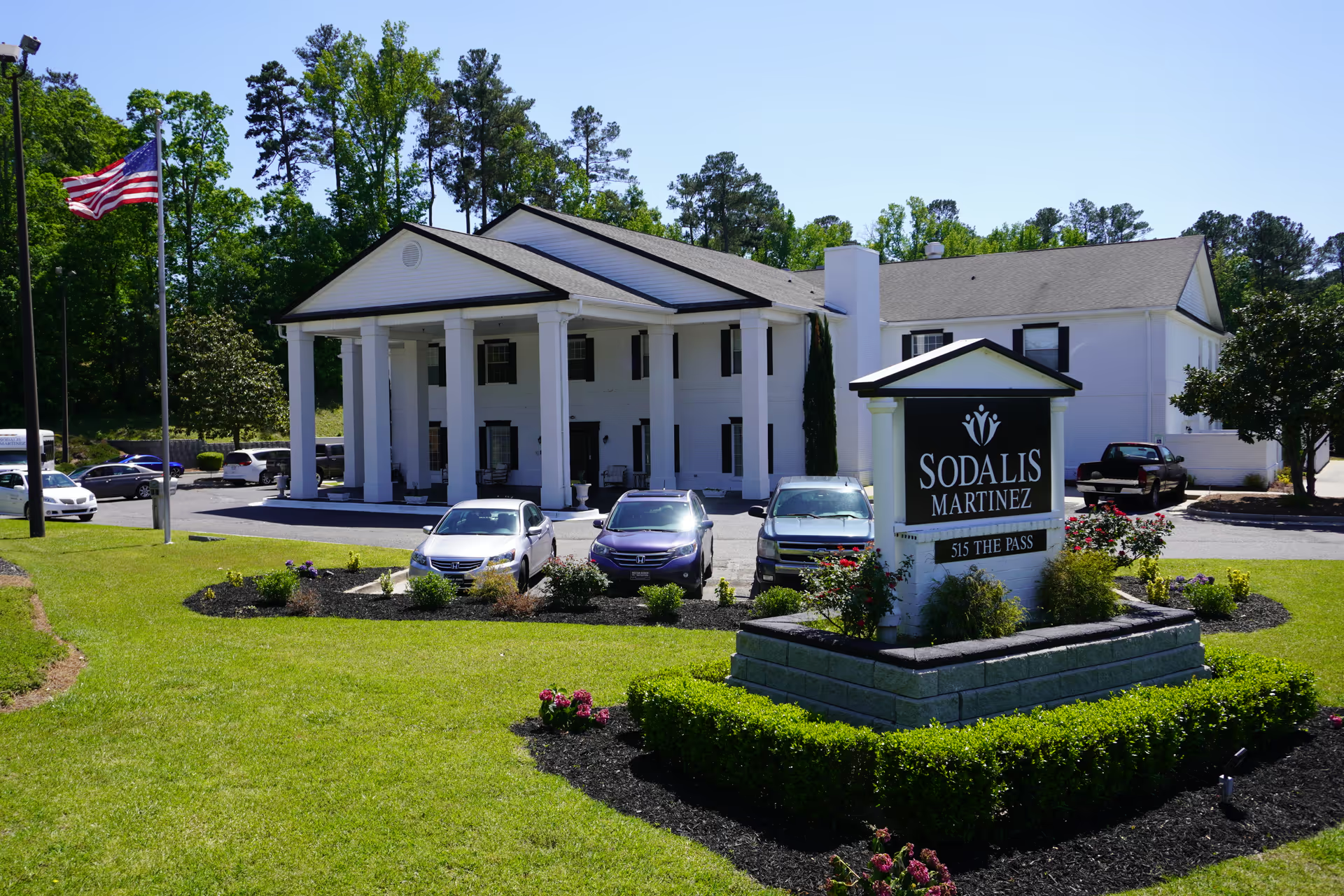
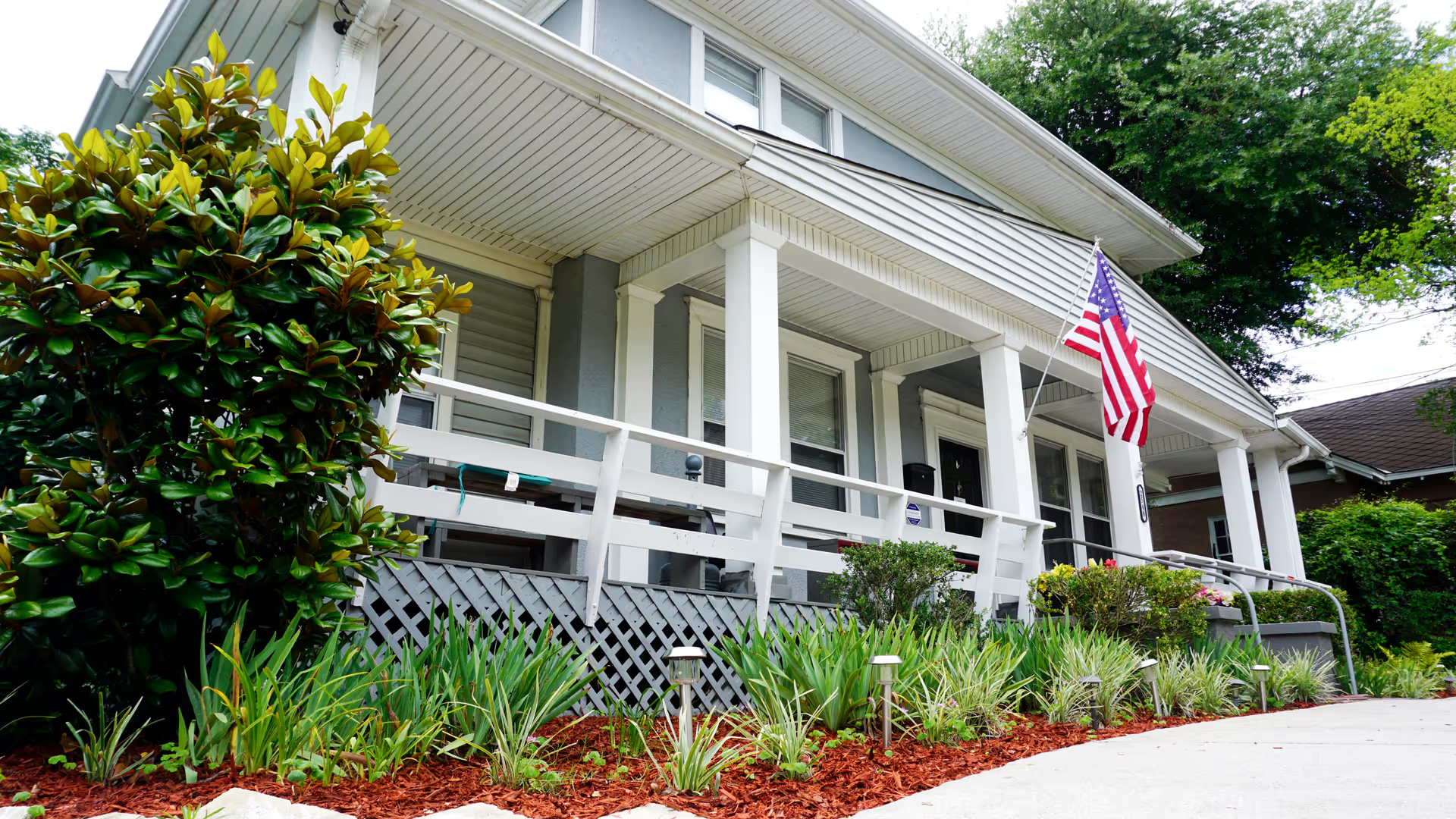
Facility condition and atmosphere receive both praise and critique. Multiple reviewers cite clean, well-maintained accommodations and a pleasant overall atmosphere, while others note cleanliness and odor concerns in some common areas and carpeting. Transport and transfer practices also drew attention; some accounts raise concerns about safety procedures during resident transport and forgotten assistive supports, indicating opportunity to strengthen transfer protocols and checklists.
Management and communication emerge as an important theme. Several families commend specific staff members, strong teamwork, and effective therapy leadership; others describe variable administrative responsiveness and difficulties obtaining clear clinical documentation or timely updates. There are also individual, serious clinical-incident concerns cited in a small number of reviews that highlight the need for more consistent clinical-incident response processes and family communication pathways. Overall, prospective residents and families should weigh the facility's strong rehabilitation capabilities and dedicated therapy staff against documented operational weaknesses—notably staffing consistency, care responsiveness, dietary management, and communication—when considering placement or planning oversight and follow-up care.