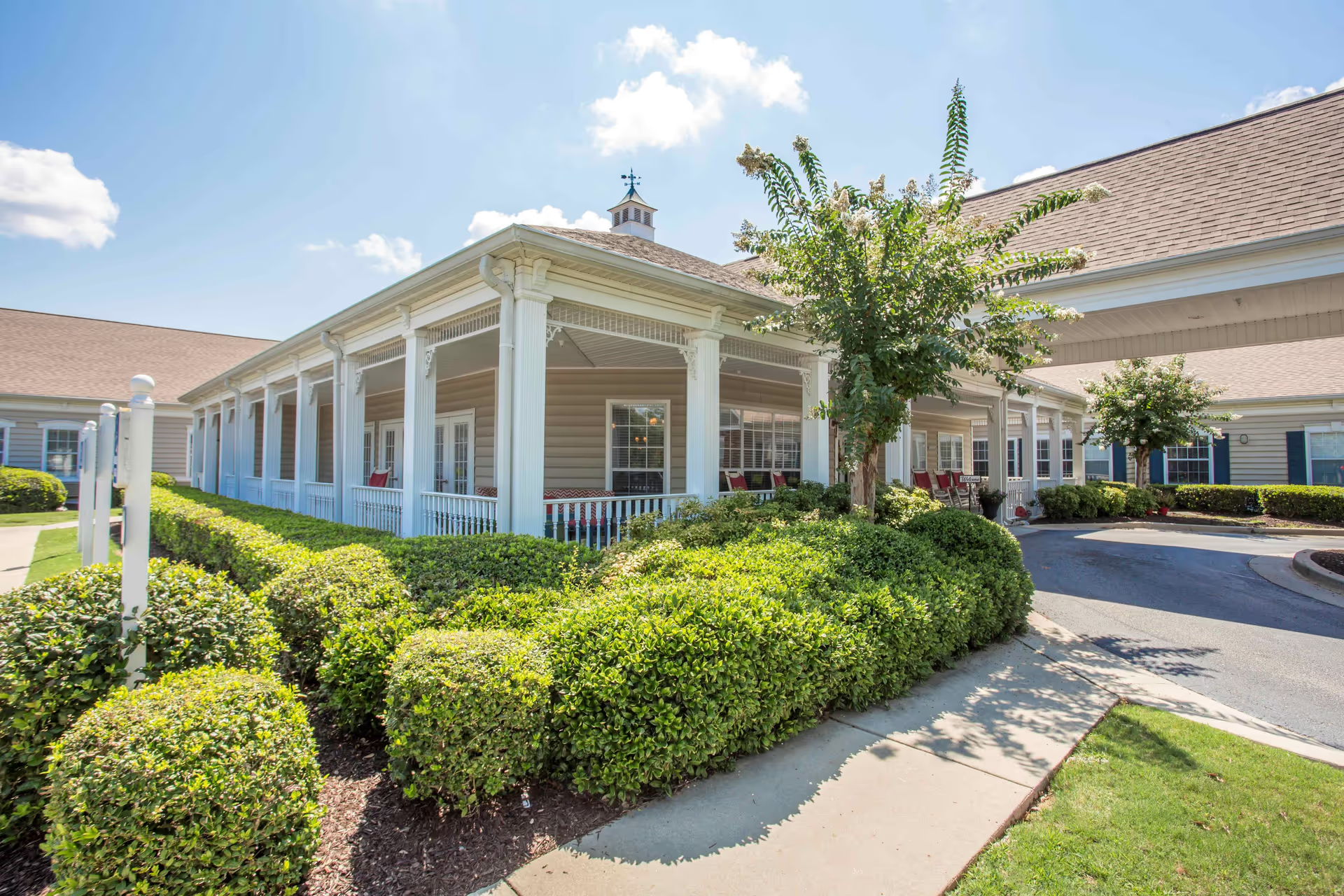
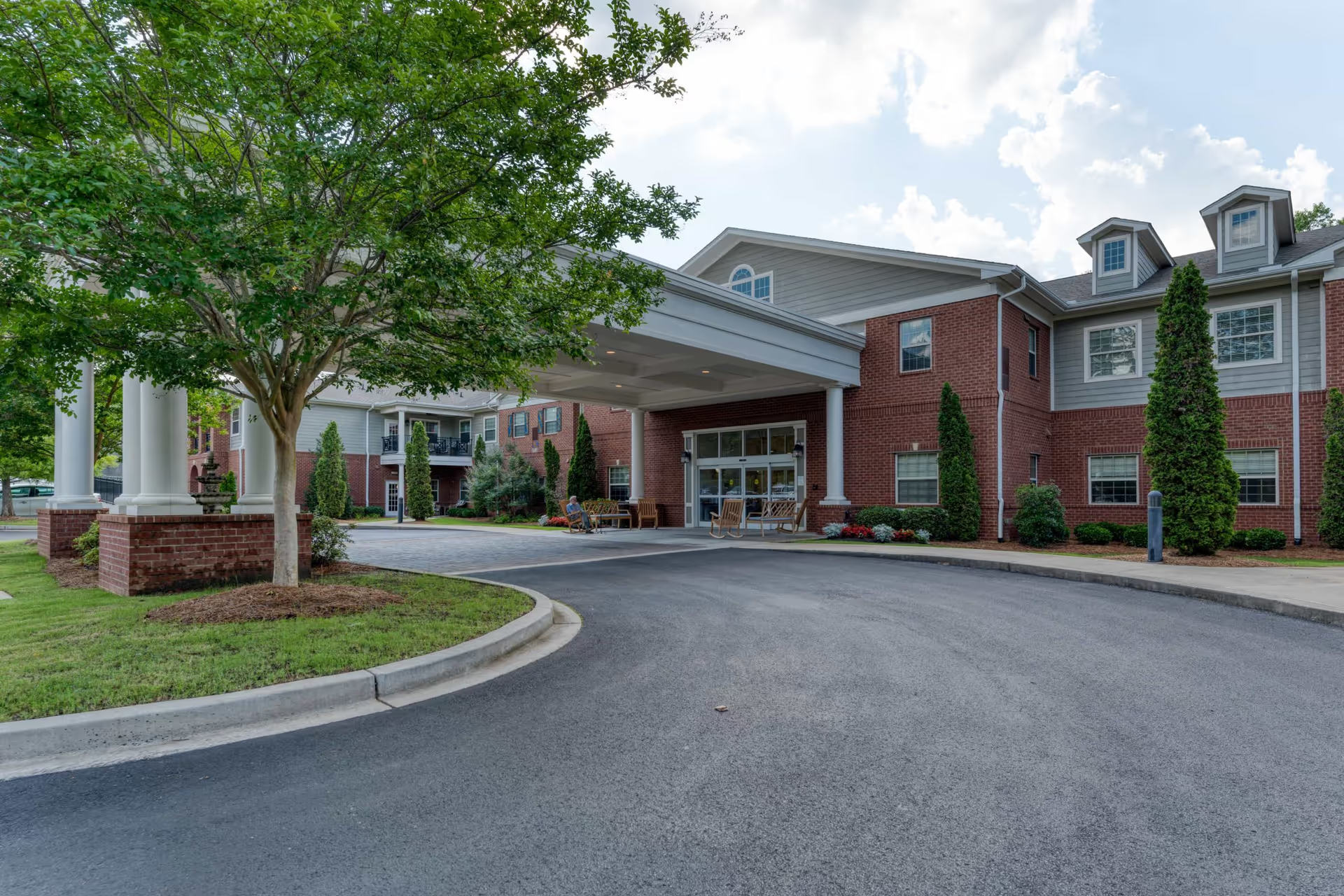
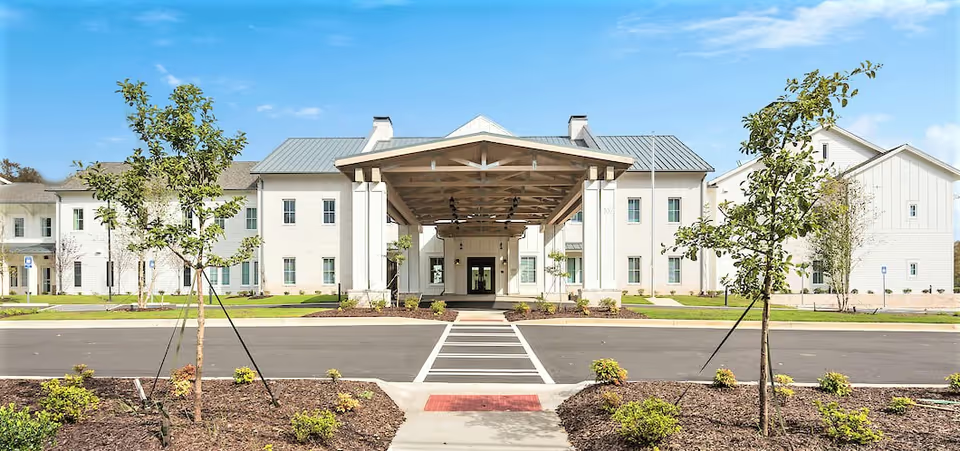
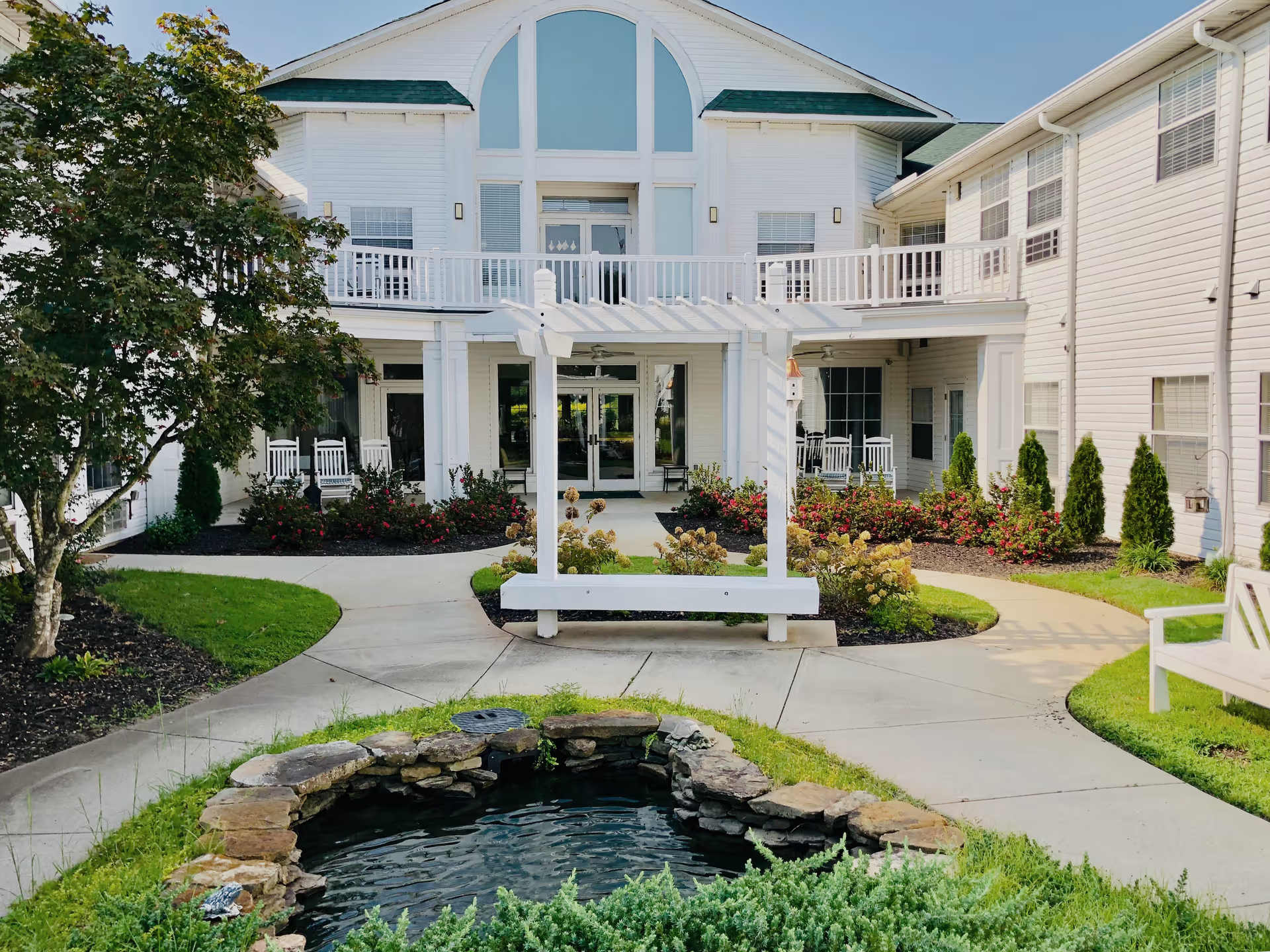
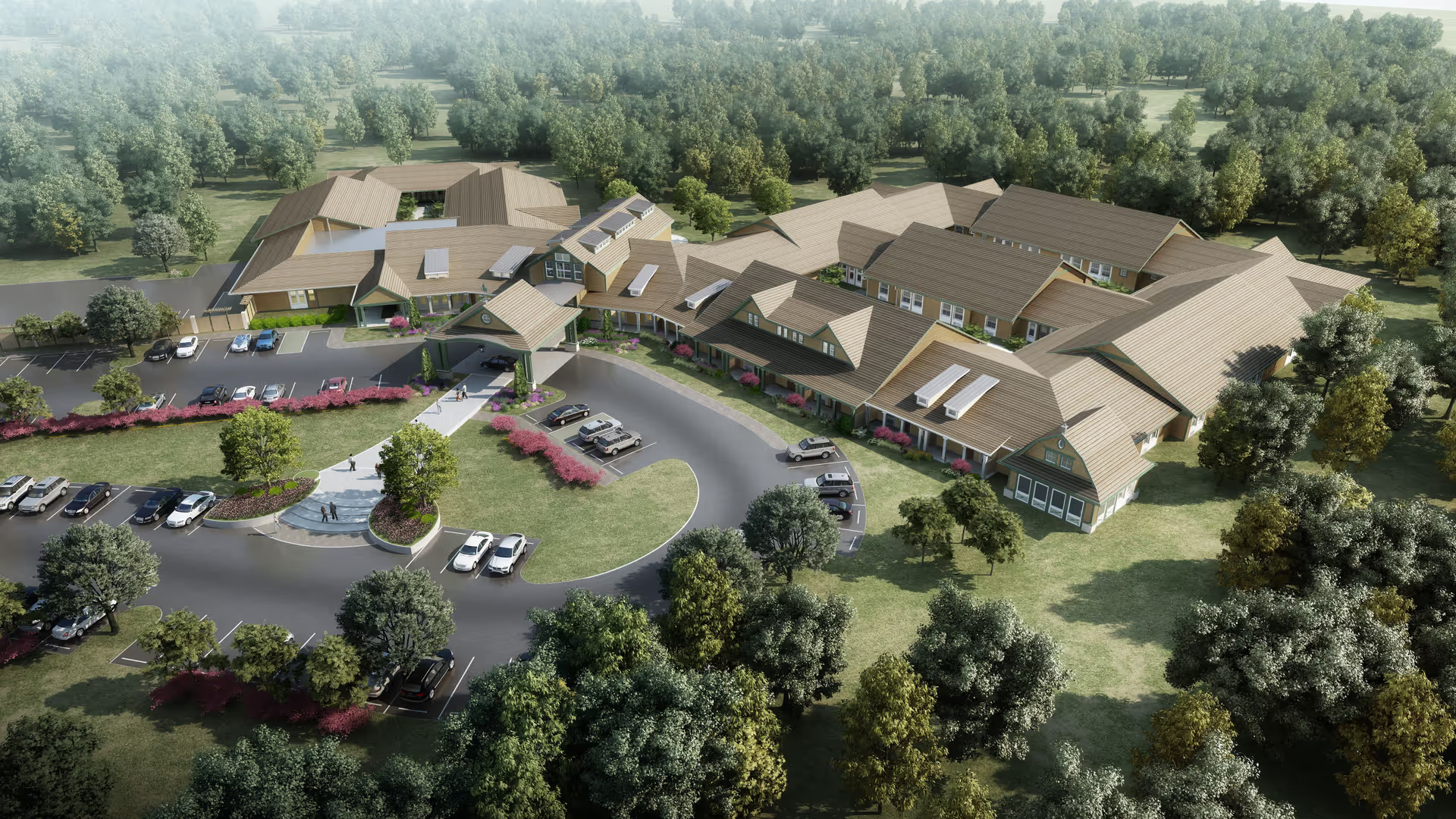
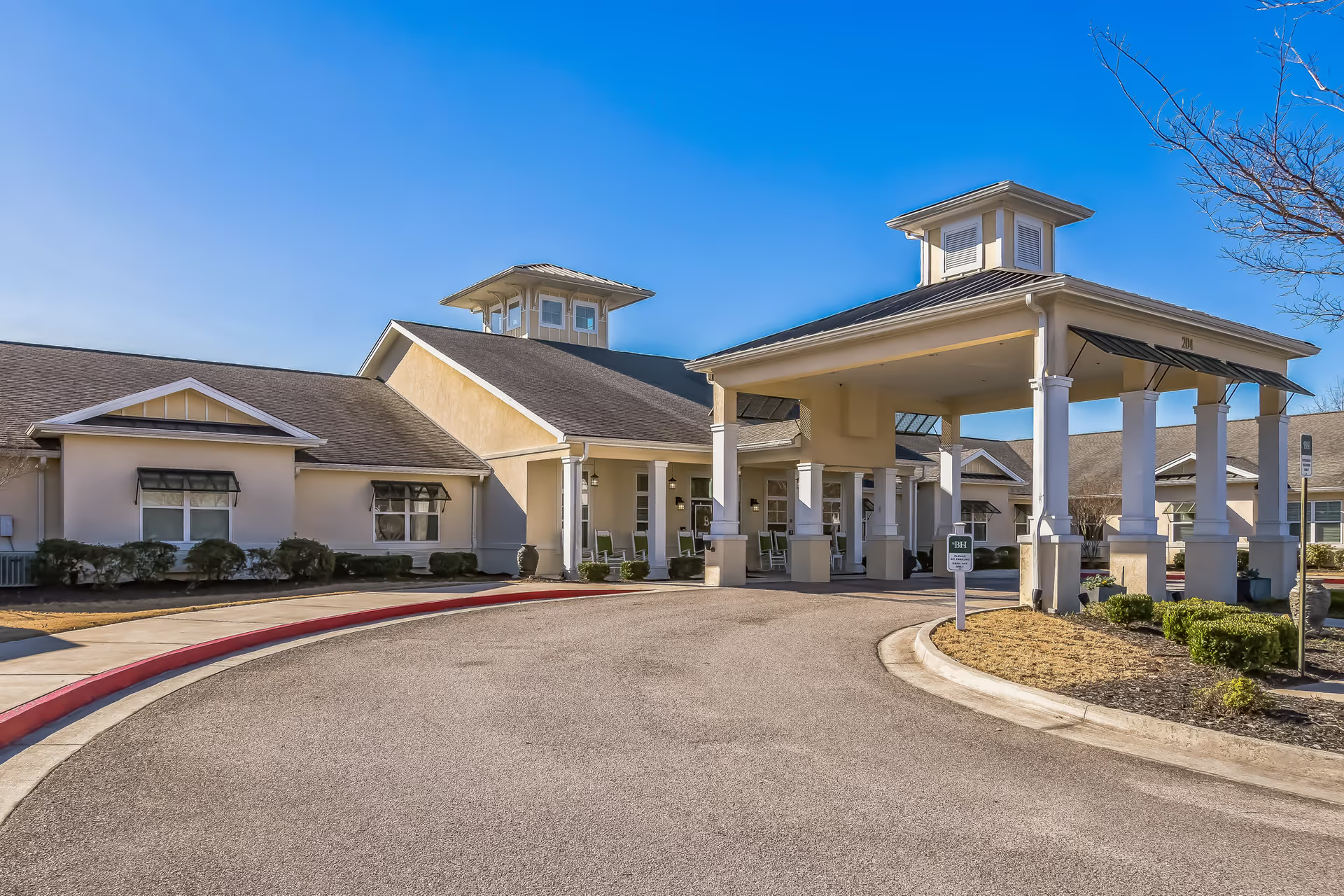
Washington Commons by Barclay House presents a mixed but largely community-centered profile. Many reviewers praise the staff for being compassionate, personable, and attentive, and they describe a welcoming, family-like atmosphere. The community is frequently commended for vibrant programming: a robust activities calendar with outings, music, crafts, games, and social events that residents find meaningful. Common areas, dining rooms, and landscaping tend to be well kept, and there are a range of apartment options and on-site amenities such as a hair salon, laundry, and scheduled transportation that support independent living and social engagement.
Care and staffing observations are bifurcated. Numerous families describe caregivers as responsive and reassuring, providing dignity-preserving assistance and good communication in day-to-day matters. At the same time, persistent concerns about staffing levels and morale appear across accounts: staff are often described as cross-trained into multiple roles (housekeeping, food service, nursing assistance), and reviewers link that pattern to delays or inconsistency in service and responsiveness. Relatedly, several accounts highlight limits to the community’s ability to support higher-acuity needs; prospective residents who require significant assisted- or memory-care services should verify clinical capacity and transfer processes before committing.
Dining is frequently a strong selling point, with many residents enjoying chef-prepared meals, dietitian oversight, and restaurant-style service. However, there is a clear pattern of inconsistency: other families describe bland or microwaved meals, limited seasoning or menu flexibility, and concerns about meal preparation methods. These contrasting descriptions suggest variability in food-service execution and occasional lapses in kitchen practices; anyone for whom consistent nutrition or strict dietary accommodation is essential should review menu samples and food-safety protocols.
Facilities and operations show a mix of strengths and aging-infrastructure challenges. Reviewers note attractive, clean public spaces and successful renovations in parts of the community, but recurring issues include elevator congestion and occasional outages, slow maintenance turnaround on apartment repairs, older HVAC units, and a lack of in-unit Wi‑Fi. Wayfinding and activity-calendar placement are cited as confusing, and some entrances or exterior pathways pose accessibility limitations. There are also multiple mentions of pest-control and sanitation concerns in particular units, which prospective families should address during a tour.
Management and administrative practices are another area of unevenness. Some reviews praise front-line managers and staff for helpfulness and follow-through, while others describe leadership turnover, inconsistent communication between departments, slow or unresolved workorders, and billing or lease disputes, including accounting errors and challenges obtaining timely reimbursement. A few reviewers raised clinical-incident and family-communication concerns following adverse events; this highlights the importance of clarifying incident-response protocols, emergency pendant availability, and family-notification procedures during the selection process.
Bottom line: Washington Commons offers a strong social program, pleasant communal spaces, and many accounts of caring staff and good value for independent living. At the same time, recurring operational themes — understaffing, variable meal quality, maintenance lag, connectivity gaps, and management inconsistency — warrant careful due diligence. Prospective residents and families should request up-to-date information about staffing ratios and turnover, confirm clinical capabilities for higher-acuity needs, review meal-sampling and food-safety practices, inspect unit-level cleanliness and pest-control records, and obtain written commitments on maintenance response times, billing procedures, and emergency systems before making a decision.