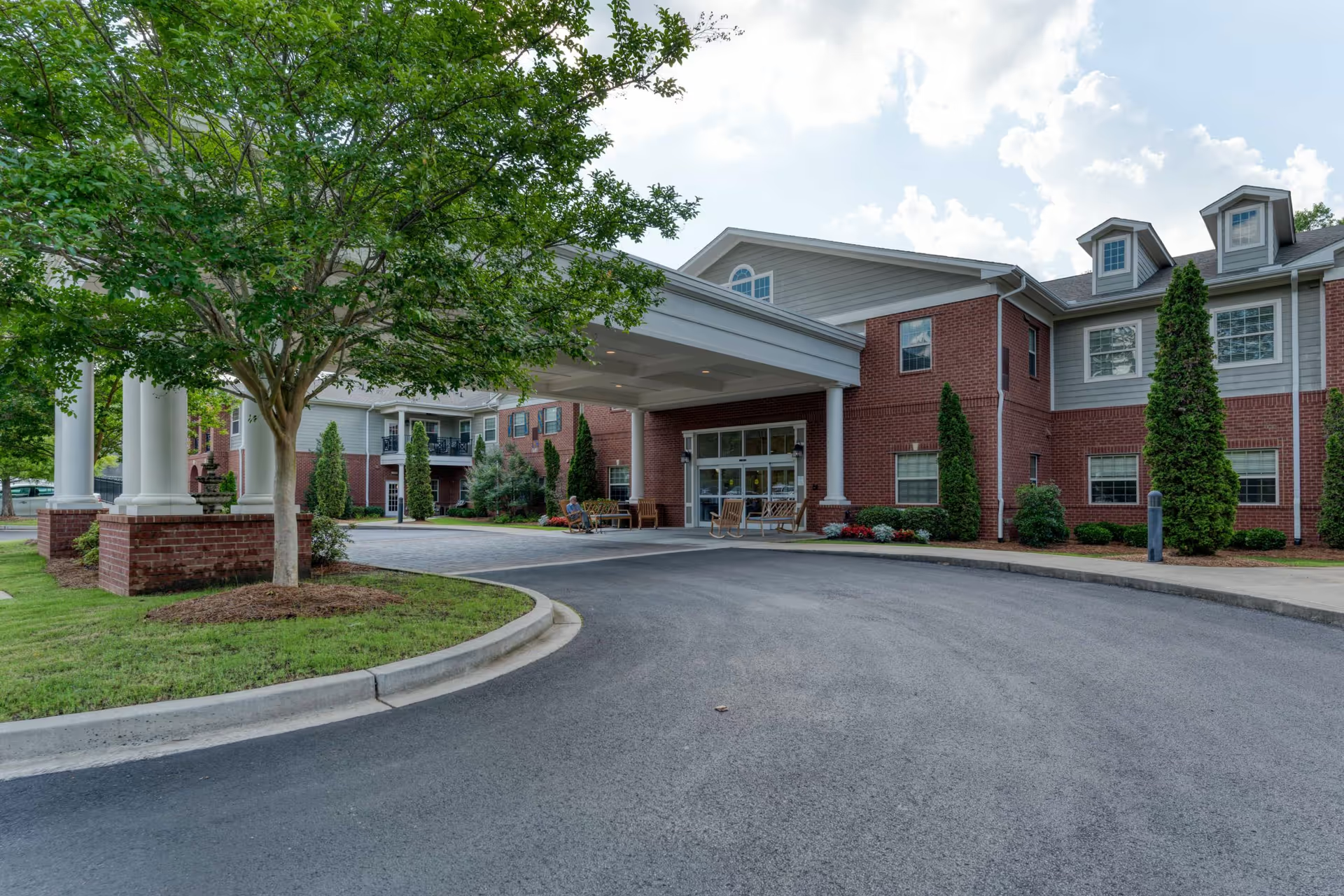
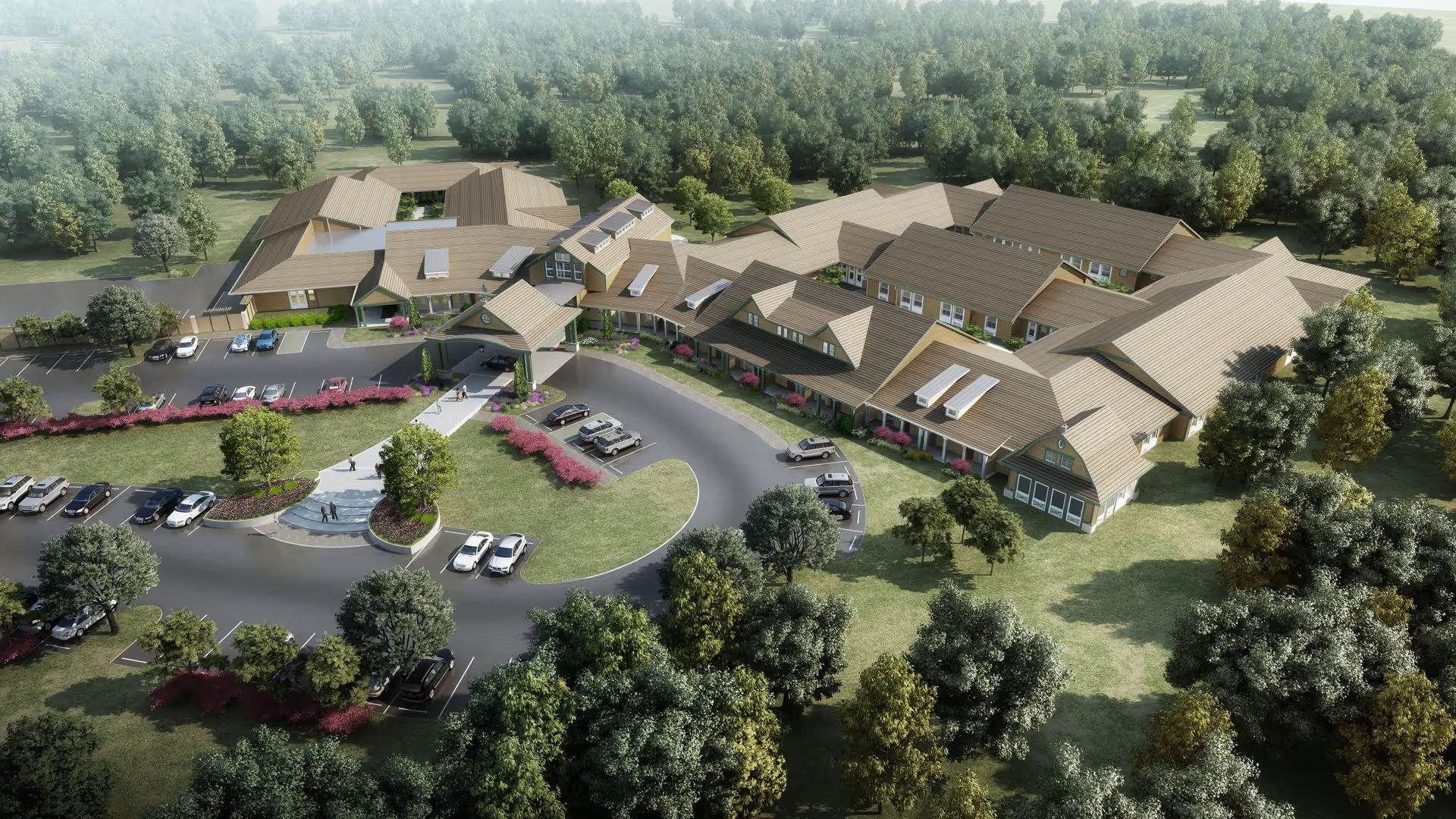
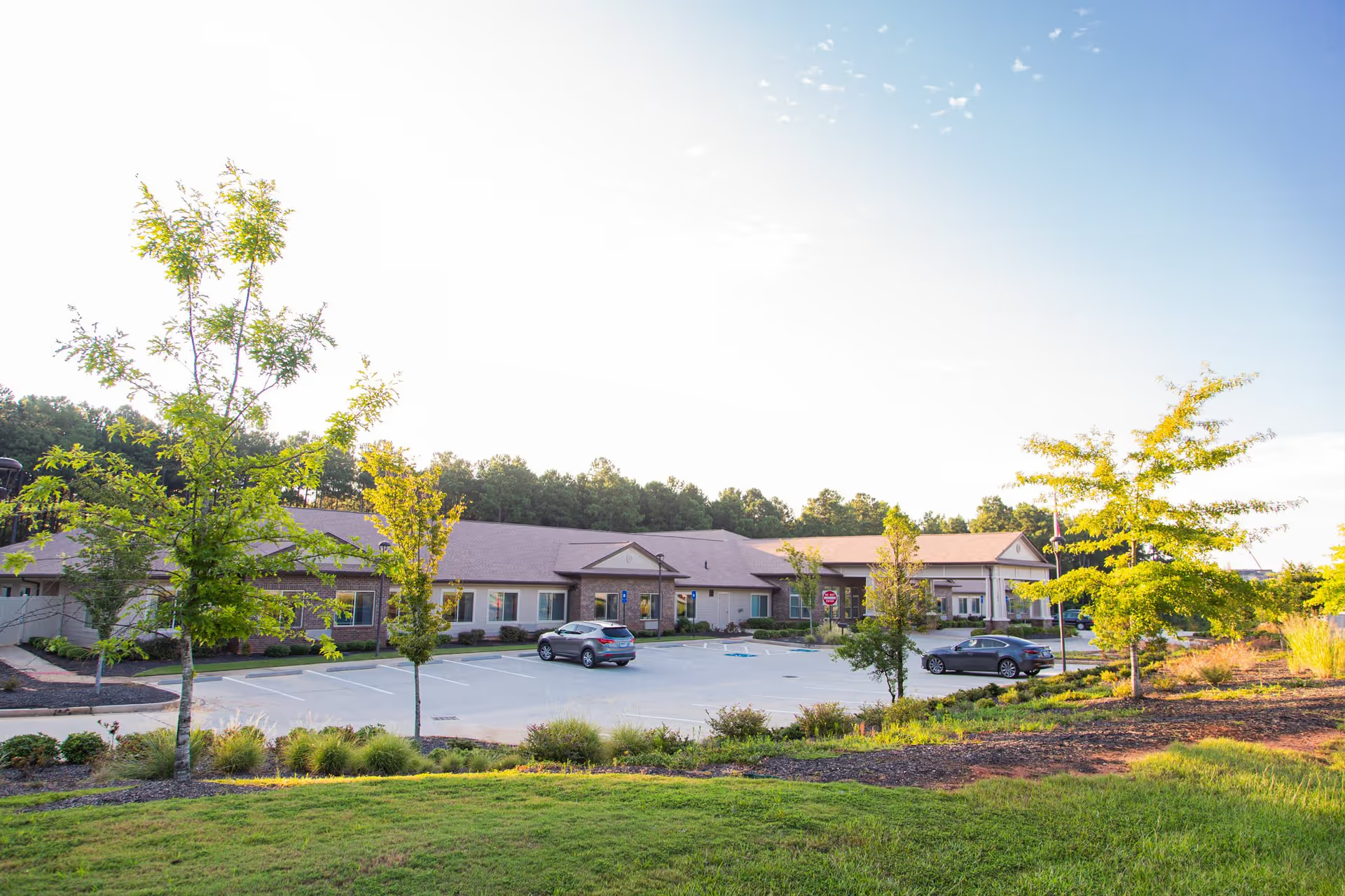
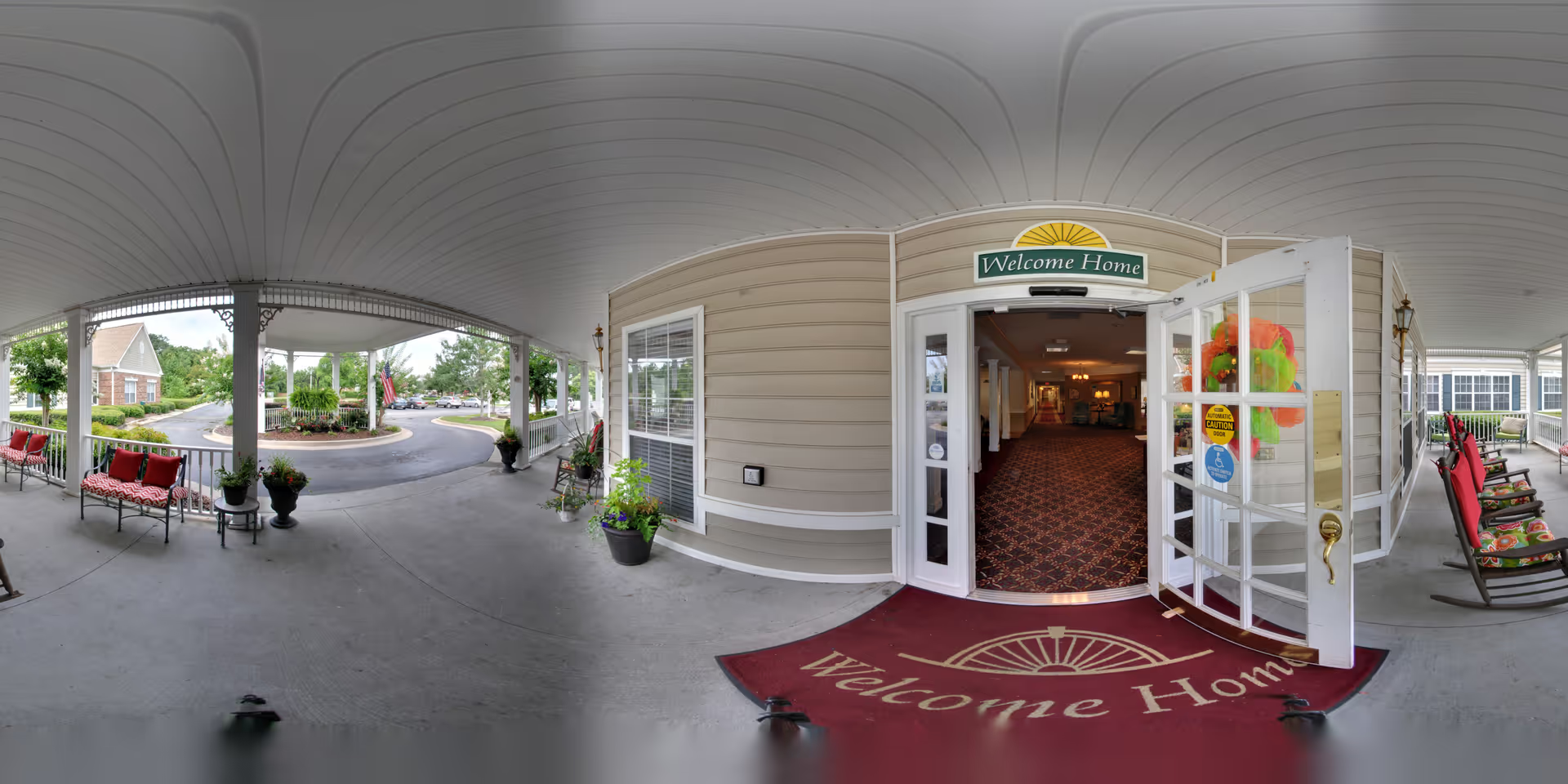
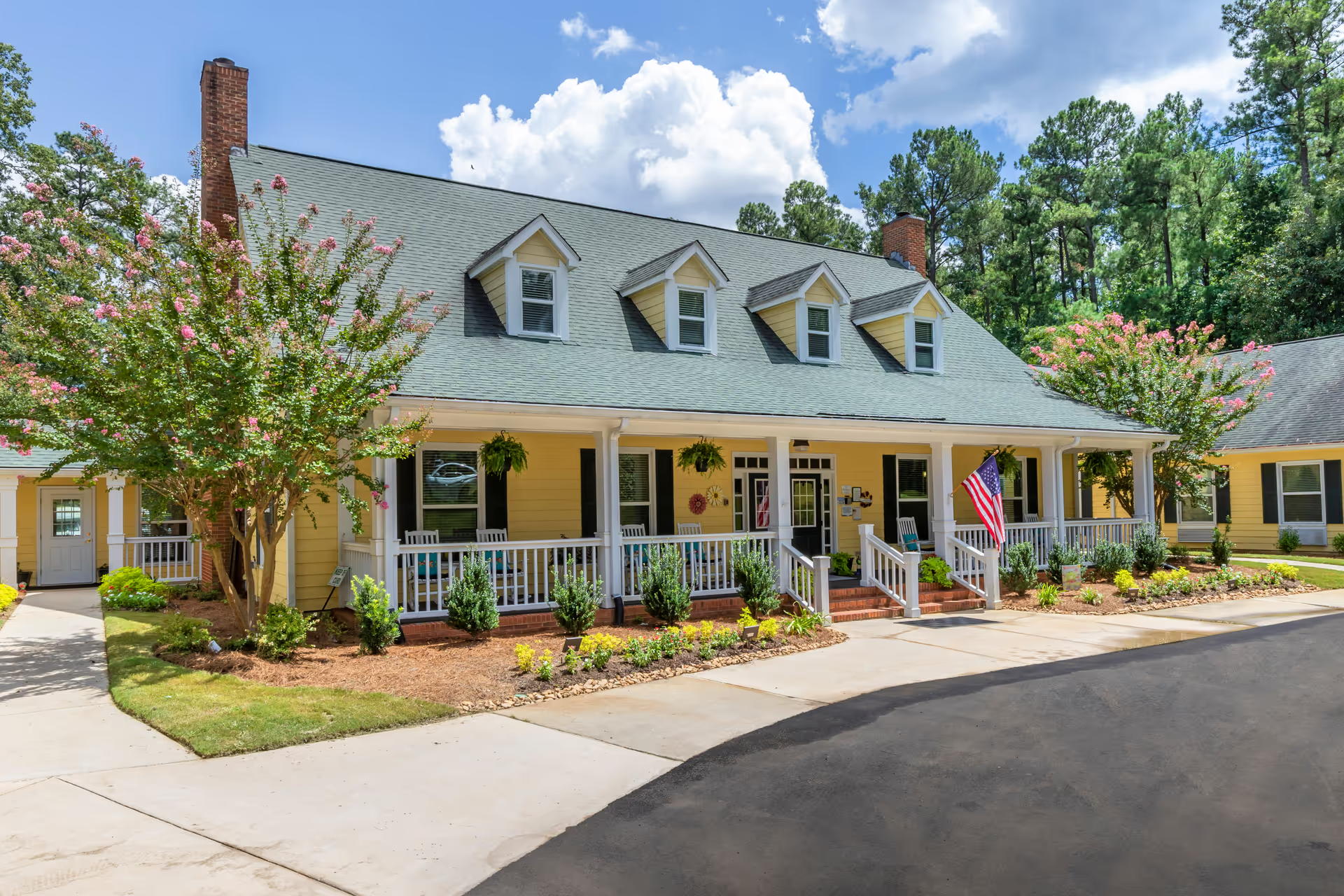
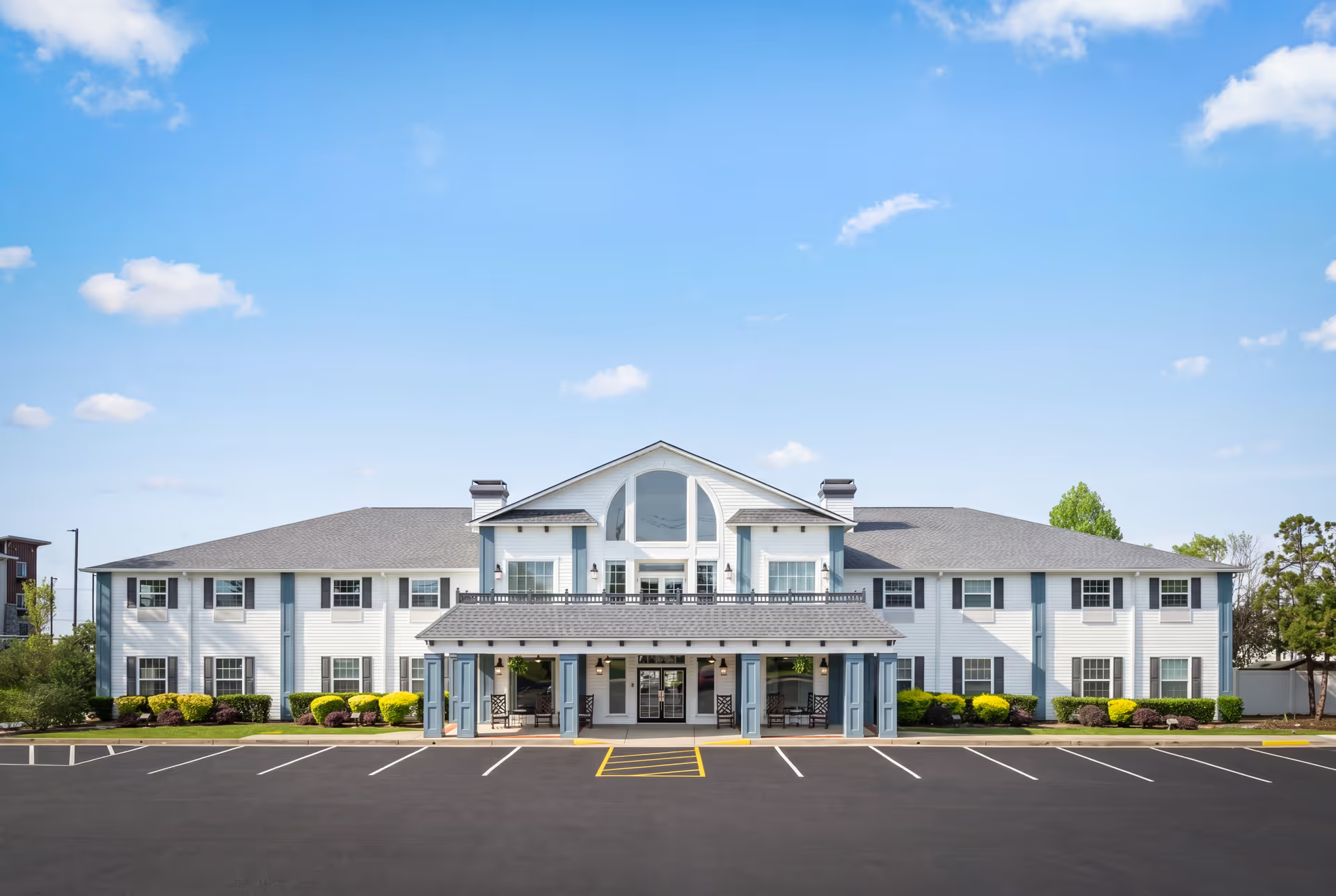
Overall impression: The Claiborne at Westlake is described predominantly as a modern, well-appointed assisted-living community with a strong emphasis on social programming and a caregiving staff that many families characterize as compassionate and resident-focused. The facility’s physical plant — new construction, attractive common spaces, courtyards, a movie theater, salon, and on-site therapy — is a consistent strength and appears to support resident mobility and socialization.
Care and staff: A major positive pattern across feedback is praise for individual caregivers, activities staff, and salon personnel who are described as going above and beyond to create a home-like atmosphere. Residents and families frequently highlight personalized attention, respectful interactions, and staff who know residents’ preferences. Memory-care programming and dementia-focused offerings are frequently commended for structure and specialized activities, though there are isolated accounts indicating variability in engagement and responsiveness in certain situations. A small set of reviewers raised serious clinical and safety concerns (including medication and response-timeliness issues); these appear to be exceptions within a larger set of positive caregiving accounts but warrant direct follow-up during tours and care discussions.
Dining: Dining receives mixed feedback. Several families and residents praise culinary staff and holiday/community meals, while other comments note inconsistent meal quality, occasionally overly salty dishes, limited portions, and perceptions of nutritional gaps. These inconsistencies suggest that meal service and menu execution can be uneven and should be discussed with management at move-in or care-plan reviews.
Activities and amenities: The community’s activity program is a clear strength: reviewers describe a broad range of regular events, card games, outings, family cookouts, and holiday celebrations. Staff members such as activities directors receive specific praise for creativity and proactive programming. Physical amenities (gym, therapy room, movie theater, courtyards, multiple seating nooks) support an active lifestyle and facilitate both group and individual engagement.
Facility condition and cleanliness: Many comments emphasize a clean, well-maintained, and attractive environment that feels new and well-kept. However, there are isolated notes of cleanliness shortfalls in some common areas (e.g., rugs, elevators) that point to unevenness in housekeeping or maintenance follow-through. Prospective families should inspect frequently used common spaces and review housekeeping schedules during a visit.
Management, communication and operations: Communication and administrative responsiveness are generally described positively, with specific administrators and teams named for strong leadership and supportive move-ins. That said, there is variability in management responsiveness cited in other accounts, and some reviewers identify operational choices that appear cost-driven or focused on occupancy. Operational weaknesses appearing across reviews include variable staffing levels (with impacts on timeliness of assistance), coordination gaps for transportation and follow-up services, and occasional lapses in medication-administration practices. These are facility-level items to clarify with leadership and to monitor in care-plan meetings.
Notable patterns and takeaways: The Claiborne presents as a well-resourced, community-oriented option with notable strengths in staff warmth, activities, and amenities. Most families describe improved social engagement and peace of mind after placement. At the same time, there is a nontrivial set of concerns around meal consistency, staffing variability, occasional cleanliness shortcomings, and isolated clinical/medication-response issues. Prospective residents and families would benefit from an in-person tour focused on observing mealtime service, staffing levels during peak care times, medication-safety protocols, and examples of how management addresses housekeeping or clinical complaints. Asking for references from current resident families, recent inspection records, and details about staff-to-resident ratios for specific care levels will help contextualize the generally positive comments alongside the operational concerns noted.