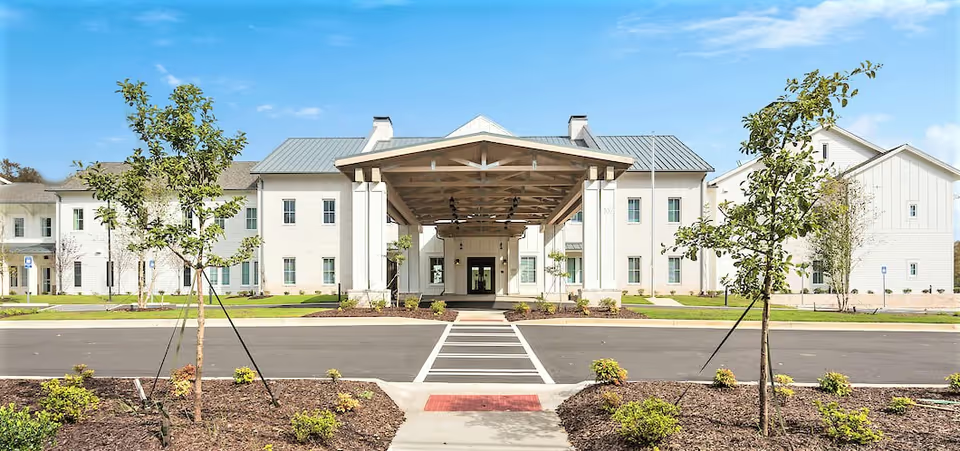
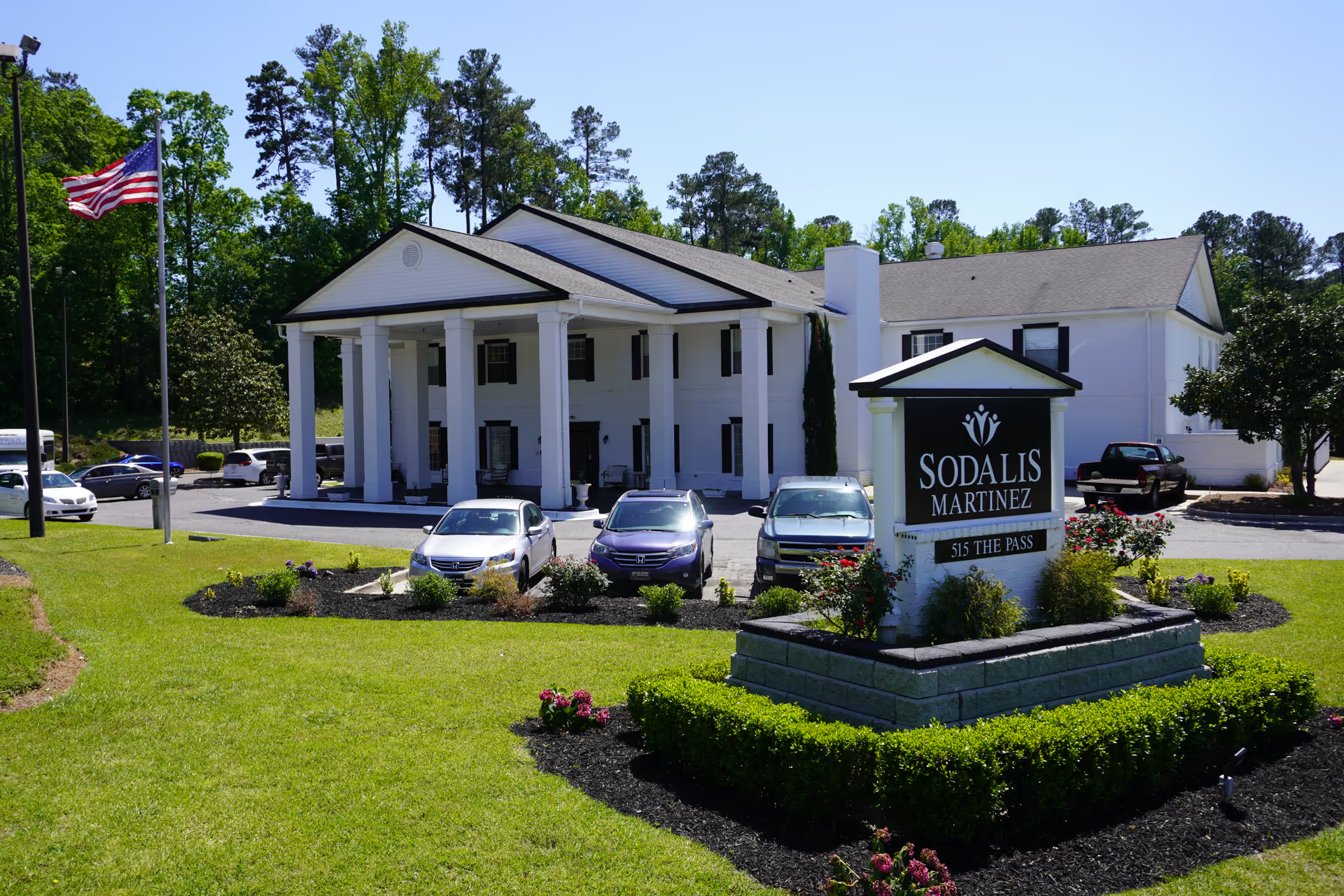
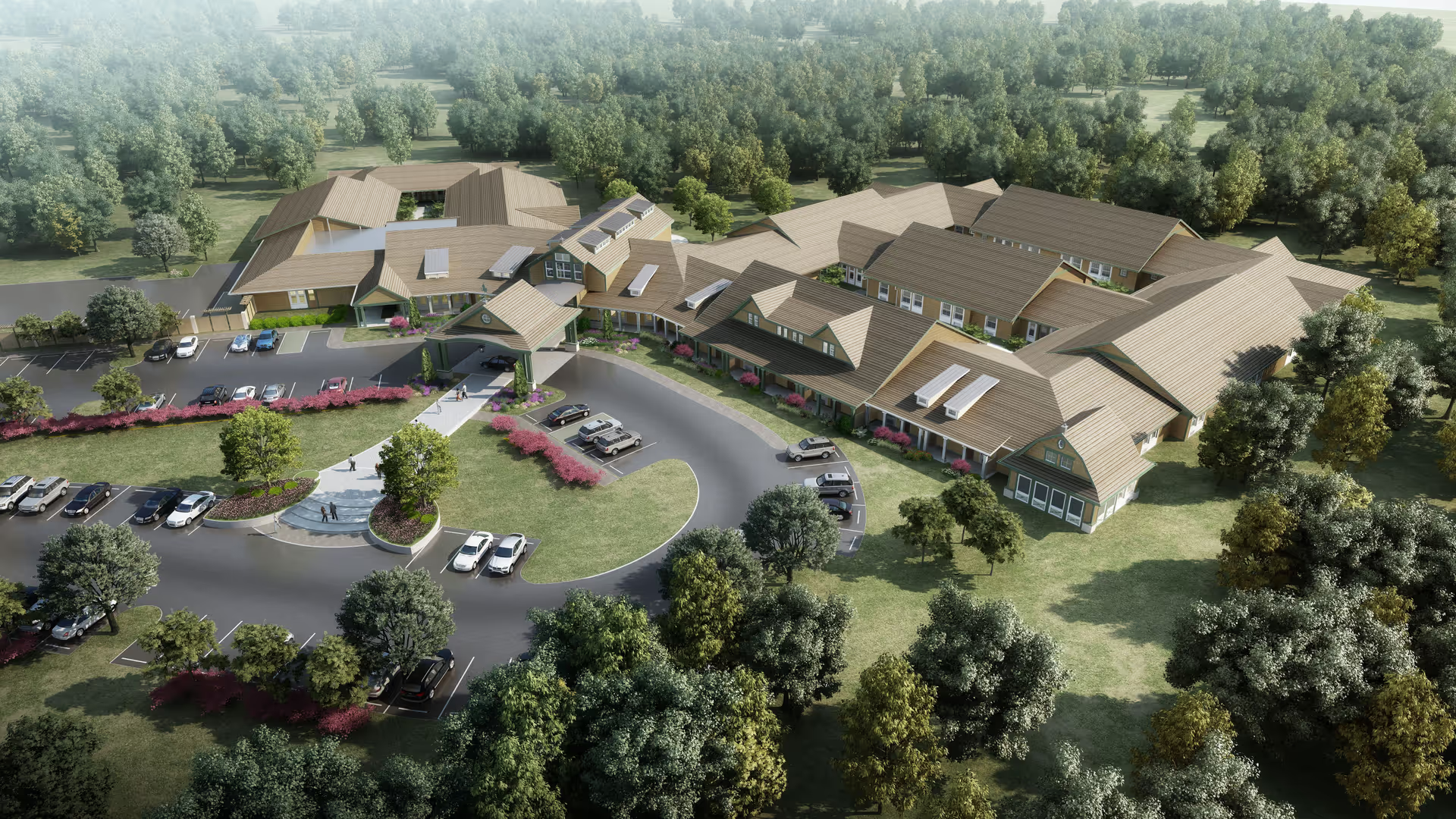
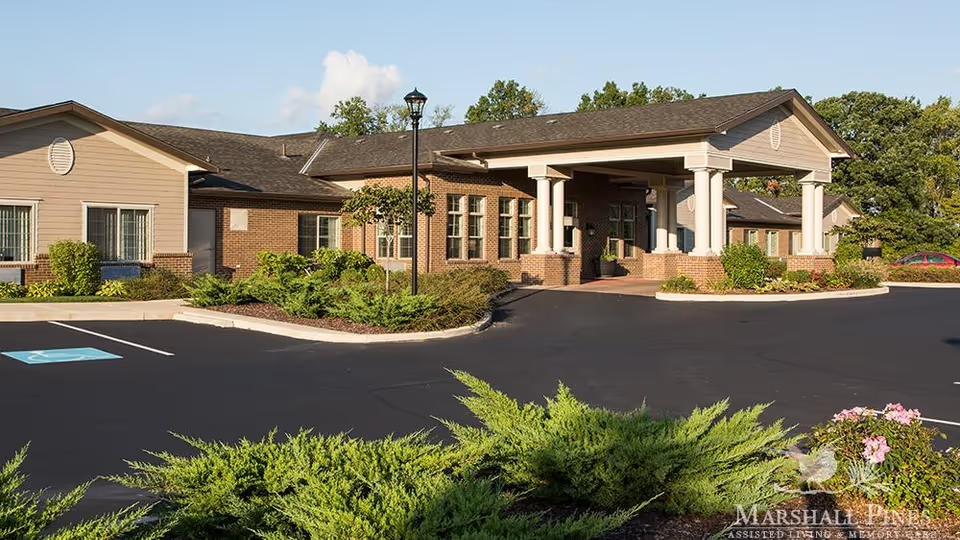
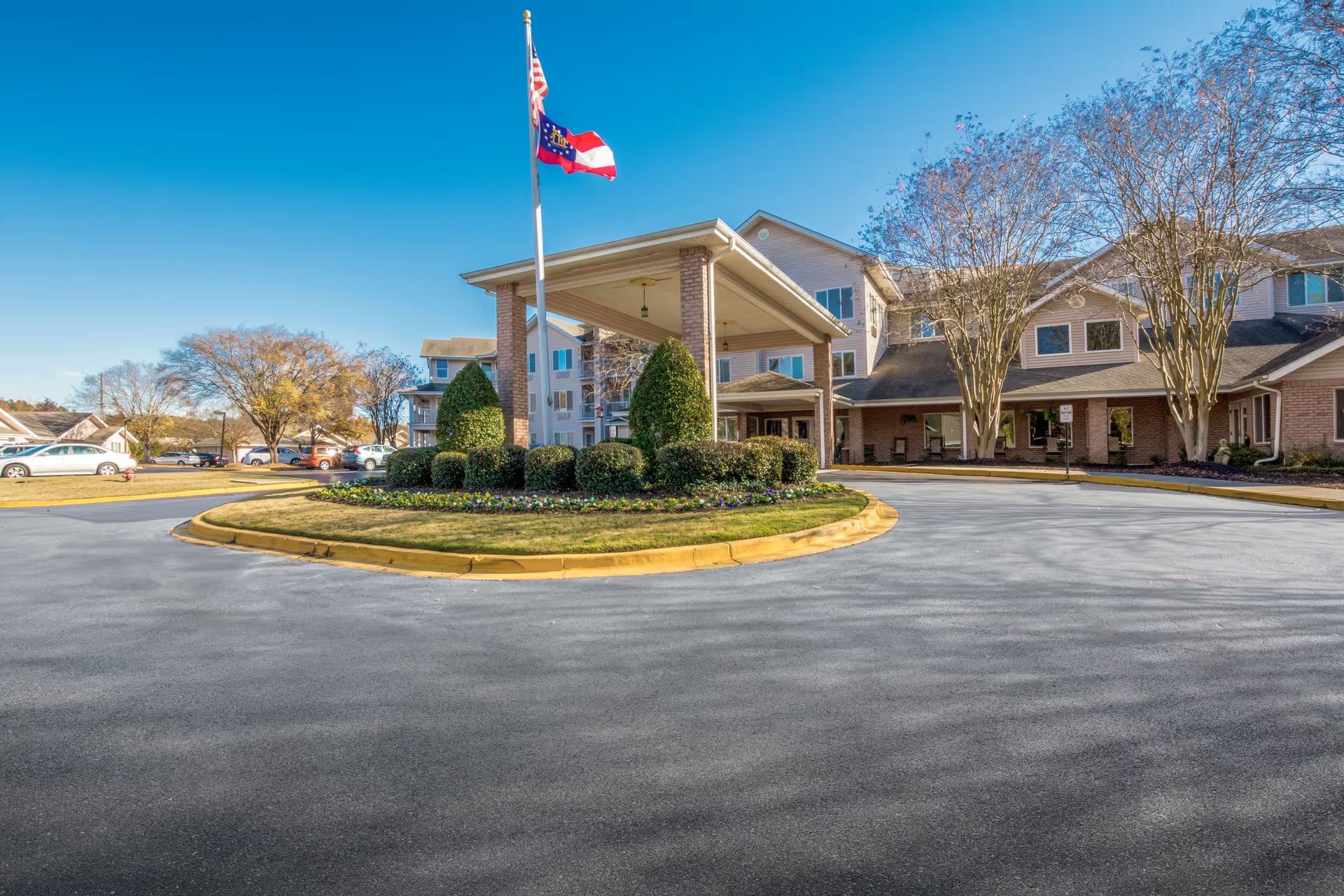
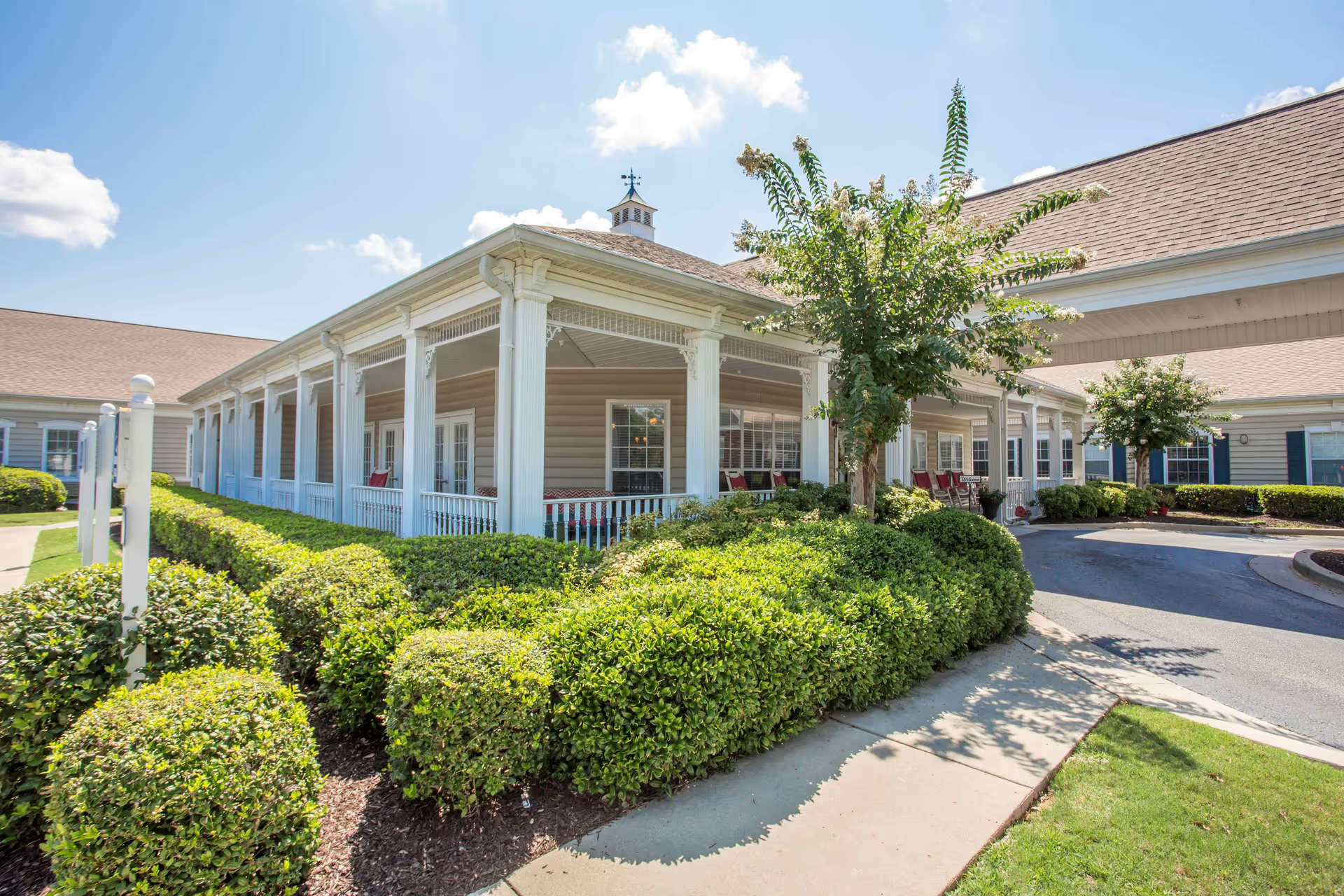
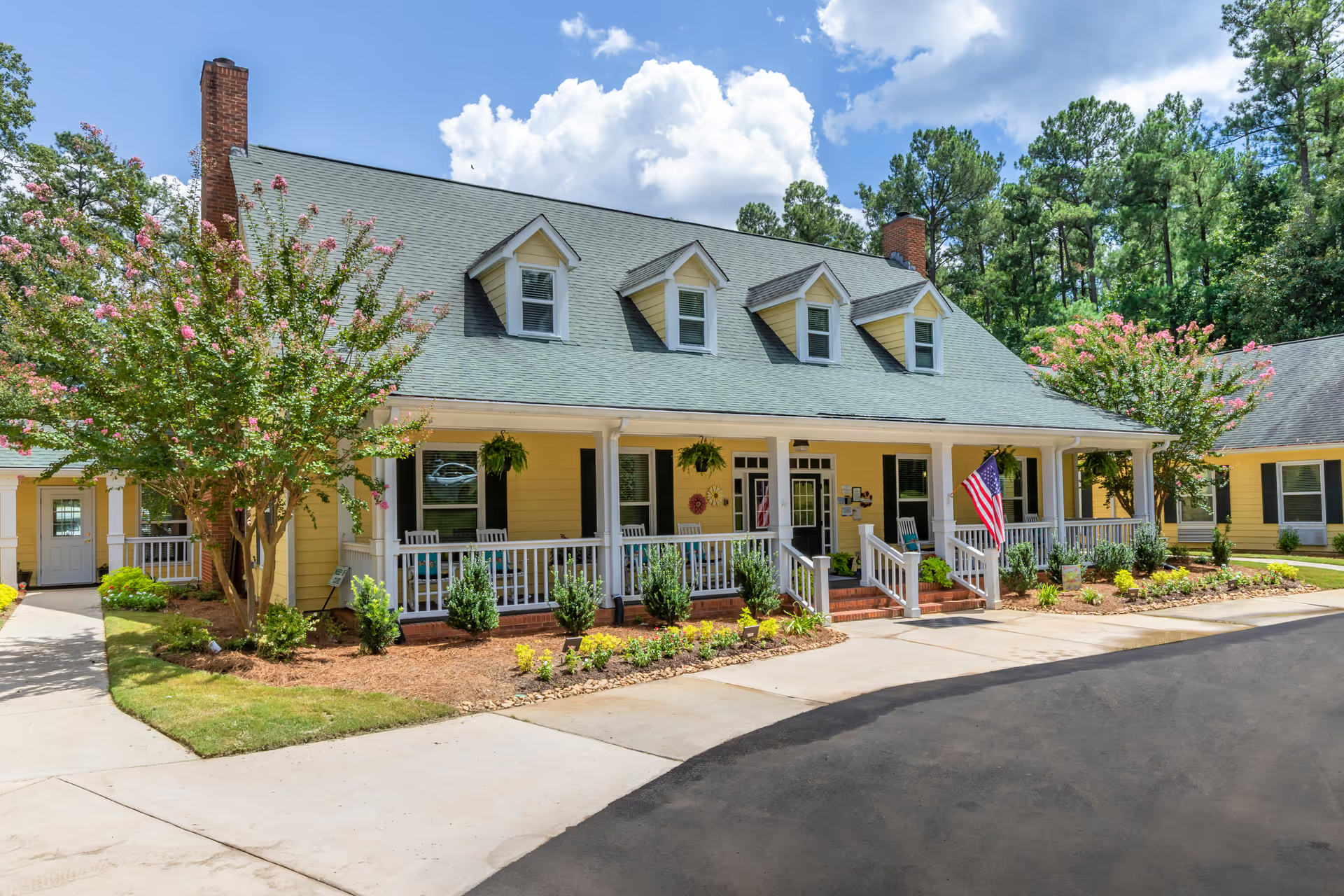
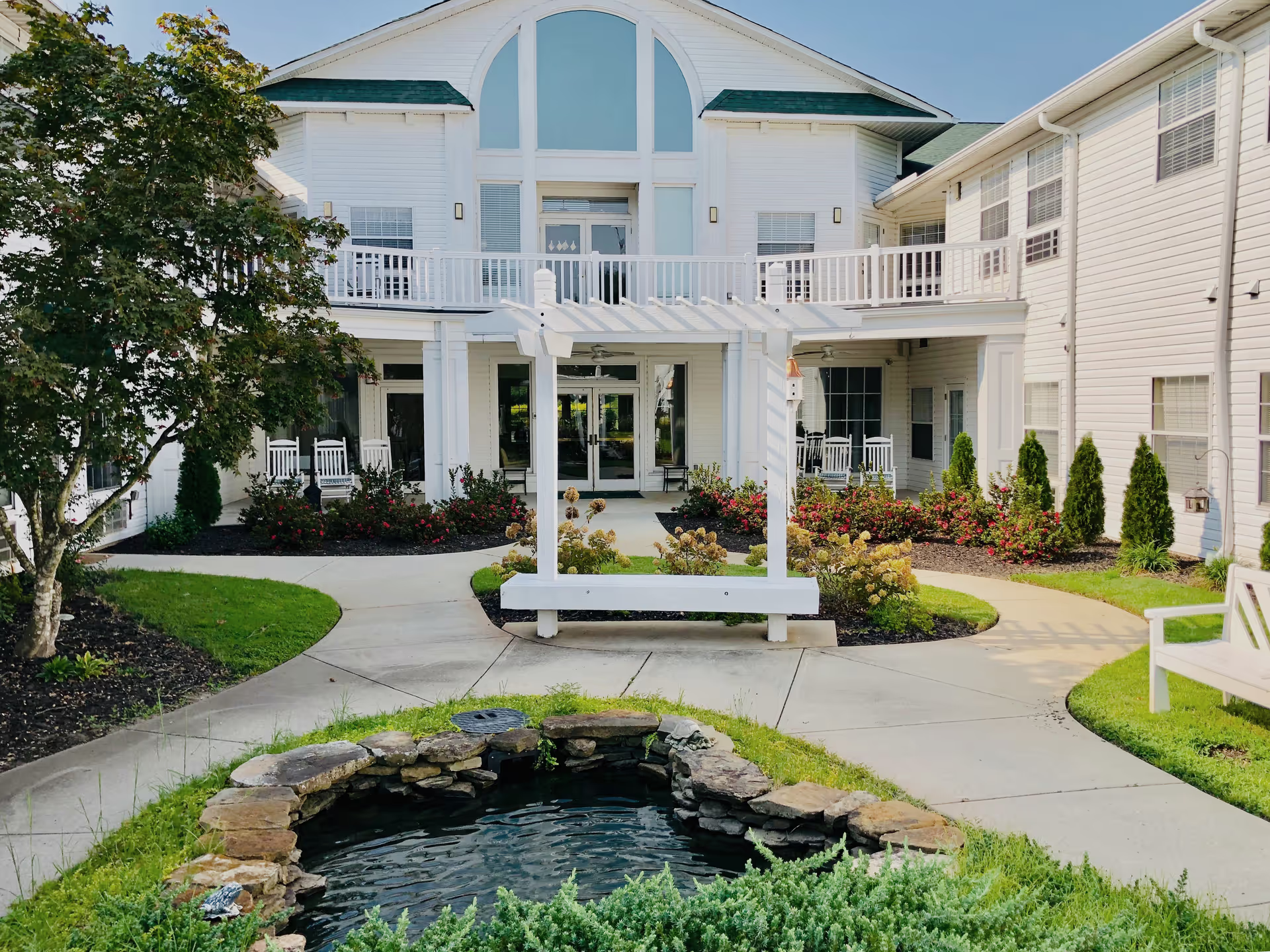
Camellia Walk of Evans presents as a well-maintained, hotel-like assisted living and memory-care community with a range of on-site services. Reviewers frequently described the physical environment as clean, attractive, and comfortable, with larger, wheelchair-accessible rooms, attentive housekeeping, and amenities such as on-site rehabilitation/physical therapy, hospice availability, weekly laundry, and transportation for appointments. Many families highlighted dietary accommodations, flavorful menu options, snacks and beverages available throughout the day, and a generally home-like dining atmosphere.
Staffing and direct care are a central theme with mixed but notable strengths. Numerous reviews praise compassionate, personalized interactions from nurses, med techs, and frontline caregivers, and many families described strong memory-care teams that provided respectful, dignified treatment. Leadership and clinical responsiveness receive positive mention when present: an engaged executive director, responsive head nurse, and cooperative clinical therapists were cited as facilitators of smooth move-ins and good ongoing care.
Despite these strengths, a pattern of operational inconsistencies emerges. Reviewers described fluctuating staffing levels and high turnover that appear to affect day-to-day care continuity. Several accounts raised concerns about delayed clinical responses (for example, slow attendance after falls) and uneven monitoring, which families characterized as gaps in incident response and family notification. There are also serious concerns about medication practices; some reviews referenced medication administration errors (including an insulin-related incident) and broader questions about medication controls. Additionally, a subset of reviewers called out billing and transparency issues, including unclear charges or expectations.
Programming and daily life show variability. Many residents benefit from a robust calendar of social events, holiday activities, and family-oriented functions, and staff who know residents by name. At the same time, other families reported limited or repetitive activities, periods of low engagement (excess television), and boredom for some residents. Dining impressions likewise vary: while some describe flavorful meals and accommodating substitutions, others noted inconsistent meal quality and questioned value relative to cost.
Service-level policies and safety practices merit specific inquiry by prospective families. Comments indicate unclear or restrictive readmission policies after hospitalization for some residents, and at least one account raised concern about off-site transport safety practices. Communication between staff and families is another recurring theme: when staff and leadership are proactive, families feel well informed; when communication lapses occur, families report frustration and uncertainty about clinical and therapy progress.
Overall, Camellia Walk offers many attributes that families seek—clean, comfortable spaces; on-site therapy; memory-care expertise; and numerous examples of devoted, compassionate caregivers. At the same time, reviewers point to operational variability around staffing consistency, clinical response, medication controls, activity engagement, meal consistency, and billing transparency. Prospective residents and families would benefit from targeted questions during tours: staffing ratios and turnover, medication-safety protocols, incident-response and family-notification procedures, activity schedules for specific levels of care, readmission policies, transportation safety practices, and a clear breakdown of fees and billing. These focused inquiries can help clarify how the community’s positive features align with an individual’s care needs and expectations.