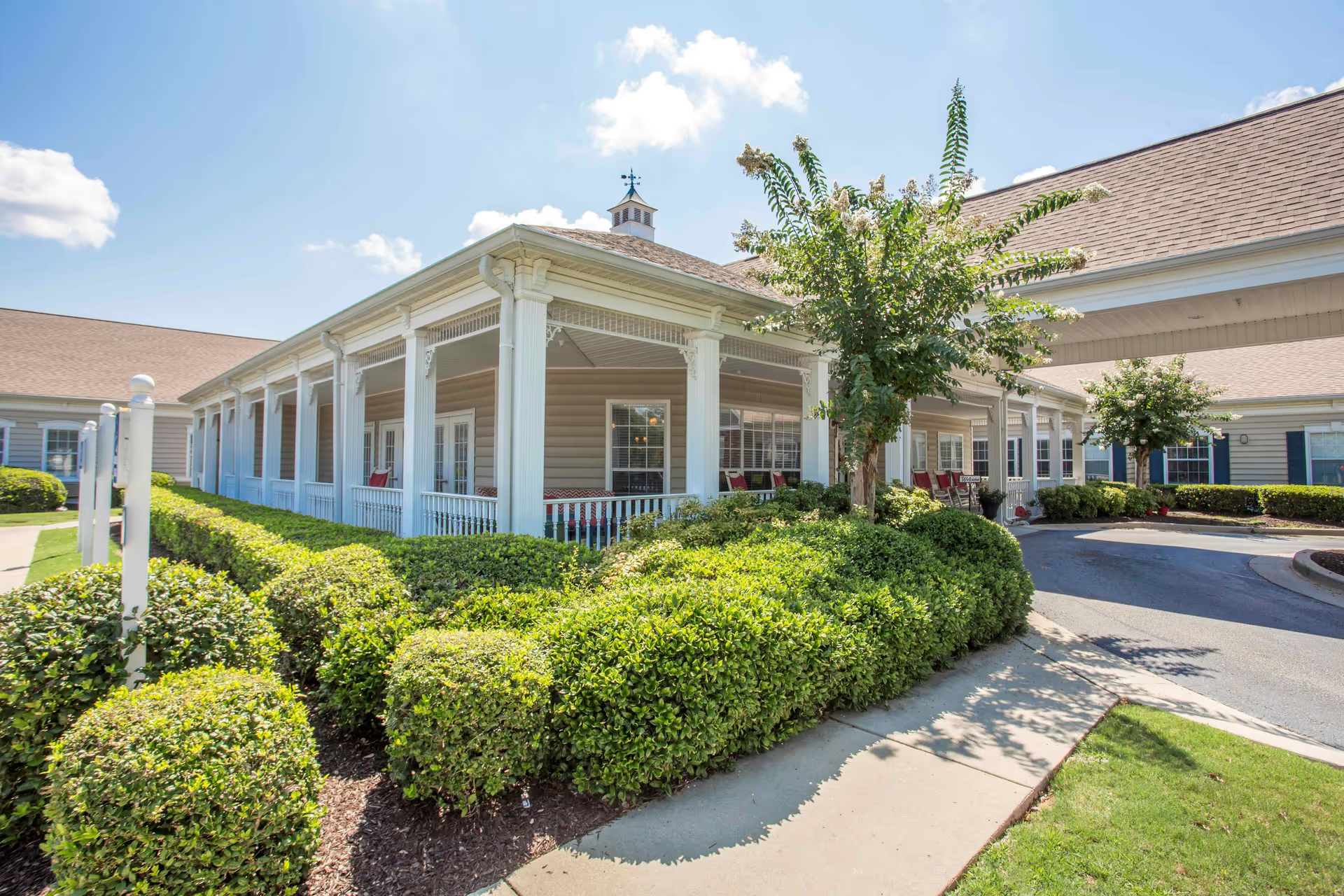
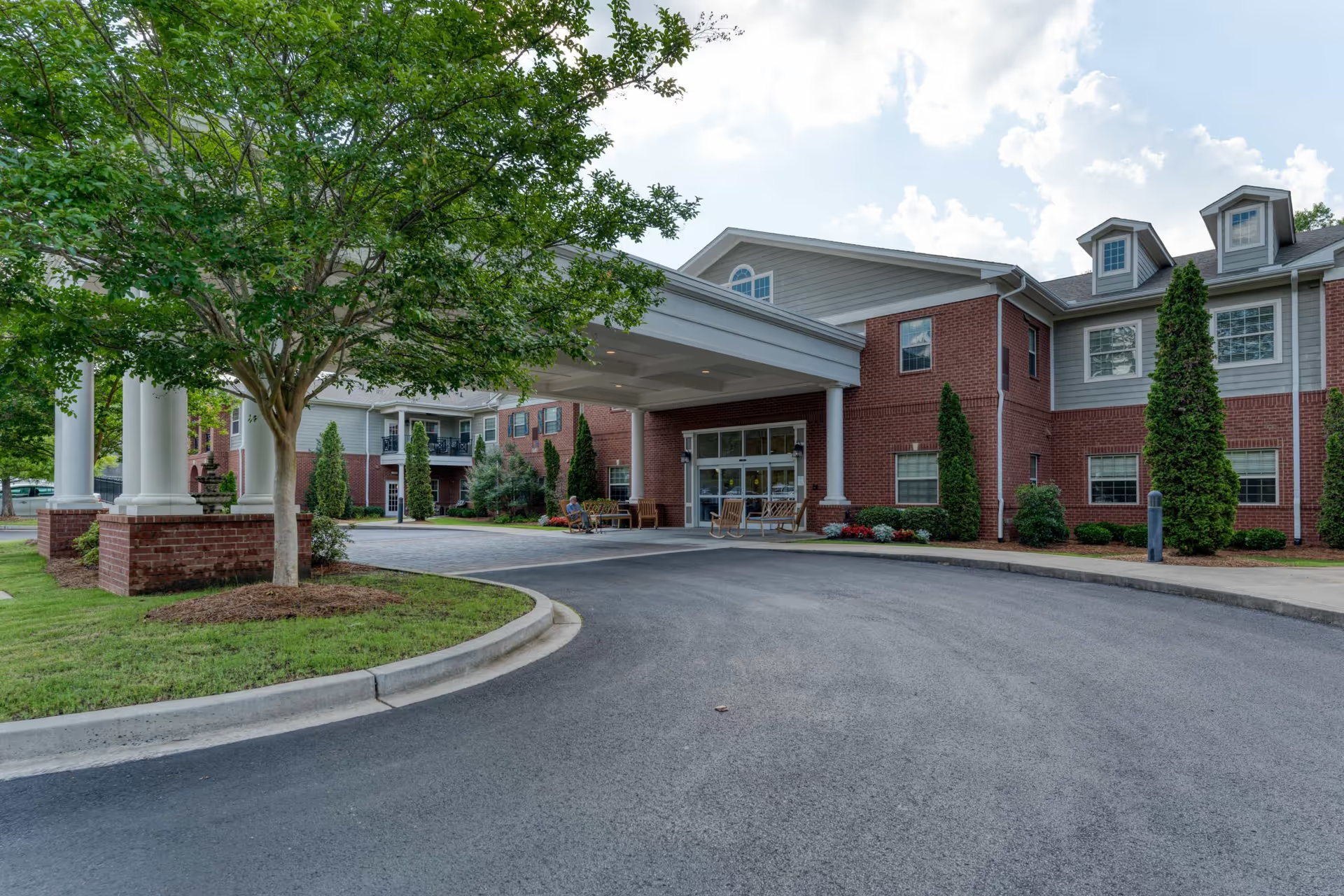
Overall impression: Marshall Pines presents as a well-appointed, memory-care–focused community that many families describe as warm, home-like, and clinically resourced. Positive accounts emphasize compassionate staff, dementia-specific training, an atmosphere that many residents enjoy, and a range of on-site clinical services (a full-time nurse, weekly physician visits and on-site X‑ray capability). The facility’s physical environment—clean, hotel-like interiors, sensory and meditation rooms, outdoor spaces and recreational amenities—contributes to a strong first impression for prospective families.
Care and staff: A central strength cited is the caregiving team’s dementia competence and interpersonal approach. Reviewers frequently mention staff who are attentive, consistent, and engaged in person-centered interactions; specific dementia training (Teepa Snow methods) and consistent staff assignments are noted as contributors to resident comfort. At the same time, there are multiple accounts indicating variability in care delivery. Issues highlighted include missed scheduled personal-care tasks, inconsistent adherence to individualized care plans, and episodes that suggest lapses in medication handling. These concerns point to variability in day-to-day execution rather than an absence of clinical resources.
Dining and activities: The community’s dining program and activity schedule receive strong praise. Families report creative menus, meals prepared with resident involvement, and good nutritional variety. Activities are diverse and frequent—arts and crafts, field trips, physical and cognitive exercises, sensory spa offerings, and small-group celebrations—all described as supporting residents’ social, emotional and cognitive needs. Reviewers who are satisfied attribute improvements in mood and engagement to this programming.
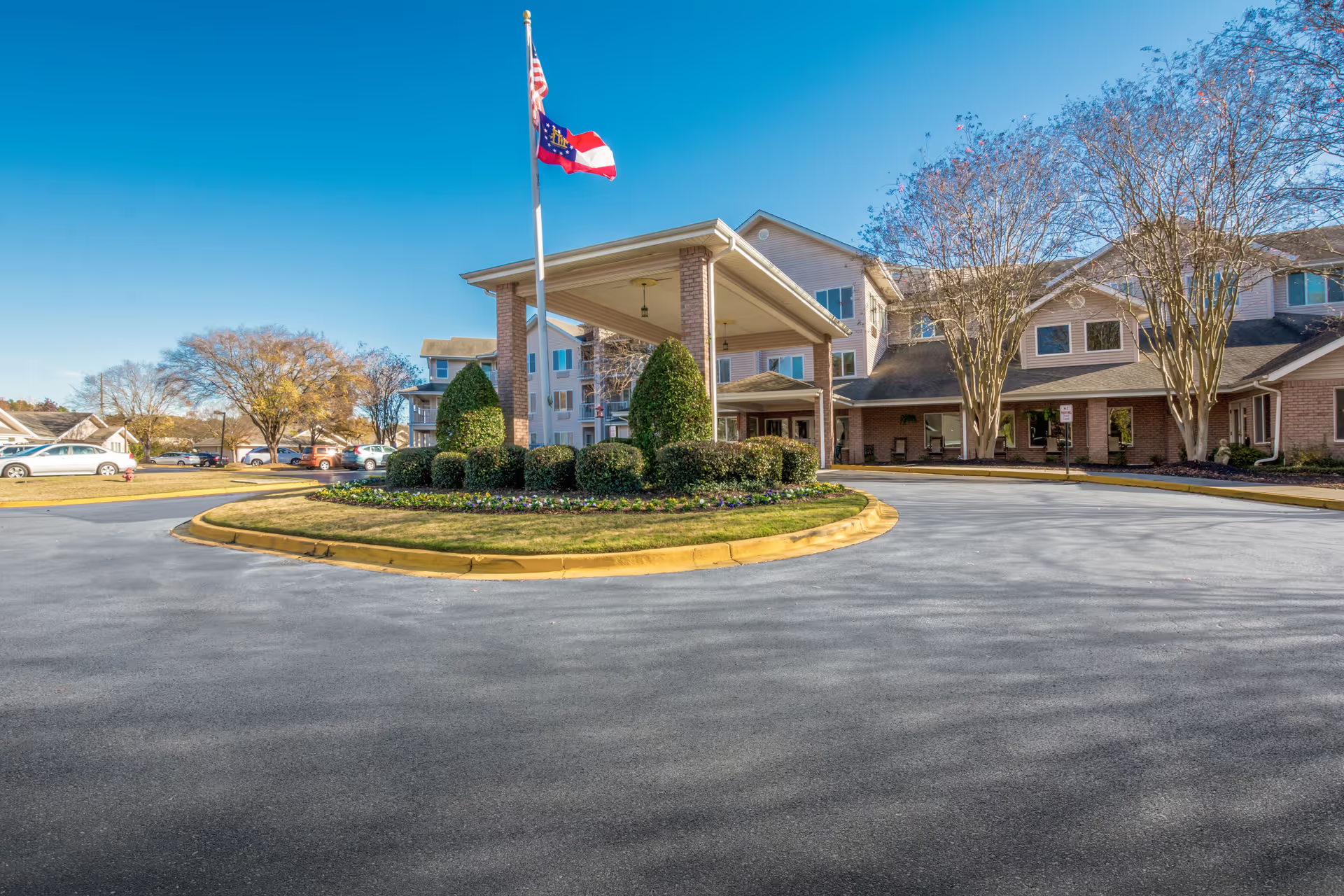
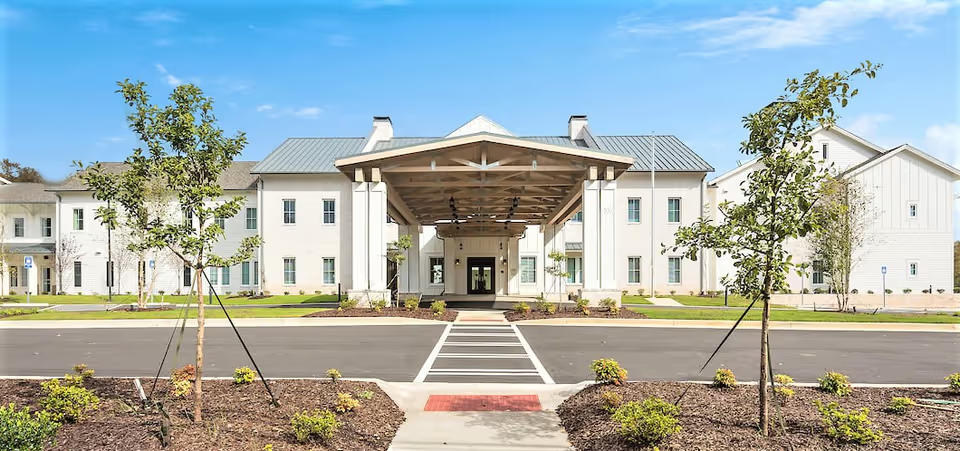
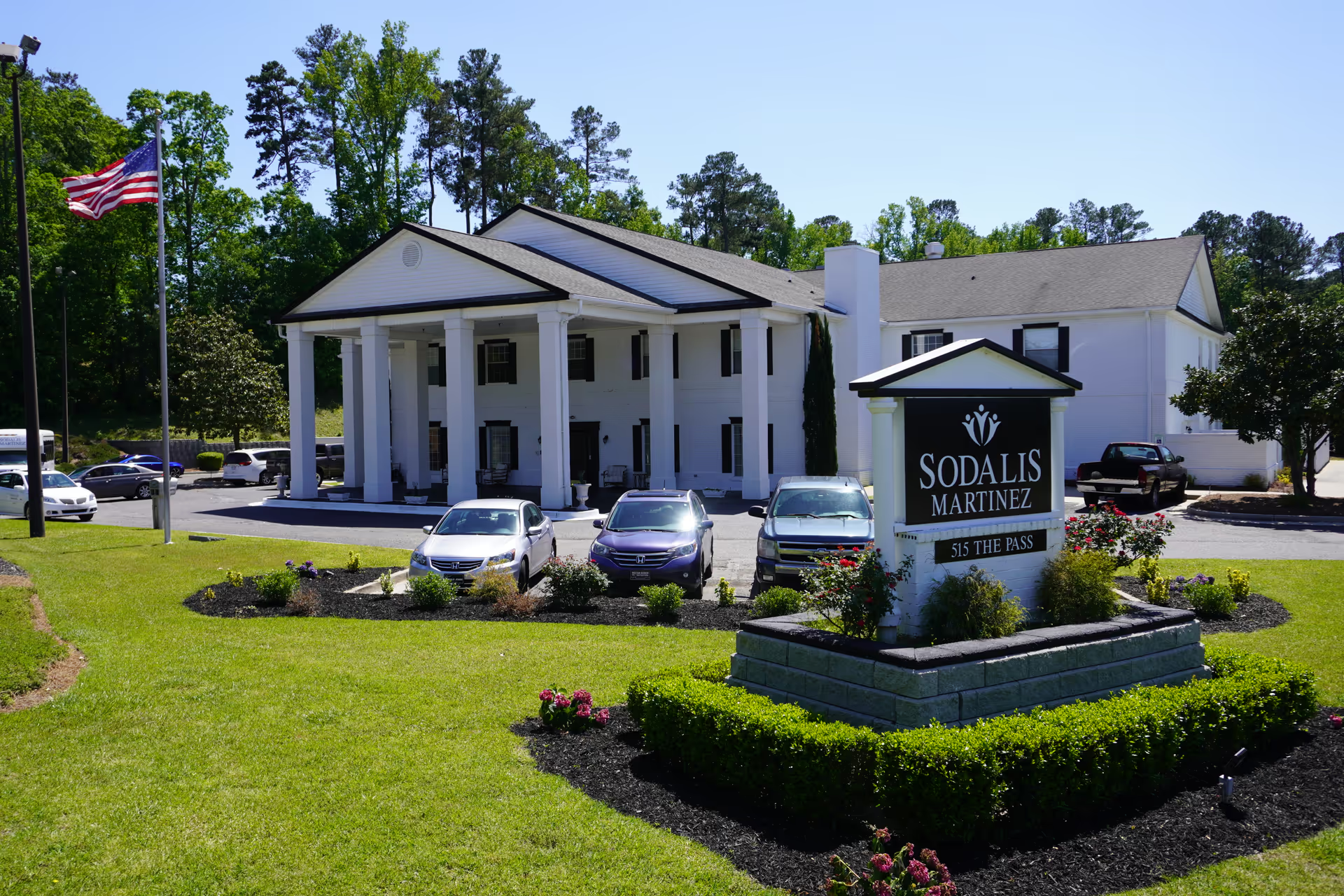
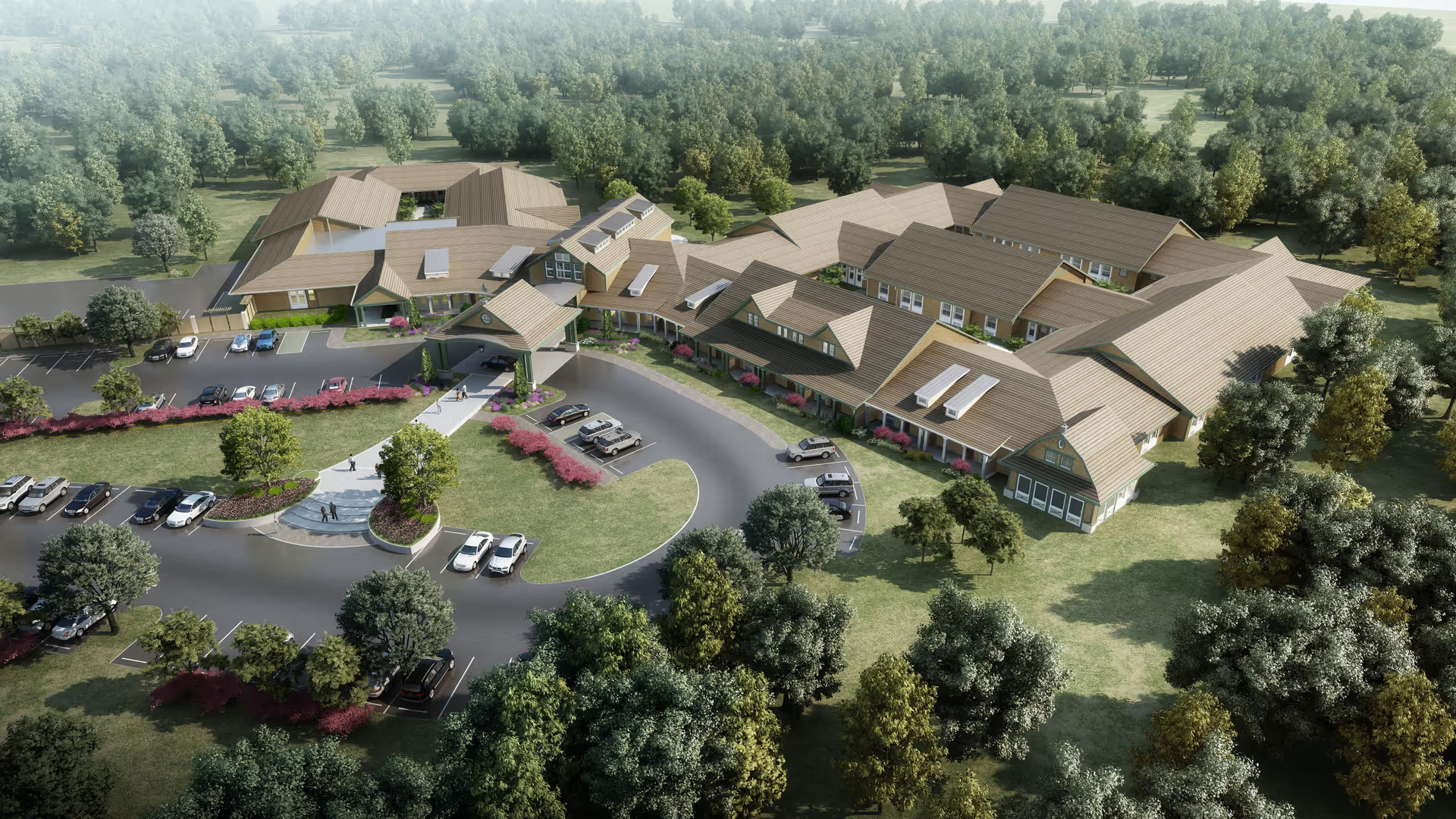
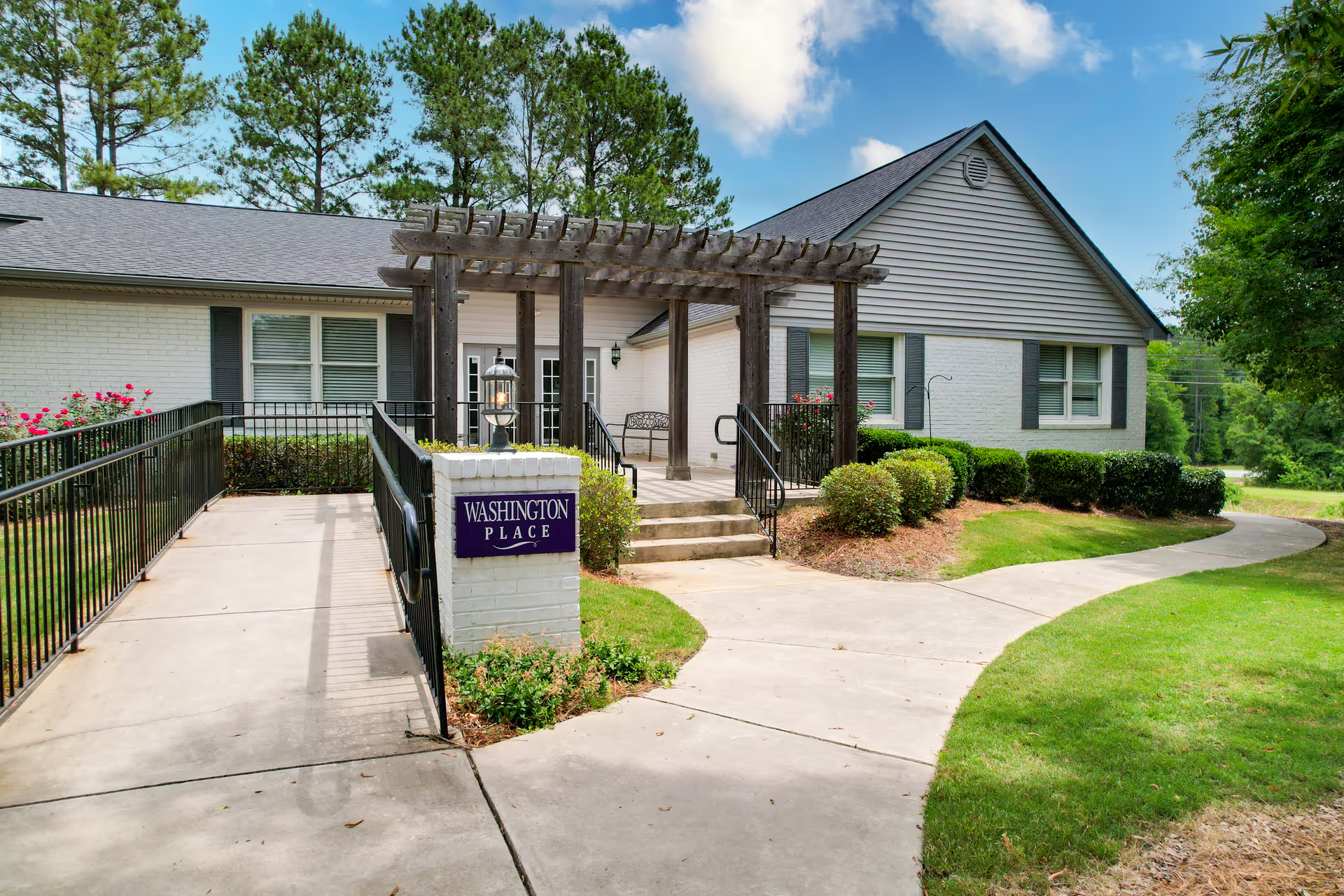
Facilities and amenities: Physical amenities are a consistent strength. The building and grounds are often described as well-maintained with a hotel-like feel, comfortable common areas, salon services, sensory and quiet rooms, and outdoor options such as walking trails and putting areas. The floorplan and decor are designed with memory care in mind, and many families appreciate the secure, roam-friendly layout. A practical limitation noted by some is limited availability of private rooms.
Management and communication: Administrative accessibility and proactive family communication are positive themes for many families—weekly updates, responsive leadership, and visible clinical leadership contribute to peace of mind. Conversely, there are recurring operational patterns of concern: staffing variability and signs of burnout; inconsistent communication between shifts; and occasional discrepancies between what families observe on tours and what occurs in routine care. There are also concerns described about admissions and placement practices that some families view as insufficiently selective for resident needs.
Notable patterns and guidance: The overall pattern is one of a facility with substantial strengths in dementia programming, amenities, and a caring culture, but with uneven execution in some operational areas. Serious concerns raised by a minority of accounts (sanitation control, incontinence-care delays, medication-management lapses, and missed personal-care tasks) merit attention because they affect resident safety and comfort when they occur. Prospective families should prioritize direct observation of morning routines, medication pass procedures, and shift handoffs; ask about staffing levels, turnover and burnout mitigation; confirm availability of private rooms if desired; and request references from current families who have residents with similar care needs. These steps will help determine whether the facility’s culture and operational consistency match a family’s expectations for memory-care support.