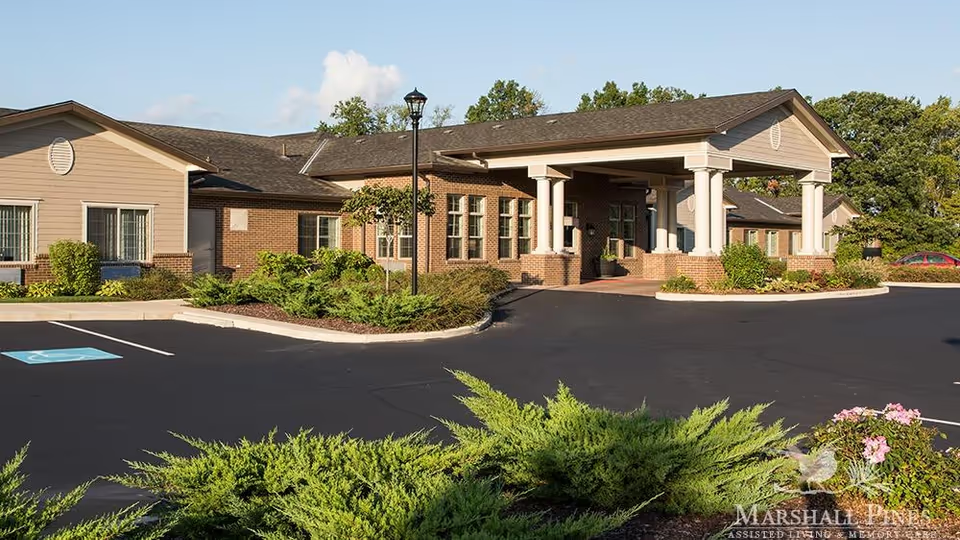
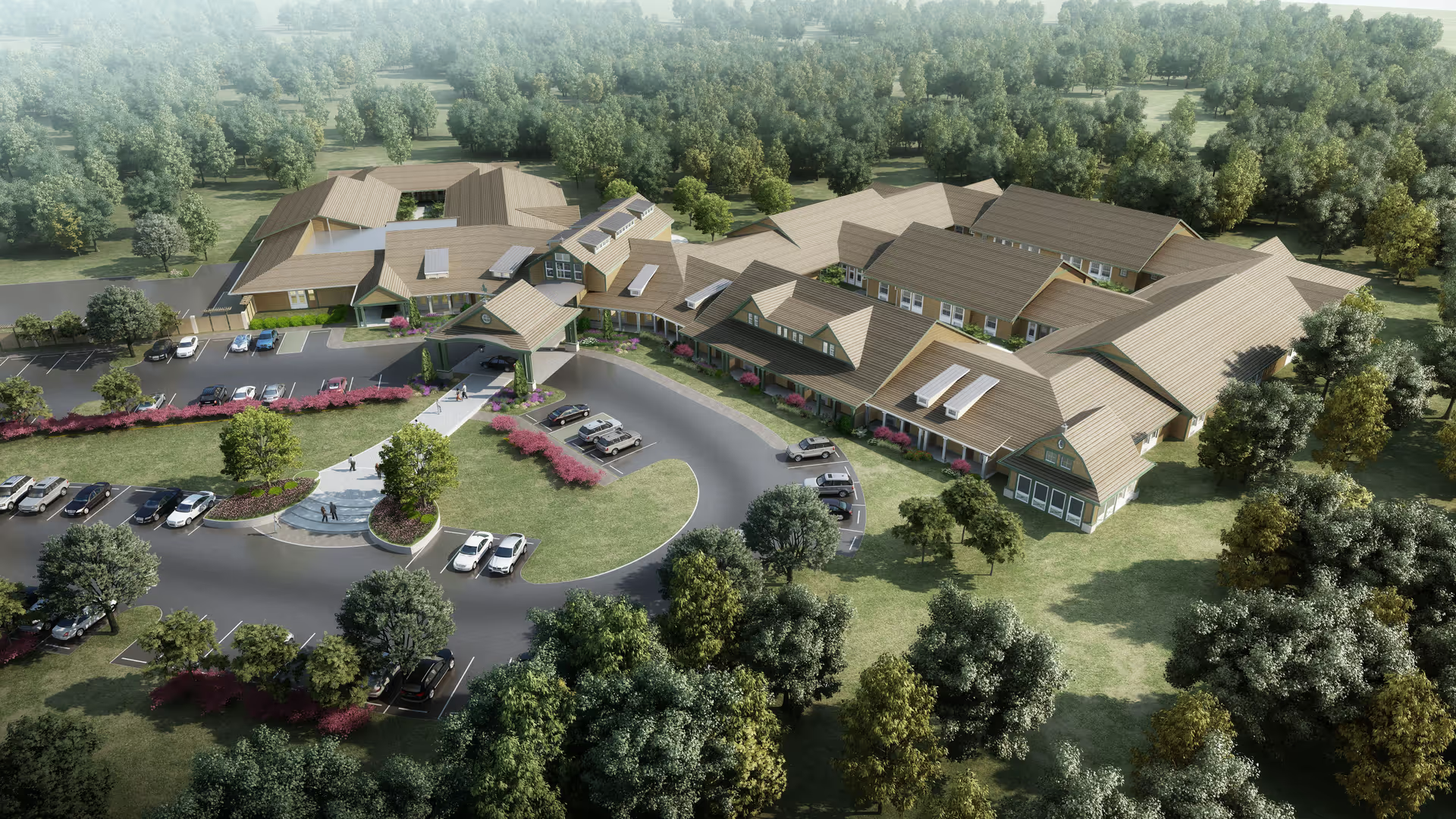
The Ostolaza Residence elicits strongly mixed impressions. Many families describe a home‑like environment with compassionate, family‑style caregiving and 24‑hour companionship. Positive comments focus on individualized care plans, attentive end‑of‑life support, well‑organized medication management, and routine health monitoring such as blood‑glucose checks. The facility’s interior is frequently described as clean, comfortably furnished, and decorated for seasons and holidays; reviewers also note pleasant, home‑cooked meal aromas and room sizes that feel cozy rather than institutional.
At the same time, a set of operational concerns appears repeatedly. Staffing levels and caregiver availability are described as inconsistent, which families say can affect responsiveness and the day‑to‑day attention residents receive. Bathing and hygiene services are cited as limited in scope and frequency, with dependence on bed baths instead of showers in some cases. Related safety and mobility practices raised caution for some families, including extended use of passive seating for residents who might require greater mobility support.
Dining and daily‑living practices present mixed signals: while meals and home cooking are appreciated, reviewers also indicate restrictions on mealtime choices and that caregiving staff are often tasked with kitchen and housekeeping duties. This role overextension may contribute to lapses in direct caregiving availability. Communication and administrative processes are another recurring theme. Several families report gaps in clinical‑family communication and limited transparency around medical information, alongside concerns about how complaints are handled and instances of billing or charge inconsistencies.
Overall, the Ostolaza Residence may be a good fit for families seeking a small, home‑centred care setting with strong personal attention when staffing and management align with expectations. Prospective residents and their families should weigh the facility’s home‑style strengths against the operational limitations noted above—particularly staffing consistency, bathing and mobility services, communication practices, and cost relative to the clinical level of care offered. When possible, visit at different times of day, ask for specifics about bathing and mobility supports, clarify billing practices up front, and request current staffing patterns to better match expectations to likely day‑to‑day experience.