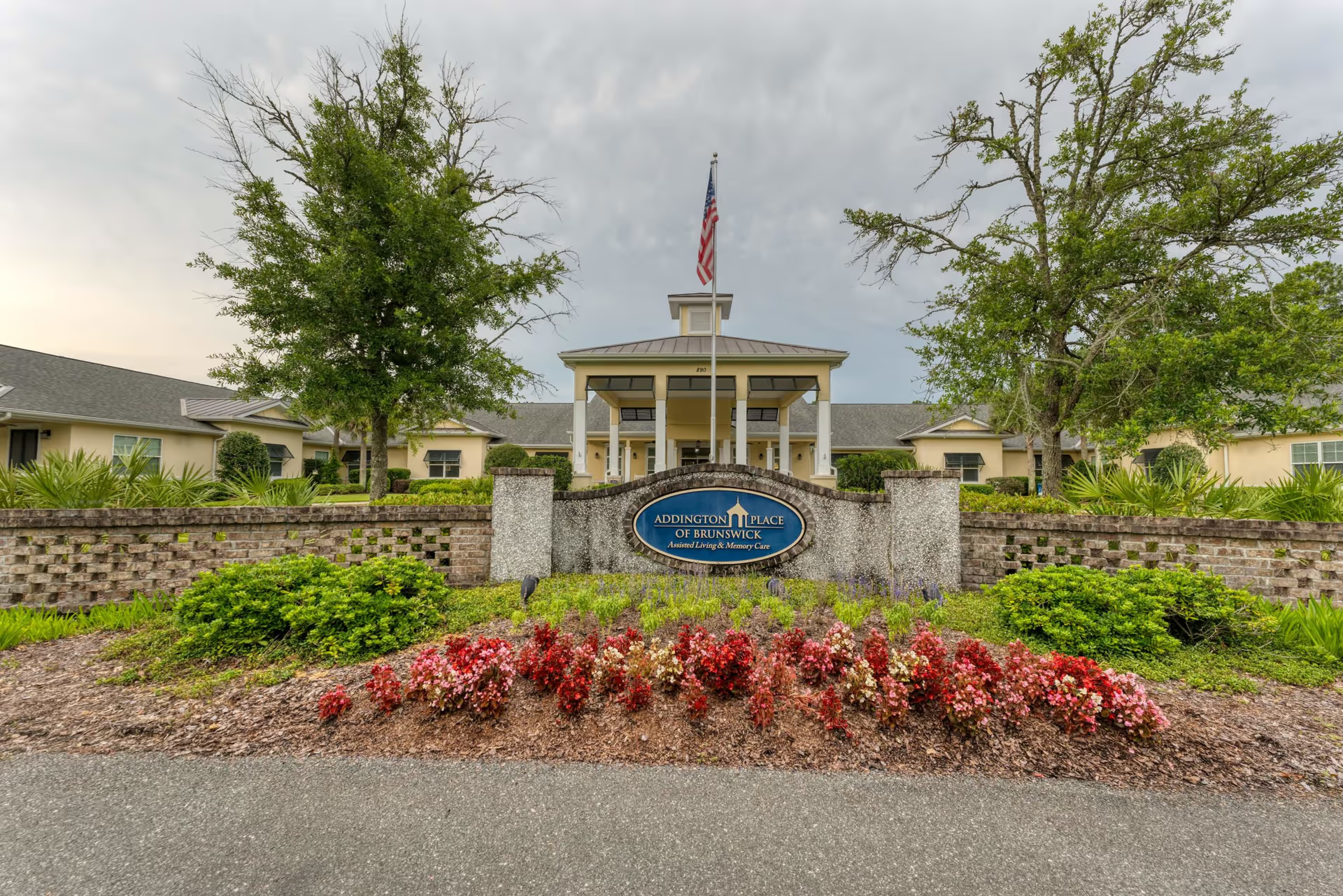
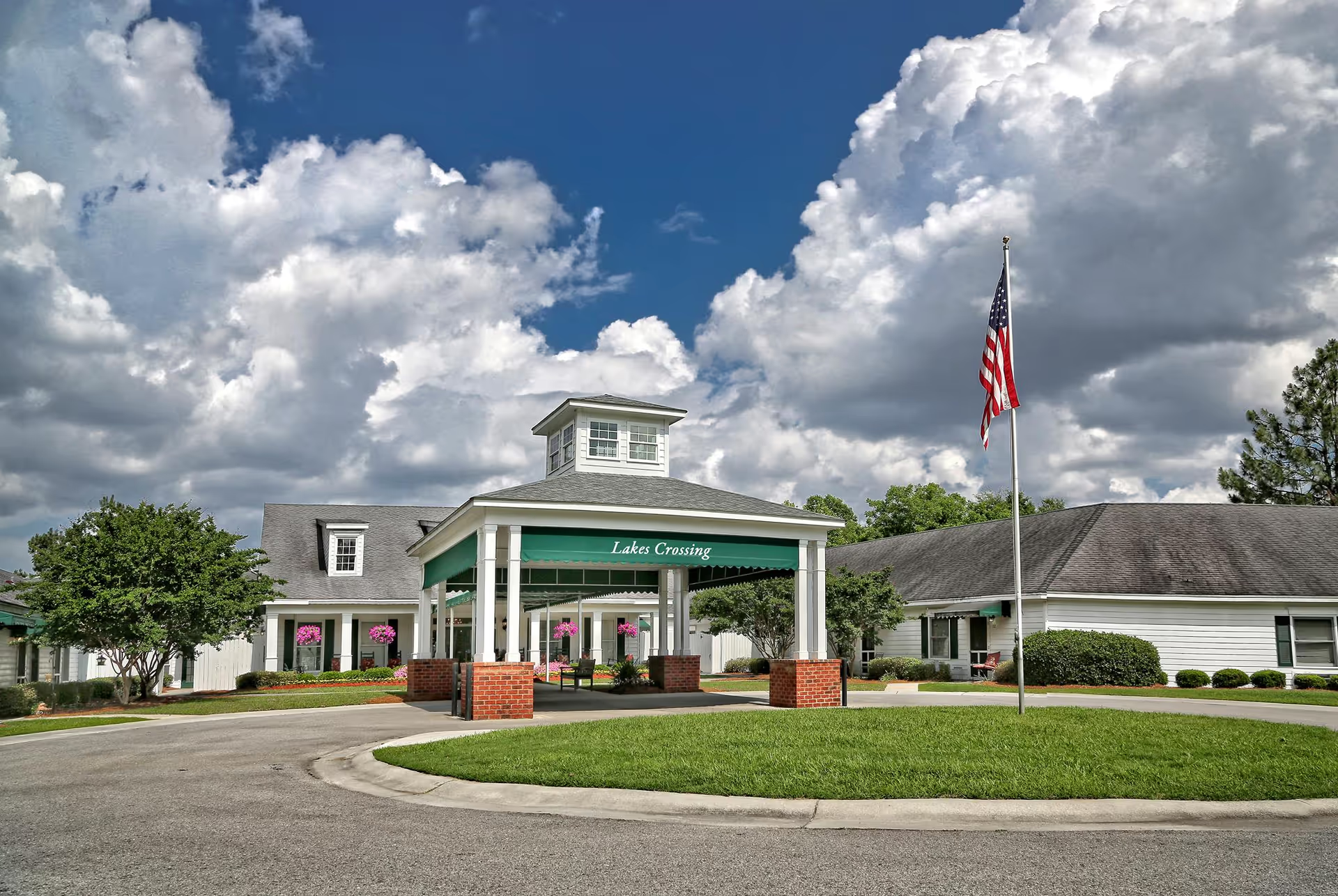
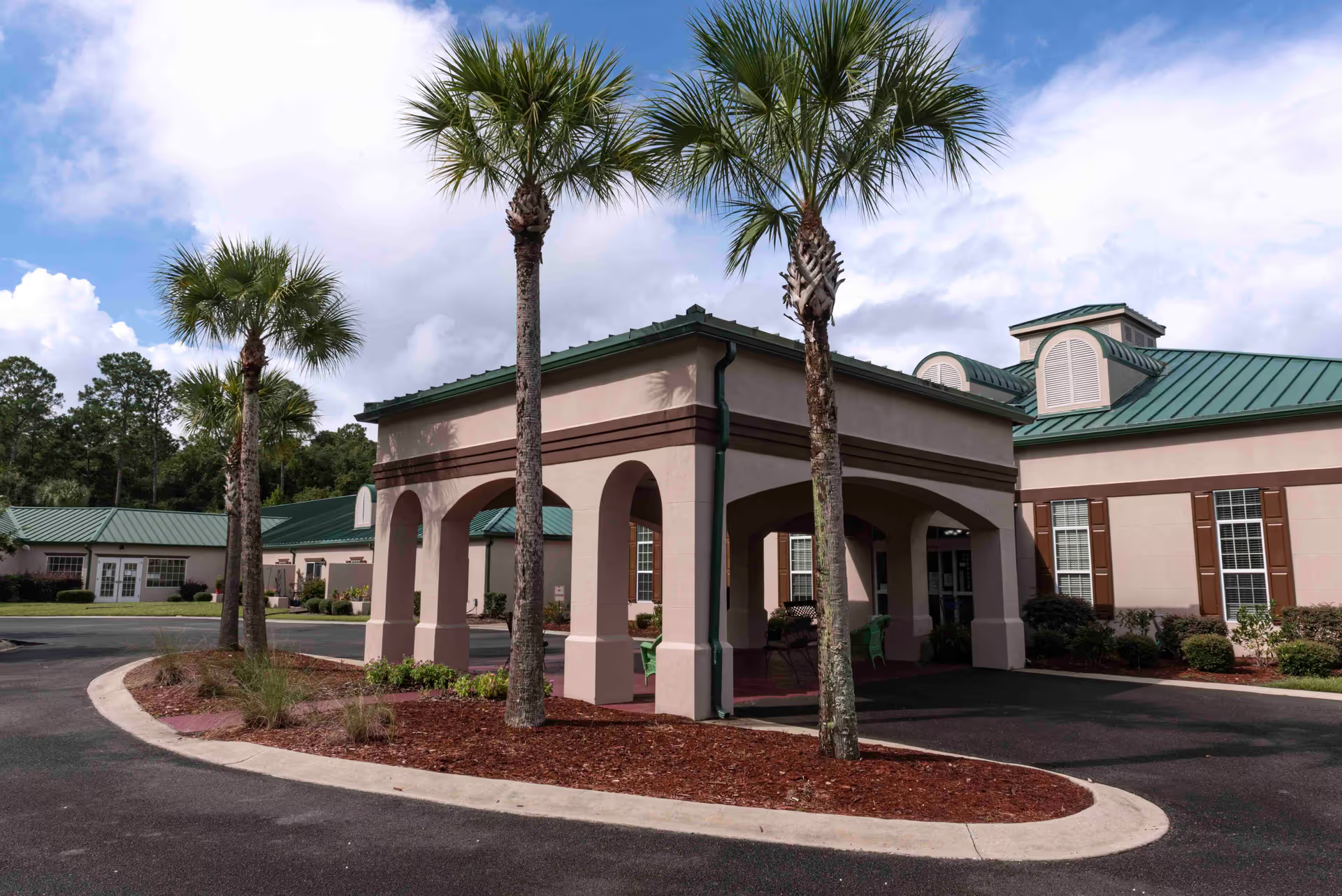
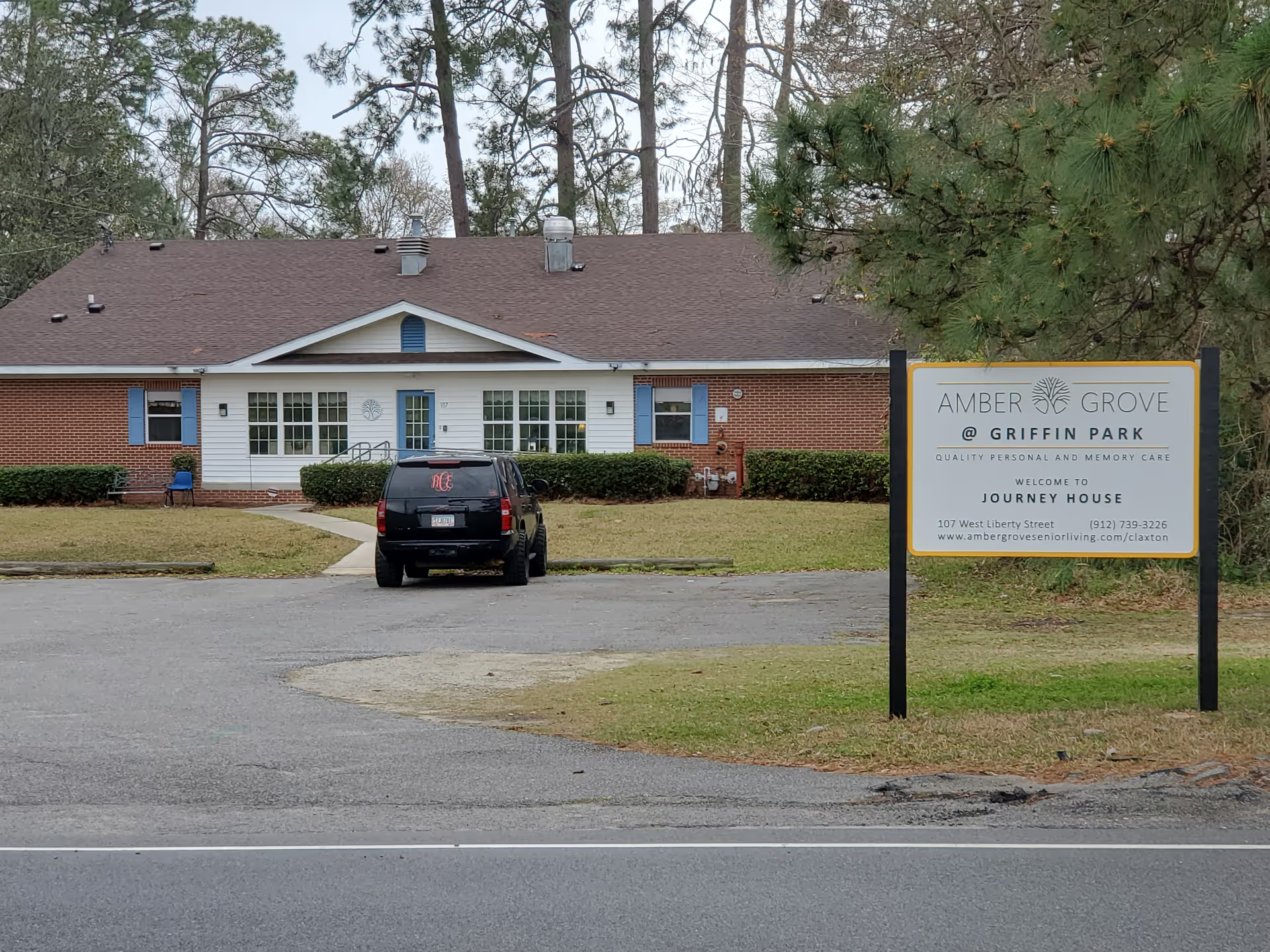
Overall impression: Reviews describe a facility with many strengths in direct caregiving, rehabilitation, and operations coordination, alongside recurring inconsistencies in frontline clinical performance and some aspects of food service and sanitation. Families and residents commonly praised compassionate staff, individualized attention, and a generally clean, well-maintained environment. Therapy and rehab teams receive consistently positive feedback for preparing residents to return home, and administrative staff are often credited with organizing appointments, transportation, and quick admissions.
Care and staff: The facility earns frequent recognition for attentive CNAs, engaged nursing leadership, and personalized bedside care that emphasizes dignity and family communication. Several reviews singled out individual staff members and the director of nursing for strong leadership and effective family updates. At the same time, a number of accounts indicate variability in nursing competency and CNA responsiveness. These patterns suggest a need for stronger, consistent clinical oversight and quality-assurance processes to ensure uniform performance across shifts and units.
Dining and activities: Dining services and activities are a clear strength for many residents: meals are described as plentiful and well liked, the dining area is kept clean, and staff assist during mealtimes. The activity program, puzzles, and social offerings are cited as meaningful contributors to a home-like atmosphere. Contrasting reports point to occasional cold meals, inconsistent food-service practices, and food-handling or sanitation concerns that warrant inquiry when evaluating recent performance and corrective actions.
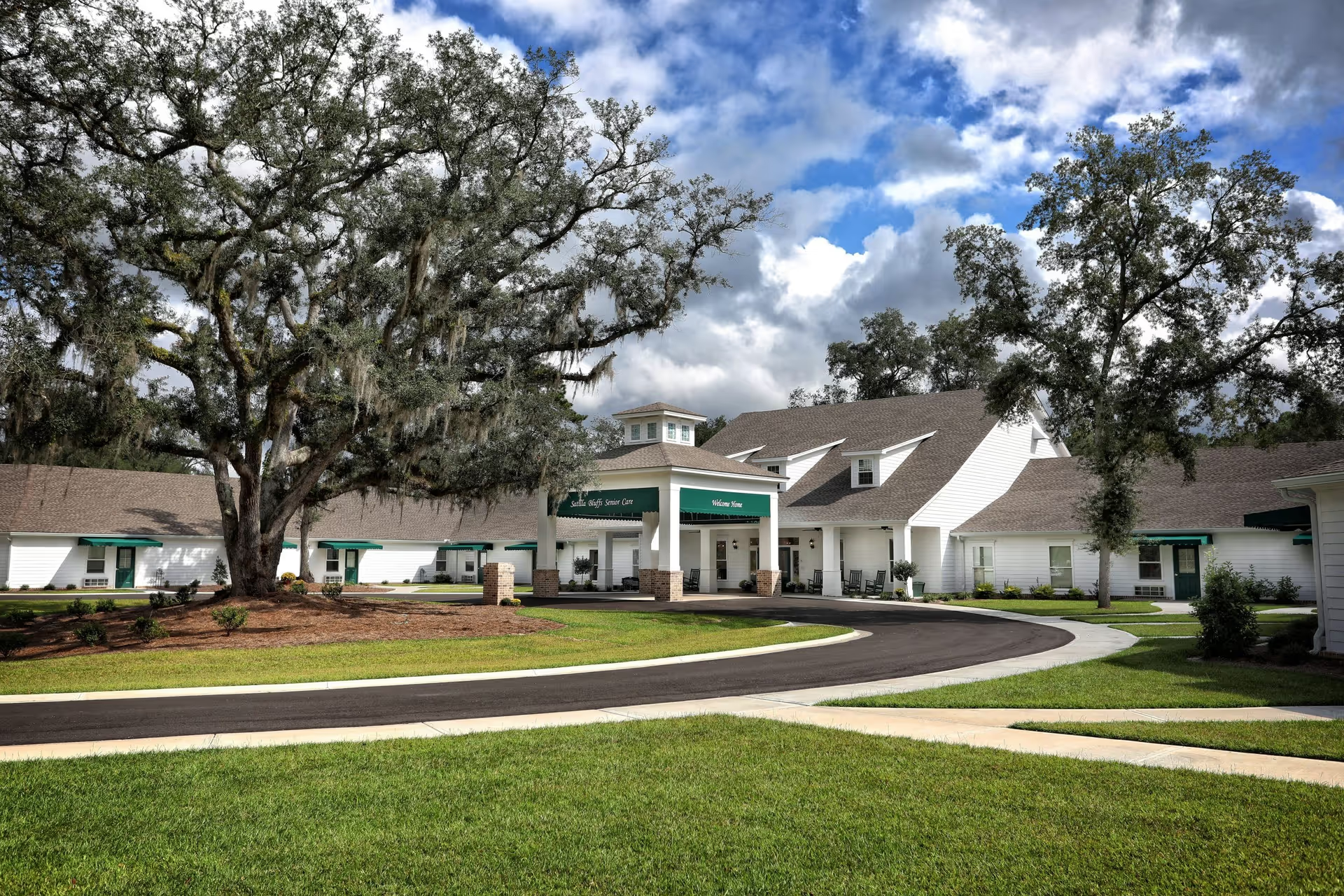
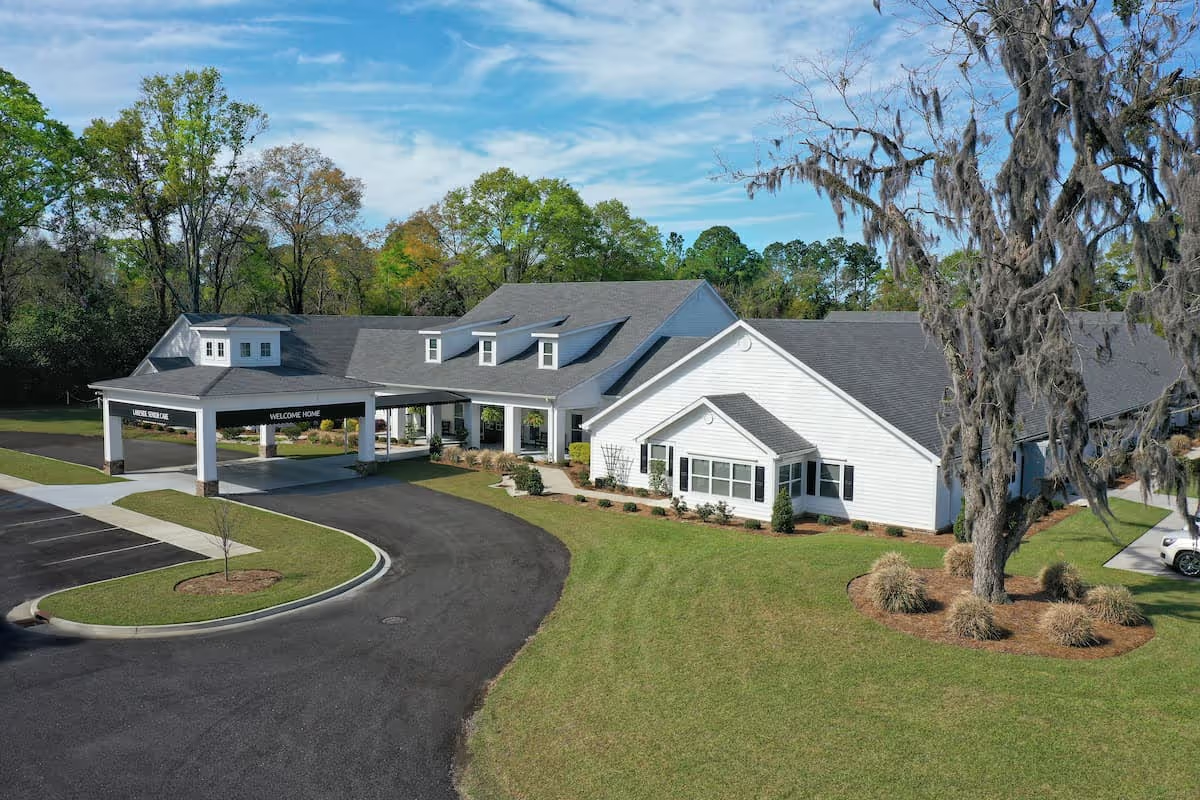
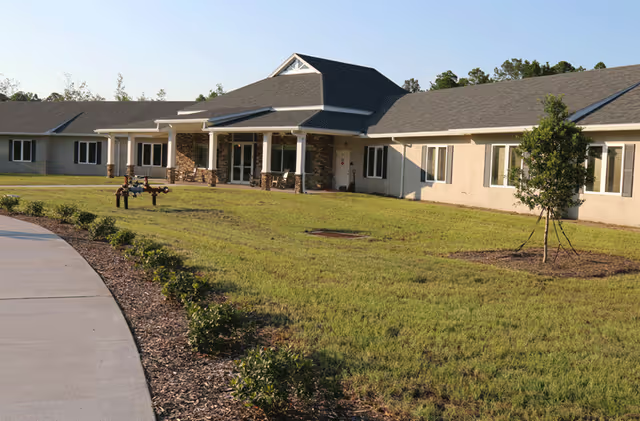
Facilities and housekeeping: The physical environment is generally described as clean and odor-free with spotless halls and responsive housekeeping staff. Positive mentions of specific housekeeping employees indicate a committed team in that department. However, some reviewers noted outdated room decor and intermittent sanitation lapses; these observations indicate unevenness in maintenance or capital-refresh cycles across units.
Management and operations: Management and social services receive commendation for proactive coordination, hospice support, and fostering a family-like culture. The facility appears capable of strong staff support and positive morale in many areas. Counterpoints include reports of misinformation, inconsistent short-stay/respite care quality, and gaps in communication during care transitions. A few reviews raised serious safety and care concerns; while these appear less common than positive comments, they emphasize the importance of reviewing recent quality metrics, incident logs, and corrective-action records.
Notable patterns and considerations for visitors: Strengths center on compassionate caregiving, effective therapy/rehab, organized logistics, and robust housekeeping in many areas. Recurring weaknesses are operational consistency — particularly nursing and CNA performance, food-service reliability, and occasional sanitation or short-stay lapses. Prospective residents and families should consider an in-person visit, ask about current staffing ratios and nursing oversight, review recent inspection and corrective-action reports, inquire about meal-temperature and food-safety protocols, and request details on respite-care procedures and complaint resolution. These targeted questions can help determine whether the facility’s strong areas align with an individual’s priorities and whether management has addressed the variability noted in some reviews.