Experiences at The Oaks - Carrollton vary considerably across the reviews and appear to depend in part on the resident’s needs, the care team, and the period of service. Many residents and families describe compassionate care, attentive staff, successful rehabilitation, and a reassuring environment. Other families raise substantial concerns about responsiveness and follow-through, particularly for residents who need hands-on assistance or have changing medical needs.
Staff are frequently praised for kindness, professionalism, and personal familiarity with residents. Positive accounts describe caregivers, nurses, therapy staff, and activity personnel who build relationships and keep families informed. However, other accounts describe staffing shortages and turnover, delayed responses to call lights, and inconsistent assistance with feeding, bathing, and mobility. Concerns also include clinical monitoring and follow-up, such as communication about wounds, possible infections, pain, and changes in condition. These contrasting experiences suggest that care and communication may not be consistent across shifts or residents.
Rehabilitation experiences are similarly mixed. Some residents and families credit therapy with helping residents regain mobility and return home, and describe the rehabilitation team as supportive. Others felt that therapy or daily support did not adequately address the resident’s needs, including pain management and assistance with meals. Families considering short-term rehabilitation may wish to ask how therapy goals, hands-on care needs, and changes in medical status are communicated and coordinated.
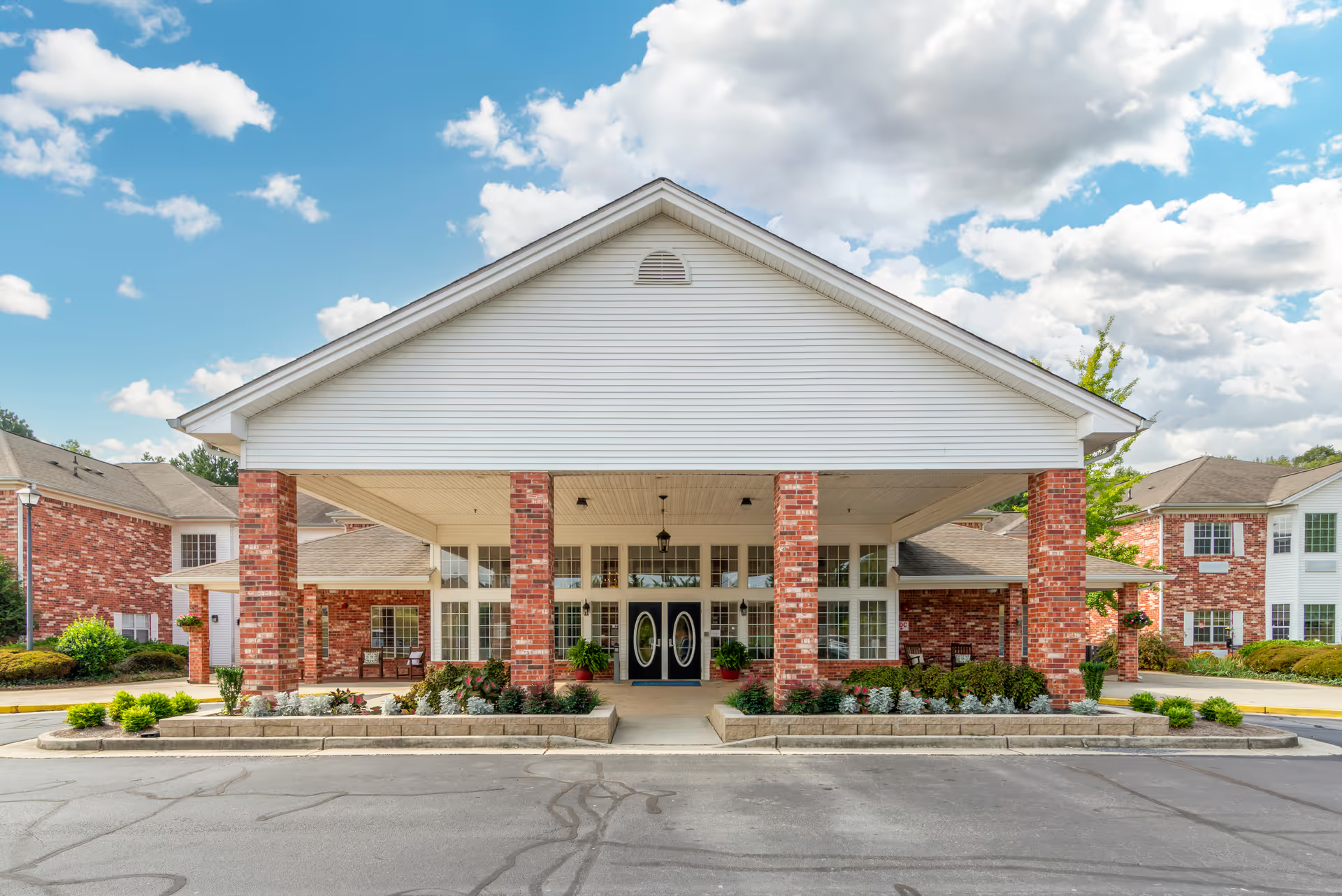
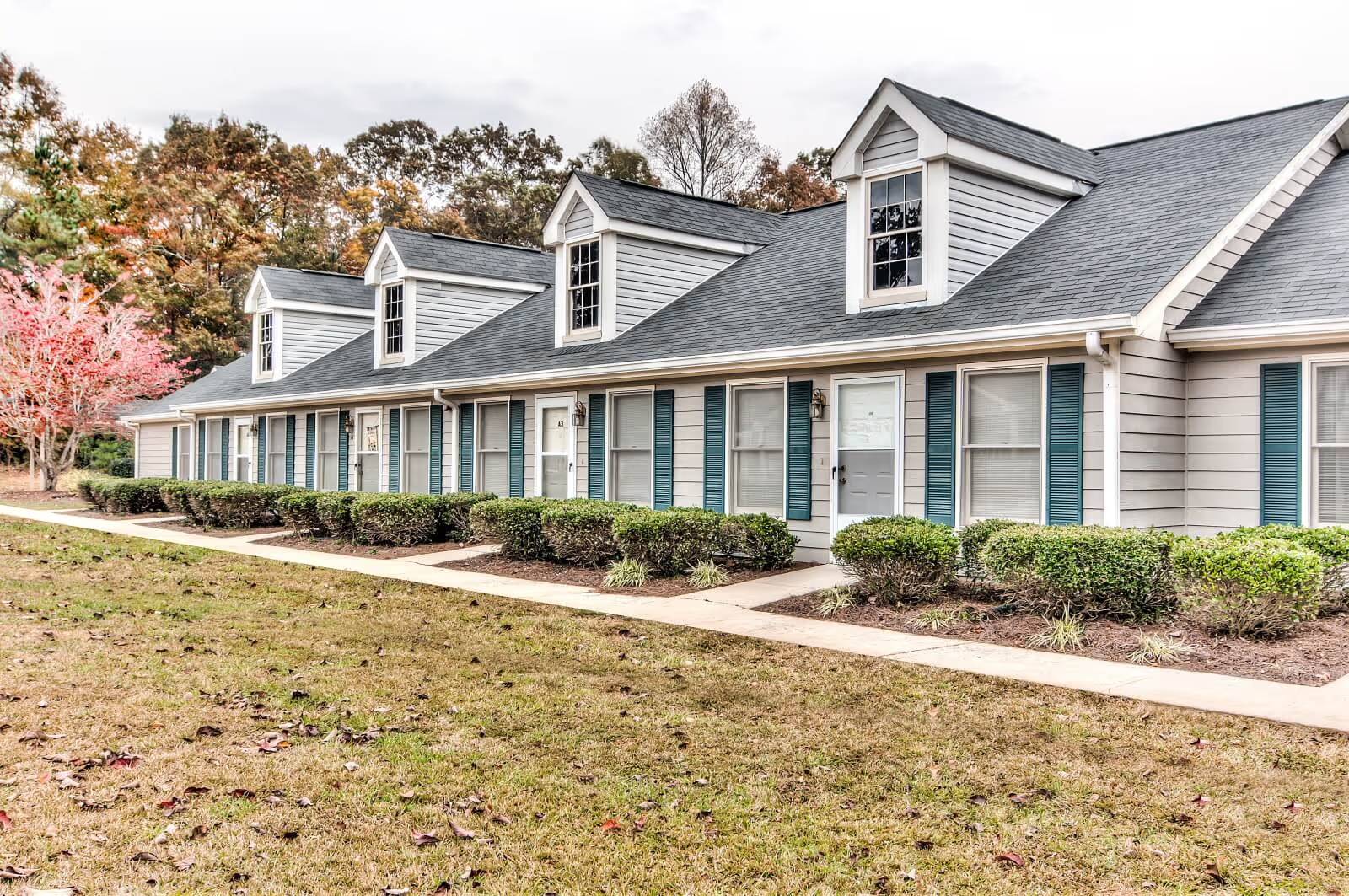
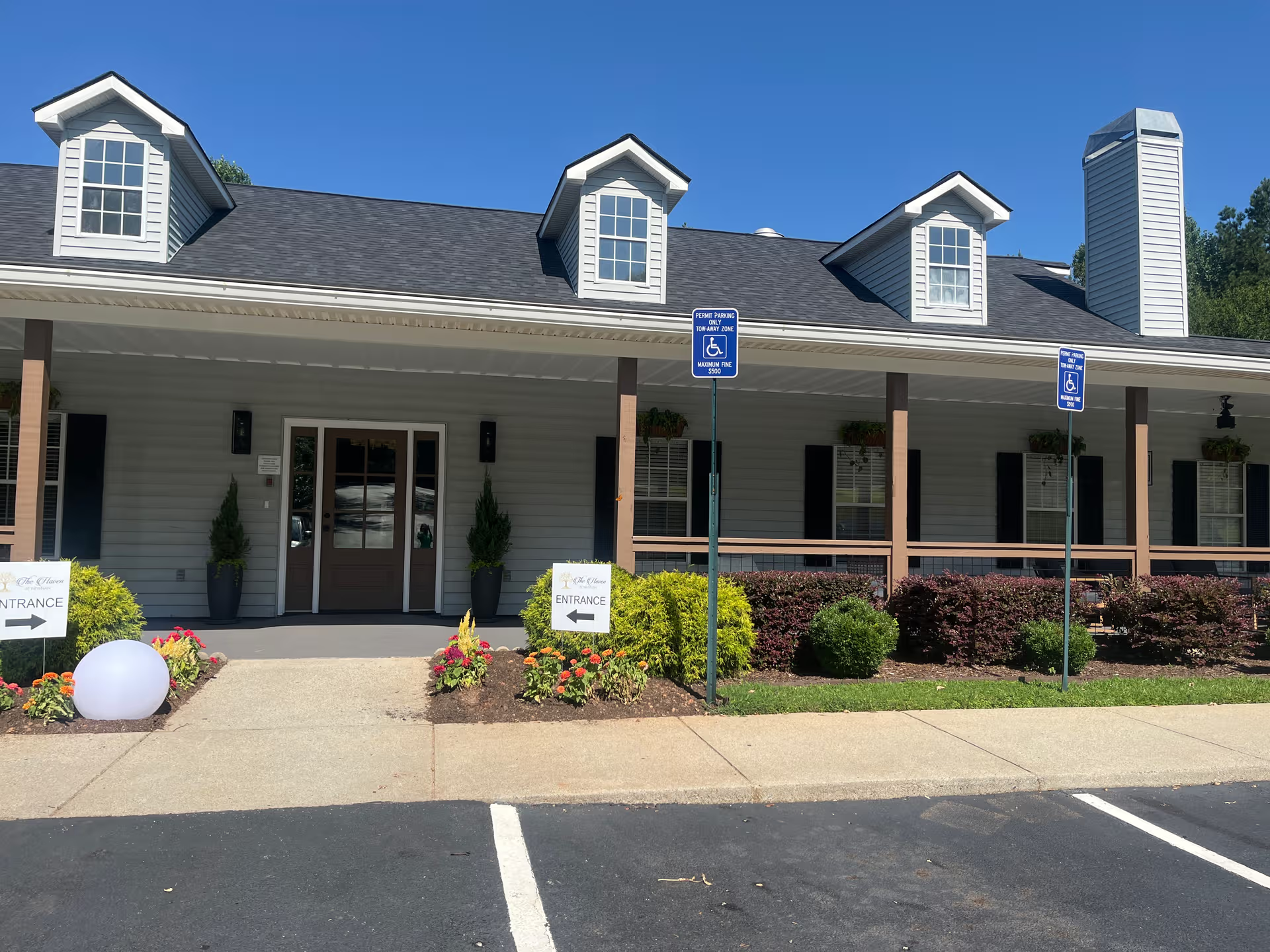
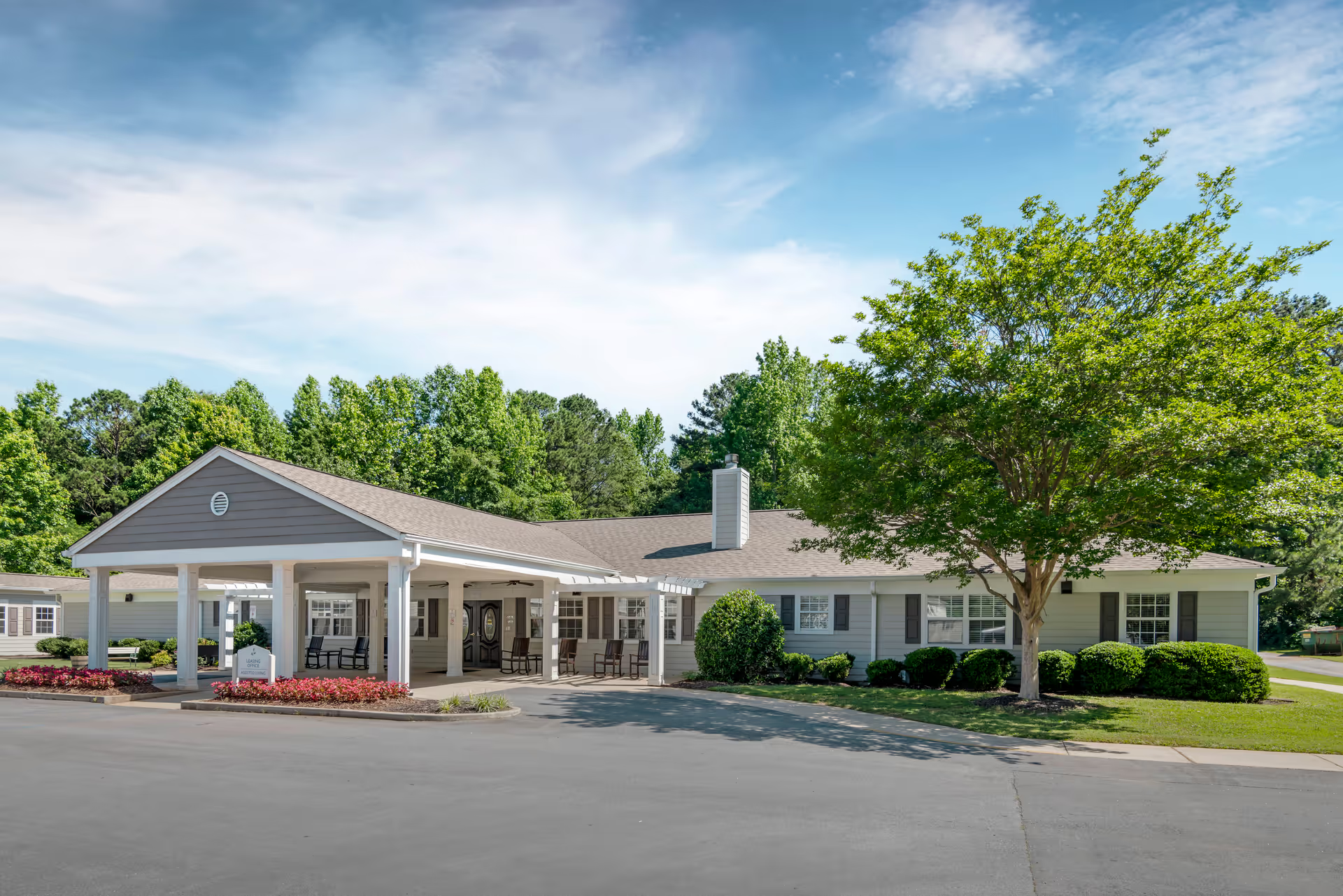
The facility is often described as clean, orderly, and welcoming, with attractive common areas, pleasant grounds, and ongoing improvements. Some accounts, however, characterize rooms or interiors as dated, small, or limited in storage and shared-bathroom space. Dining feedback ranges from positive comments about food and available choices to dissatisfaction with meal quality and reports that residents were not consistently offered the choices described by the facility. Activities are a recurring strength, including social events, family programming, and religious activities.
Management and administrative experiences also differ. Some families report that leaders listen to concerns and help resolve problems, while others describe communication gaps, difficult interactions, and shortcomings in admission, records, medication coordination, or discharge processes. Overall, the reviews present a facility with notable strengths in cleanliness, activities, staff relationships, and rehabilitation outcomes for some residents, alongside persistent concerns about staffing consistency, timely assistance, clinical follow-through, and coordination with families.