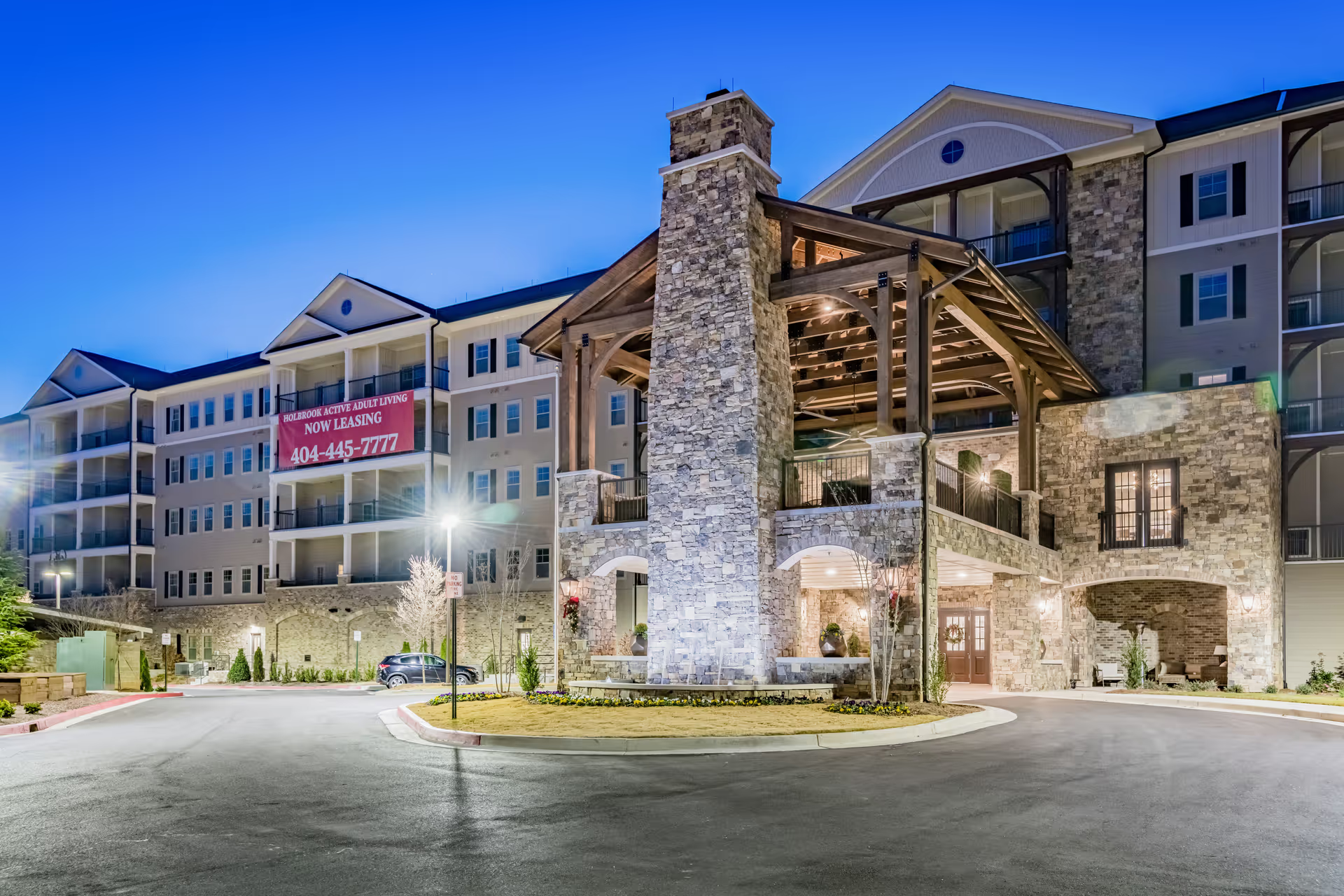
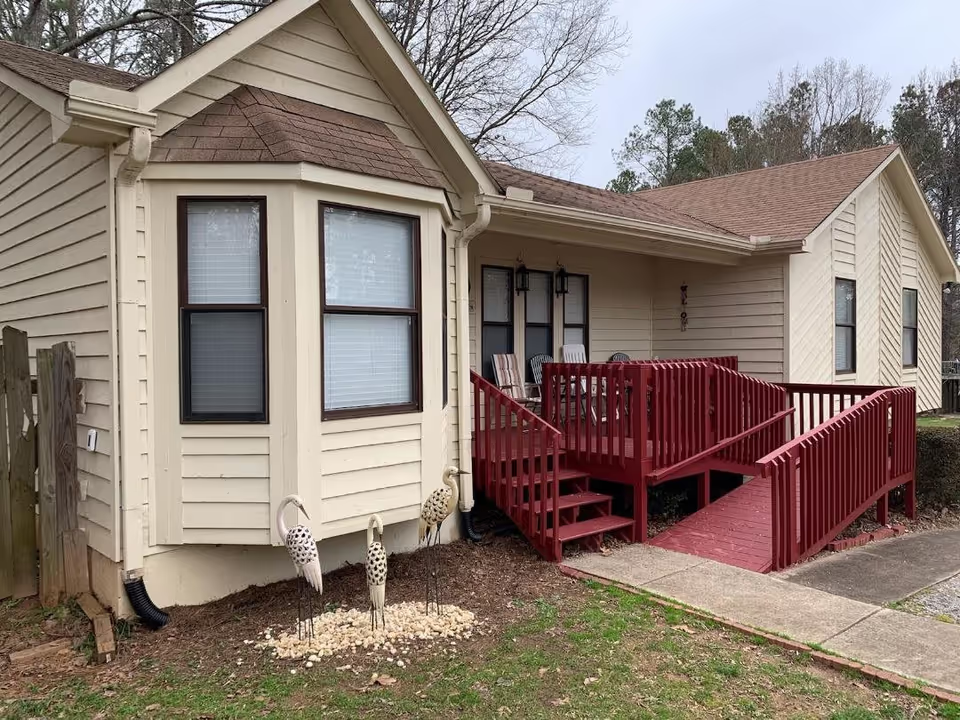
The reviews present a mixed but recurring pattern: families and patients frequently praise individual caregivers, therapists, and the activities team, while also raising consistent operational concerns about staffing, clinical oversight, and building condition. For many short-term rehab patients the facility's therapy teams and activity programming are clear strengths; for others who require prolonged skilled nursing care the long-term experience appears more variable.
Care and staff: Numerous reviewers described direct-care staff—nurses, CNAs, and therapists—as compassionate, attentive, and effective, with several therapists and aides named for high-quality, personalized care. Conversely, a significant theme is inconsistent staffing levels and related effects on care: delayed assistance, delays in medication delivery, and slower clinical monitoring during shift changes or busy periods. There are also serious clinical concerns described by families, including medication-management lapses and infection-control problems; these characterize systemic risks when staffing and oversight are inconsistent. Families advising new admissions should request clear staffing ratios, medication-administration procedures, and escalation pathways.
Dining and activities: The facility's activities program is frequently highlighted as exemplary—engaging, inclusive, and tailored to resident ability, with positive social outcomes reported. Dining impressions are mixed: some reviews praise kitchen leadership, specific staff, and well-prepared meals, while others note inconsistent meal quality and lackluster entrees at times. If dining is a priority, prospective residents or families should sample current menus and ask about therapeutic and texture-modified options.
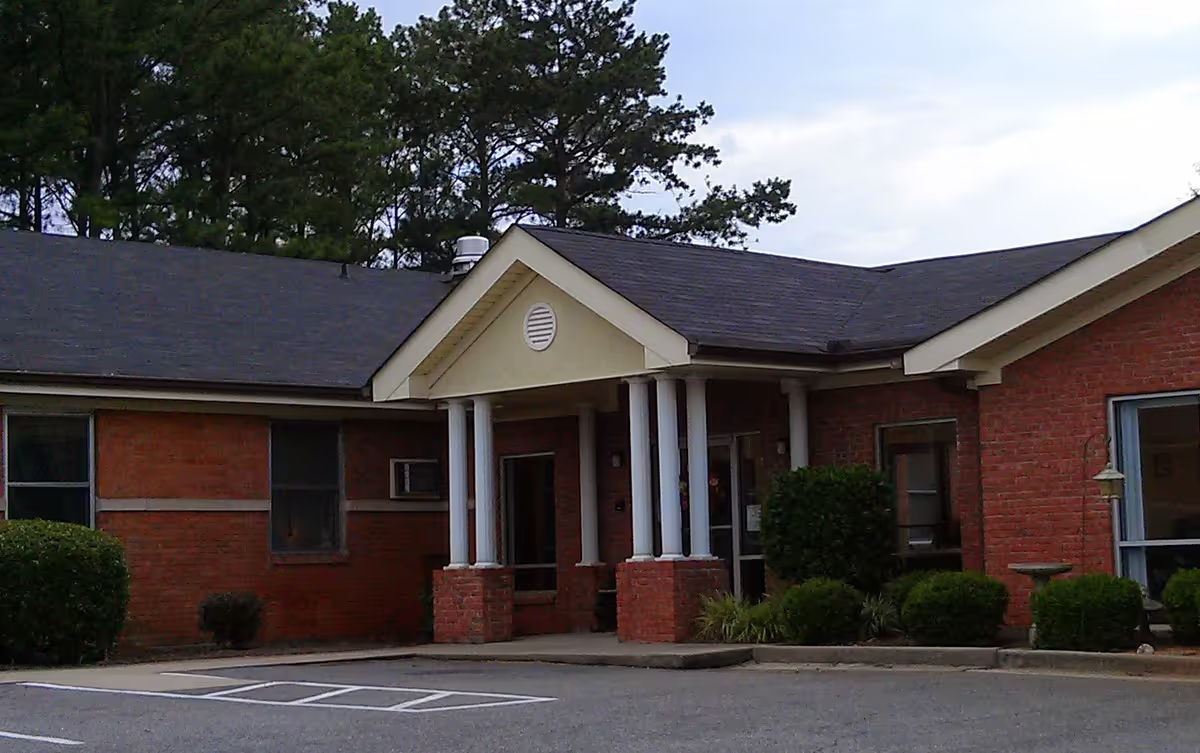
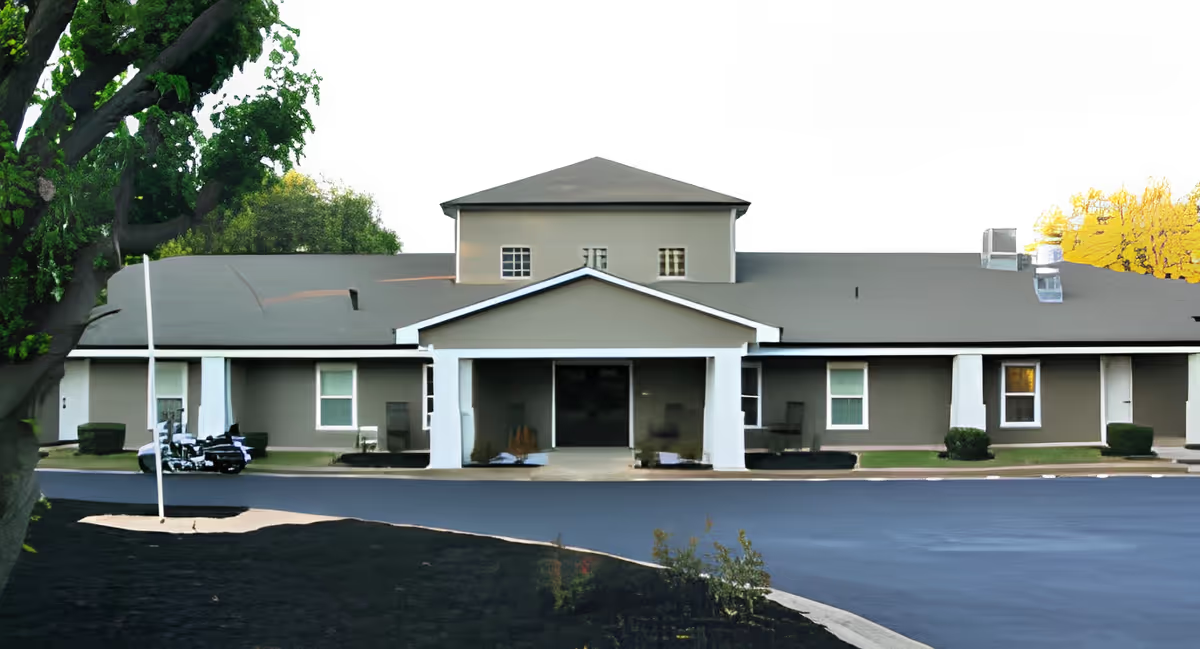
Facilities and maintenance: The building is described as older, with recurrent concerns about deferred maintenance and infrastructure (windows, ceilings, vents, and rusted fixtures). Several reviewers noted sanitation and odor concerns in specific rooms and common areas, and some raised pest-control and air-quality questions. Overcrowded room assignments and limited private space were also described. These issues suggest that physical-plant condition and housekeeping consistency vary across units; an in-person tour focused on the intended unit is advisable.
Management and communication: Reviews show a split perception of leadership. Some families commend admissions staff and individual leaders for responsiveness and hands-on involvement; others describe delays in callbacks, inconsistent follow-through, and unsatisfactory responses to clinical concerns. There are accounts that administrative escalation led to improvements in isolated cases, but persistent patterns of uneven communication and operational follow-through were also reported. Prospective families should identify a primary point of contact, request regular clinical updates, and document expectations in the care plan.
Notable patterns and recommendations: The overall pattern is polarization—many positive, human-centered interactions alongside recurrent operational weaknesses. The facility appears well-suited to short-term rehabilitation, where therapy and activities are a priority and outcomes tend to be favorable. For long-term care, reviewers suggest closer scrutiny of staffing reliability, medication safety protocols, infection-control measures, building condition, and room assignments. When evaluating this facility, arrange a focused tour of the specific unit, meet therapy and nursing leads, review recent state inspection results if available, and obtain clear, written care and communication plans before admission.