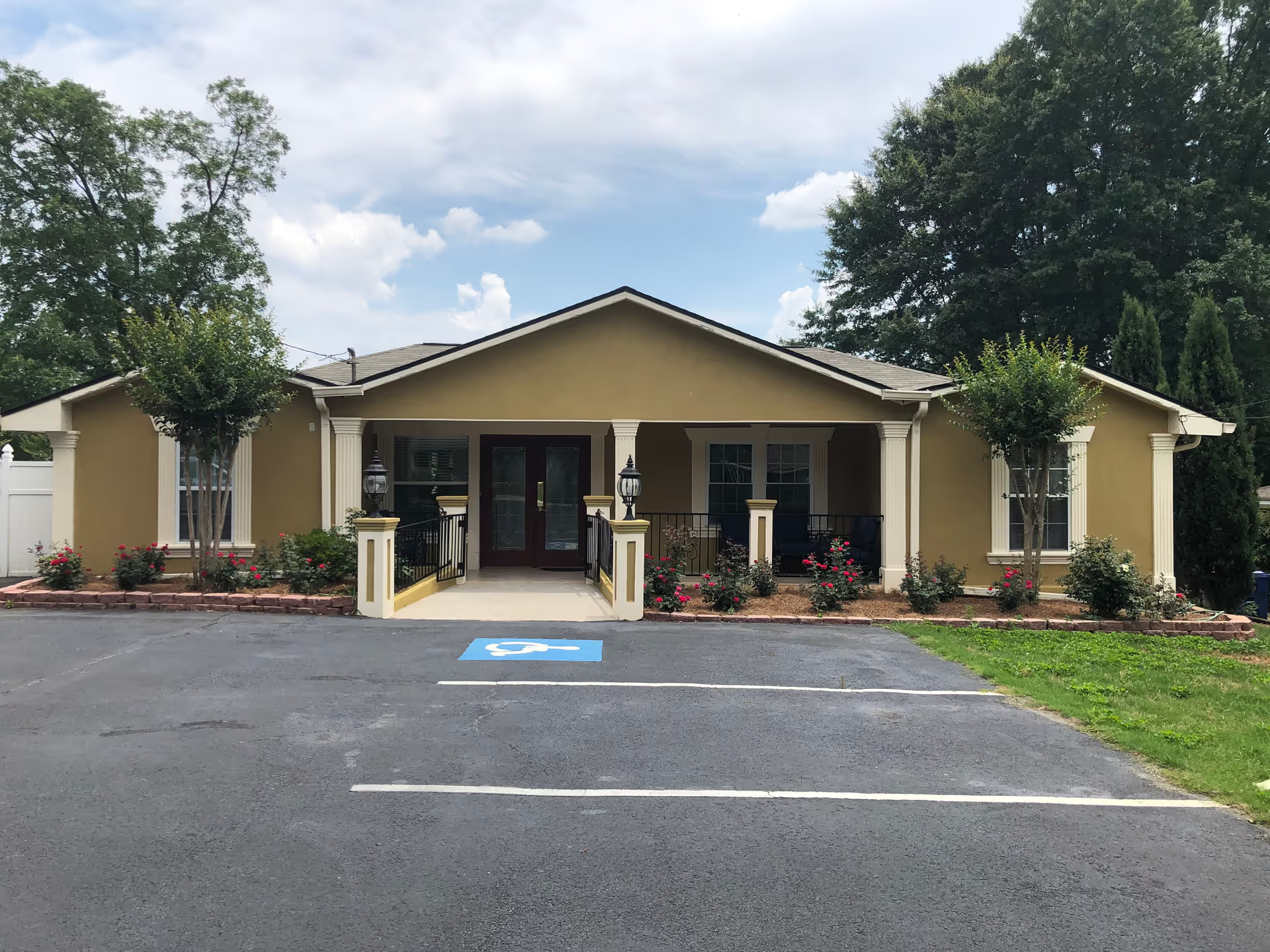
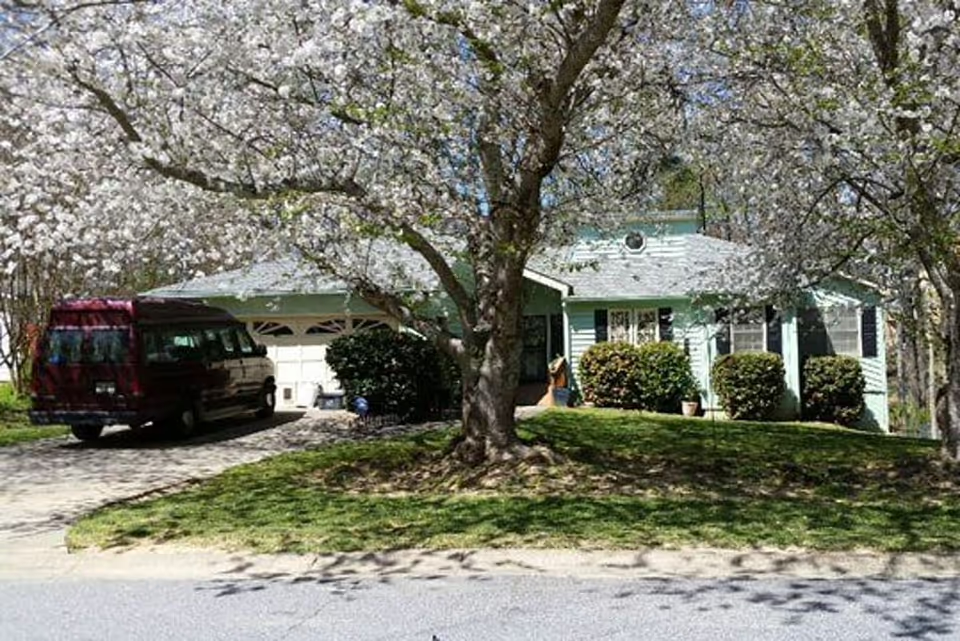
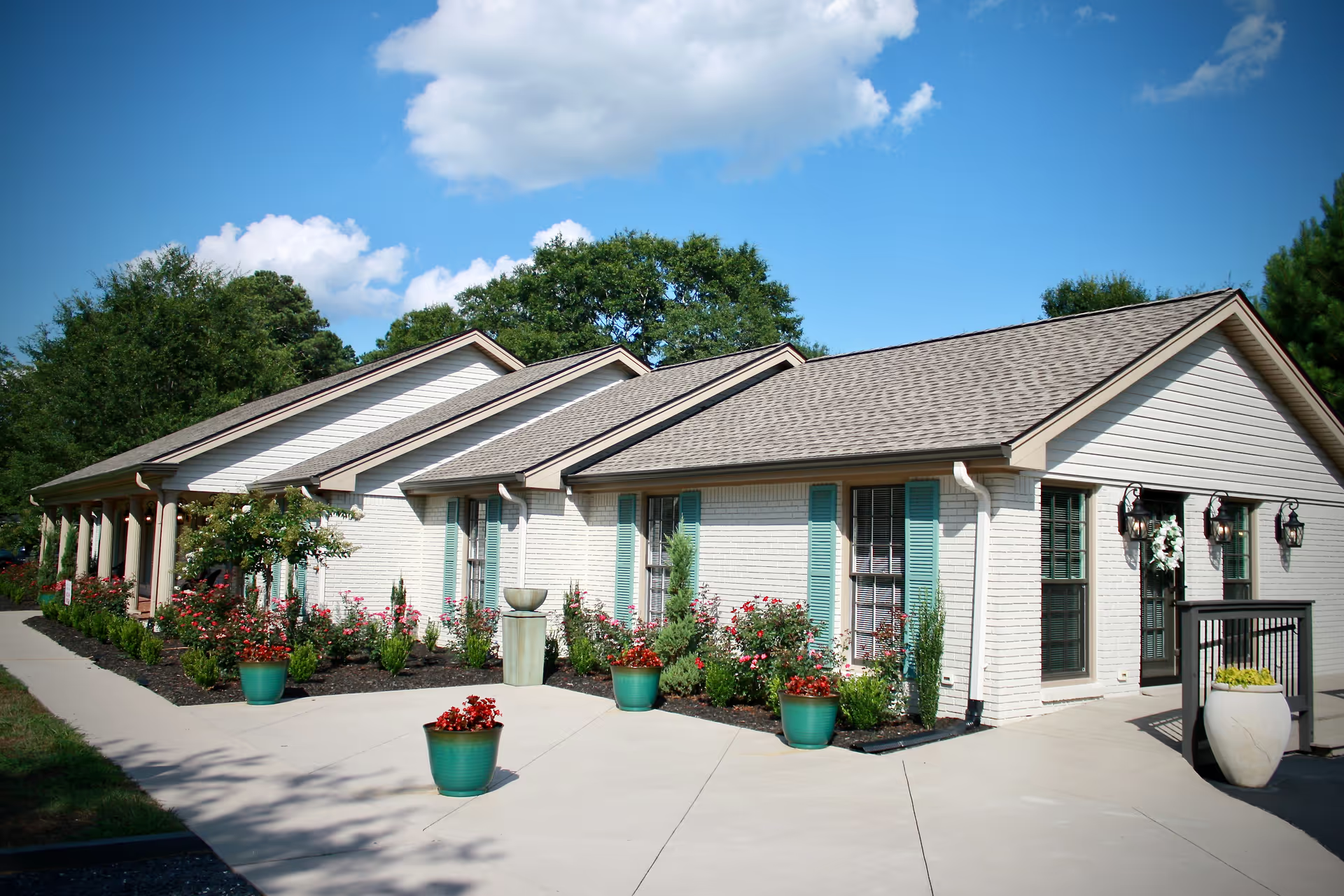
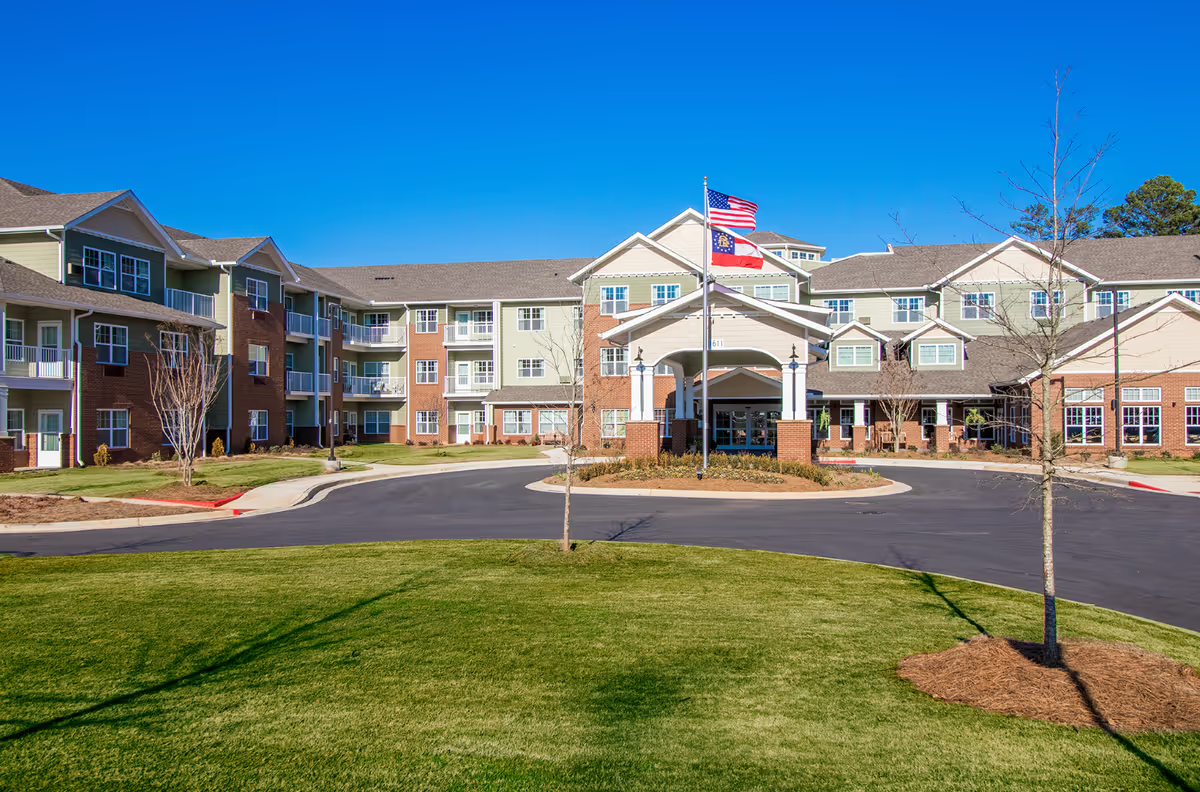
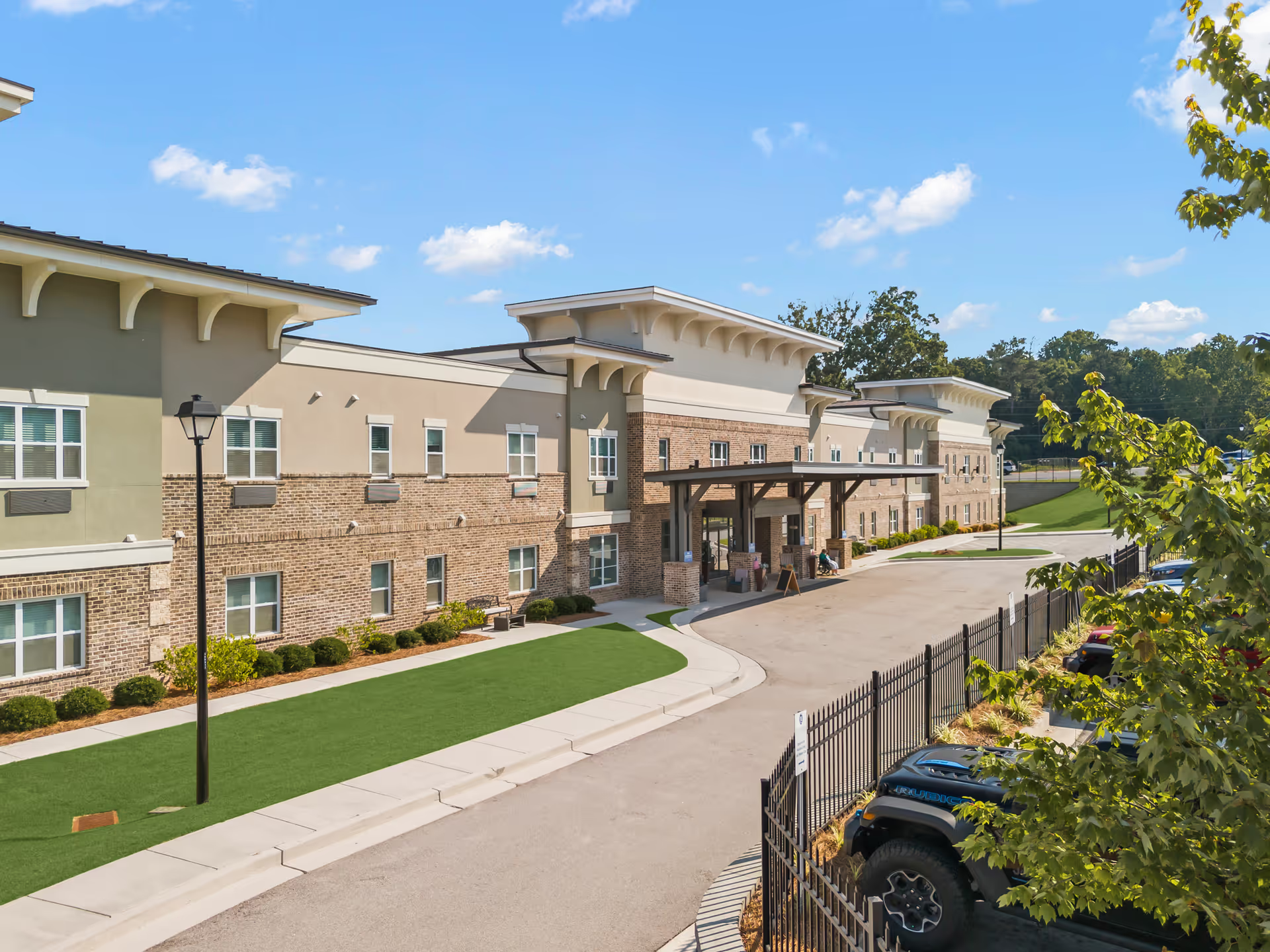
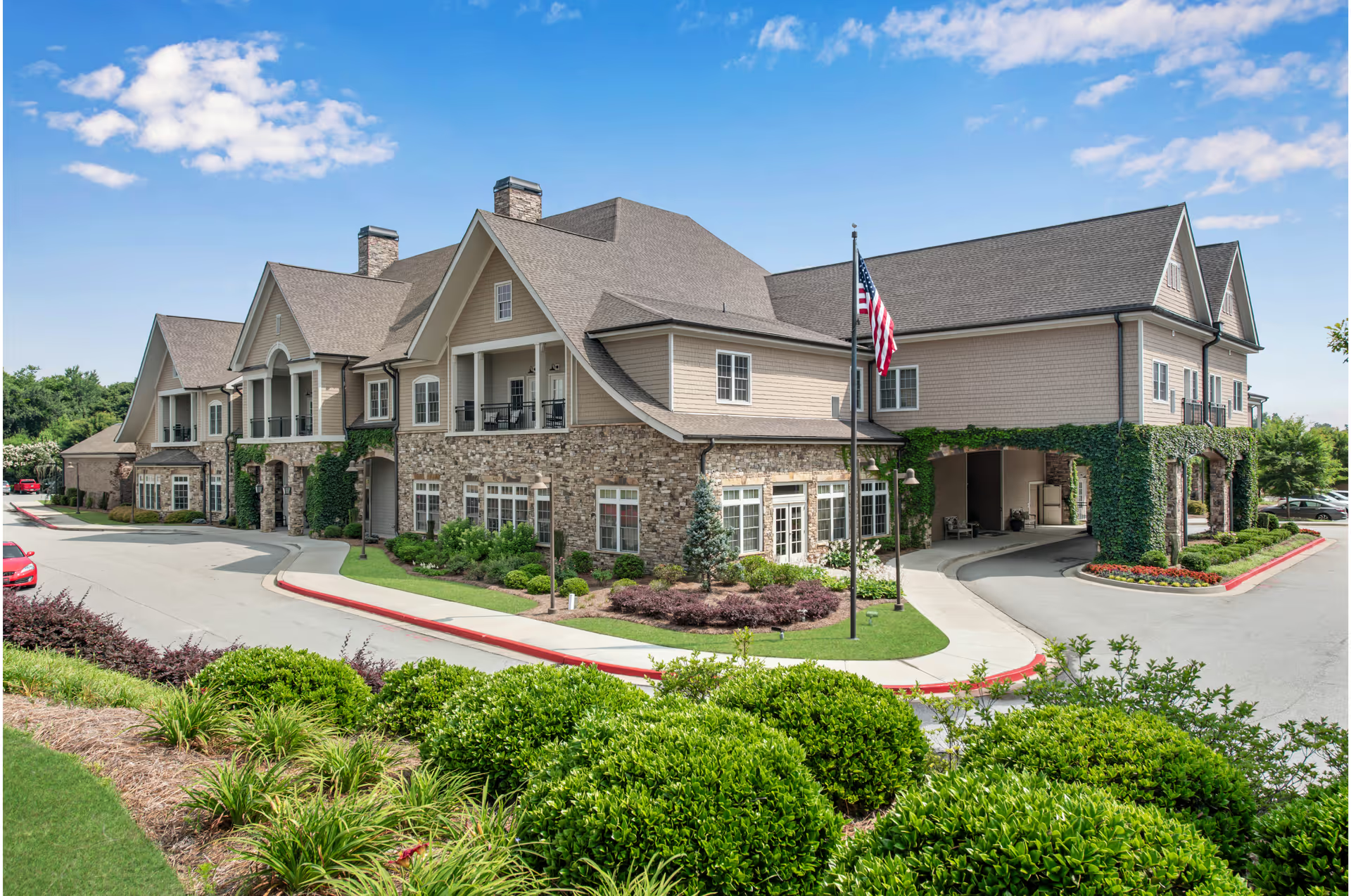
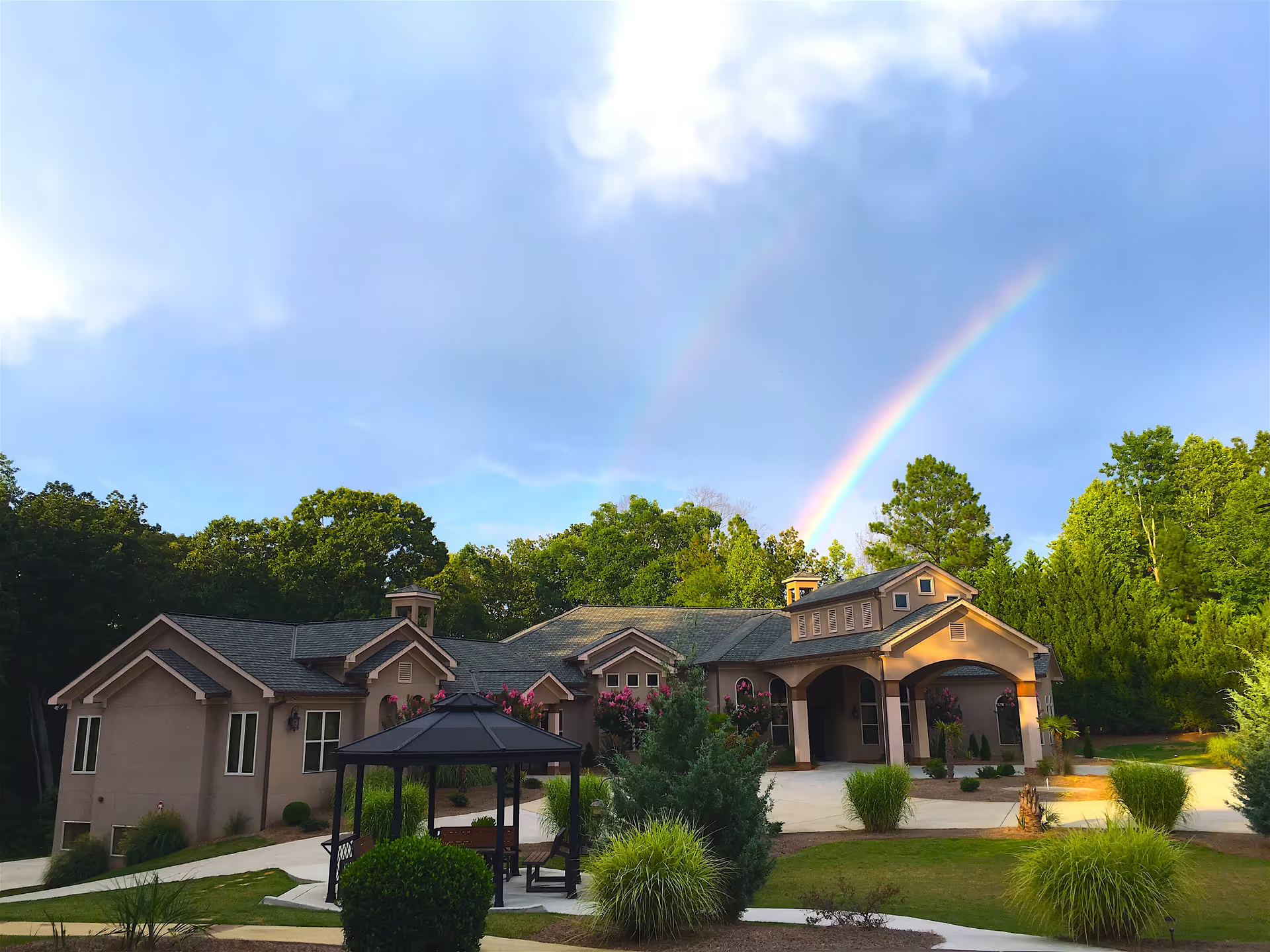
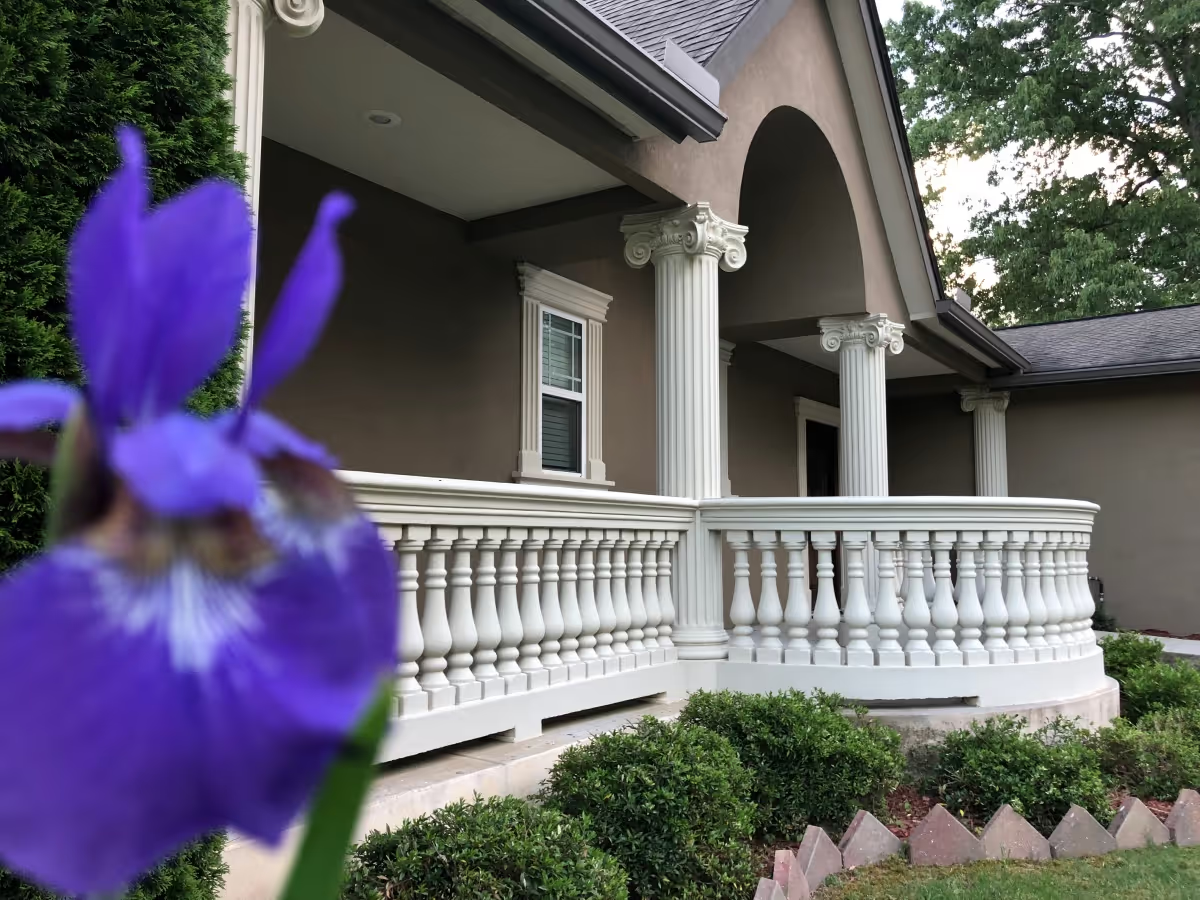
Hope Memory Care Center elicits a broadly mixed but clear pattern: many families praise its dementia specialization, comforting environment, and hands-on caregiving, while others identify operational weaknesses that materially affect care experience. The facility’s design and amenities—attractive furnishings, secure memory-care layouts, and spacious communal and dining areas—are repeatedly cited as strengths that support socialization and safety when staffing and programming align with residents’ needs. Several families also reported positive hospice coordination and instances where dining and bedside care helped restore appetite and comfort.
Clinical care and staffing are central themes with divergent experiences. Numerous accounts describe compassionate, knowledgeable caregivers experienced in Alzheimer’s and dementia behaviors who provide individualized attention and help residents settle after transitions. At the same time, reviewers raise consistent concerns about inconsistent staffing levels, high turnover, and limited licensed nursing coverage. Those operational shortcomings are linked to delayed medical responses, questions about medication and clinical oversight, and occasional reports of rapid decline or unmet medical needs. There are also noted language and communication barriers with some staff that families found impeded clear exchange of clinical information.
Dining and activities are similarly mixed. Many families complimented food quality, variety, and an improved dining experience that supported appetite; the community’s chef and some activity staff received positive mention. Conversely, a number of reviewers described activity offerings that felt limited or overly TV-centric for some residents, and some reported inconsistent meal-service practices (temperature control, to-go substitutions) that suggest variability in dining operations.
Facility upkeep and privacy considerations show polarized feedback. The building and rooms are often described as clean, well-kept, and thoughtfully furnished with memory-support elements such as memory boxes and windowed rooms. However, sanitation and odor concerns in certain areas, inconsistent housekeeping coverage, and room-size or private-bathroom limitations were also reported. Families raised privacy and monitoring-practice concerns related to camera use and visitation handling, indicating a need for clearer policies and communication around resident monitoring and family access.
Management and communication patterns stand out as an area for improvement. While many reviewers praised helpful, organized front-line staff and an involved executive/activities leadership, others encountered poor responsiveness, an automated phone system without readily available staff, incomplete move-in orientation, and surprise disclosures about required supplies or policies. These communication gaps compound operational issues when staffing is strained. A minority of accounts describe serious incidents or legal escalation; there are allegations of incident mishandling and concerns about fall-prevention and incident transparency that warrant close attention from prospective families and oversight bodies.
Overall, Hope Memory Care Center appears to deliver strong, specialized dementia care in many cases—with warm caregiving, a thoughtful physical environment, and effective hospice coordination—but the experience can vary considerably depending on staffing consistency, nursing coverage, and management responsiveness. Prospective residents and families should assess current staffing ratios, nurse availability, activity programming suited to individual needs, room layouts and bathroom options, privacy/monitoring policies, and communication processes before making a placement decision. Regular follow-up and clear expectations about clinical escalation and housekeeping standards will help align outcomes with family expectations.