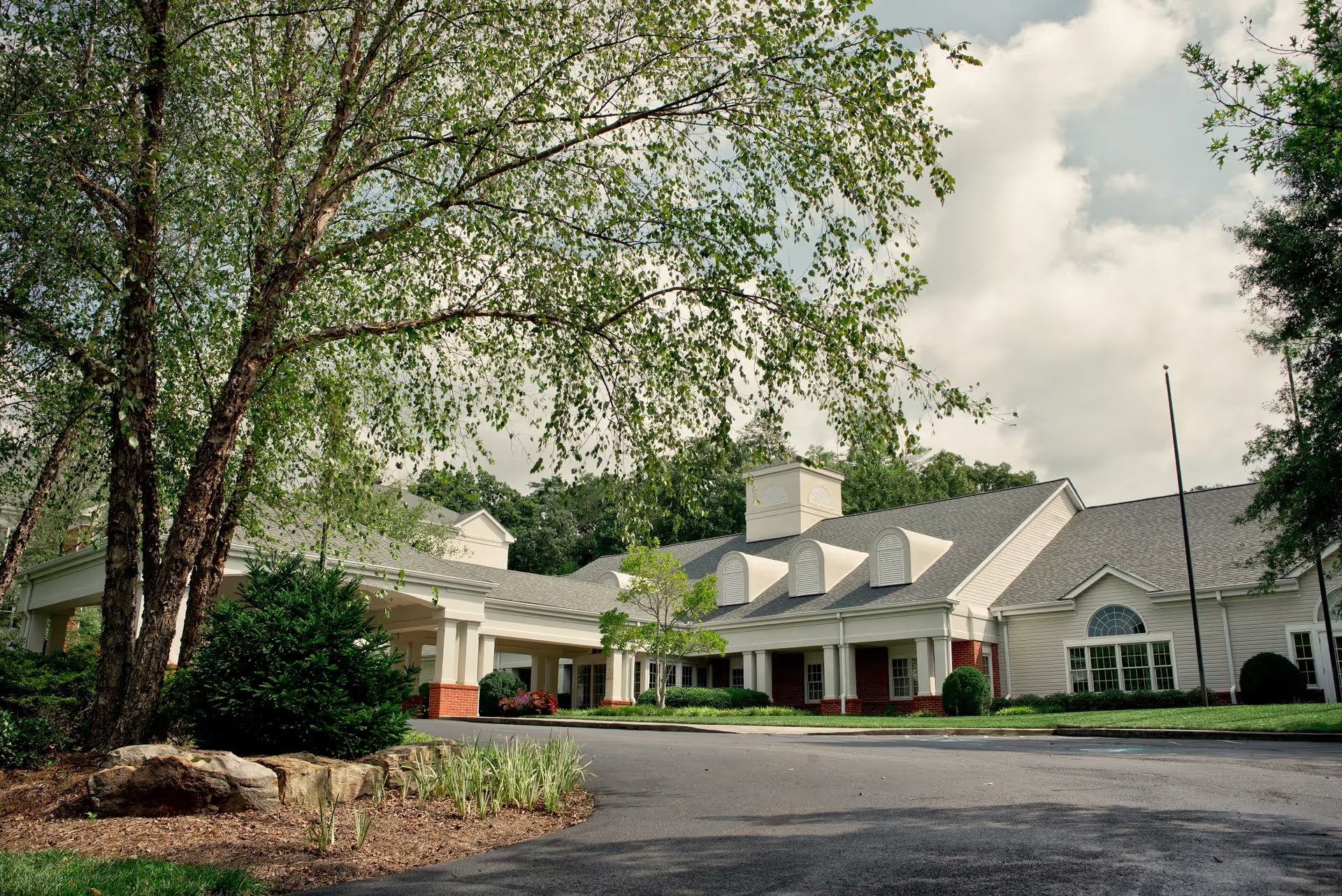
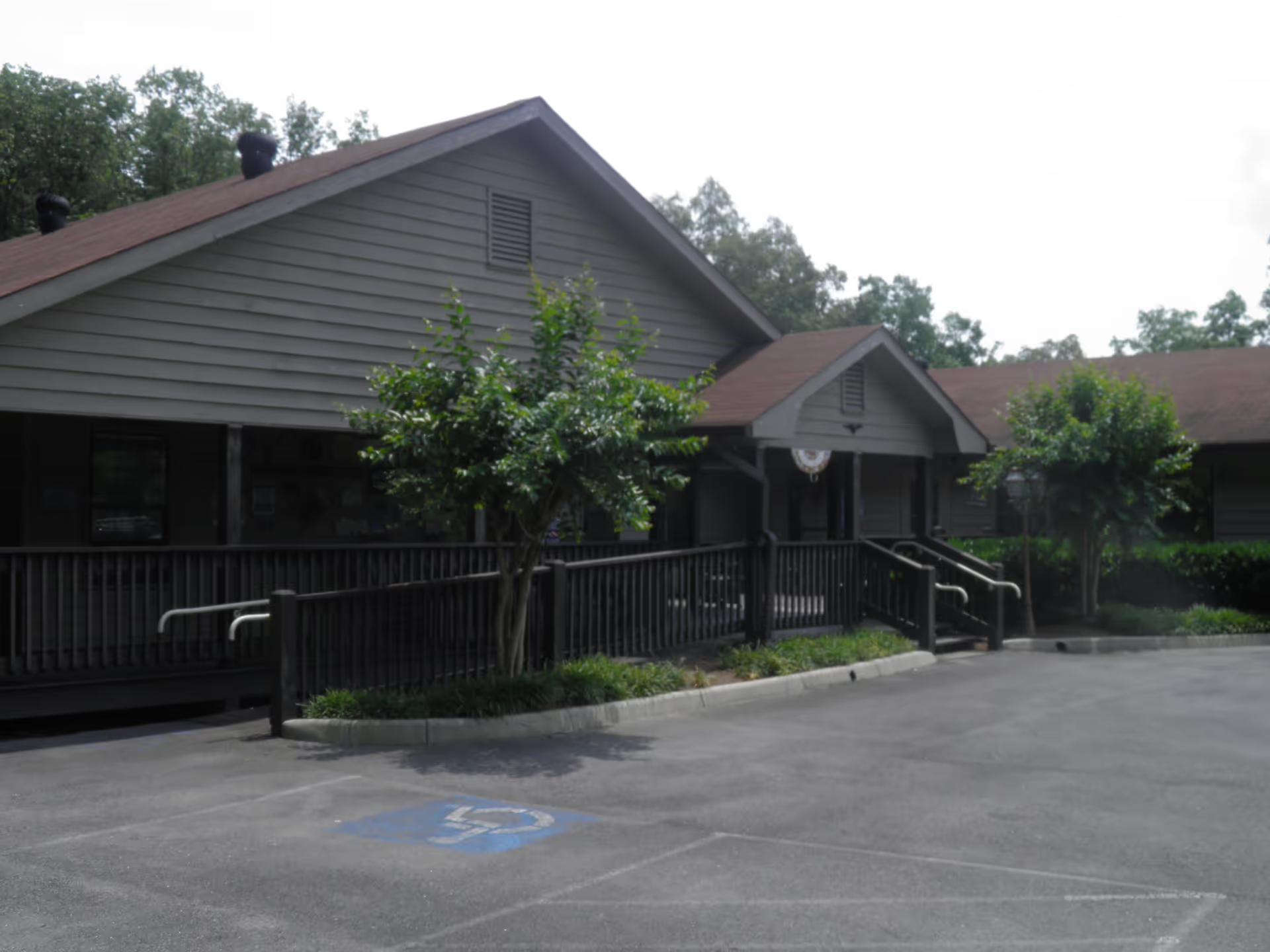
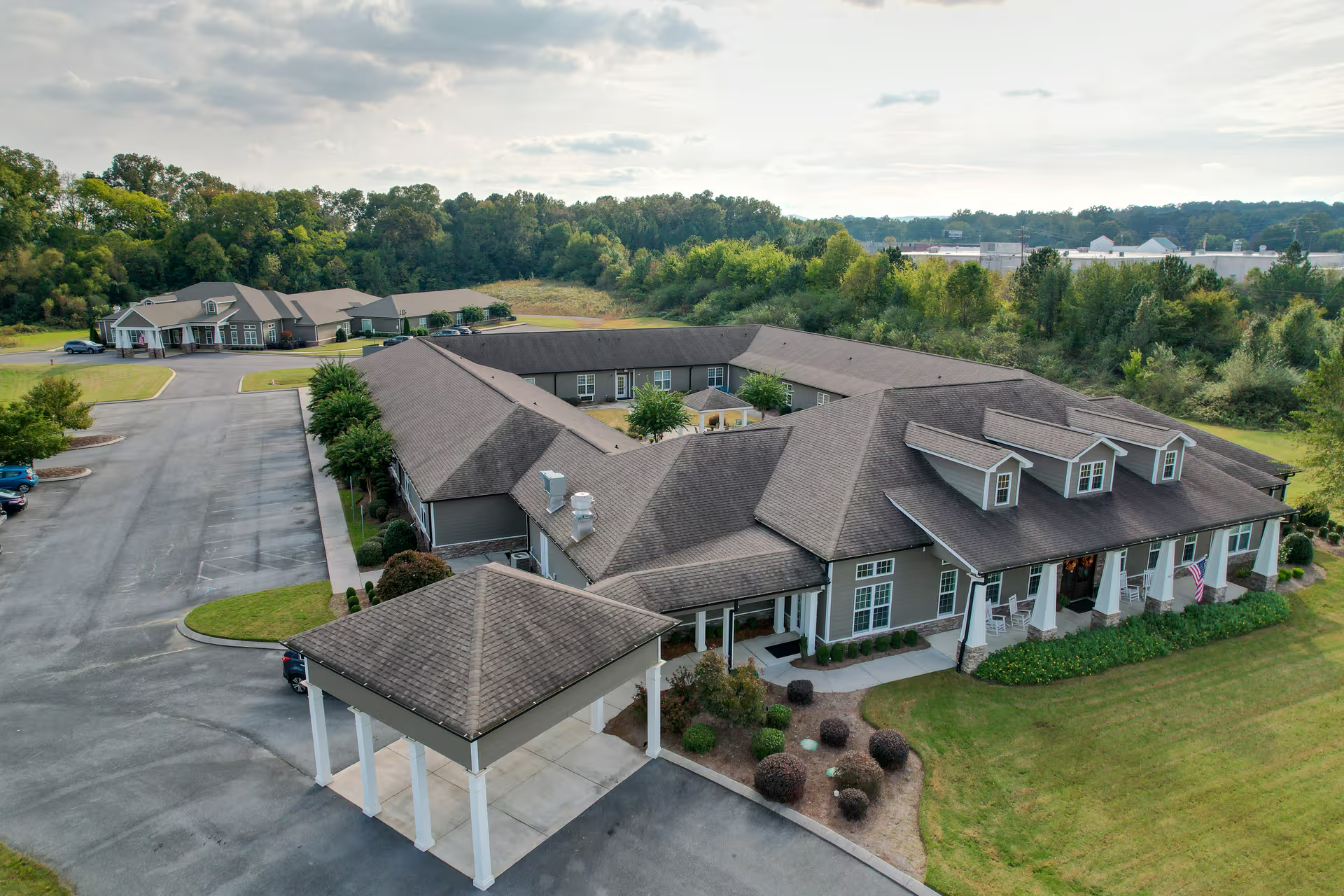
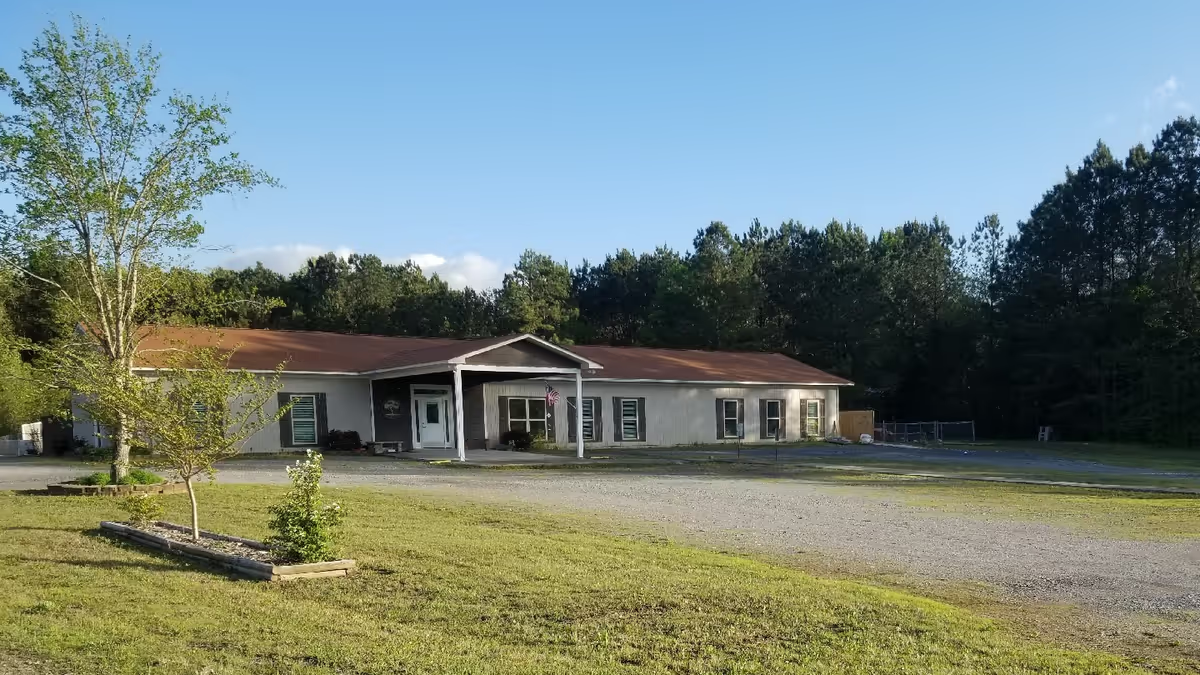
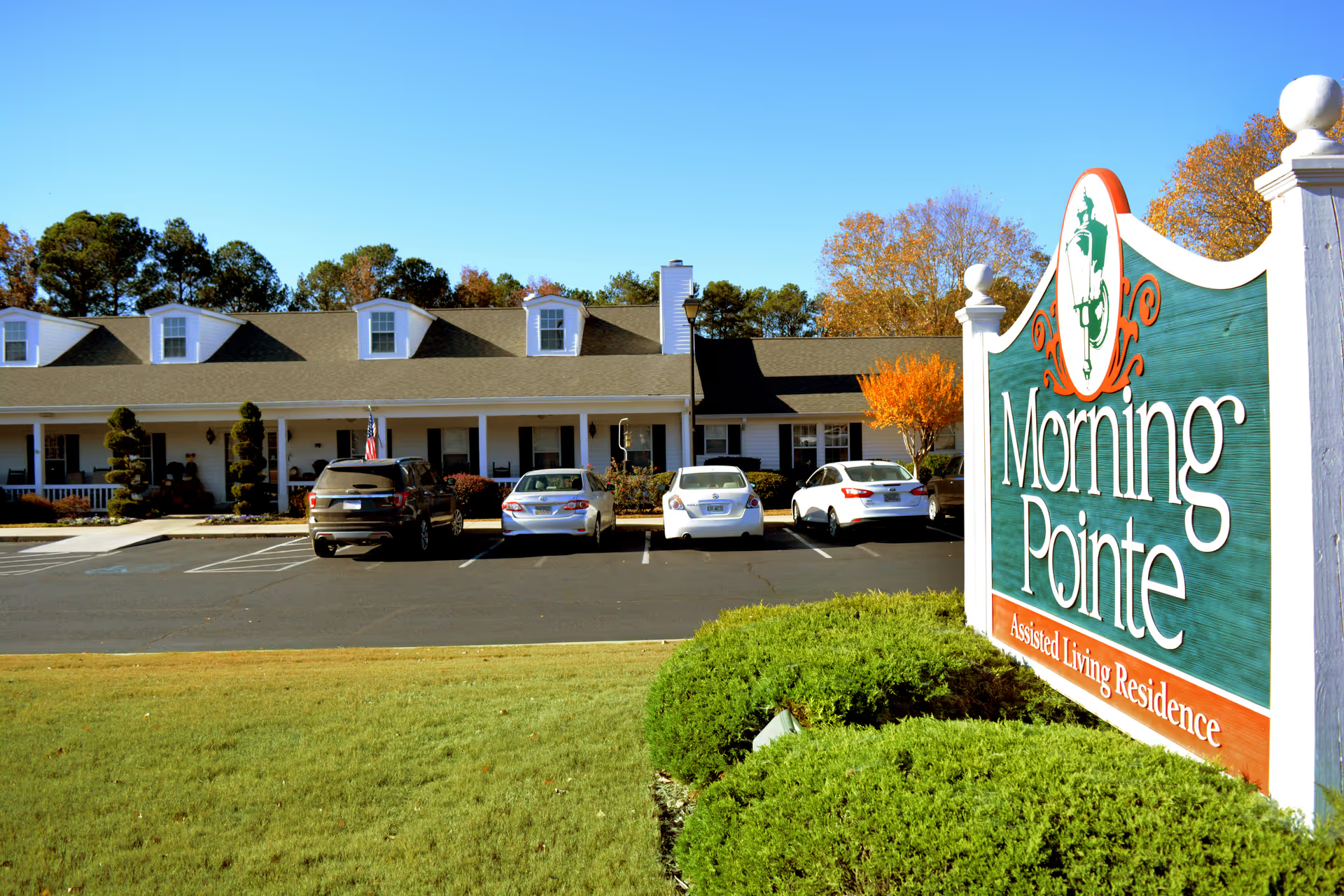
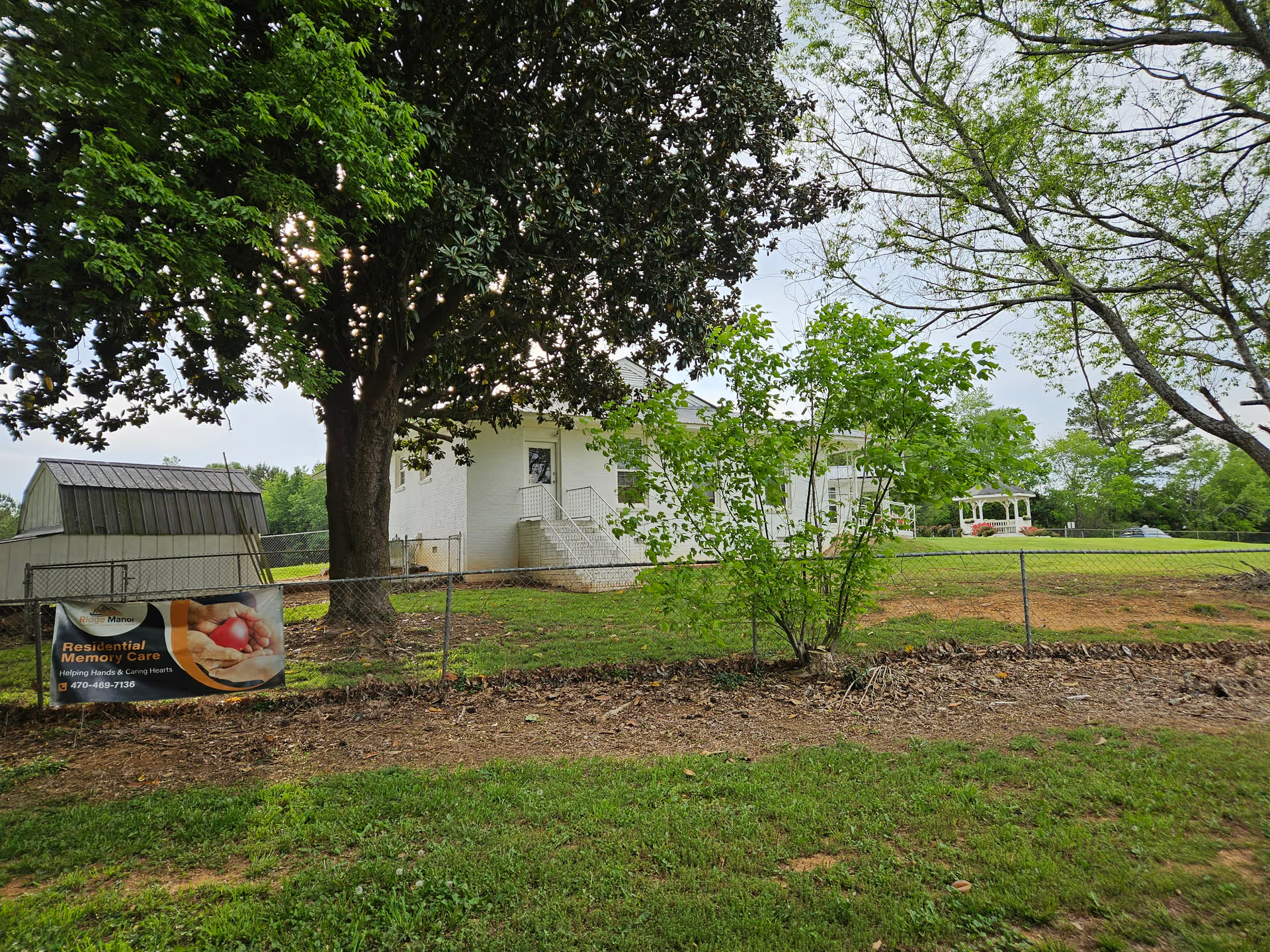
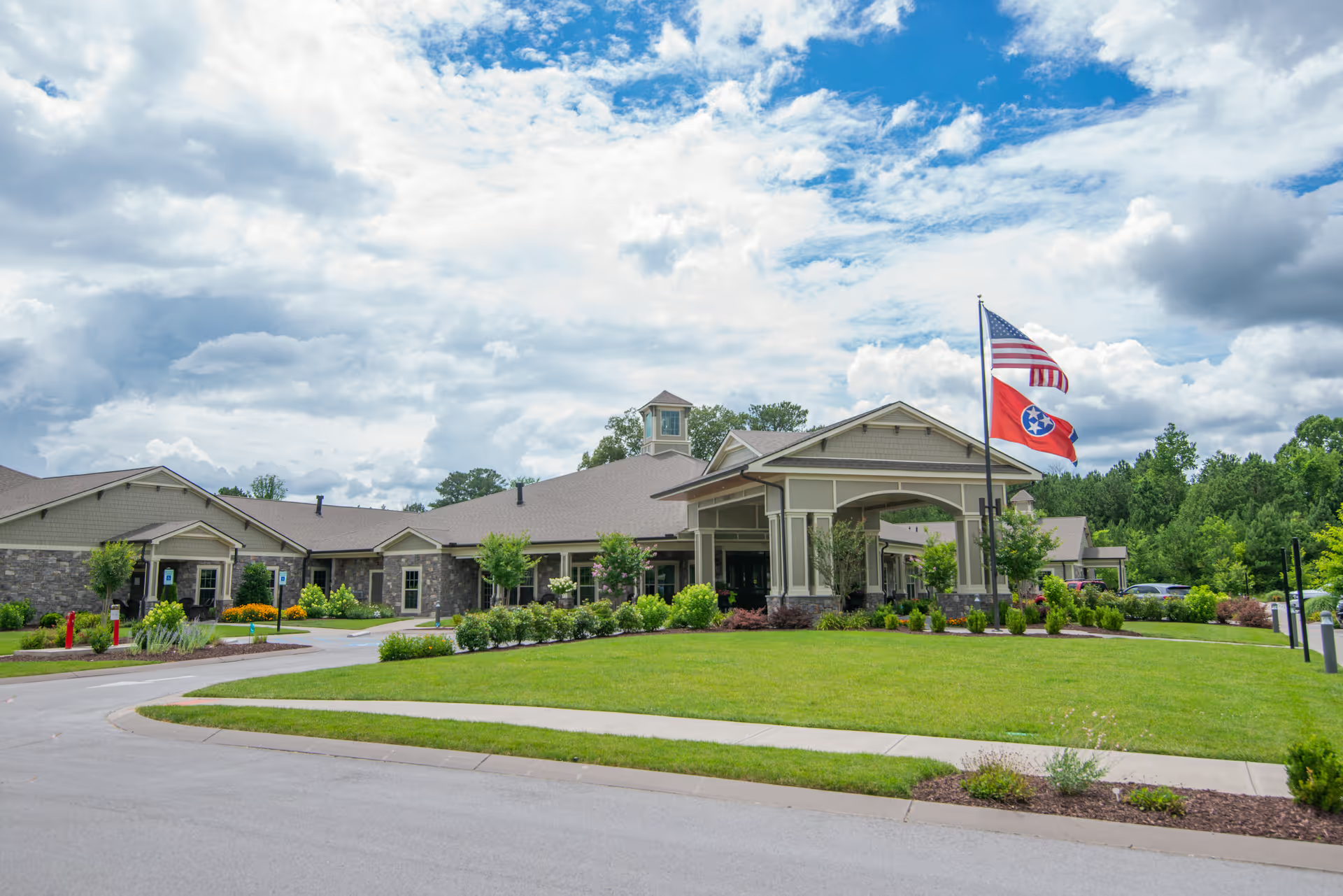
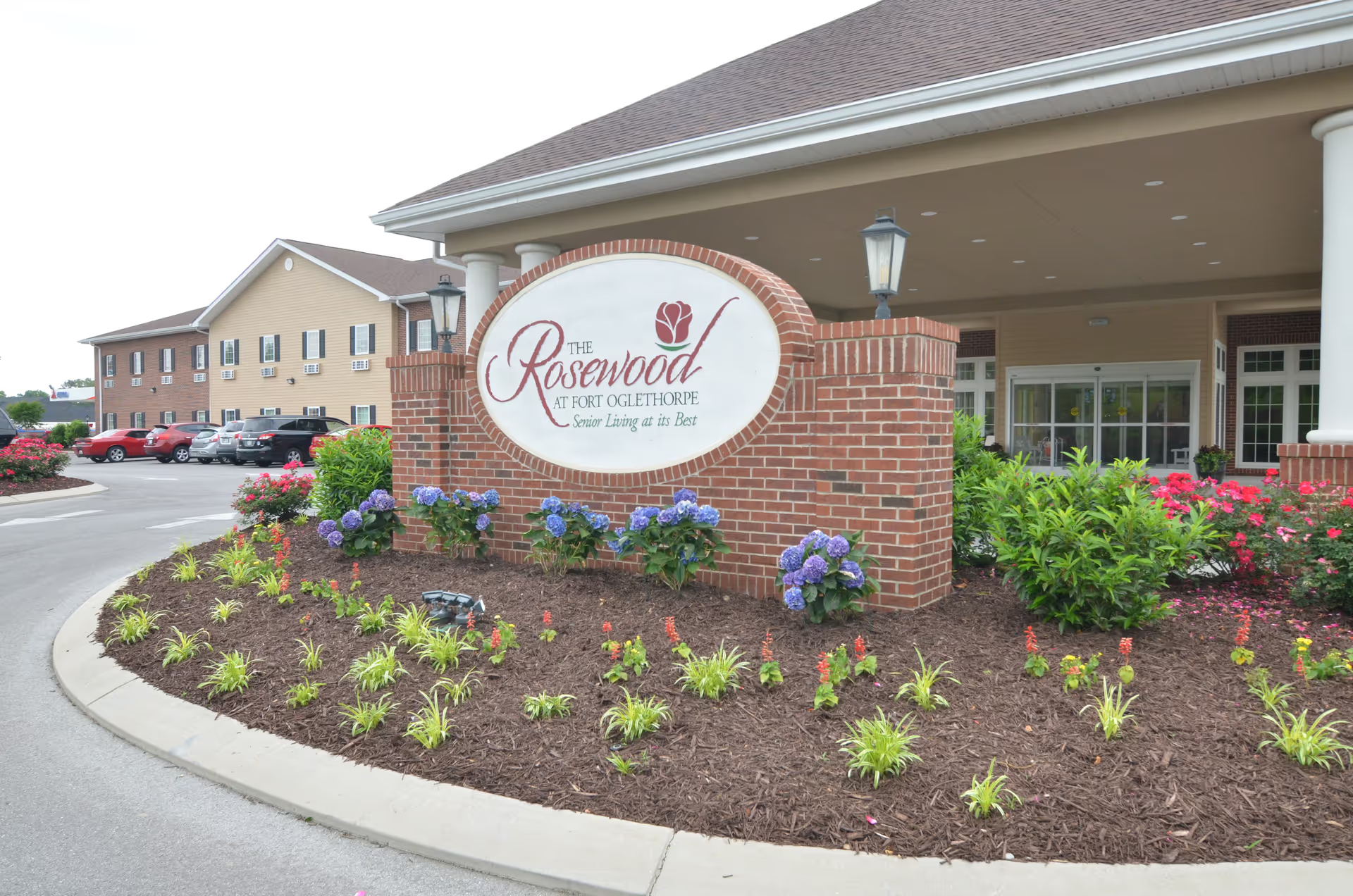
Reviewer feedback for this assisted-living community is strongly polarized but shows clear patterns. Strengths most consistently described relate to the caregiving culture: staff are characterized as compassionate, respectful and willing to provide personalized attention. Many families emphasize a stable, long-tenured team and hands-on leadership that contributes to a welcoming, home-like environment. The facility's small size and accessible management are often cited as enabling close staff–resident relationships and rapid administrative assistance during moves and transitions.
Dining and programming are also frequent positives. The dining service is commonly described as appealing and varied, and reviewers note regular meal-support such as on-site nurses, salon services, and laundry. The activities calendar is a notable asset: an engaged activities director, frequent outings (including scenic bus rides), daily entertainment, devotionals, exercise classes and family-inclusive events contribute to resident engagement and social connection. Outdoor amenities and well-maintained landscaping receive repeated praise and are viewed as enhancing quality of life.
At the same time, reviewers identify several operational weaknesses that prospective families should evaluate. Clinical and safety-related concerns appear in multiple comments: inconsistent medication administration controls, episodic gaps in supervision for residents with cognitive impairment, and a limited capacity to meet higher-acuity clinical needs. Staffing levels — particularly on weekends — and staff allocation are highlighted as constraints that can affect responsiveness. There are also recurring notes about sanitation and laundry processes, occasional odor concerns in common areas, and maintenance or renovation activity that can be disruptive.
Management and communication present a mixed picture. Some reviewers credit recent leadership changes with marked improvement and praise individual directors and nurses by name for proactive care; others report inconsistent management experiences or difficulty reaching corporate contacts. The facility is generally described as offering good value and a family-like atmosphere, but families needing advanced dementia care or tightly controlled clinical oversight should confirm current staffing, medication protocols, and supervision practices during an in-person visit. Overall, the community’s strengths are its caregiving culture, activities and dining; its principal areas for verification are clinical processes, staffing consistency, and environmental/housekeeping controls.