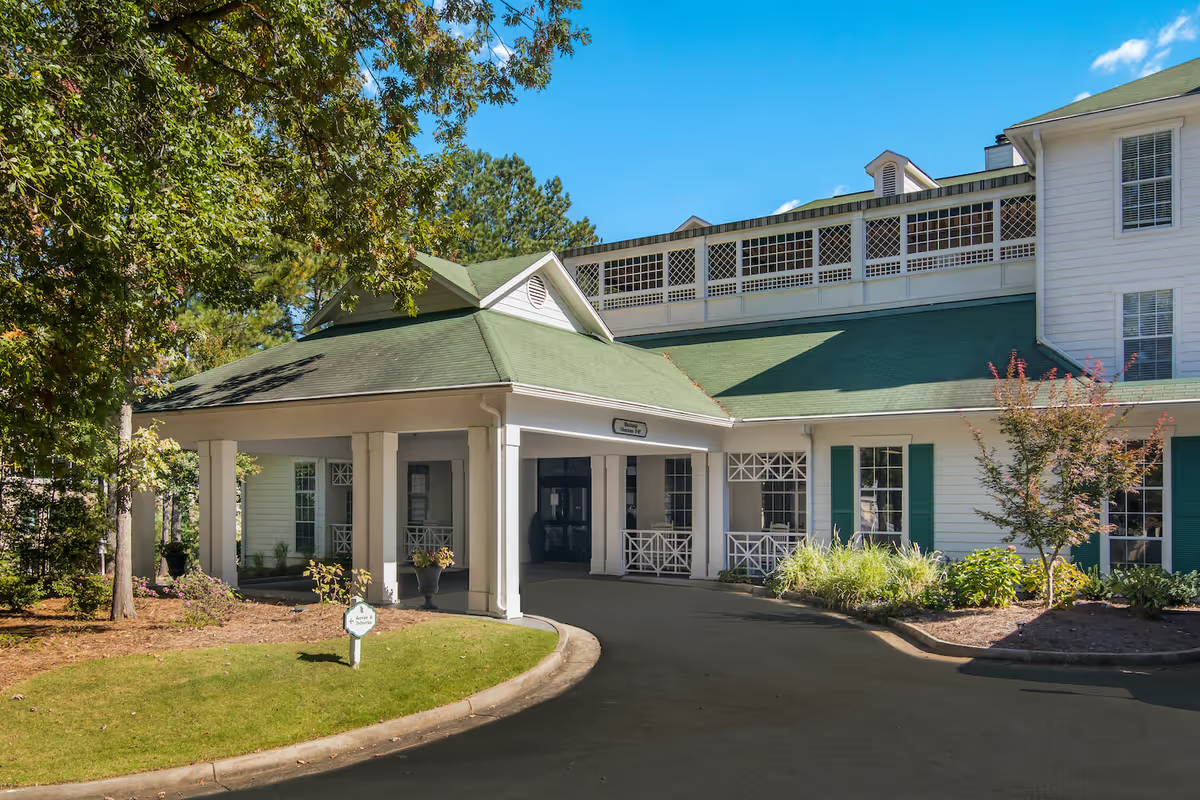
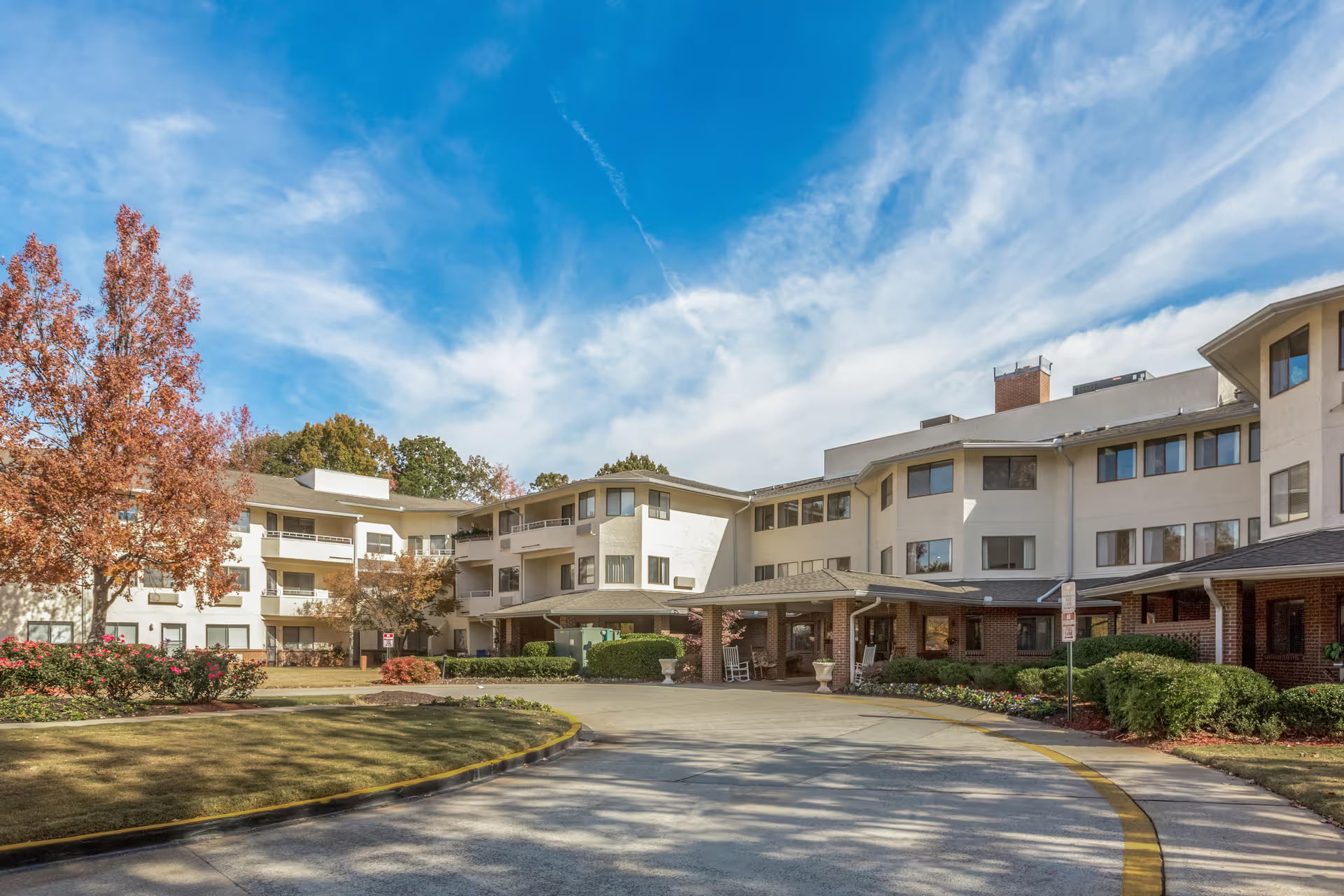
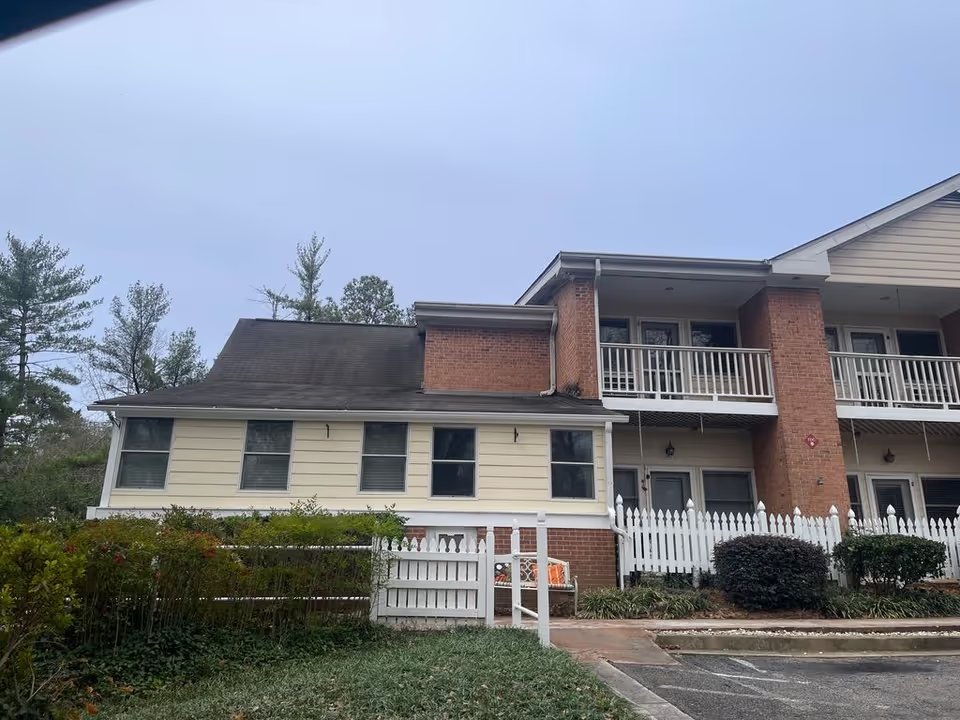
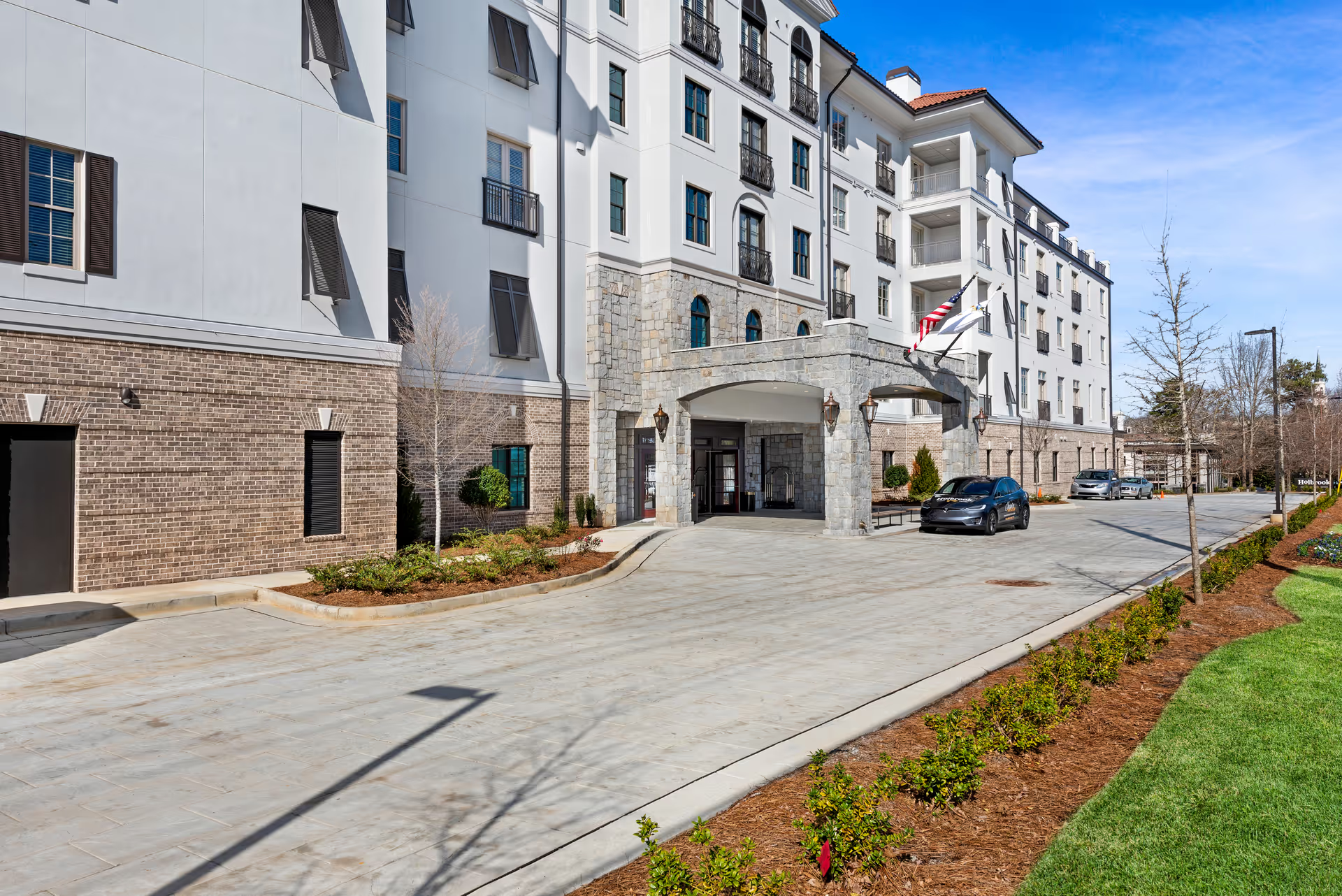
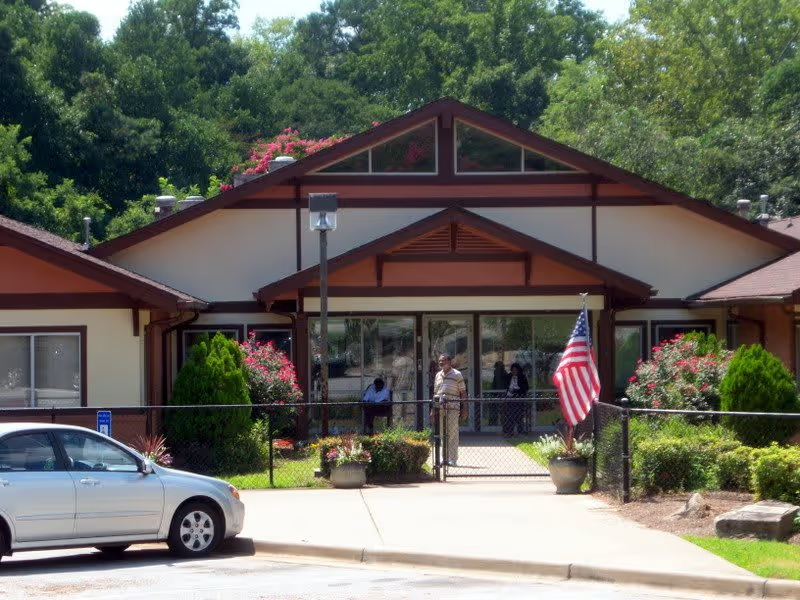
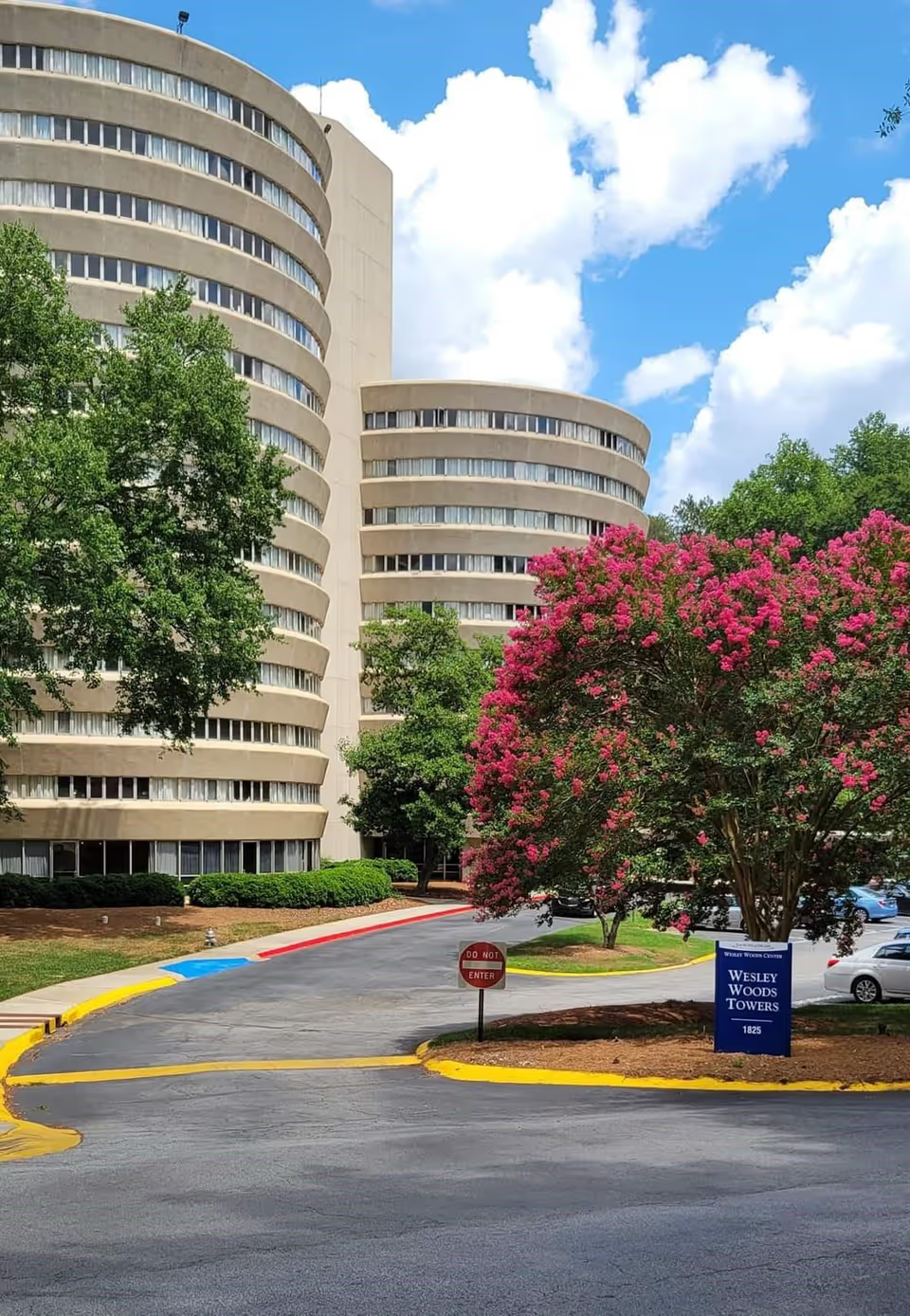
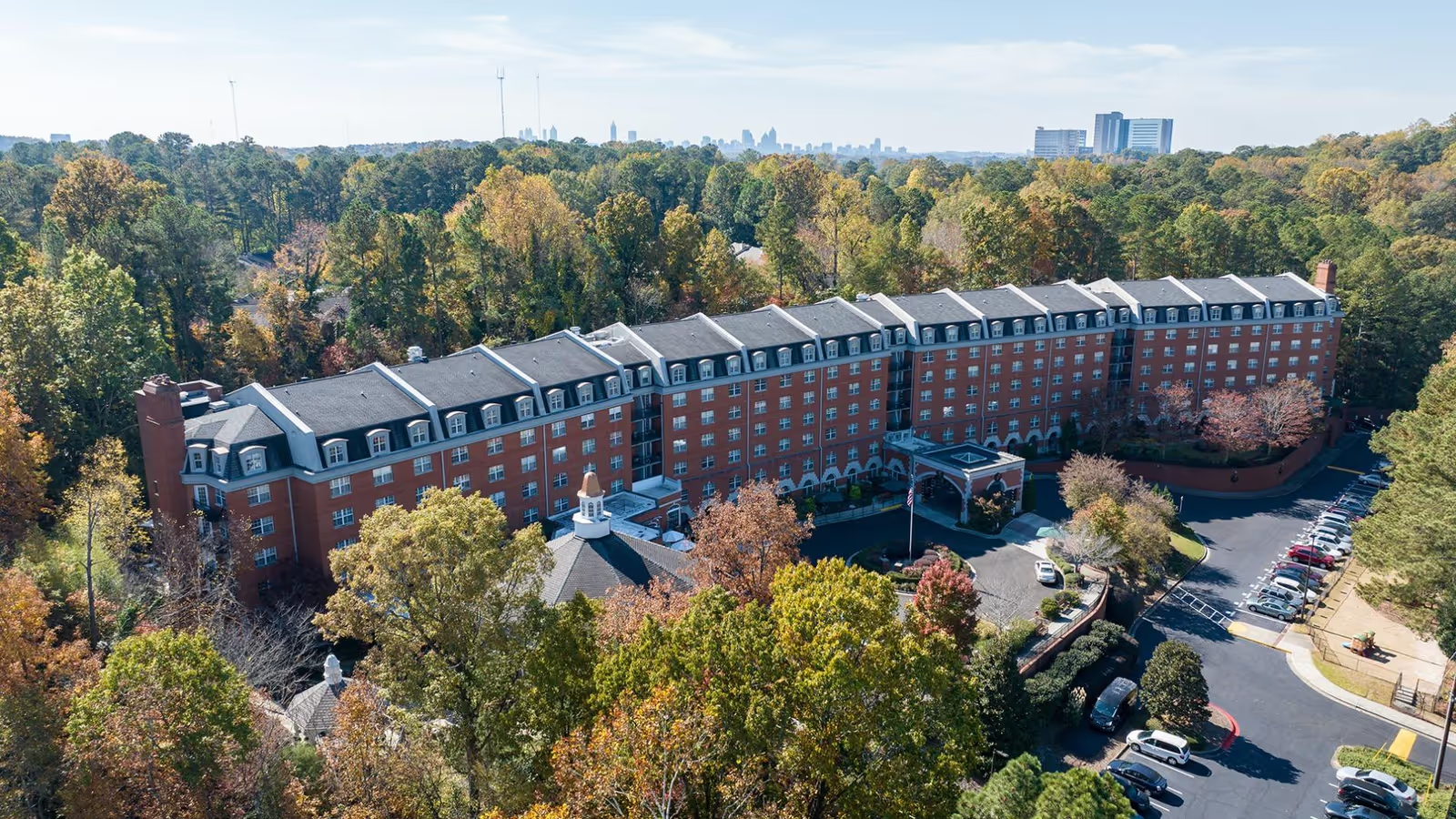
The Waterford at Decatur presents a mixed but clear profile: it is a facility with an established memory-care focus and a number of operational strengths, alongside recurring operational weaknesses that prospective families should evaluate closely. Many accounts highlight a warm, home‑like environment, purposeful dementia programming, and staff who provide individualized care plans and meaningful activities. The property is frequently described as well designed and maintained, with a neighborhood-style layout, secured courtyard, walking trails, garden areas, and a variety of communal spaces that support social engagement.
Care quality is characterized by two competing patterns. Positive observations emphasize individualized care plans, knowledgeable caregivers, and a memory-care approach tailored to residents’ cognitive needs. Families cite improved engagement, wellattended activity schedules, and staff who prioritize emotional comfort. Conversely, there are recurring reports of inconsistent clinical processes: medication-administration gaps, uneven personal-care assistance, and shortcomings in fall-prevention practices. These operational gaps appear linked to variable staffing levels, episodic nurse turnover, and periods of caregiver burnout, which reviewers associate with delayed responses and uneven care delivery.
Staffing and management are prominent themes. Many reviewers praise individual staff members and leaders (including admissions and activity personnel) for professionalism, compassion, and effective communication. At the same time, other accounts describe management instability, leadership turnover, and communication breakdowns with families. There are also concerns about staff conduct and professionalism in isolated but serious-sounding accounts; alongside these, several families described improvements under new management or heads of nursing. Prospective families should ask about current staffing ratios, nurse turnover, and recent leadership changes when evaluating the community.
Dining and activities are generally reported as strengths. The dining program receives favorable comments for variety, accommodating special diets, and family-meal events. Activity programming is consistently noted as robust and dementia‑appropriate, with memory games, agility exercises, holiday dinners, and outdoor activities that support engagement. A minority of reviewers felt activity levels were insufficient for less-impaired residents; this suggests program uptake may vary by wing or by staffing on any given day.
Facilities and housekeeping show both positive and negative signals. The community’s design, renovated spaces, and garden areas are widely praised for creating a residential atmosphere rather than an institutional feel. Room configurations, en‑suite options, and neighborhood planning are strengths for memory care. However, there are intermittent sanitation and housekeeping lapses, odor concerns in some areas, and pest-control issues noted for specific units. Some rooms are described as compact and the availability of private in-room showers may be limited; construction and renovation activity have been ongoing in places, which could affect short-term experience.
Cost and admissions considerations include a private‑pay model with community fees, and several families mentioned pricing and financial flexibility as factors. There are also mixed reports about visitor policies during infection-control events; some families appreciated clear remote communication during COVID restrictions while others found visitation rules restrictive.
Overall, The Waterford at Decatur offers many attributes valuable to families seeking memory-care services: purposeful programming, a restorative physical environment, and staff members who can be highly attentive and compassionate. At the same time, consistent concerns about staffing levels, clinical process reliability, housekeeping consistency, and management stability surface often enough to warrant careful due diligence. Recommended next steps for interested families: schedule multiple tours at different times of day, request current staffing and turnover metrics, review incident-response protocols (falls, medication errors), ask about housekeeping and pest-control schedules, and obtain written details on fees and admission criteria to confirm fit for the prospective resident.