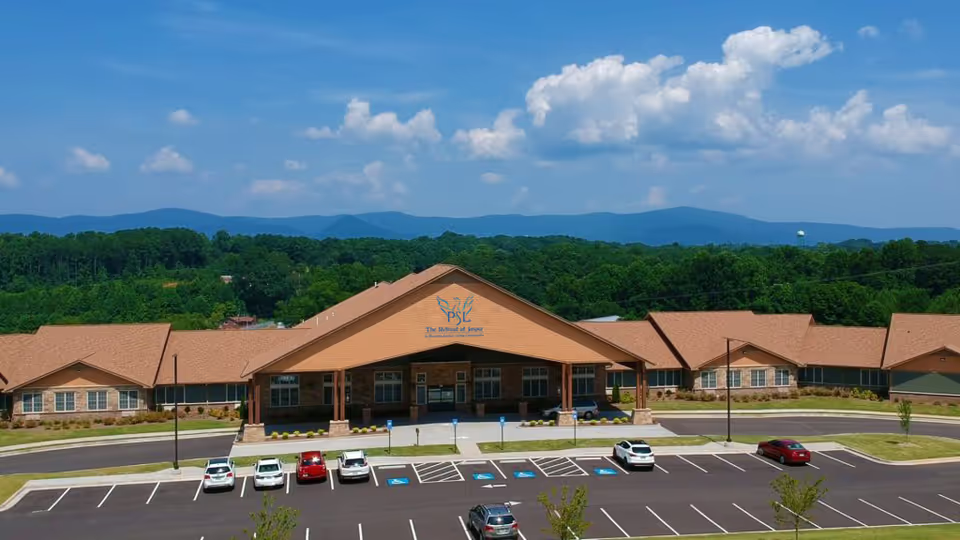
Overall impression: Oaks at Ellijay is consistently described as a well‑kept, community‑oriented assisted living facility with a strong emphasis on compassionate, hands‑on caregiving. Reviewers frequently highlight the facility’s cleanliness, attractive grounds, and hotel‑style amenities such as a movie theater, salon, and garden areas. Families often cite the admissions and front‑desk teams for responsive coordination and move‑in support, and long‑term residents are frequently characterized as settled and socially engaged.
Care and staff: The predominant theme across feedback is positive staff behavior—kindness, patience, and individualized attention are repeatedly emphasized. Several families described proactive transition support, text updates on resident status, and staff who go beyond expectations to assist residents and families. At the same time, there are recurring operational concerns: reviewers describe inconsistent staffing coverage (notably on weekends and after hours), occasional gaps in clinical competency, and specific worries about medication‑management practices. These issues are framed as variability in performance rather than uniform failure, but they are important operational traits to investigate when evaluating placement.
Dining: Dining quality is a mixed‑but-leaning‑positive area. Many reviewers praise the dining program, noting varied menus, customizable meals, and named kitchen staff who receive high marks. Special meals and holiday dinners are often well received. However, reviewers also report variability in food quality tied to kitchen staff turnover, and a subset of residents desire more familiar comfort‑food options. Prospective residents should inquire about current culinary staffing and menu flexibility if dining is a high priority.
Activities and social life: Activity programming is a clear strength. The community offers a broad calendar—crafts, card games, weekly movies, outings with transportation, gardening, pet therapy, church services, and regular holiday events—that supports social interaction and resident engagement. Several comments describe improved resident mood and friendship formation after moving to units closer to activity and dining spaces, which underscores how programming and unit location interact to influence social outcomes.
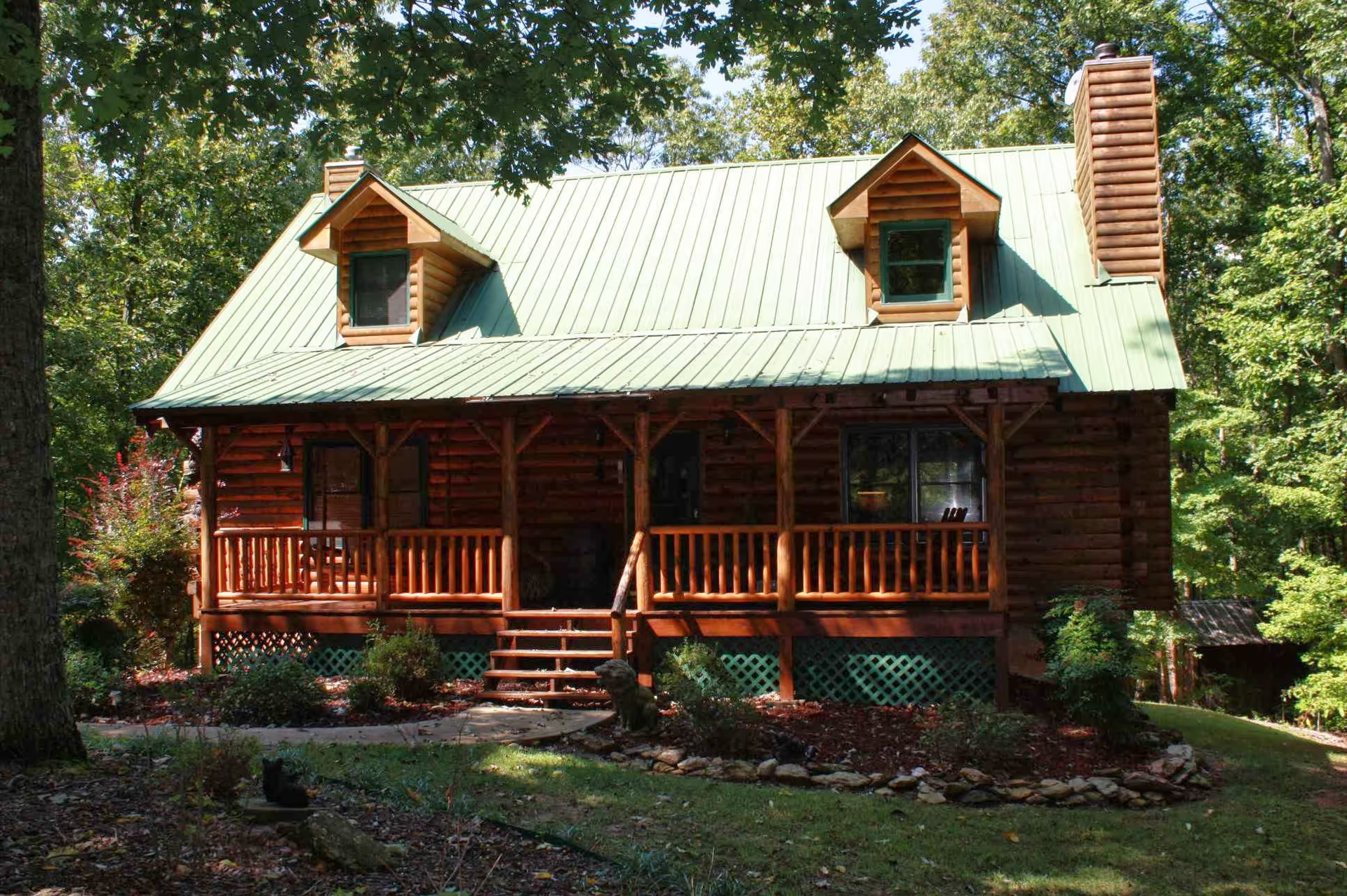
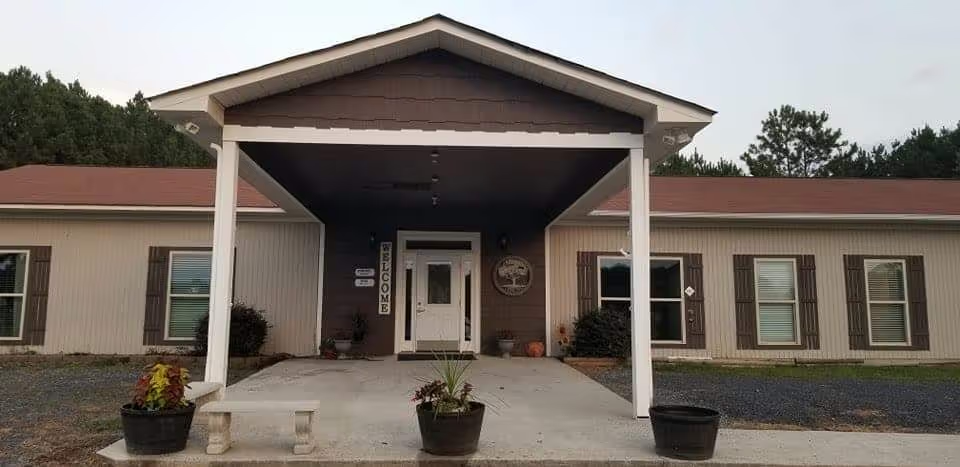
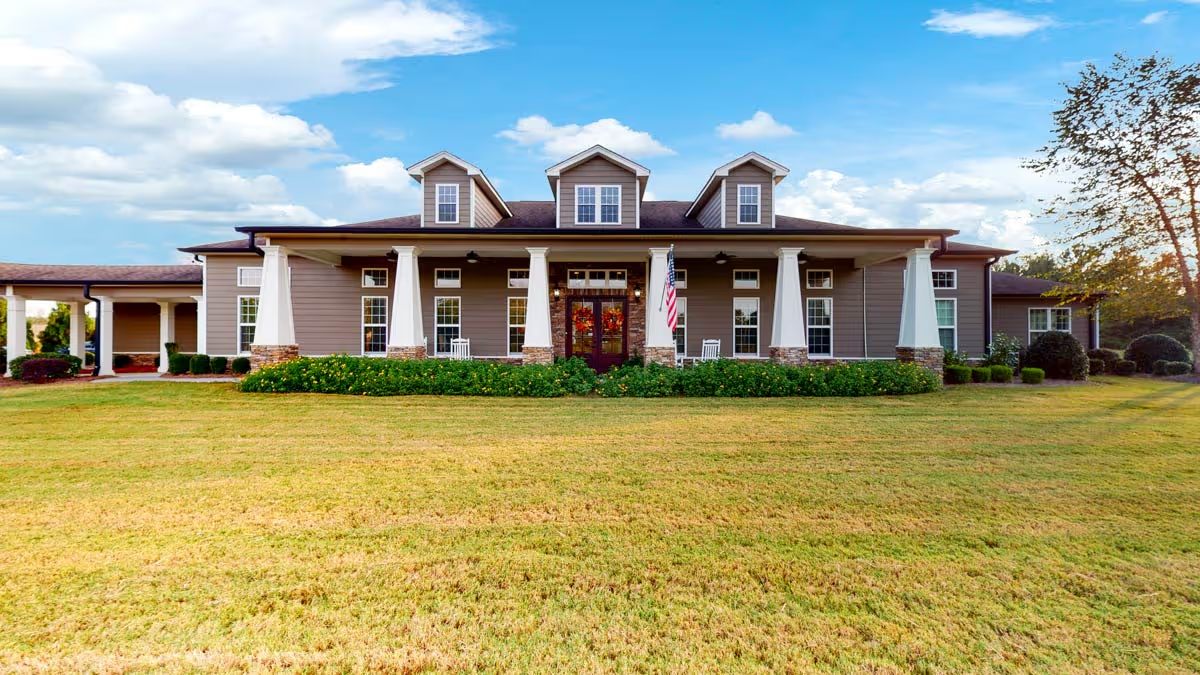
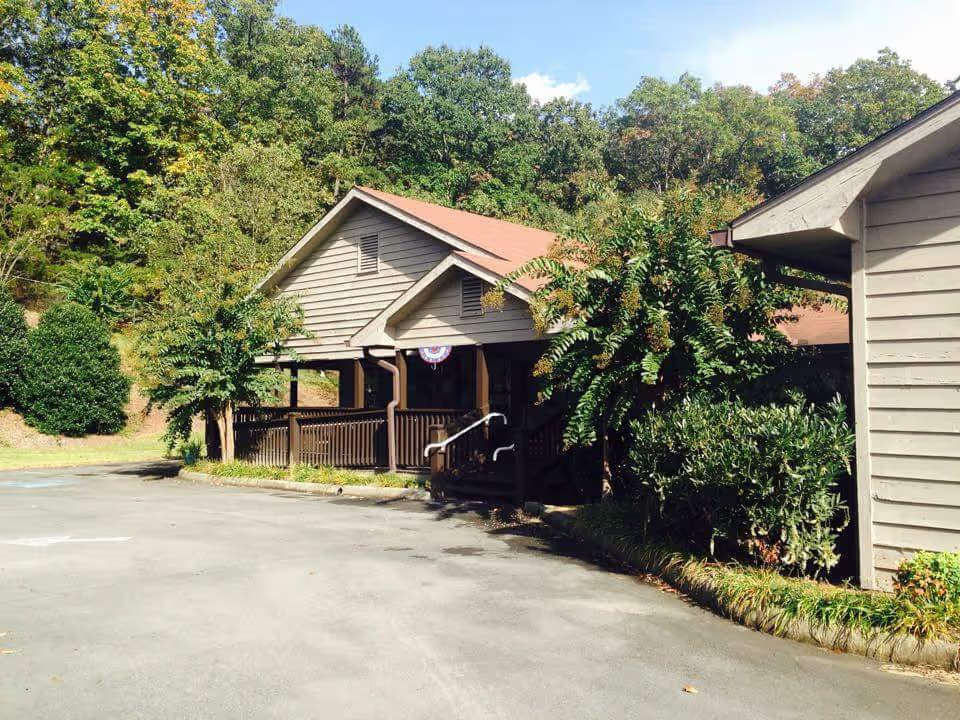
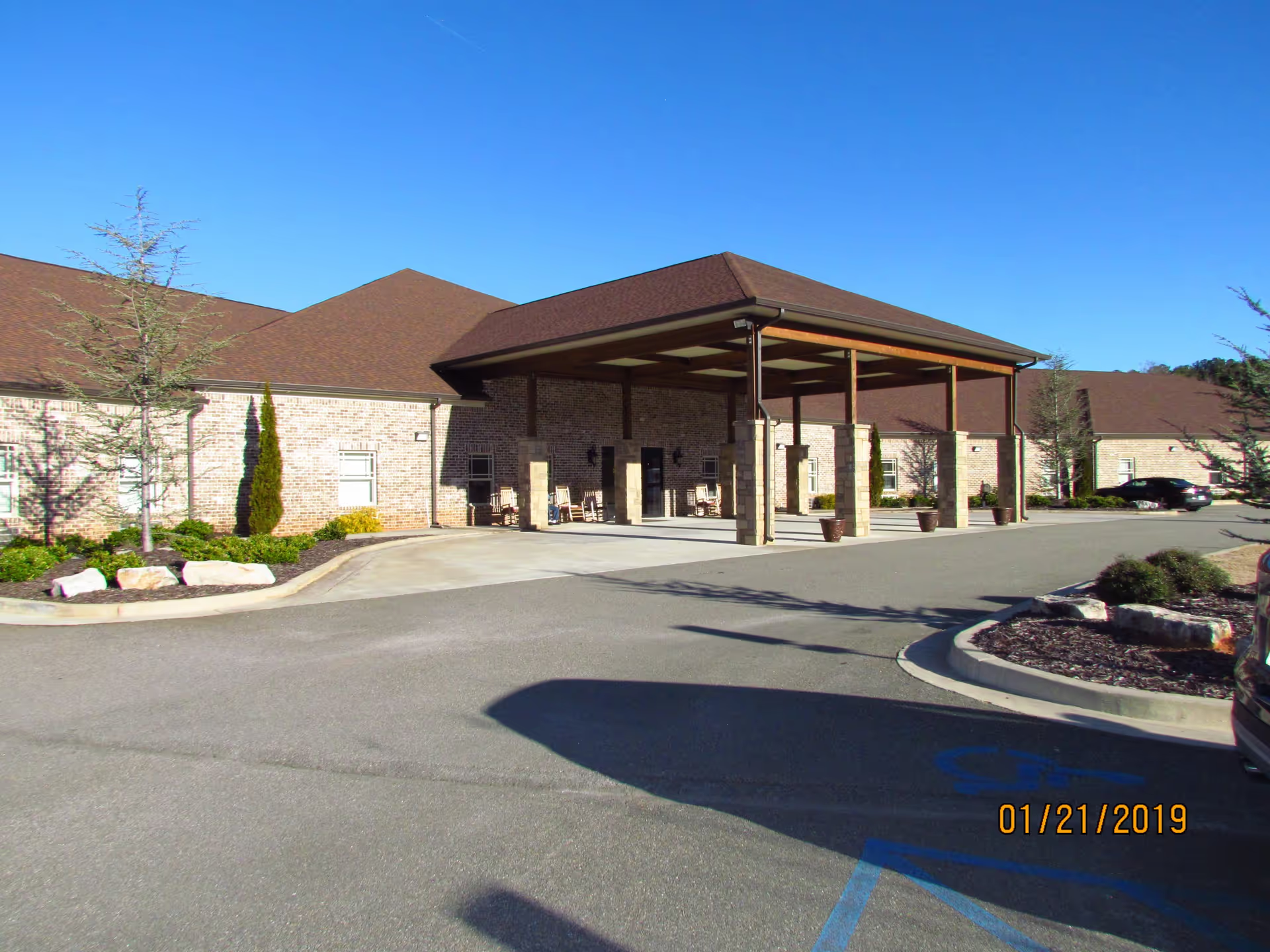
Facilities and safety: Physical facilities are frequently described as well cared for, updated, and comfortable, with many residents enjoying outdoor seating, patio and garden spaces, and attractive common areas. A small number of reviews raise safety and property‑handling concerns, including allegations of theft and questions about how belongings were managed following a resident’s death; those instances suggest gaps in resident‑property protocols and post‑incident family communication that warrant specific inquiry. Room size and floor placement were also noted as factors affecting privacy and social access.
Management and communication: Families report both strong examples of responsive management and instances of limited responsiveness. Positive accounts emphasize staff who educate and advocate for residents, while critical accounts point to slow responses to requests, difficulty reaching staff after hours, and concerns about weekend coverage. Rent increases and perceptions of value arise periodically; prospective residents should clarify current pricing, any scheduled increases, and what is included in base fees.
Notable patterns and guidance: The dominant picture is of a caring, activity‑rich community with many satisfied residents and families. The most consistent operational weaknesses are variability in staffing levels (weekend/after‑hours coverage), occasional inconsistencies in clinical/medication management, variable kitchen staffing affecting meal quality, and isolated but serious concerns about property handling and post‑incident communication. Prospective residents and families should tour the community, ask about current staffing ratios and weekend coverage, review medication‑management protocols, inspect unit locations relative to common areas, and request written procedures for resident property safeguarding and family communication. These targeted questions will help assess whether the facility’s strong areas align with an individual resident’s priorities.