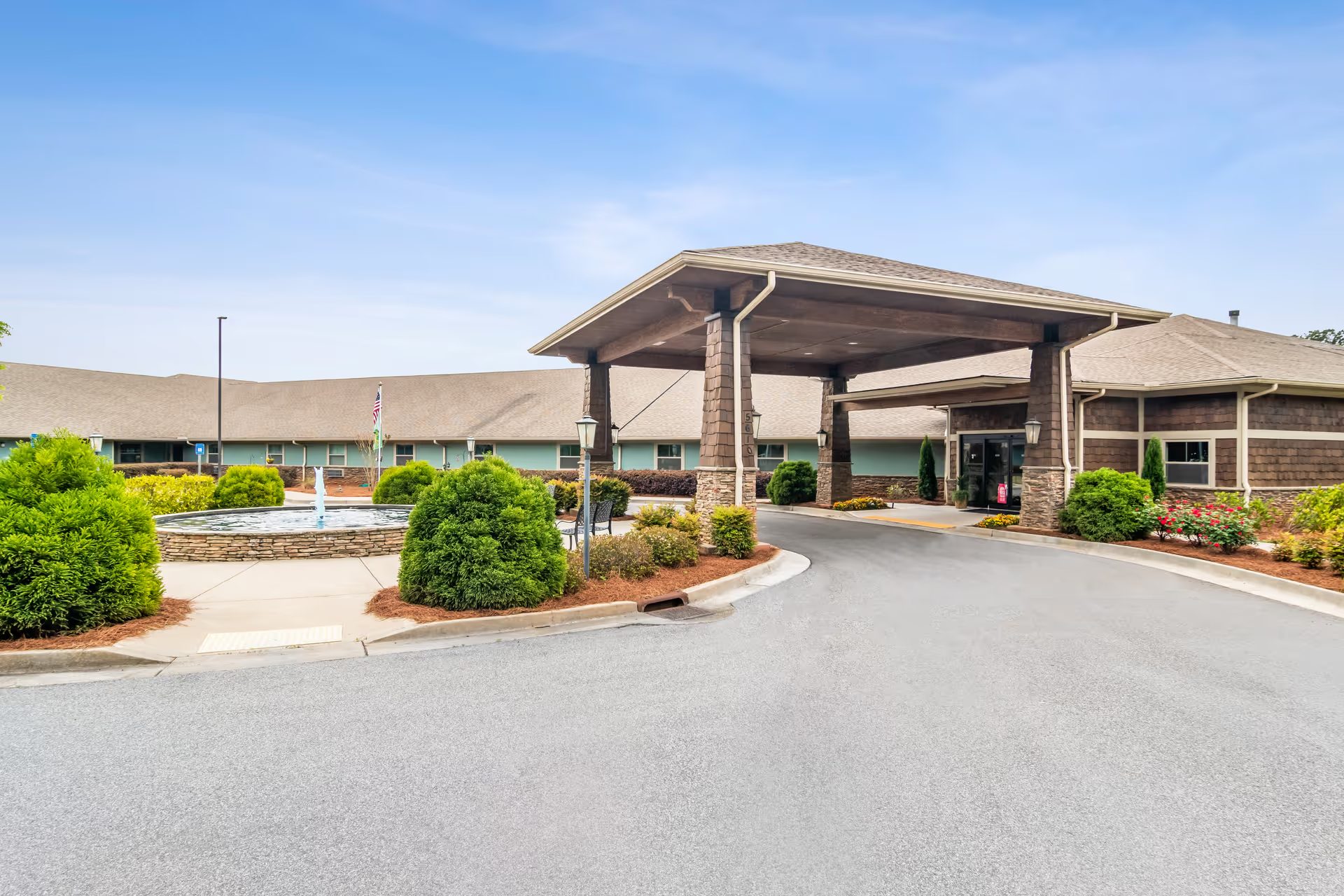
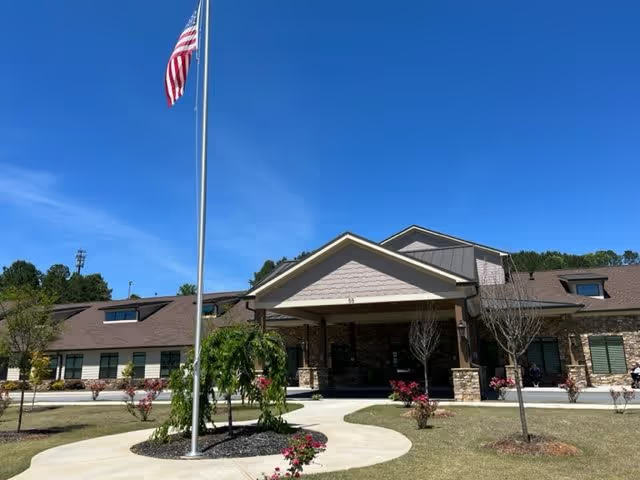
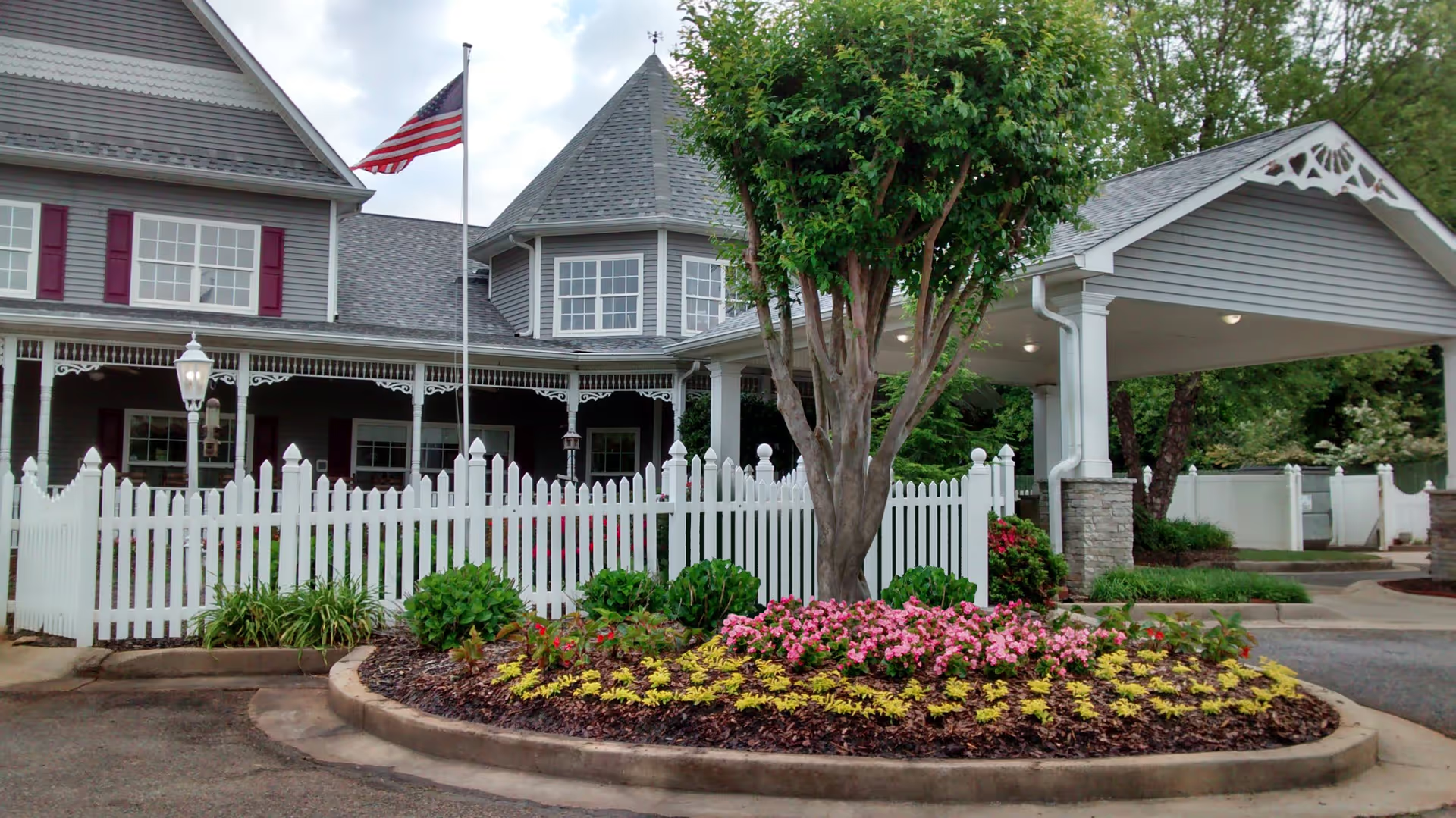
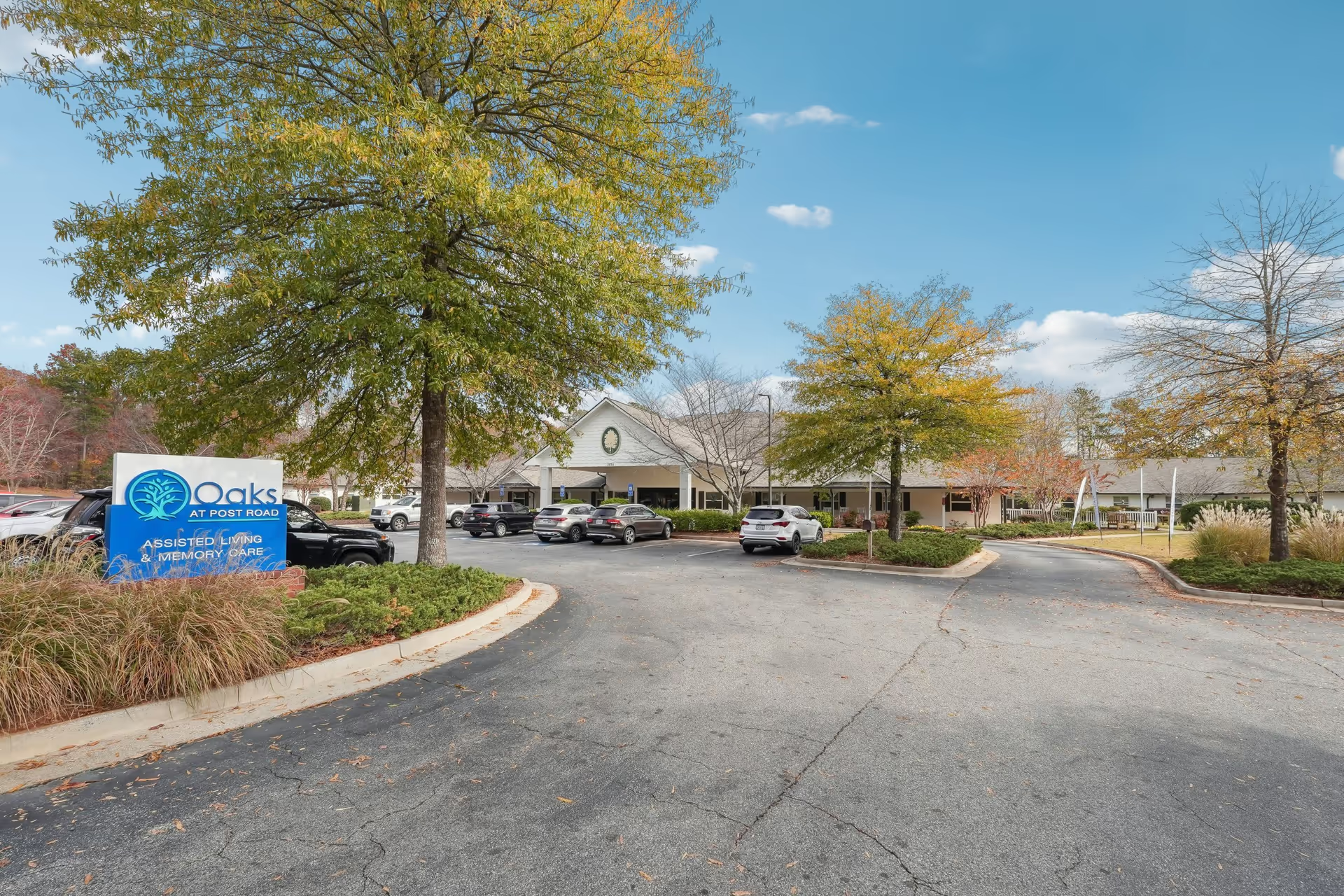
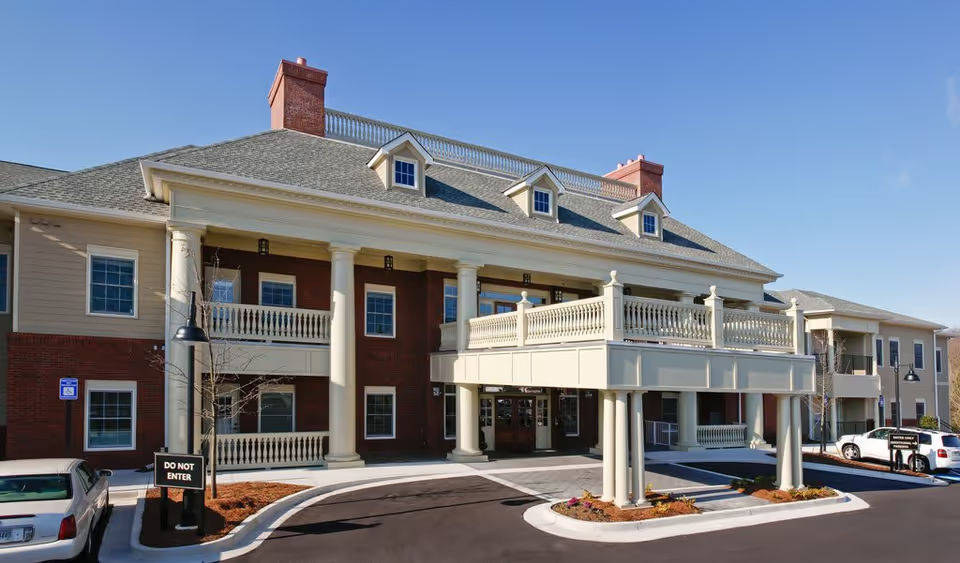
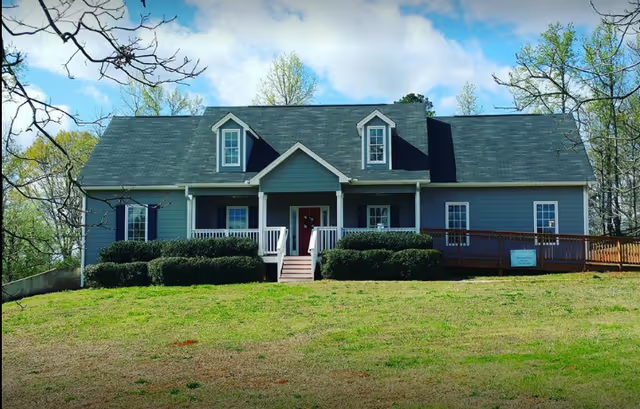
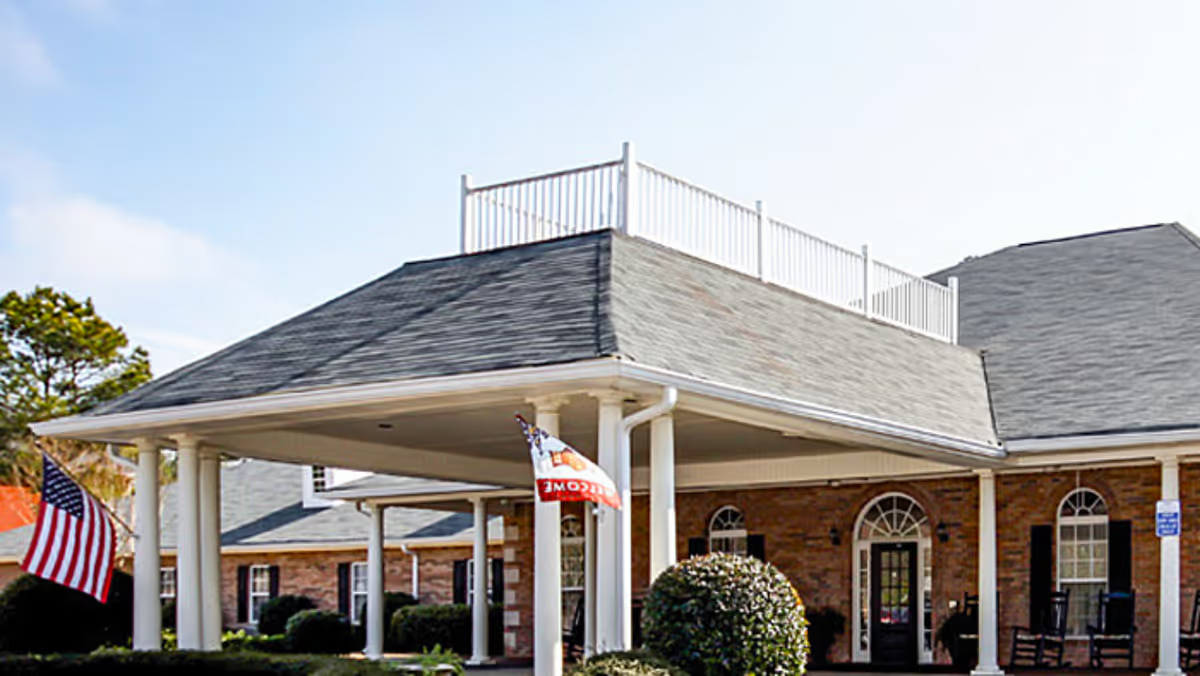
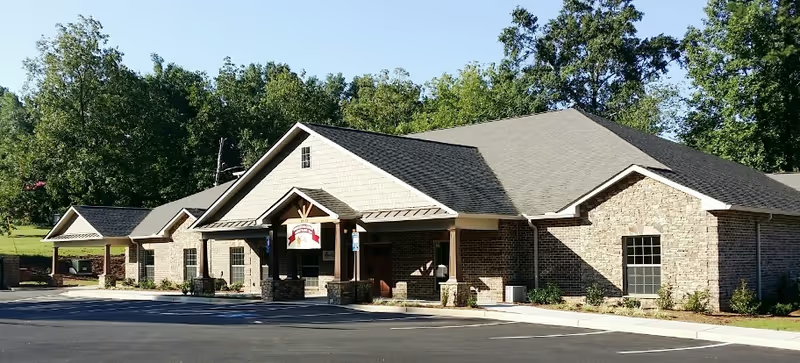
North Georgia Assisted Living presents as a largely new, well-kept community with many attributes families prioritize: modern construction, attractive landscaping, ample parking, multiple common areas, an on-site salon and therapy services, and a variety of room choices. Numerous families praised the food and the chef, described daily activities and religious services, and noted that residents appear engaged and comfortable in common spaces. Several reviewers highlighted compassionate, family-style interactions from caregivers and named individual staff who provided strong transition support.
Care quality is described unevenly. Many accounts emphasize attentive, respectful care and a sense of safety; staff members were characterized as caring, encouraging socialization and providing hands-on support. Conversely, other accounts raise operational concerns about responsiveness and clinical staffing consistency—specifically delays in attending to resident needs and gaps in incontinence-related care. The facility offers medical oversight with regular doctor rounds and visiting specialists, but families should verify staffing levels and clinical escalation procedures during tours.
Dining and activities are overall strengths: reviewers frequently mentioned good food, celebratory events, a daily activity schedule, a social director, music/piano and group programs, and scheduled religious services. That said, dining-area experience varies between wings and cohorts; some reviewers found certain dining spaces less appealing. The activity program is active in areas already established, while parts of the newest facility were still building out their programming when observed.
The physical plant receives generally positive remarks for being new, bright, and well-maintained, with multiple lounges and a single-level layout that aids accessibility. Noted facility-level limitations include worn carpeting and floor-patterning in some public corridors that could be visually confusing for some residents, and a lack of dedicated outdoor walking paths. Cleanliness is praised in many common areas, yet there are discrete cleanliness concerns reported for some private rooms and bathrooms—an item to inspect directly.
Management and administration show mixed performance. Several families praised specific leaders and nurses for strong communication and hands-on help, while others described unresponsiveness from executive leadership and business-office administrative errors. Prospective families should ask about leadership tenure, communication policies, billing practices, and front-office coverage.
Notable patterns: the facility is relatively new and expanding, which explains both many positive early impressions (modern spaces, active admissions support) and some operational growing pains (activity-program development, staffing consistency, administrative coordination). There are also intermittent but significant concerns about responsiveness to resident needs and about communication tone in difficult interactions.
For prospective residents and families: conduct an in-person visit at different times of day, observe staff–resident interactions, request to see specific private-room bathrooms and recent housekeeping logs, review staff-to-resident ratios and on-call clinical coverage, ask about procedures for incontinence care and response times, confirm business-office staffing and billing procedures, and request a current activities calendar. These steps will help verify whether the facility’s many strengths align with your relative priorities and whether the operational gaps have been addressed.