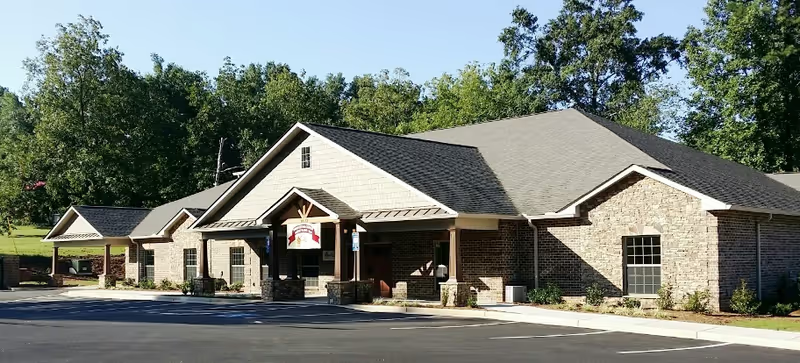
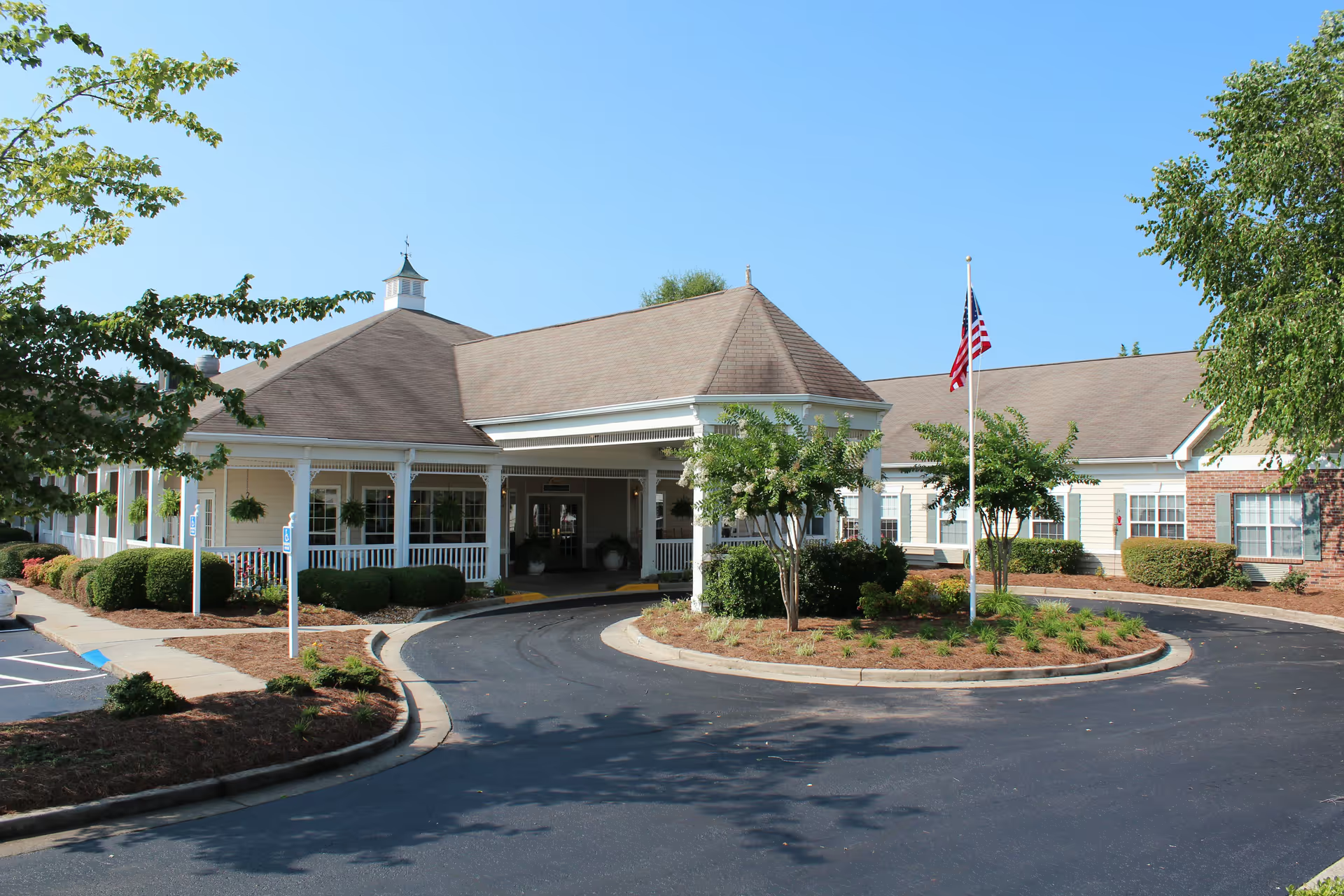
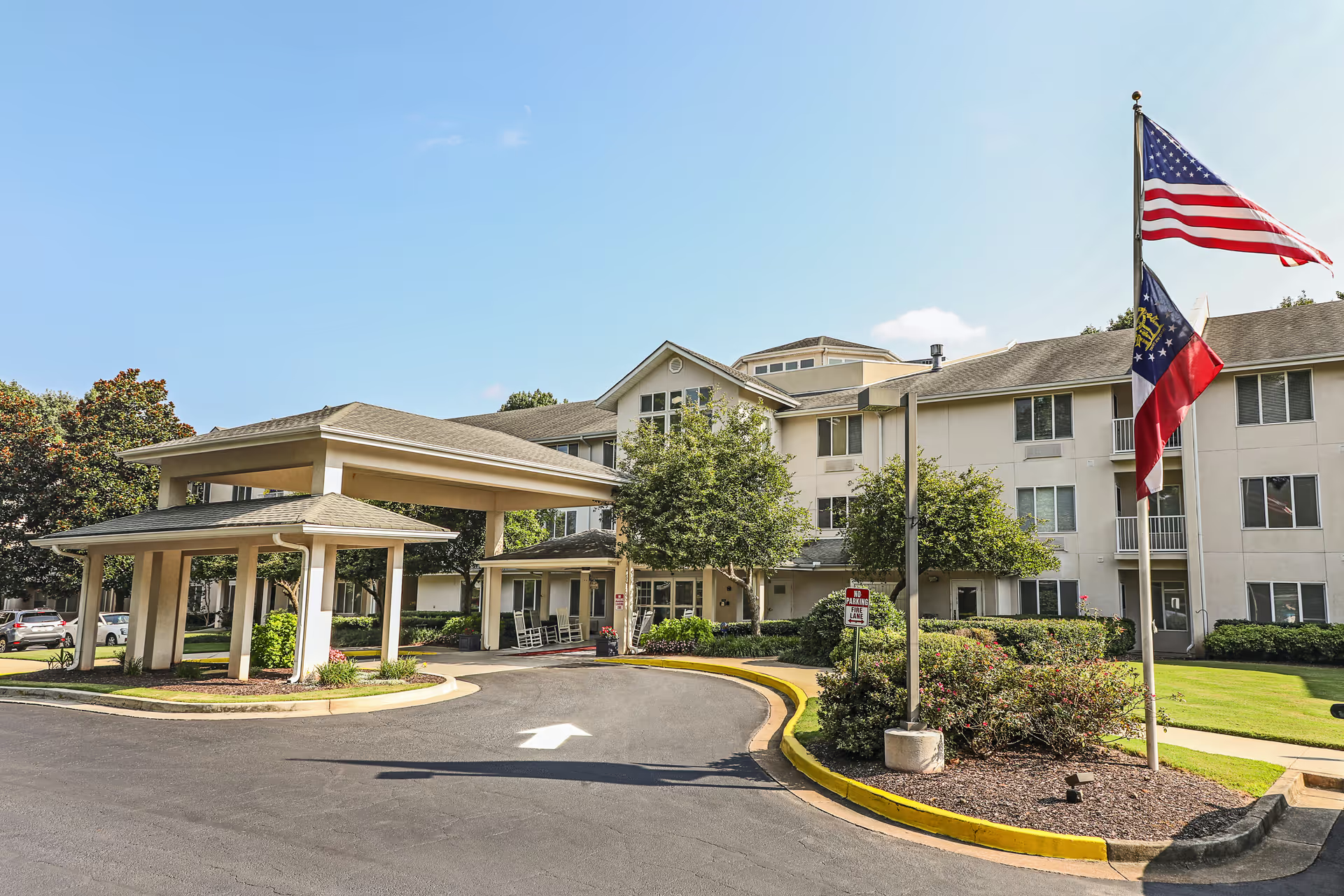
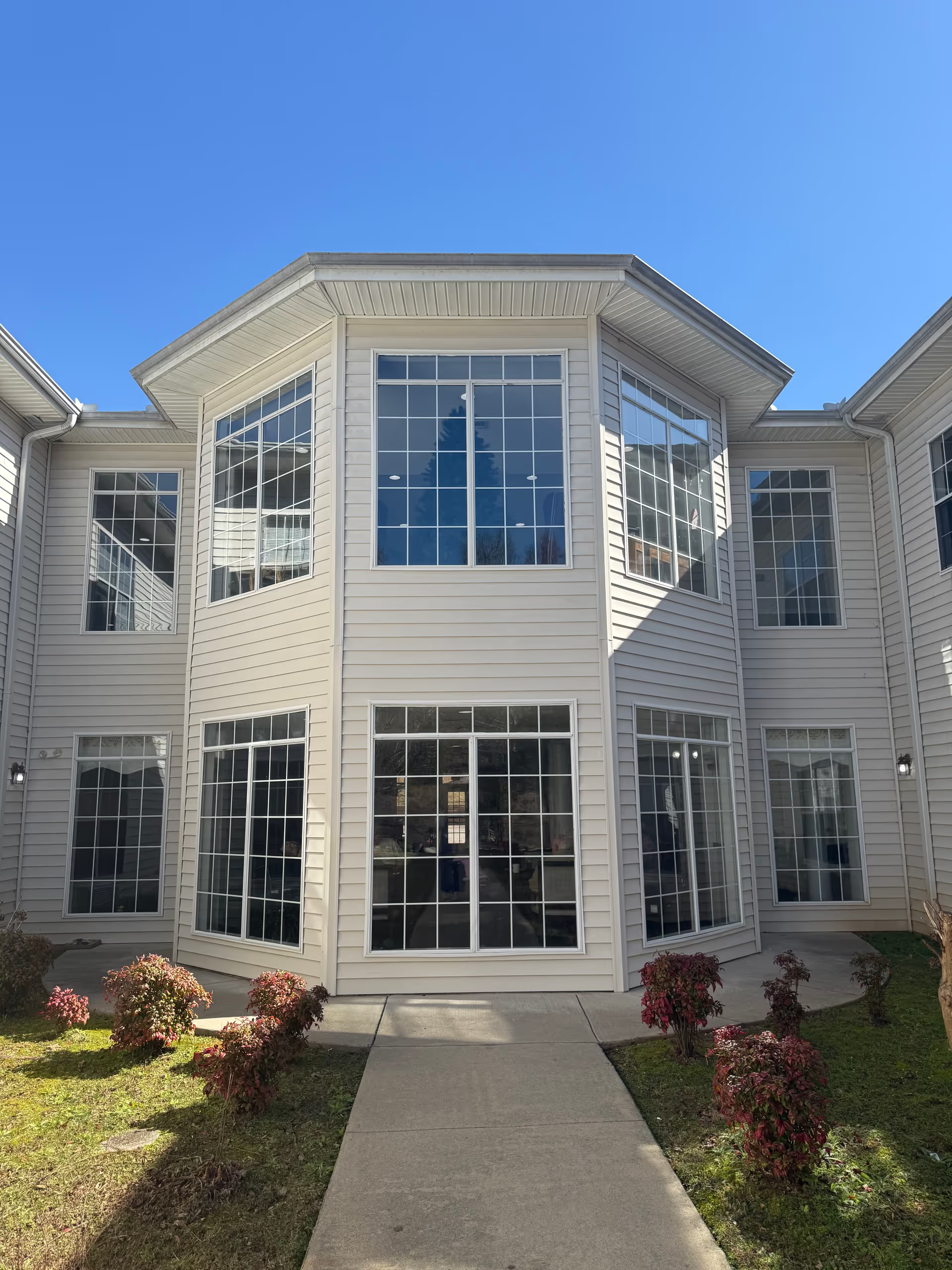
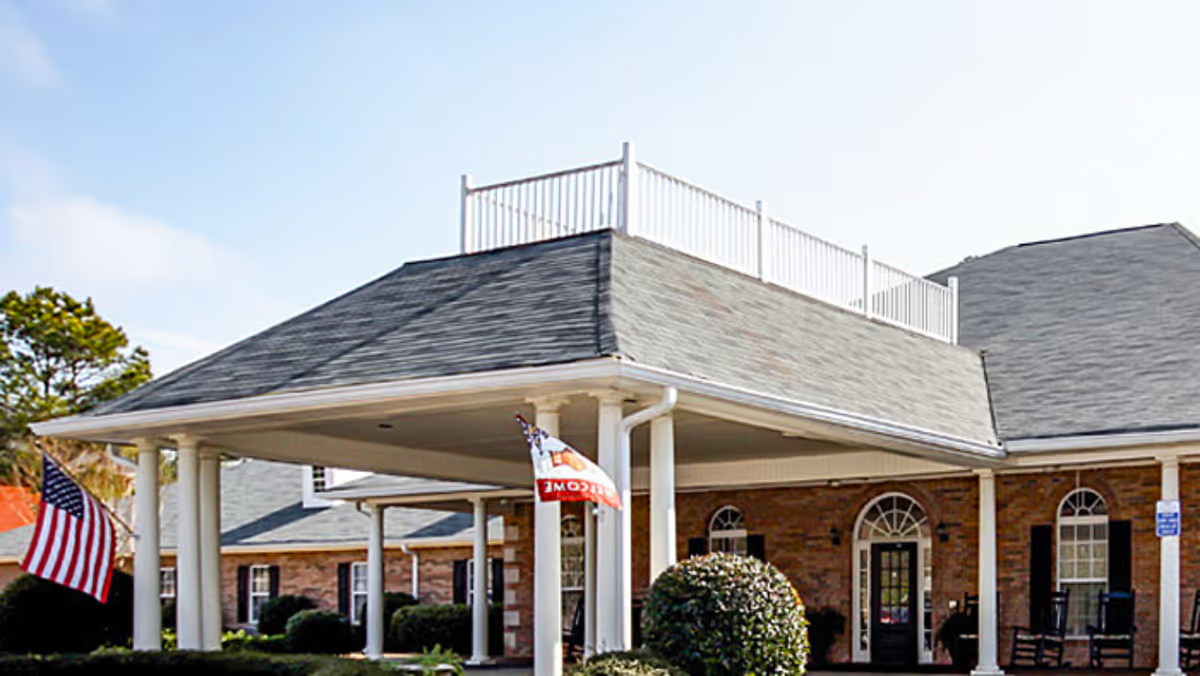
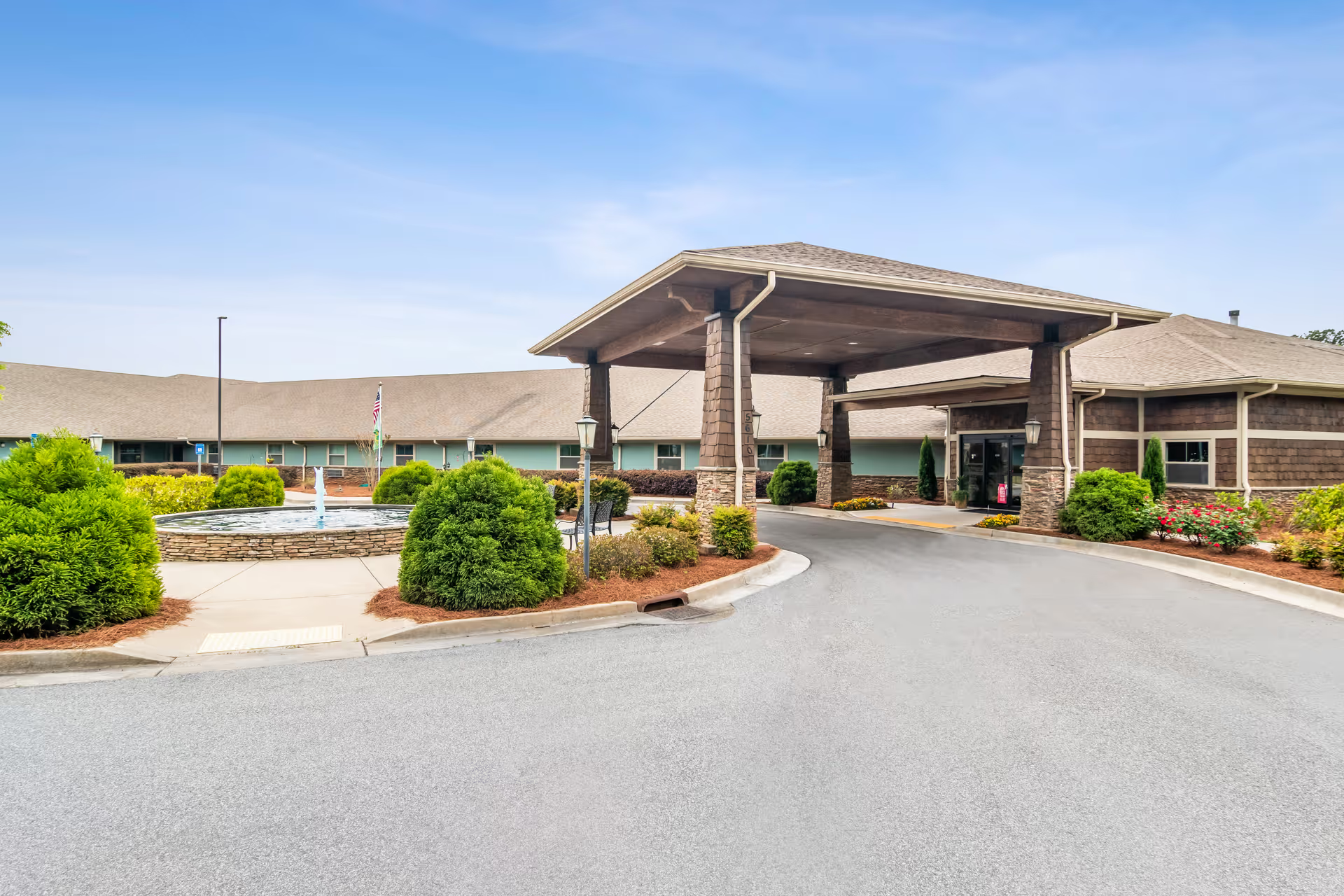
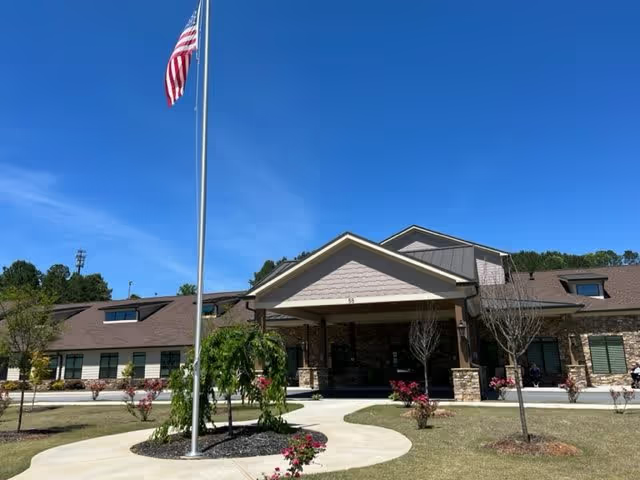
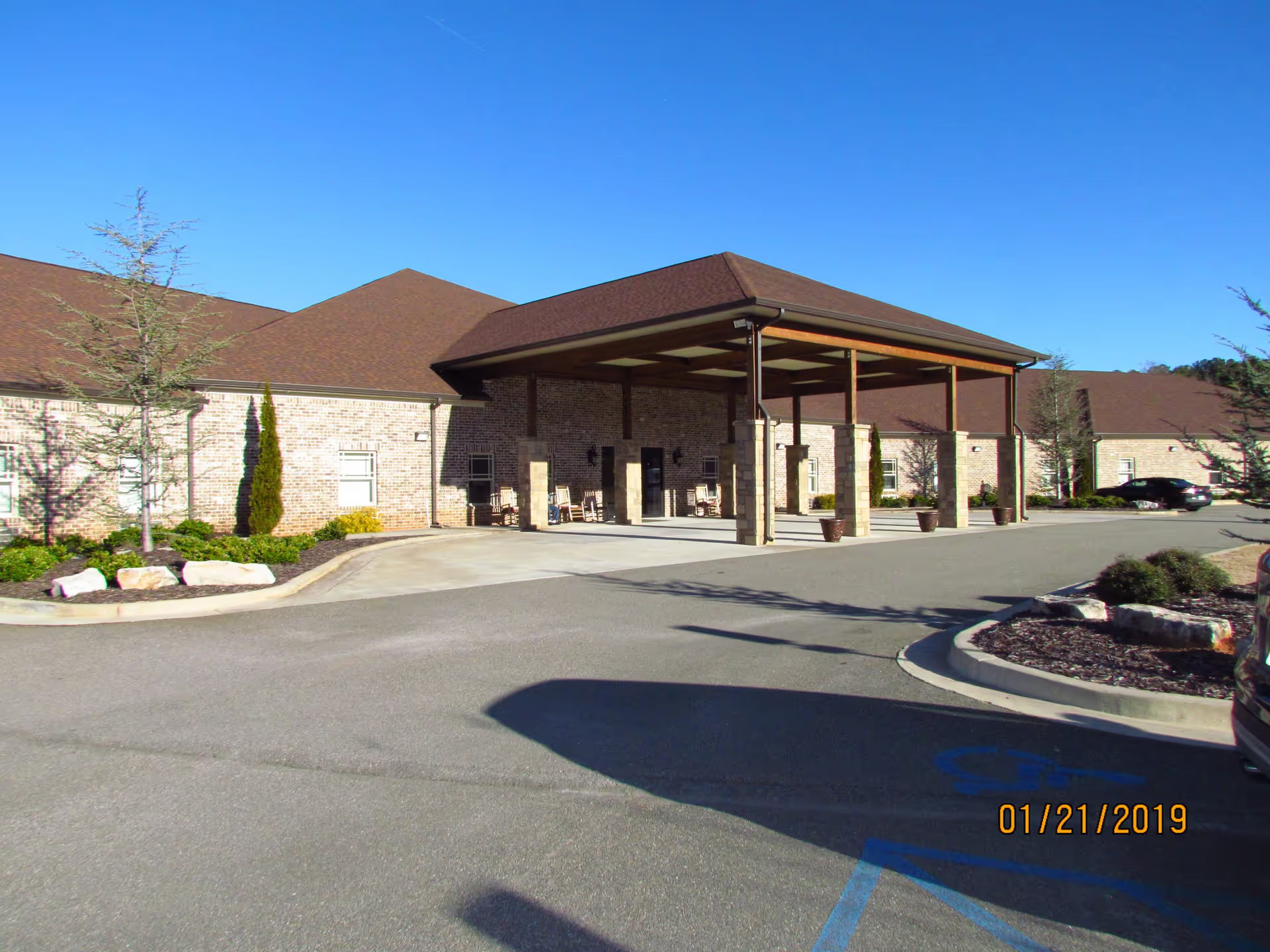
Gardens of Gainesville presents a mixed but clear pattern: the physical plant and many front-line employees are strong selling points, while operational and management-level inconsistencies create variability in resident experience. The campus is frequently described as attractive and well maintained, with spacious apartment options (including units with full kitchens and washer/dryer), large common spaces, an indoor pool, salon services, and a range of social areas that support an active community life. The memory-care program is licensed and some families praise a knowledgeable, attentive memory-care team and strong hospice support.
Direct-care staff receive repeated praise for compassion, individualized attention, and resident familiarity; many reviews highlight caregivers who know residents by name and an activities team that runs outings, games, classes, and special events. Dining is often cited as a strength when the kitchen is fully staffed and the chef is engaged — examples include diabetic- and salt-friendly menus, restaurant-style offerings, and family-style meal service. Educational efforts such as dementia-simulation training for families and staff are additional positives.
However, there are consistent operational concerns that prospective families should evaluate carefully. Staffing instability and turnover at both the caregiver and executive levels appears to affect coverage and supervisory presence; reviewers describe inconsistent responsiveness to resident needs, gaps in short-term/respite staffing, and instances where supervision in higher-care areas was judged insufficient. Linked to staffing are housekeeping and maintenance issues: housekeeping frequency and responsiveness to maintenance requests are described as declining or slow in some accounts.
Dining and activities show mixed signals: while some residents report varied, engaging programs and high-quality meals, others describe a decline in culinary consistency, reduced dining hours, buffet-style changes, and repetitive or unimaginative activities schedules. Transportation is another area of contrast — the community provides outings and a lift-equipped van, but reviewers note vehicle maintenance concerns and unmet promises for additional buses.
Management and administrative practices are recurring themes. Concerns include opaque pricing structures and entrance/deposit disclosures, annual rent increases, periodic utility and communication outages handled without apparent pro-rating, and uneven responsiveness from leadership when families raise issues. Safety-related patterns deserve attention: reviewers cited inadequate pool supervision, accessibility friction points (heavy doors, high cabinets), and sanitation or incontinence-care issues in some units; these are described as operational gaps rather than isolated compliments.
Overall, Gardens of Gainesville offers many of the physical amenities and warm-staff interactions families look for, but the experience appears polarized depending on unit, staffing levels, and management responsiveness at the time of residency. Prospective residents and families should tour multiple times (including mealtimes), ask for current staffing ratios, clarify pricing and refund policies in writing, review respite-care staffing plans, inspect transportation vehicles and pool-safety protocols, and request examples of recent maintenance and housekeeping response times to get a clearer sense of current operations.