Smoky Springs by Barclay House is consistently described as a warm, community-oriented independent living campus with a strong emphasis on personalized staff–resident interaction, engaging social programming, and quality dining. Families and residents commonly highlight the caring nature of frontline staff and several long‑tenured leaders, which reviewers link to a family‑like atmosphere and an encouraging sense of safety. On-site clinical supports such as physical and occupational therapy, regular physician visits, and a convenient location near hospitals and Lake Lanier are recurring positives for prospective residents who want access to rehabilitation and medical services without leaving campus.
Dining and activities are standout features. Many reviewers praise the chef-driven menus, variety of entrees including meat and seafood options, restaurant‑style table service, and frequent social meals that encourage fellowship. The activities program is broad and active—exercise classes, music, trips, art, and specialty events such as balloon volleyball and mystery rides are mentioned repeatedly—contributing to reported improvements in mood and quality of life for residents. Amenities such as a salon, chapel, library, exercise room, pool, and laundry on each floor support an engaged, independent lifestyle.
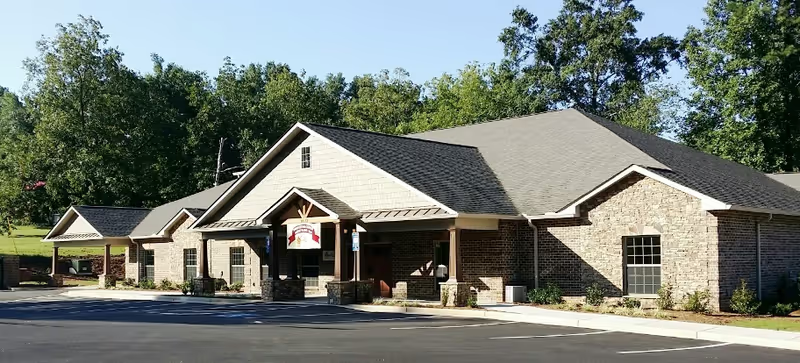
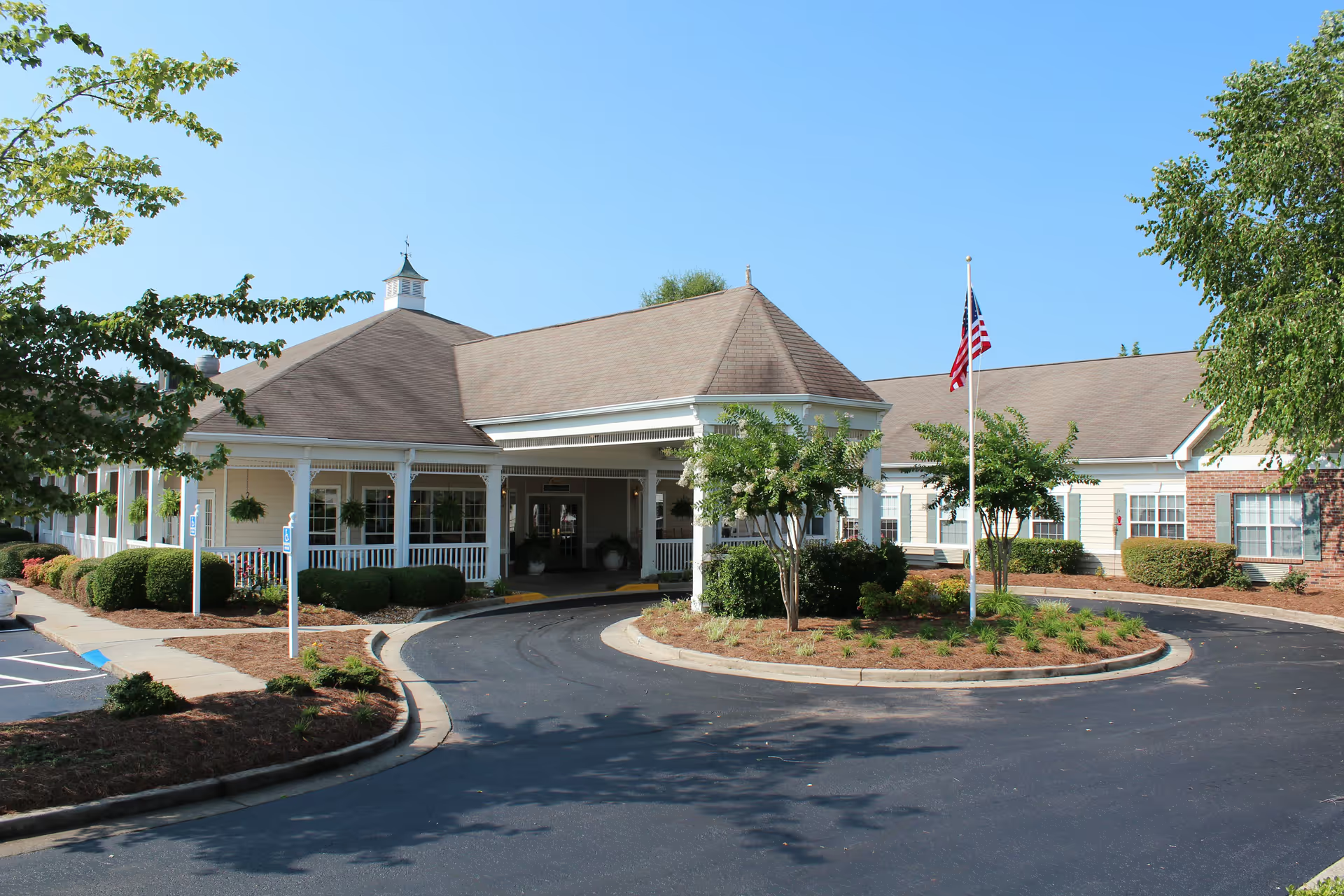
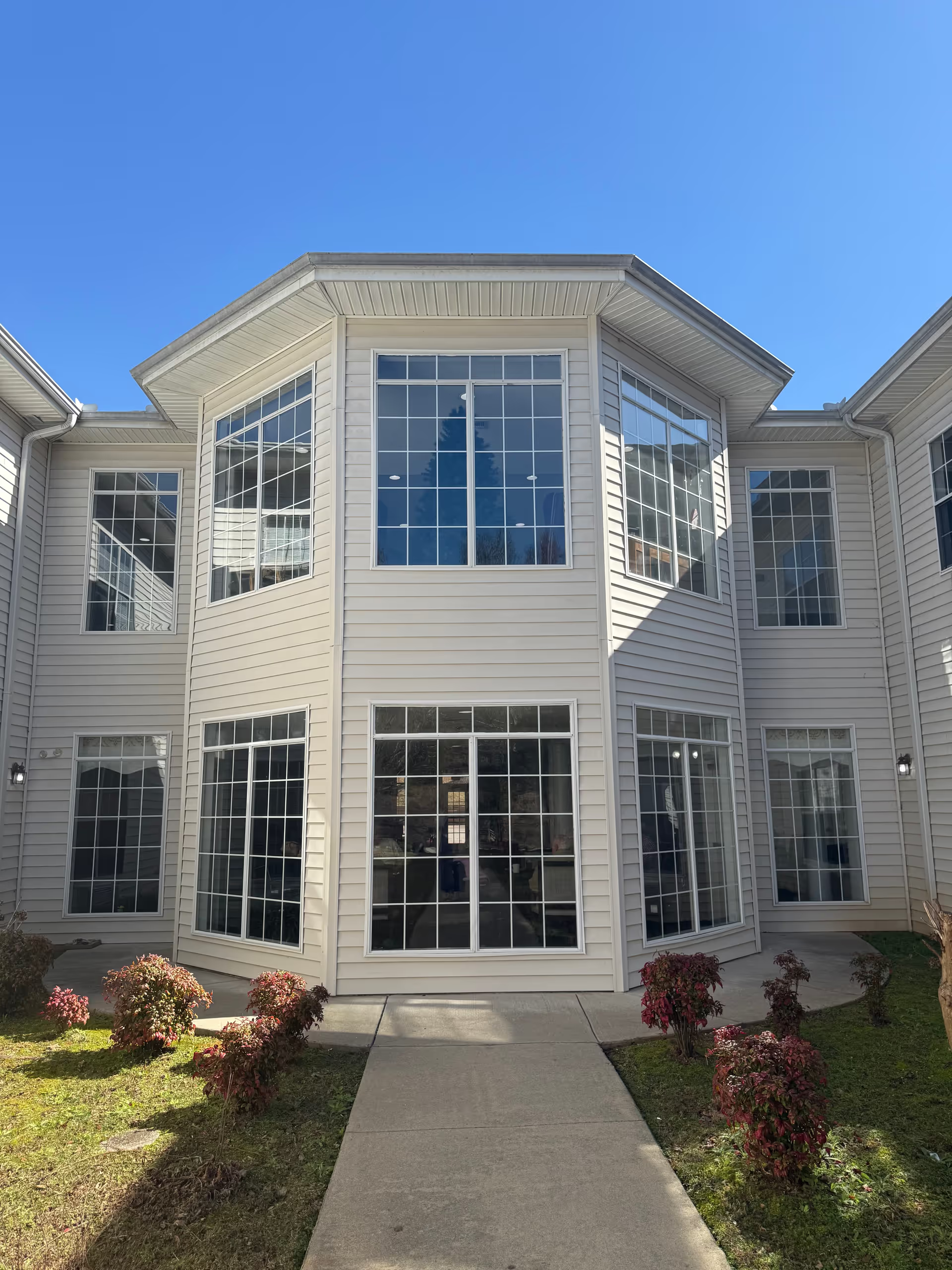
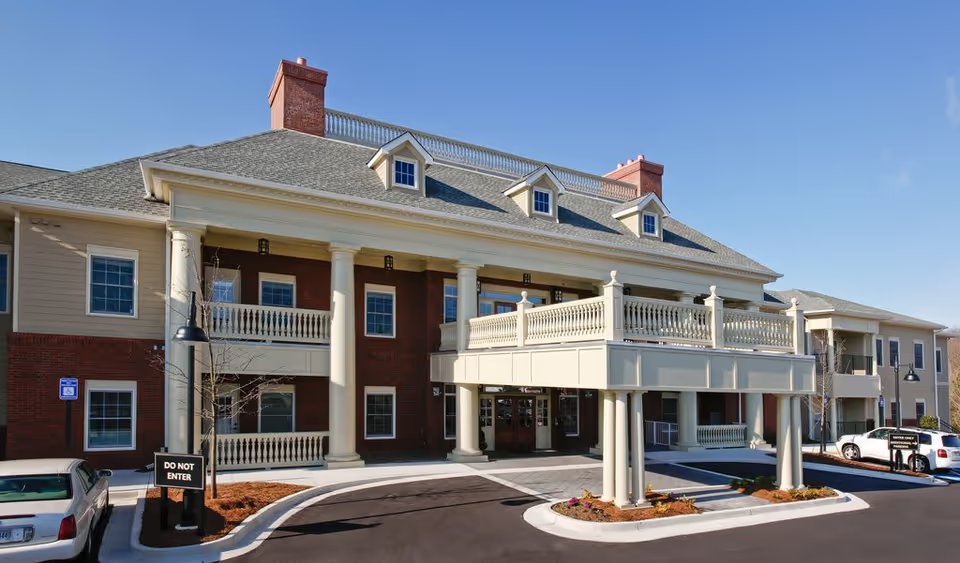
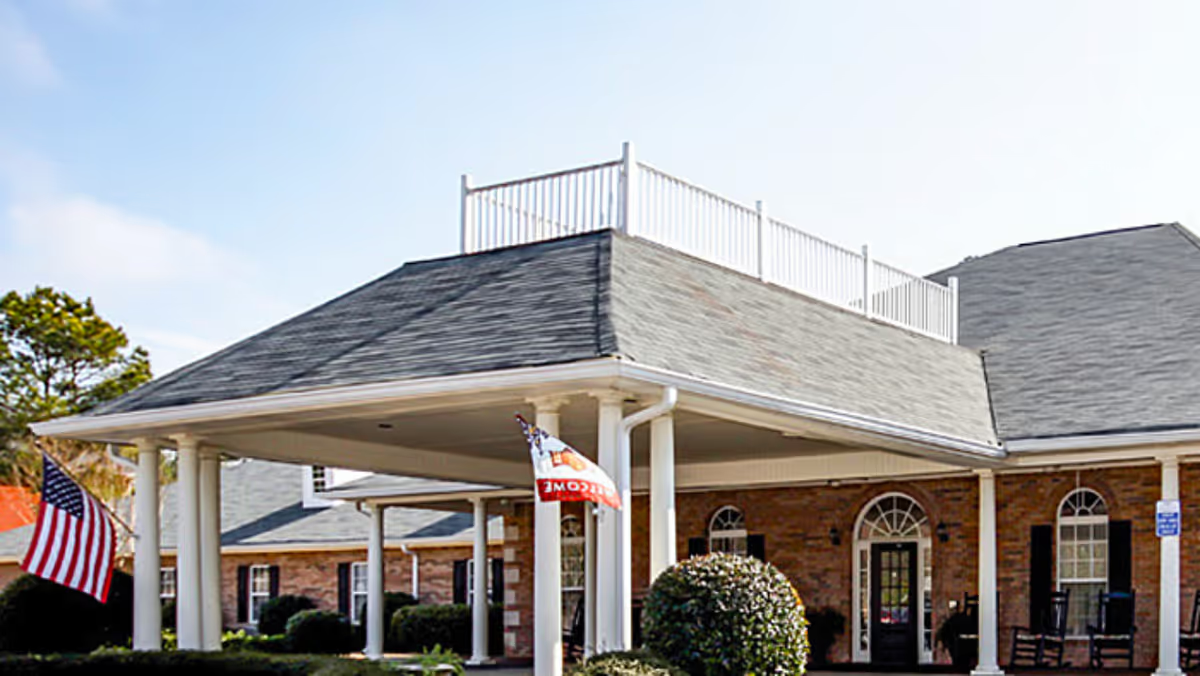
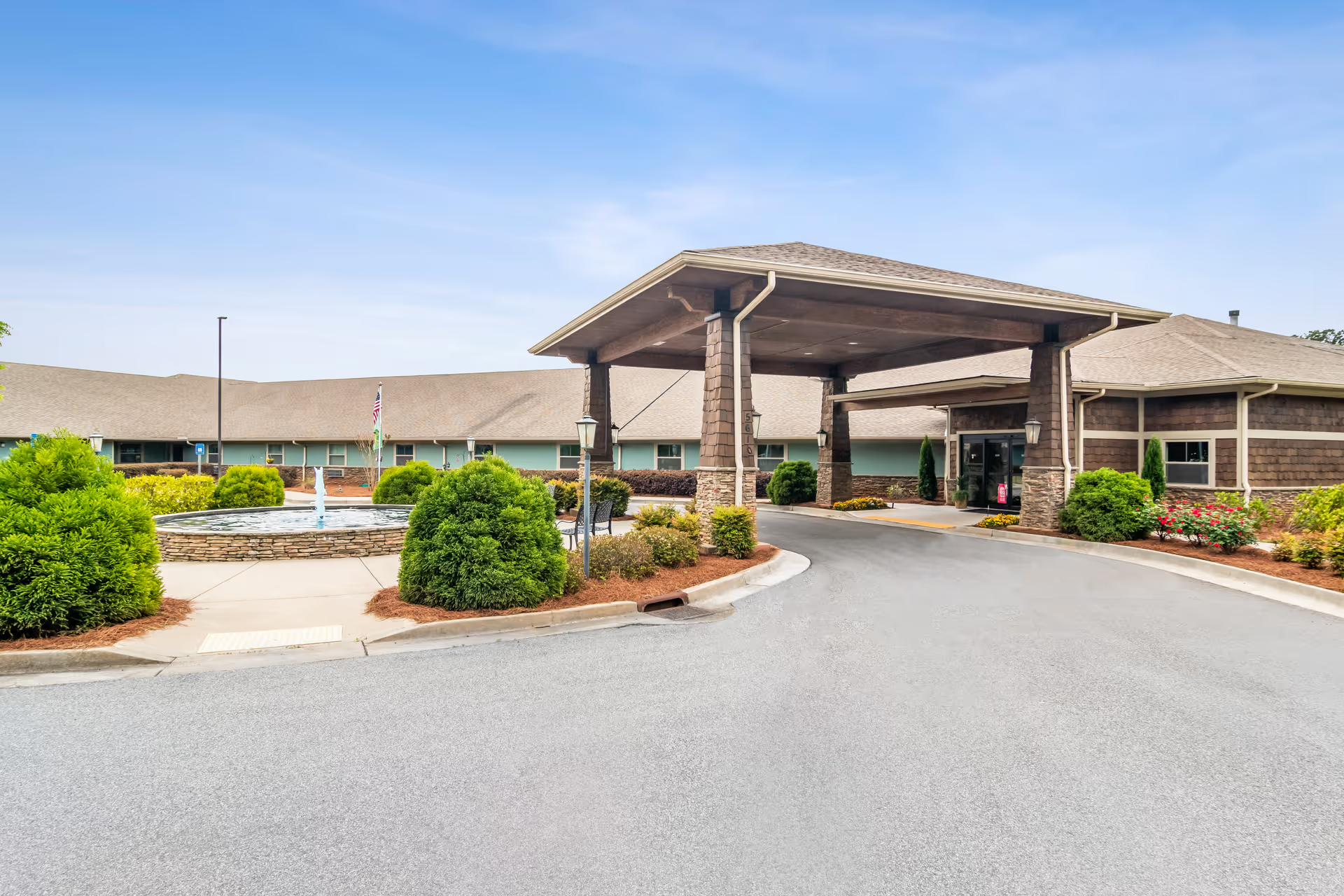
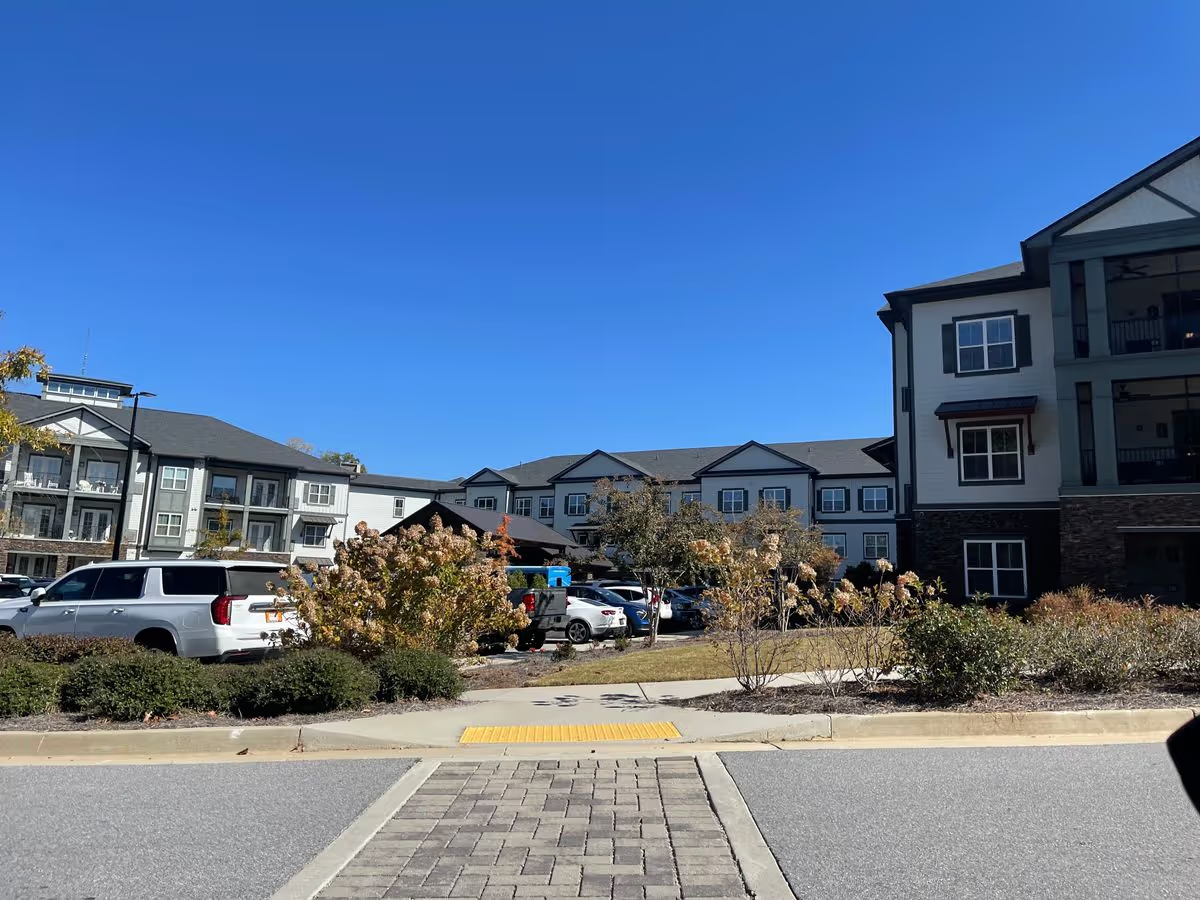
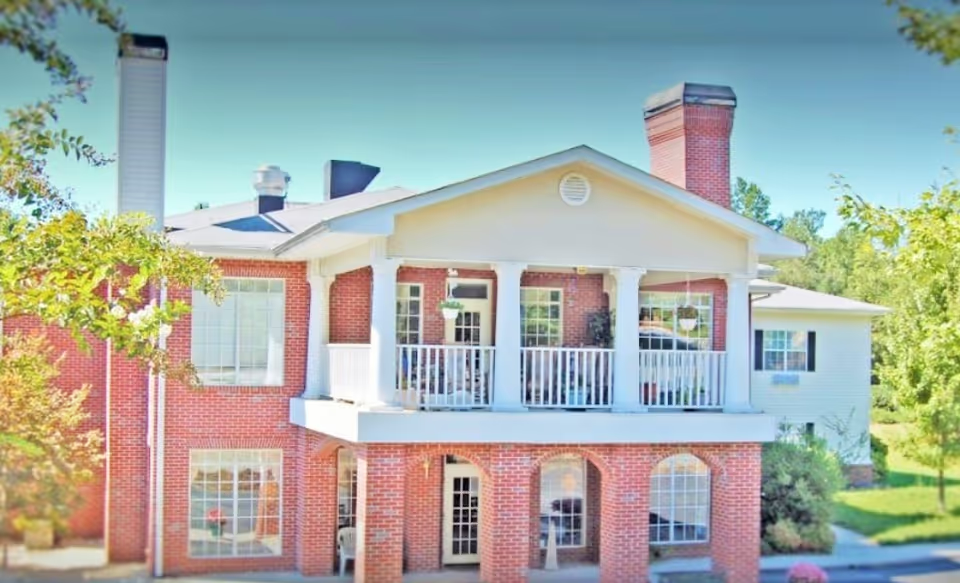
Facility attributes are generally favorable: well‑kept common areas, attractive landscaping, private balconies or patios for many units, and a range of apartment sizes that include kitchenettes (refrigerator and microwave), walk‑in closets, and accessible bathrooms. Reviewers also note practical inclusions such as utilities, maintenance, and weekly housekeeping in many plans, as well as transportation for appointments and excursions that support resident independence.
Areas of operational weakness emerge repeatedly and merit attention from prospective residents and families. Housekeeping and in‑unit cleanliness are described as inconsistent, and staffing strains have been linked to gaps in transportation, apartment cleaning, and dining coverage. Several accounts point to slow meal service or uneven food presentation despite generally positive assessments of menu quality, indicating capacity or workflow constraints during peak dining periods. Maintenance responsiveness is another recurrent concern: delayed repairs, occasional prolonged elevator outages, and reliability issues with laundry equipment have affected day‑to‑day convenience for some residents.
Additional operational patterns include variability in apartment upgrade status (some units fully renovated, others showing older fixtures), dependence on a single elevator in the three‑story building, and occasional management turnover that correlates with communication shortfalls during move‑in or transitions. A few reviewers raised concerns about after‑hours supervision for residents whose needs escalate beyond independent living; families considering the community should clarify on‑call clinical coverage and the process for addressing higher‑acuity needs.
Overall, Smoky Springs presents a compelling option for independent seniors seeking an active, socially rich community with strong daily support, on‑site therapy, and high‑quality dining. The principal tradeoffs are operational: potential inconsistencies in housekeeping and meal service during staffing shortages, maintenance responsiveness, and variability in apartment finishes. Prospective residents should tour multiple unit types, ask specific questions about current staffing levels, maintenance response times, meal-service procedures, and after‑hours clinical coverage, and confirm any fees or service guarantees in writing to ensure the community’s offerings align with their expectations and care needs.