Overall impression: Reviews describe a facility with many strengths in hospitality, social programming, and frontline caregiving, alongside recurring operational inconsistencies that families should consider. Positive commentary centers on a warm, home-like atmosphere, active programming, and leaders who have improved operations; however, several operational and clinical areas show variability between shifts and over time.
Care and clinical oversight: Families commonly note attentive nursing, coordinated physical-therapy and wound care, and helpful transition support for memory-care residents. At the same time, there are substantive concerns about inconsistent clinical assessment and recognition of acute changes: reviewers described delays or missed signs of infection and neurological events and raised questions about responsiveness to hydration and other acute needs. These suggest uneven clinical oversight that may be more important for residents with complex medical profiles.
Staffing and conduct: Staffing is a mixed picture. Many comments praise compassionate, respectful caregivers and competent leadership (including specific leadership improvements), and staff are often described as making residents feel like family. Counterbalancing that are accounts of variable staff competence and conduct, limited experience with cognitive impairment in some employees, and inconsistent communication or follow-up from administration. These contrasts indicate strengths in culture and some leadership but variability in training, experience, and staff performance.
Dining and daily living services: Dining receives both praise and criticism. Several reviewers describe good meals, diet accommodations (low-sodium, sugar-free options), and attentive kitchen staff; others point to inconsistent meal quality, missed meal deliveries, and occasional need to remind staff about service. Medication administration and dosing are generally noted as correct, but there is ambiguity around self-medication protocols and communication about medication processes.
Activities and community life: Programming is a clear strength. The facility offers a range of activities, special events, outings, salon services, happy hours, and social opportunities that contribute to resident engagement and a positive atmosphere. Reviewers frequently highlight active, uplifting programming and many opportunities for social interaction.
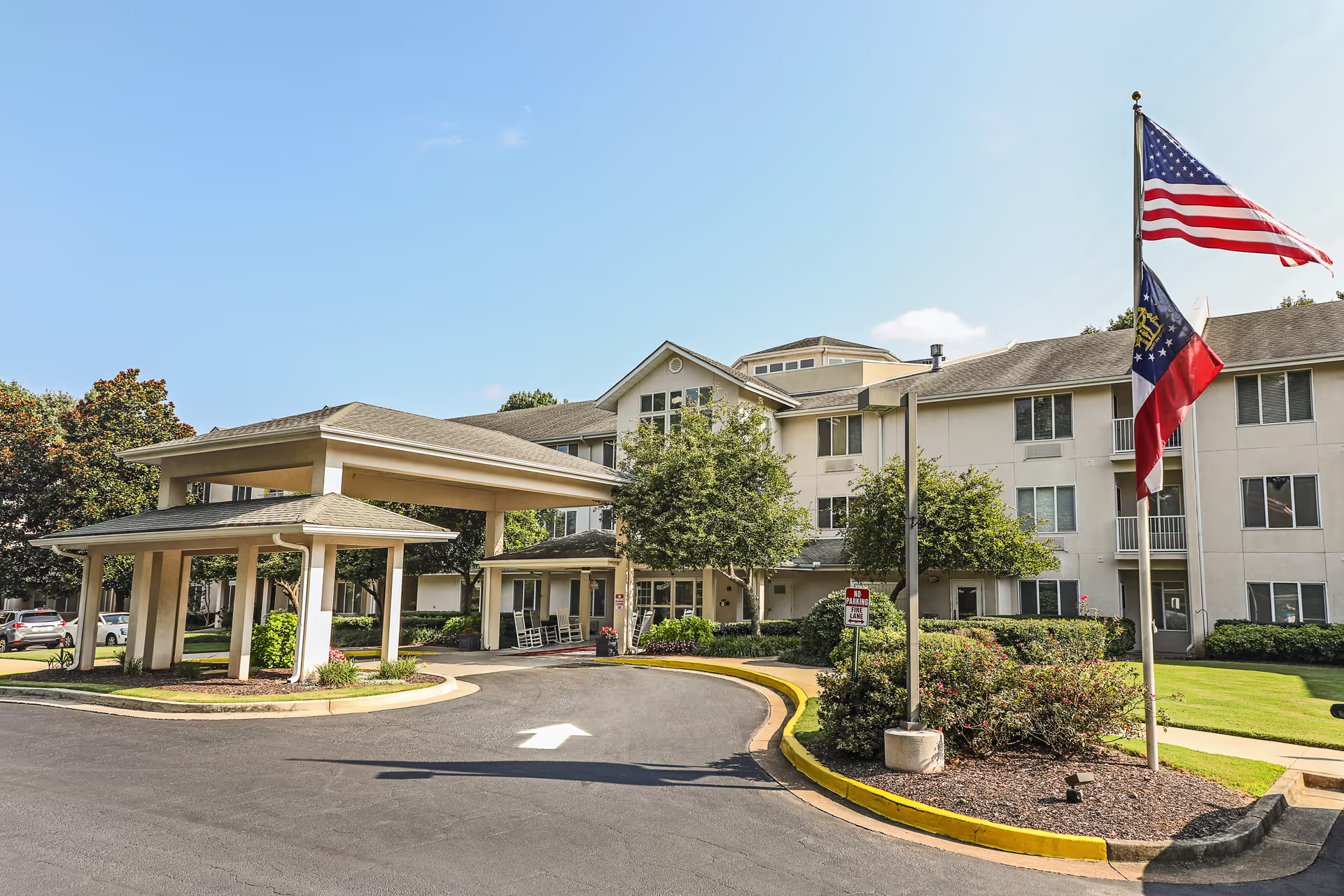
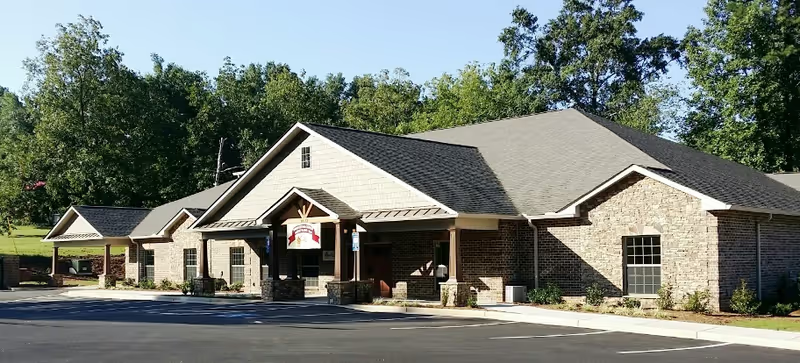
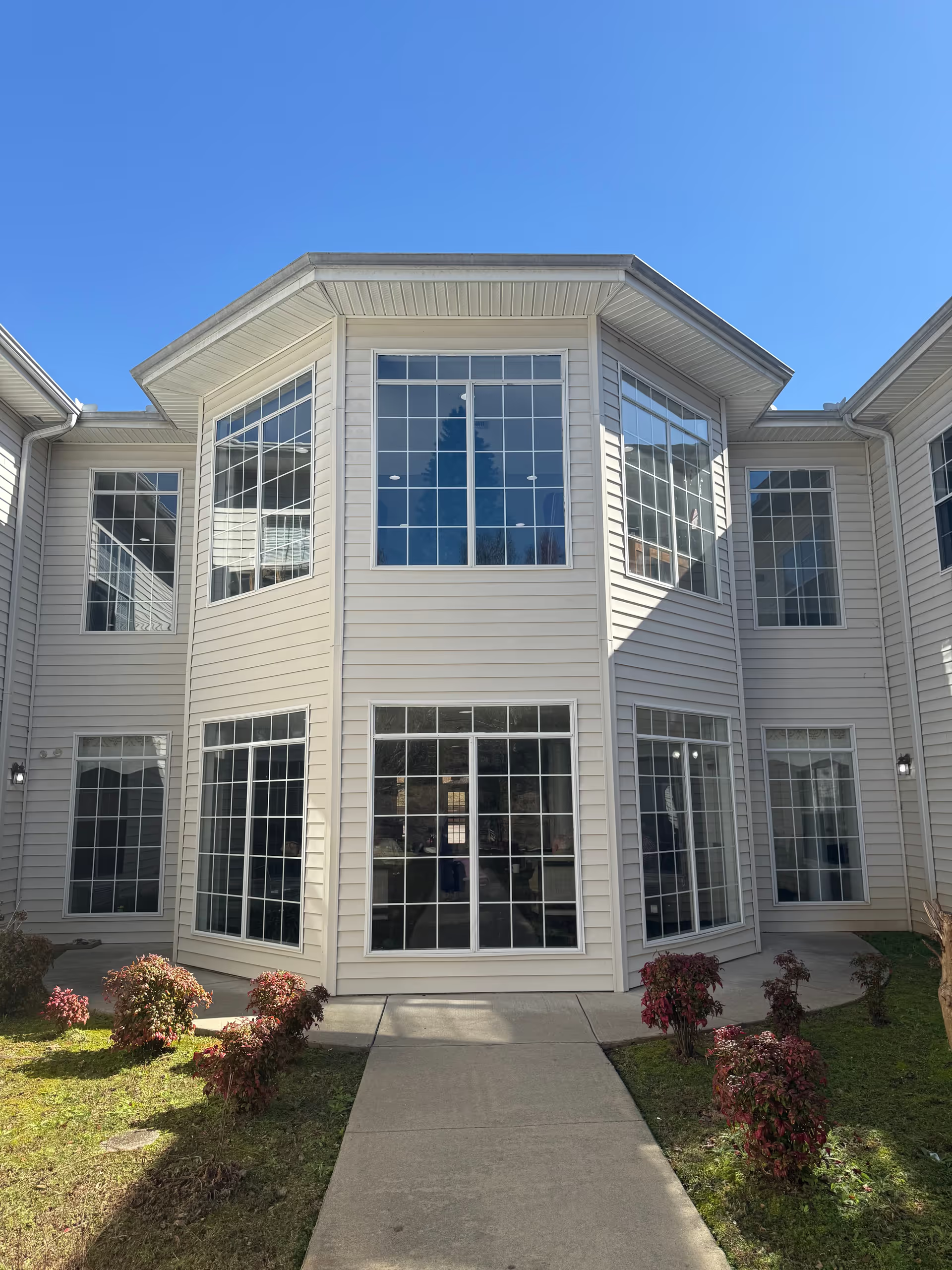
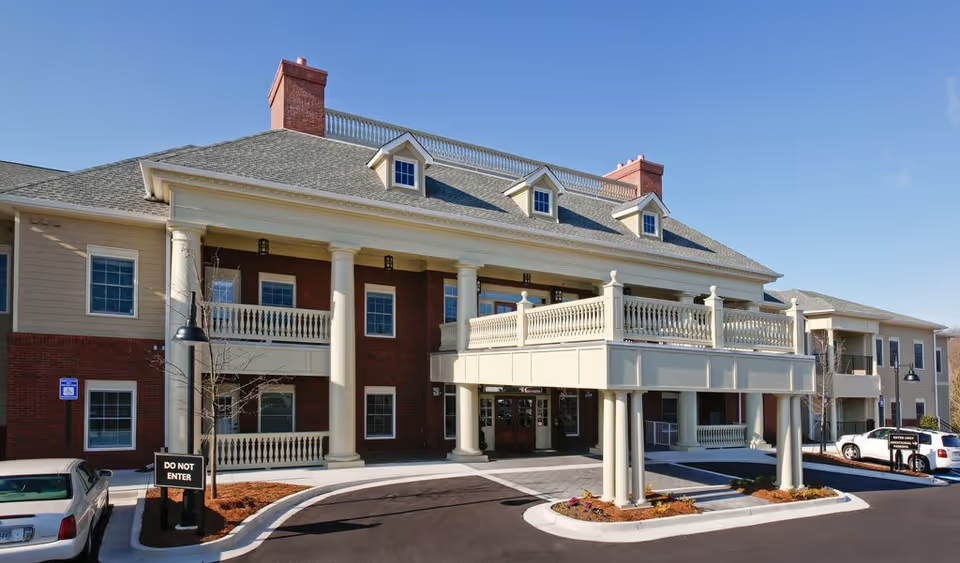
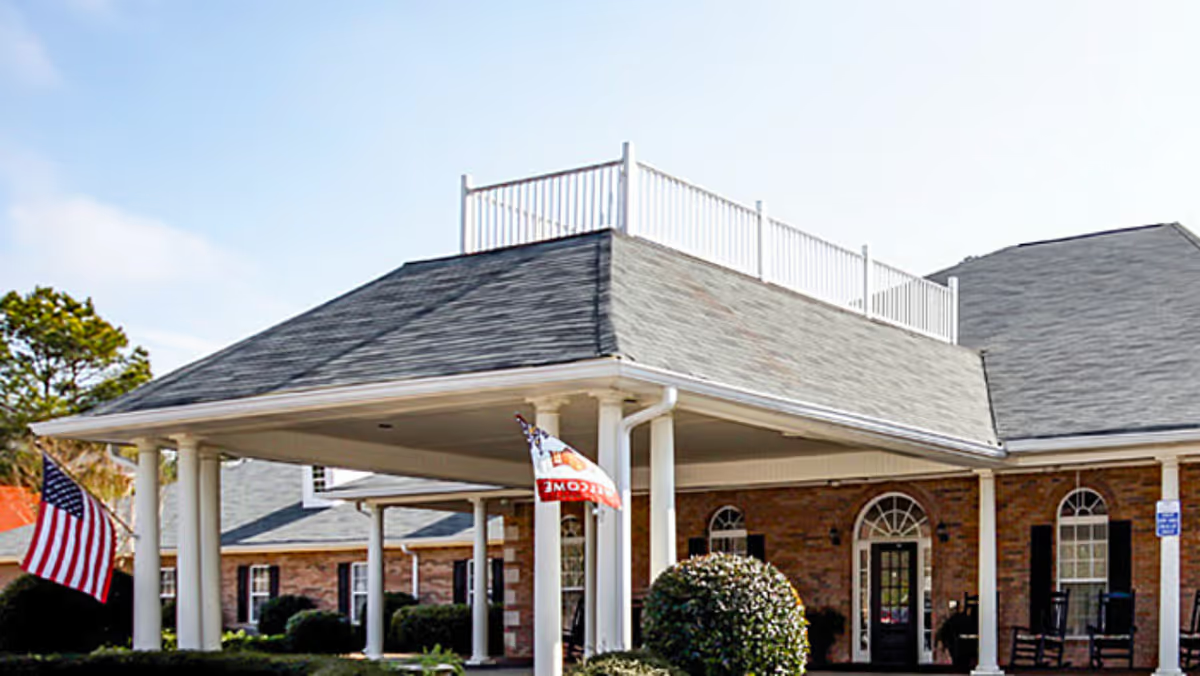
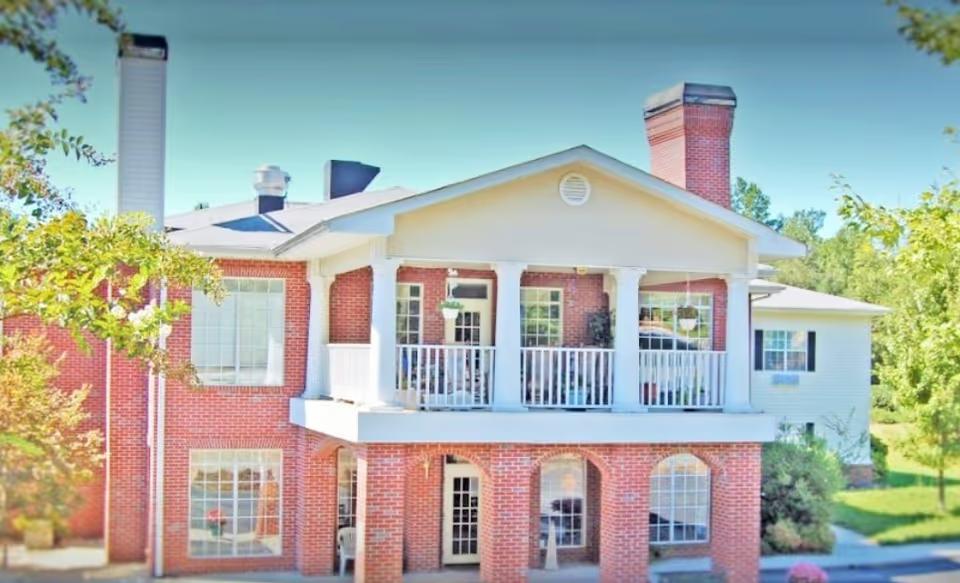
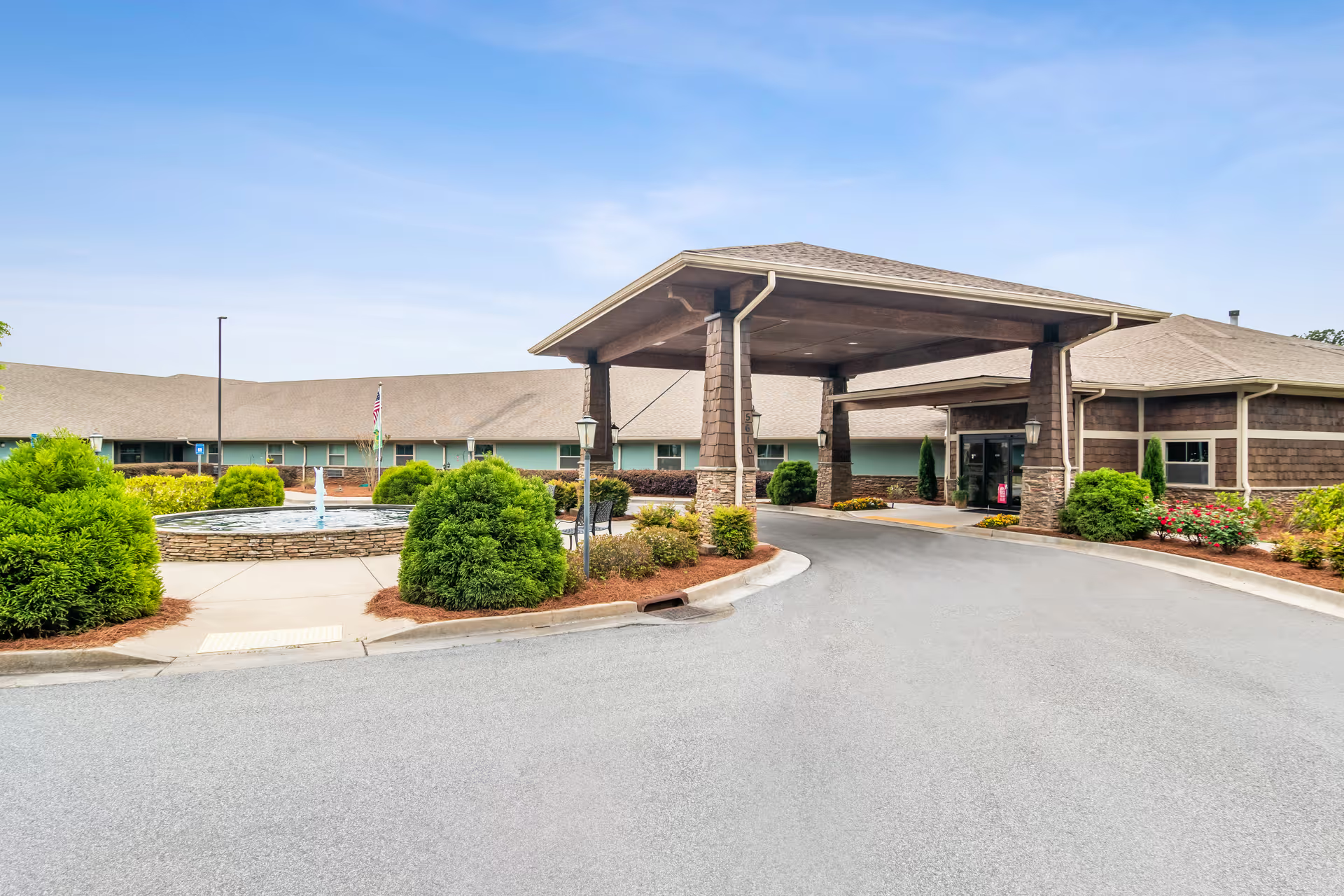
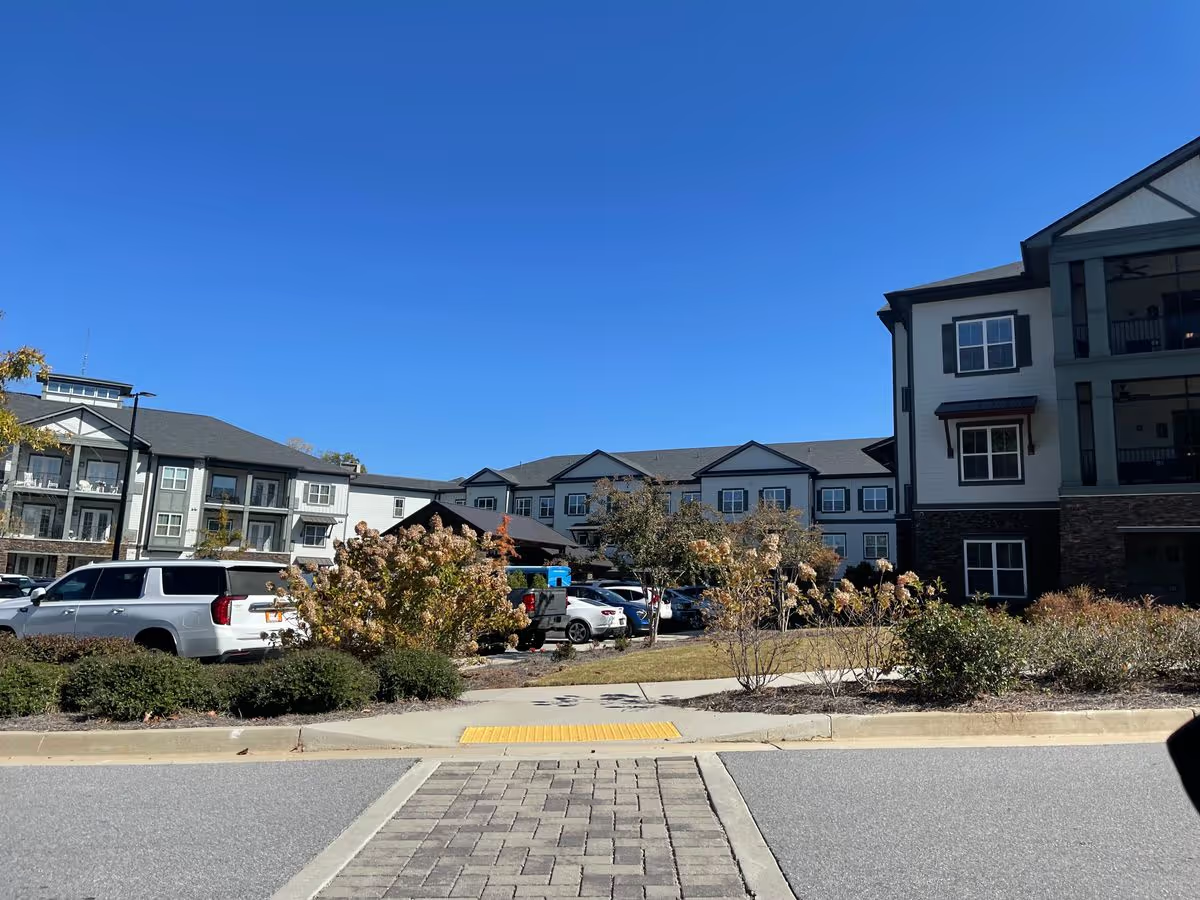
Facilities and maintenance: The building is often described as clean, tidy, and home-like, with a convenient single-level layout that helps mobility. At the same time, reviewers note areas needing repair or updates, an occasionally dated appearance in parts of the property, and isolated odor concerns in short-stay units. Ongoing maintenance and renovation work is mentioned, which appears to be in progress but uneven across spaces.
Management and move-in experience: Management and leadership receive mixed but generally favorable comments: some families praise accessible, professional administrators and credit leadership with recent improvements. However, there are also reports of variable follow-through during incidents, inconsistent communication after move-in, and weaknesses in move-in processes (including personal-belonging controls). Price sensitivity is noted by some reviewers relative to portions of the physical plant.
Who this may suit and precautions to take: The community appears well suited for prospective residents seeking a welcoming, activity-oriented, small-footprint assisted-living environment with supportive staff and therapy access. Prospective residents with stable medical needs or those seeking strong social programming may find the community appealing. Families of residents with advanced dementia or rapidly changing medical conditions should be cautious: ask specific questions about clinical staffing levels, dementia-care protocols, elopement-prevention measures, incident-response procedures, move-in inventory controls, and meal-delivery consistency. An in-person visit that reviews staffing patterns by shift, clinical escalation pathways, and written policies for medication/self-medication and incident communication is advisable before placement.