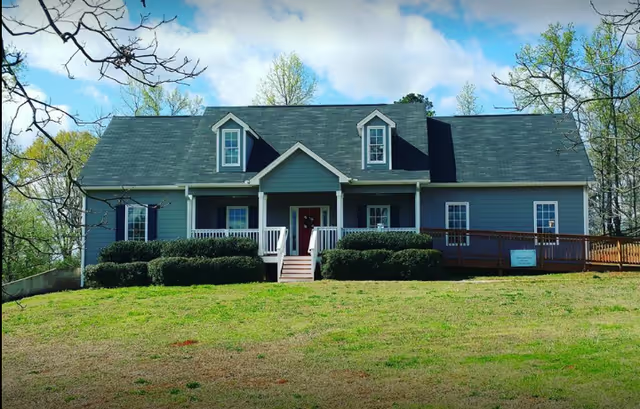
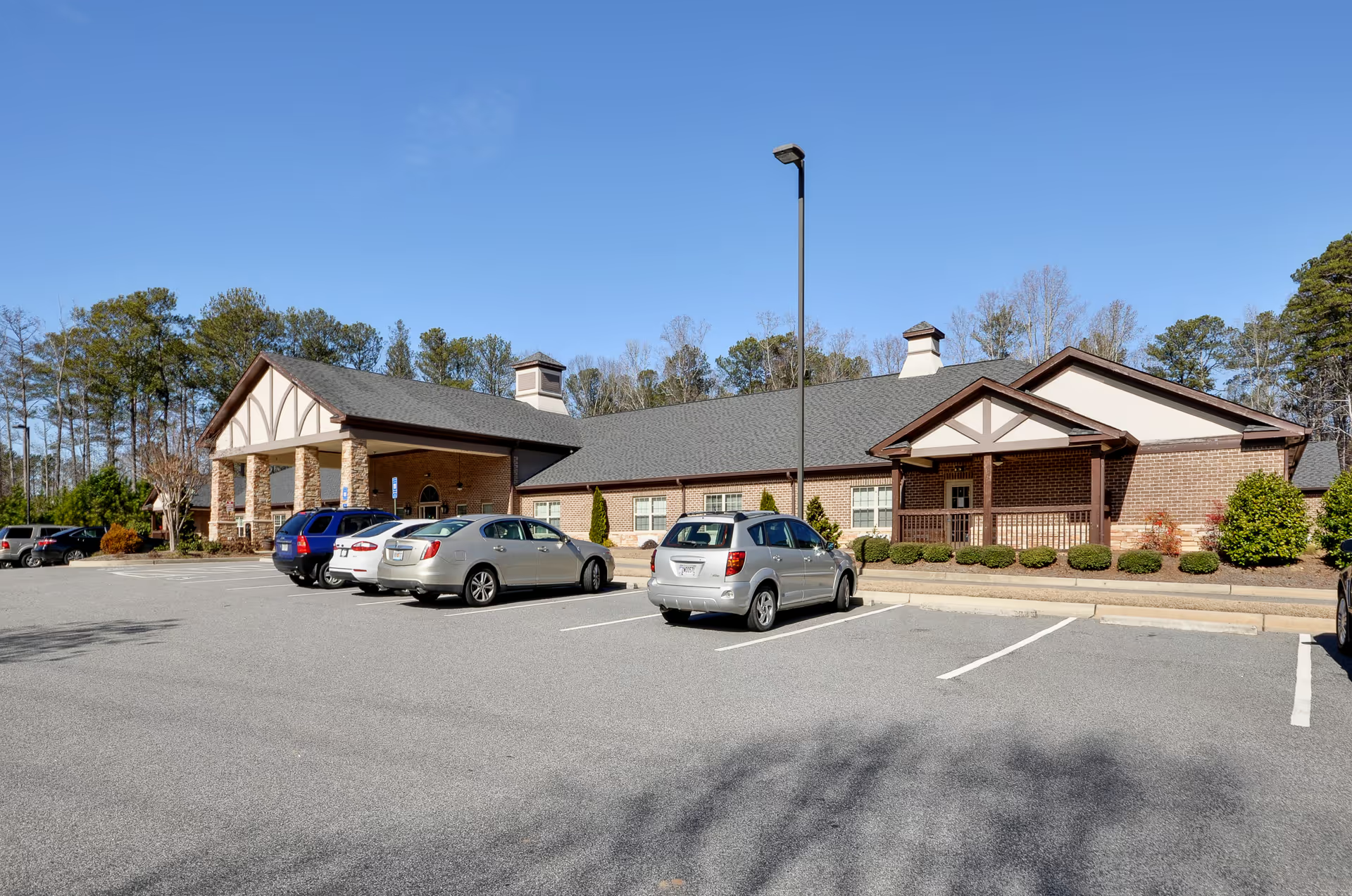
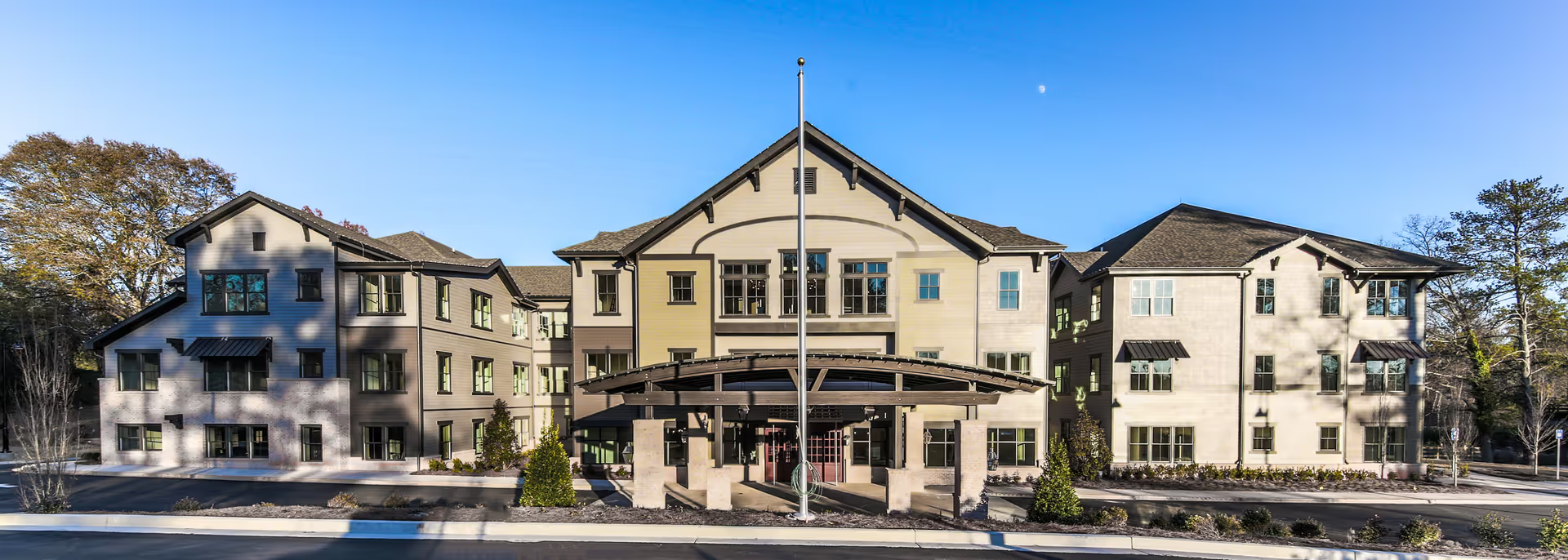
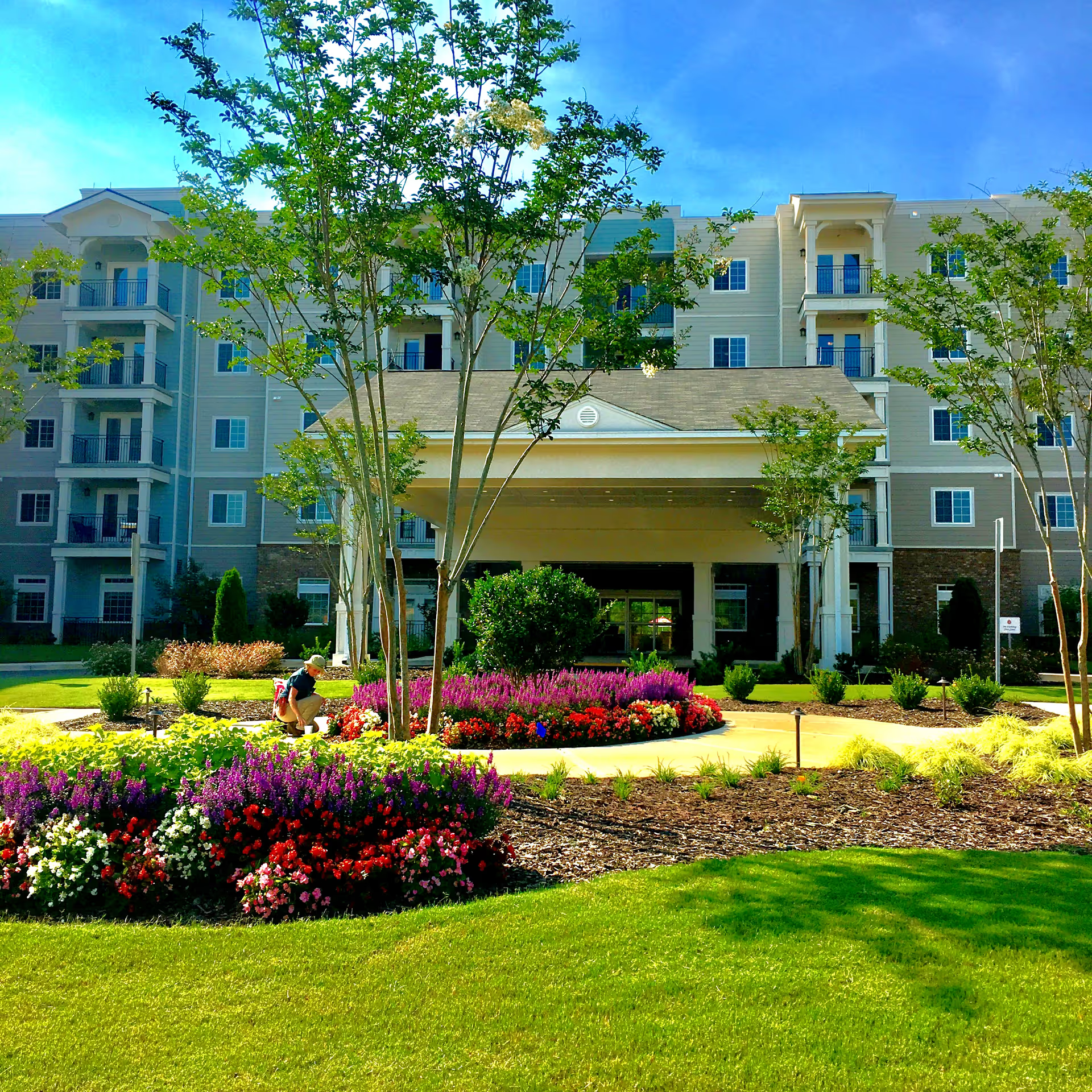
Overall impression Oaks at Post Road is described by many families as a small, home-like assisted living community with numerous strengths and a set of recurring operational weaknesses. Strengths most commonly cited include a compassionate caregiving staff, robust social programming (notably musical entertainment and outings), well-kept outdoor spaces and common areas, an on-site salon, and availability of therapy and transport services. The community’s scale and courtyard/garden amenities are repeatedly credited with supporting socialization and a pleasant day-to-day environment.
Care and staff Care delivery elicits mixed but clear patterns. Numerous accounts emphasize caring, attentive staff members who develop warm relationships with residents and who provide individualized attention in routine situations. At the same time, there is a repeated pattern of workforce instability: reviewers note high staff turnover, frequent use of contract or agency caregivers, and periods of understaffing. Those operational shortcomings are associated in several accounts with inconsistent care delivery, missed or delayed tasks, and uneven continuity in caregiver assignments. Families also described gaps in how clinical incidents are escalated and communicated to relatives—an operational weakness that contributes substantially to family concern when problems arise.
Dining and activities Dining and activity offerings are a prominent positive in many descriptions: several reviewers praise accommodating meal service, flexible dietary adjustments, and a restaurant-style dining room. The activities program—music, outings, exercise, and social events—receives consistent positive mention for helping residents remain engaged. However, dining quality and portion sizes are described as inconsistent across accounts, and some reviewers found limited variety. Activity engagement appears strong in assisted-living areas but is described as more limited or inconsistent in the memory-care unit, where residents were reported to spend more time unengaged.
Facilities and amenities Physical amenities are generally well regarded: bright, airy common areas, a large great room with fireplace, multiple indoor sitting areas, and an attractive courtyard and gardens. The facility is older in parts, and reviewers describe a range of unit sizes—from larger rooms with walk-in closets to small studio apartments—so prospective residents should verify the floor plan offered. Reviewers note limited dedicated recreational space in some parts of the building and occasional accessibility/amenity gaps (for example, bathtub availability and some exercise equipment access). A number of comments reference ancillary charges for services such as laundry, cable, phone, and medication packaging; clarity about what is included in the base rate would be advisable for prospective families.
Management and notable patterns Perceptions of leadership are mixed. Several families praised responsive managers and a smooth transition process, and some named specific staff members and new directors positively. Conversely, other accounts describe inconsistent leadership, poor follow-through on family inquiries, and delays in corrective action following incidents. Safety and hygiene concerns tied to the memory-care area—including door/security practices, odor control, and reduced engagement—appear repeatedly and form an important pattern that prospective families should investigate directly. There are also multiple mentions of serious post-incident response failures in individual cases; these have led to significant dissatisfaction where they occurred and are reflected in the broader concern about clinical escalation and communication.
Bottom line and guidance for families The Oaks at Post Road offers many of the amenities and personal touches that families look for—compassionate caregivers, active programming, a pleasant campus, and on-site services—but it also exhibits operational variability in staffing, management responsiveness, dining consistency, and memory-care practice. Prospective residents and families should balance the facility’s social and environmental strengths against the patterns of workforce instability and the specific memory-care concerns noted across accounts. Recommended questions for a tour include staffing ratios and use of agency staff, protocols for incident escalation and family notification, details on who provides memory-care programming and security, exact inclusions in the base rate, and opportunities to observe mealtime and an activity session in the unit most relevant to the prospective resident.